Texture for moving images
Effects are to motion what material and texture are to a still image. They can imitate a real camera, such as motion blur, grain, lens flare and depth of field, or they can show the digital nature of the image, such as glitch, pixel sorting and datamosh.
Used with a clear reason, an effect gives a piece its world: warm film memories, cold screens, dreamy glow. Used everywhere, effects hide weak ideas. Naming them precisely also helps when describing a look to collaborators or AI tools.
Camera and film effects
Fast-moving objects smear in the direction of motion, as with a real shutter; makes movement feel natural.
Fine random noise like film emulsion; warmth, texture, analog memory.
Soft bursts of orange or red light at the edges of the frame.
Streaks and circles of light when a bright source hits the lens.
Darkened edges that draw the eye to the center.
Out-of-focus areas that separate subject from background.
Light and color effects
Bright areas spill soft light around them; dreamy or neon.
Red, green and blue channels separate slightly at the edges; a lens flaw or a digital look.
The overall color mood: teal and orange, faded blacks, high contrast black and white.
Digital and distortion effects
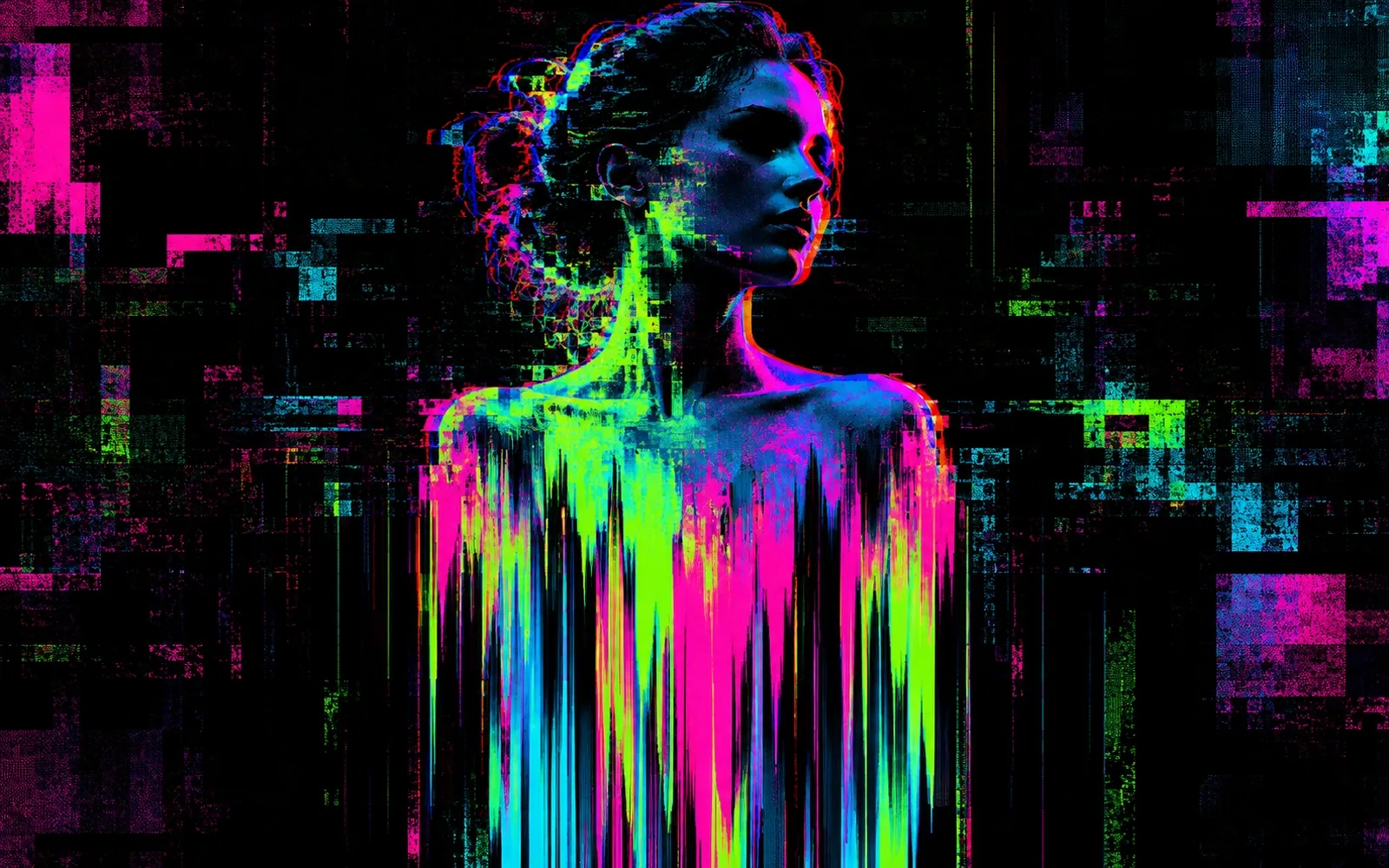
Blocks of the image shift, tear and repeat like corrupted data.
Frames melt into each other when video compression breaks.
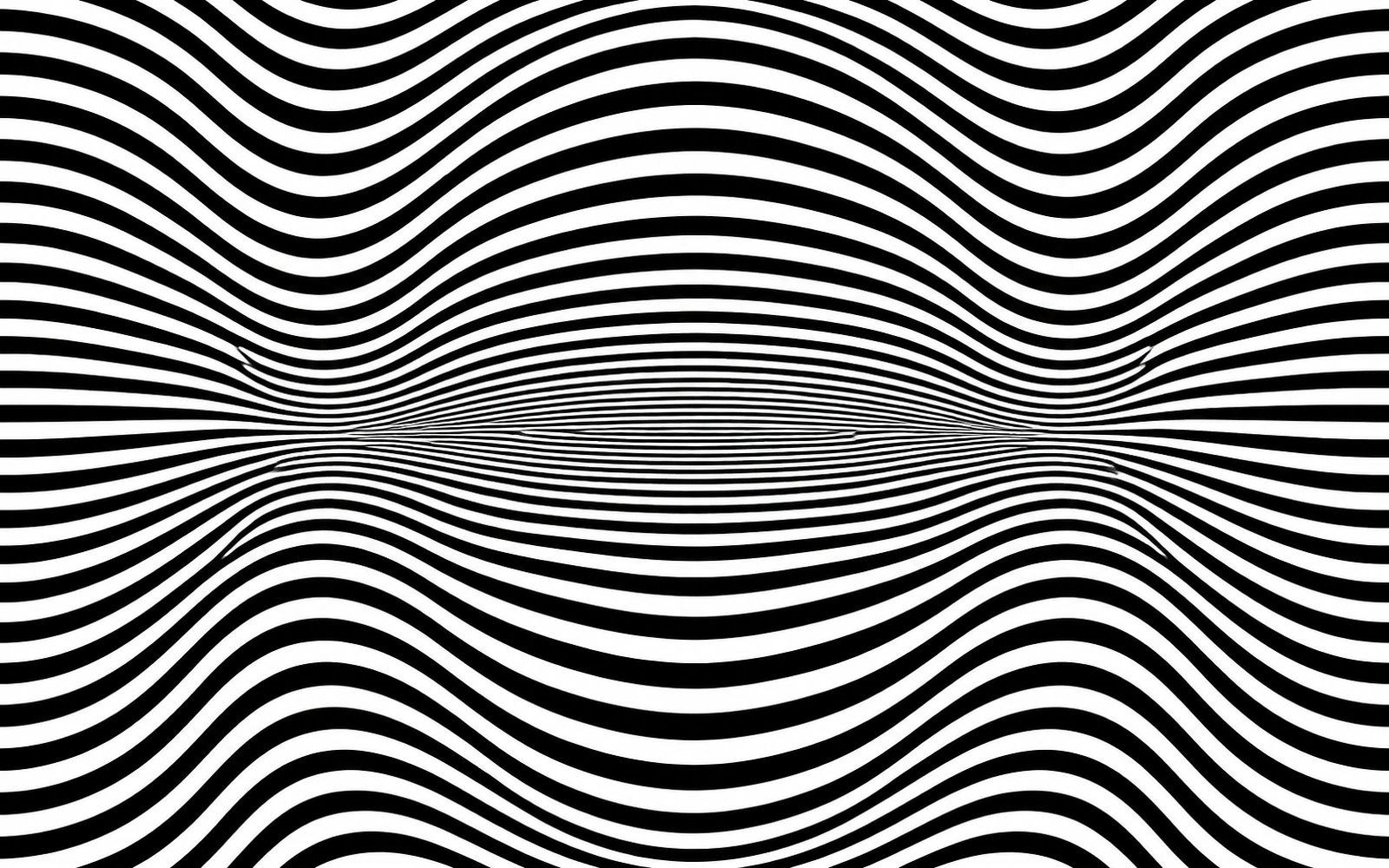
The image is pushed and warped by another pattern, like heat haze or water.
Horizontal lines and curved glass of an old television screen.
The image breaks into dots like print.
Time effects
Speed changes within a shot: fast, then slow motion, then fast again.
Fading copies follow a moving object, showing its path.
Words to describe motion effects
Precise words for the qualities above. Combine a few of them instead of naming the style or artist alone.
- natural motion blur
- subtle film grain
- warm light leaks
- soft glow bloom
- chromatic aberration fringes
- glitch block shifts
- datamosh melt
- CRT scanlines
- speed ramp into slow motion
- motion trails
A dancer spins in a dark studio; her arms leave soft fading trails, the shot speed-ramps into slow motion at the peak of the turn, light glows around her edges, and fine film grain and a faint red light leak cover the frame.
How to describe motion effects in words
- Name the effect and its strength: 'subtle grain', 'heavy chromatic aberration'.
- Say what the effect is for: memory, energy, coldness, dream.
- Describe where it applies: the whole frame, the edges, only fast moves.
Where people get it wrong
Stacking effects is not the same as having a look. A strong motion piece usually commits to two or three effects that belong to one world, such as grain plus light leaks plus warm grade for memory, rather than using everything at once.
Questions about motion effects
What is motion effects?
The finishing layer of motion: blur, grain, glow, glitch, distortion and time effects, what each one does to an image and when it helps.
How do you describe motion effects in words or a prompt?
Name the effect and its strength: 'subtle grain', 'heavy chromatic aberration'. Say what the effect is for: memory, energy, coldness, dream. Describe where it applies: the whole frame, the edges, only fast moves.
Pick one short clip from your phone. Describe three different looks for it, each using only two effects, and the feeling each look creates: 'grain and light leaks: a summer memory', 'glitch and scanlines: a broken screen'.