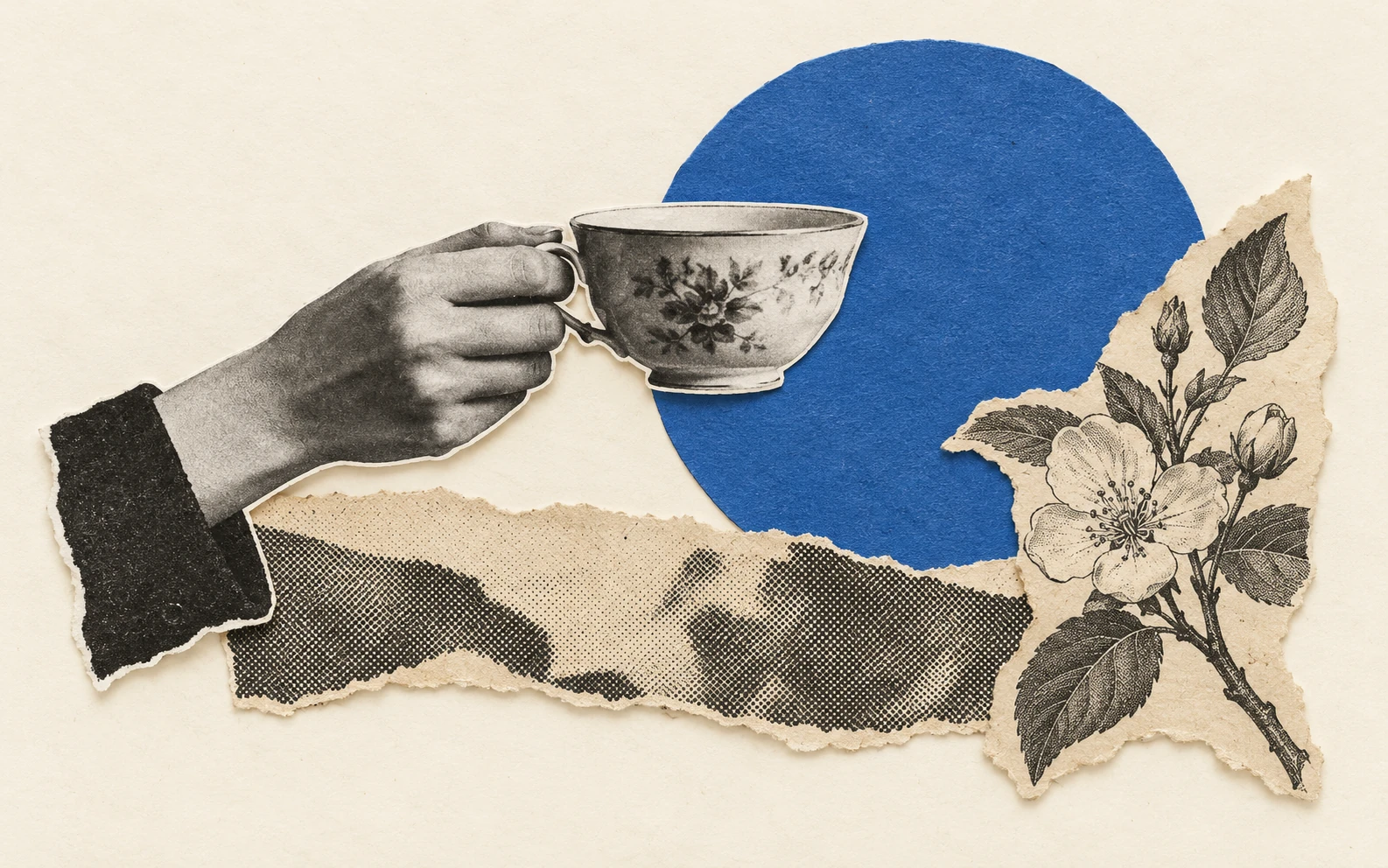
Where it comes from
Where the language came from and what problem it was trying to solve.
A field guide to visual language
A growing library of styles, movements and image-makers.
Not a moodboard and not a prompt list. The point is to turn what you see and feel in an image into words: where a visual language came from, how it is built, how to recognize it and how to describe it.
Where the language came from and what problem it was trying to solve.
How line, color, space, rhythm, light and material work together.
What it is often confused with, and the differences that matter.
Precise words for its qualities, and a description to start from.
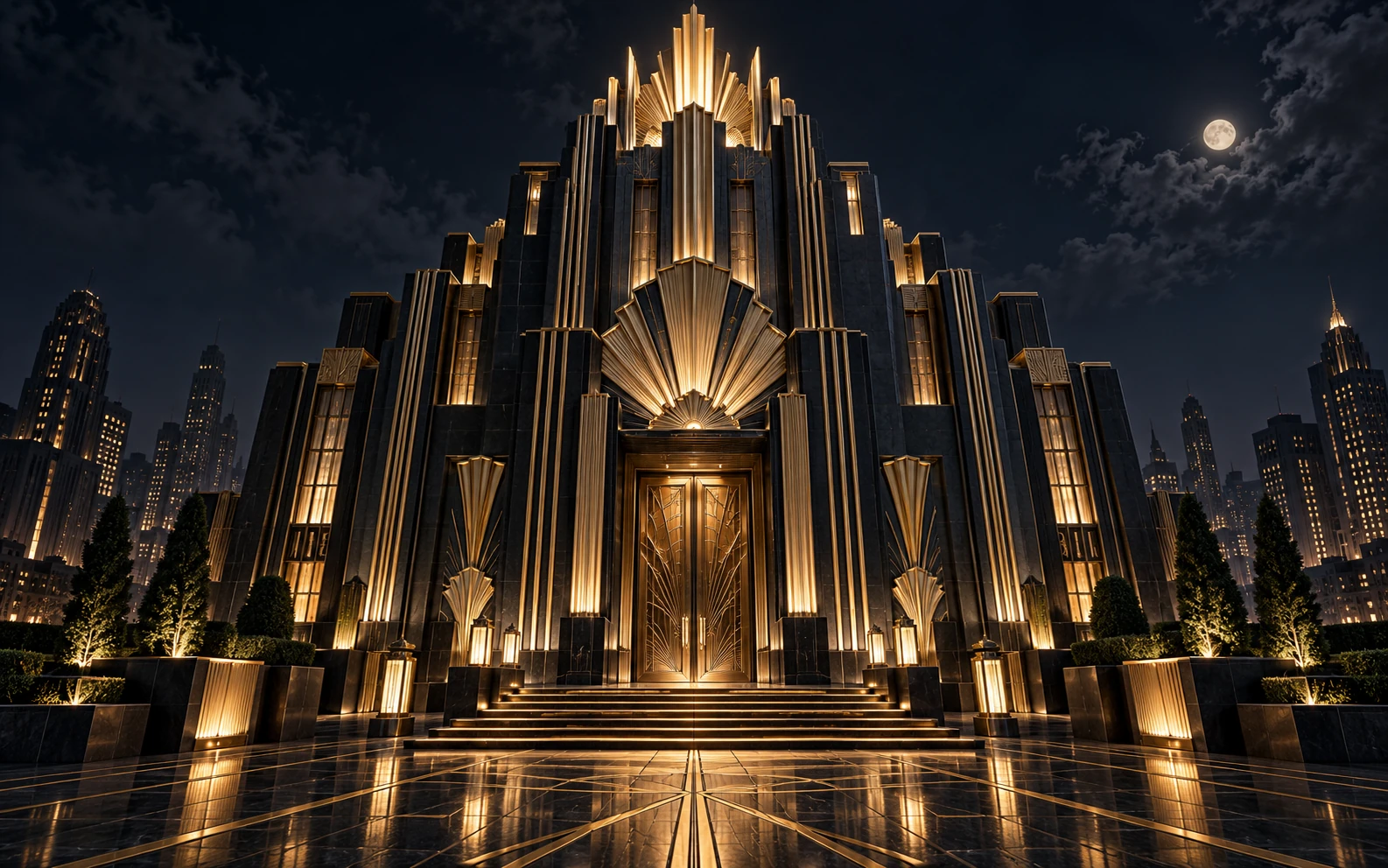
01 Style / 1920s–1930s
Sunbursts, stepped forms and chrome: modern life dressed up.
Open entry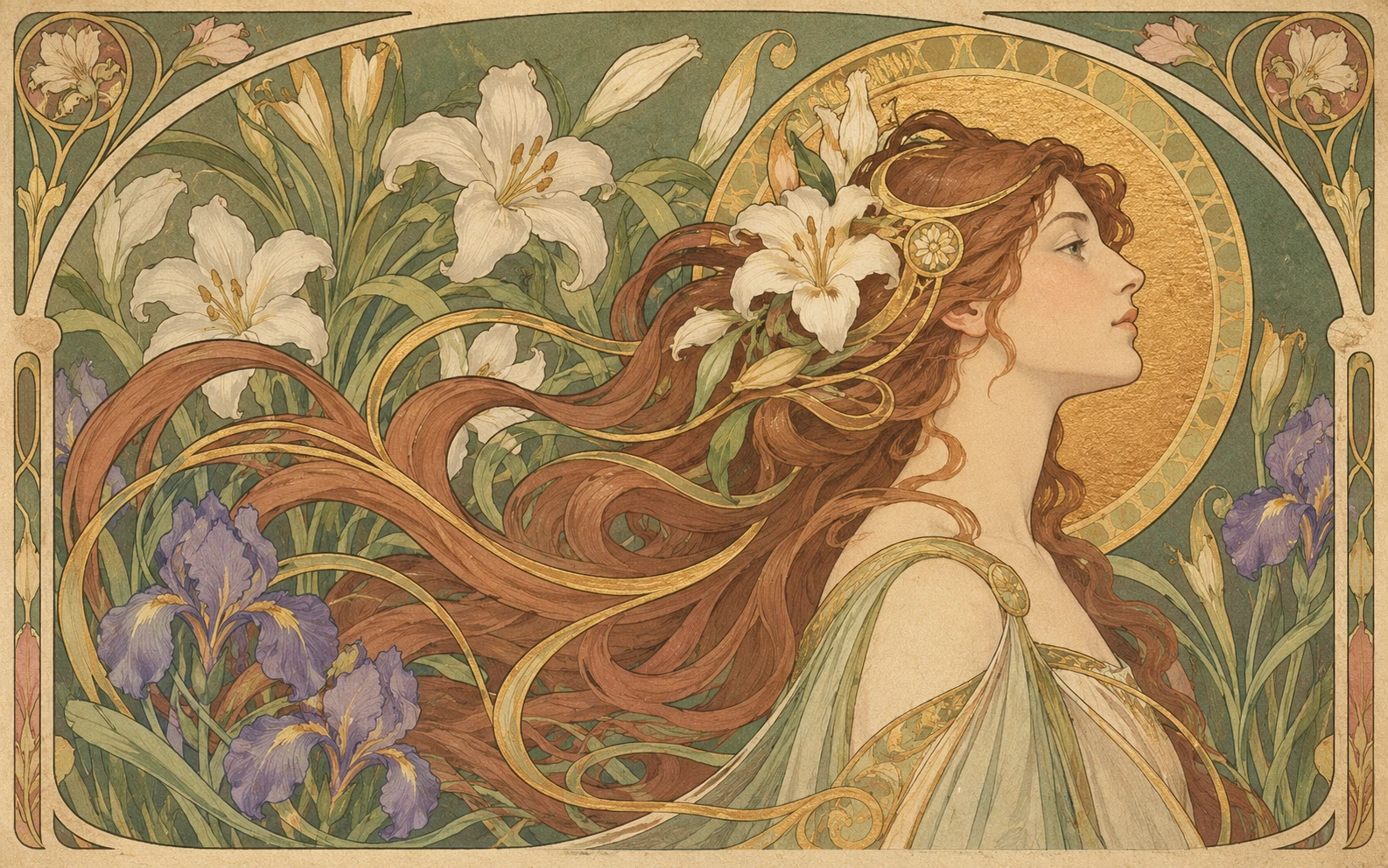
02 Movement / c. 1890–1910
Whiplash curves, plant forms and ornament that grows instead of being applied.
Open entry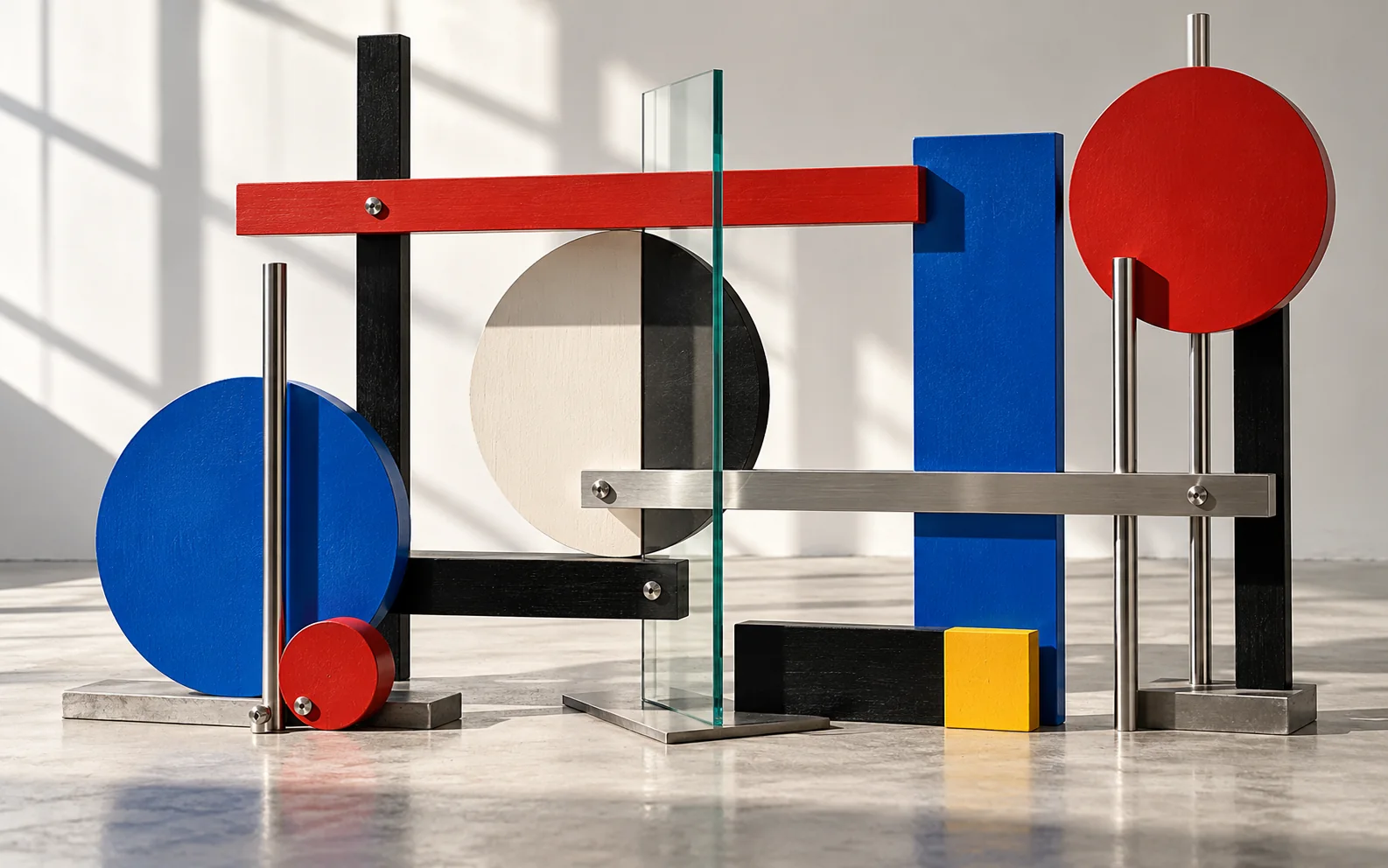
03 School / 1919-1933
Art, craft and industry brought into one functional visual system.
Open entry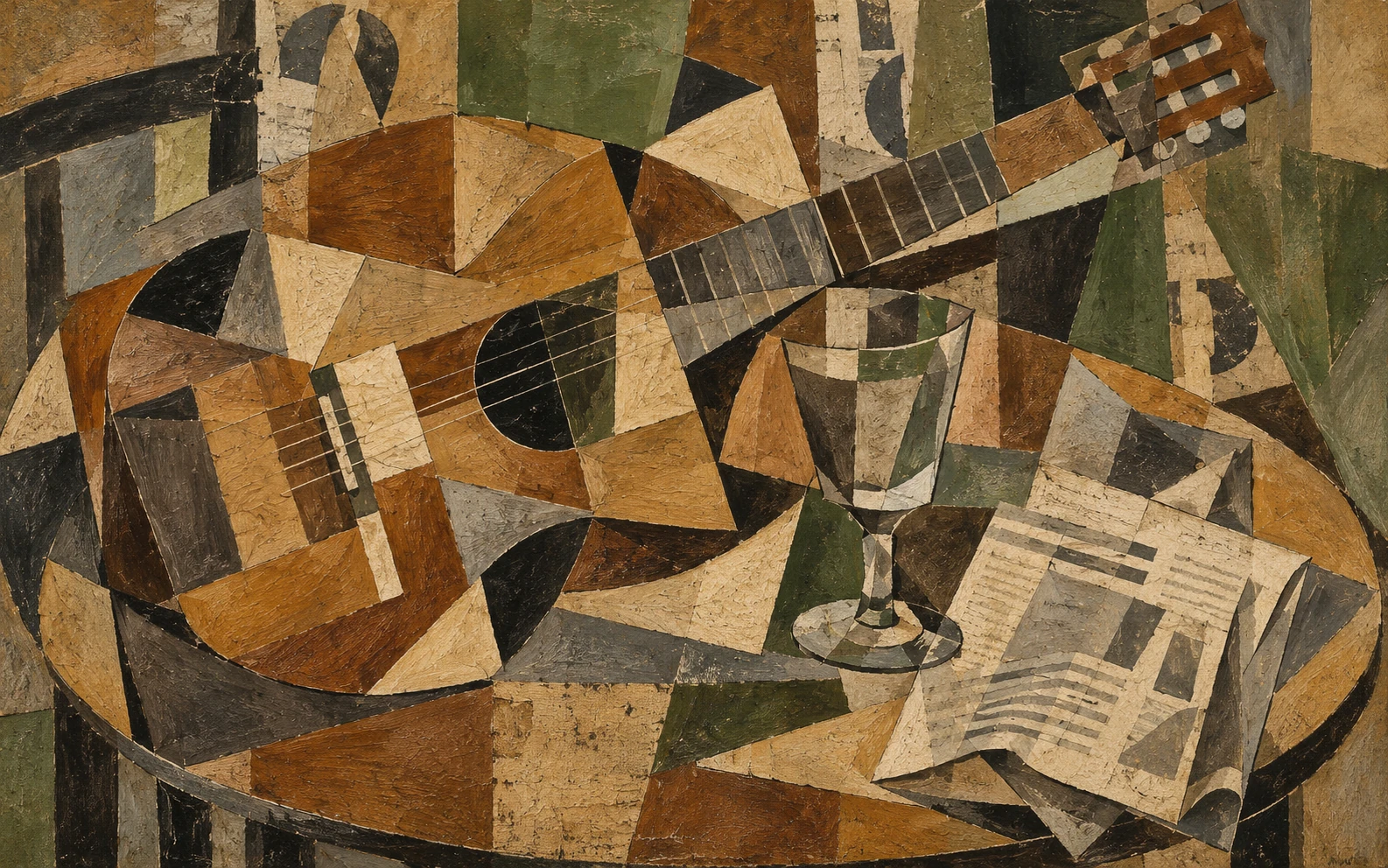
04 Movement / c. 1907–1914
Many viewpoints in one image, flattened into faceted planes.
Open entry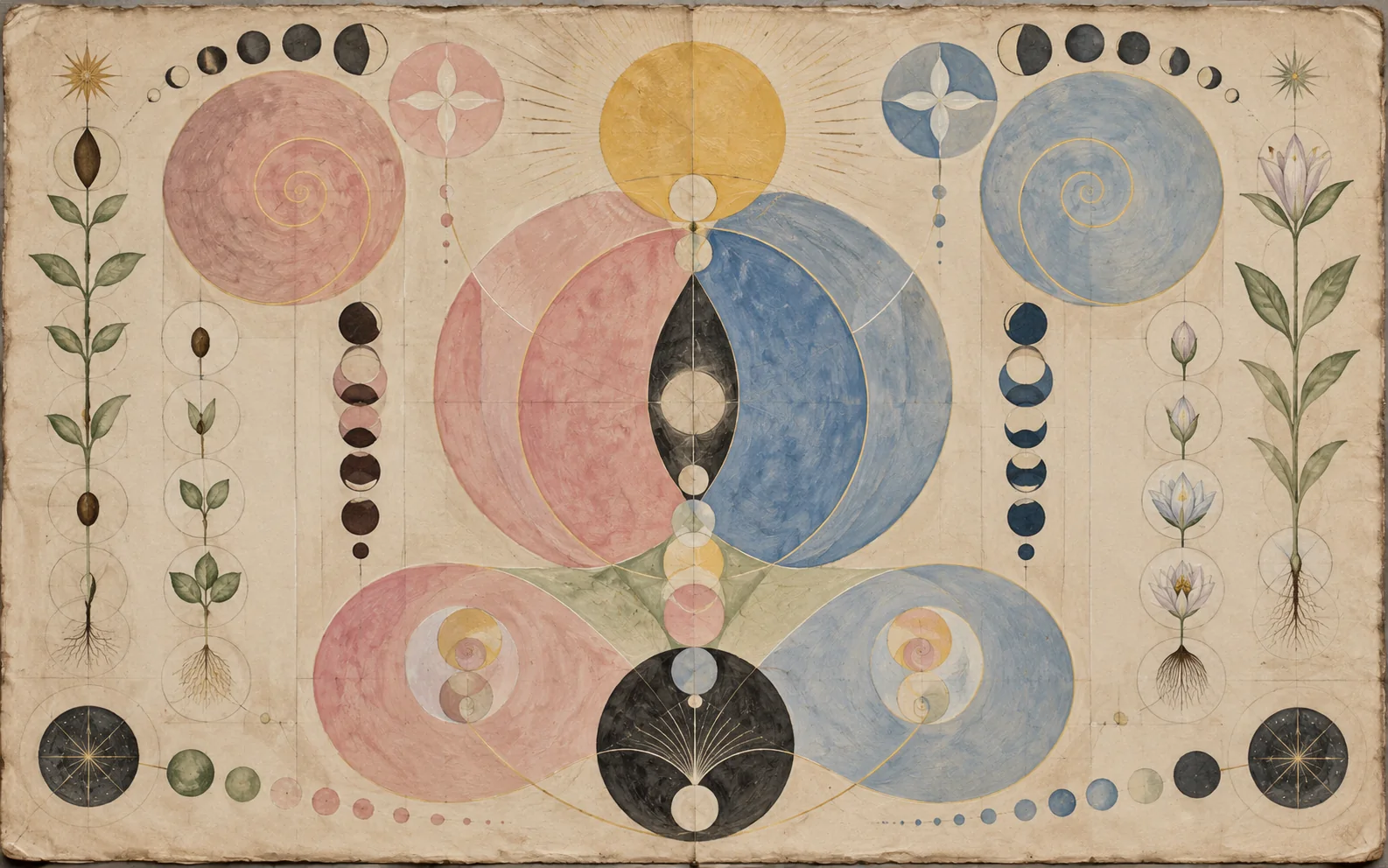
01 Artist / 1862-1944
Spiritual systems, botanical growth and abstraction as a form of knowledge.
Open entry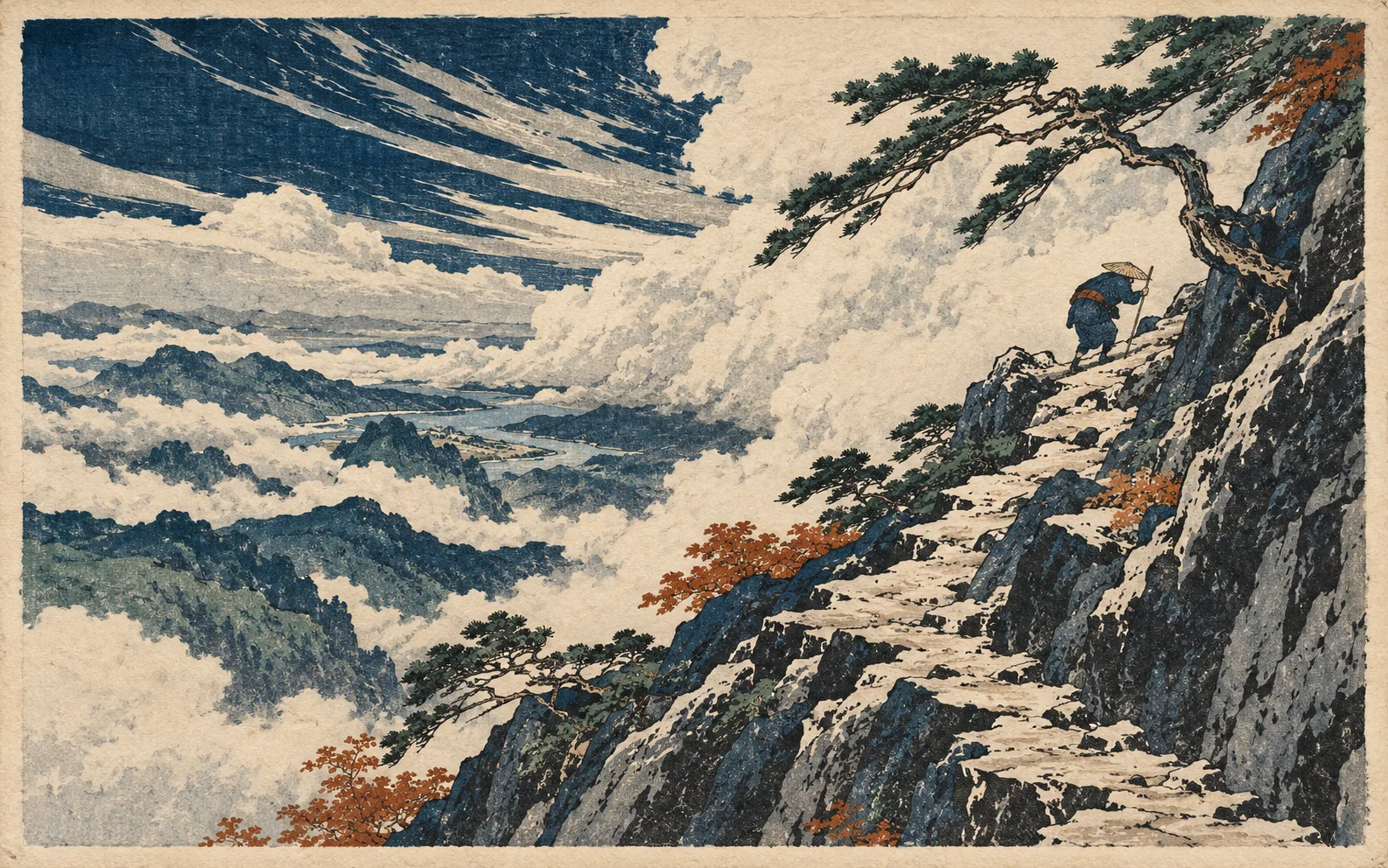
02 Artist / 1760-1849
Decisive line, radical scale and ordinary life measured against nature.
Open entry
03 Artist / 1895-1946
Light as material, technology as a tool and vision freed from eye level.
Open entry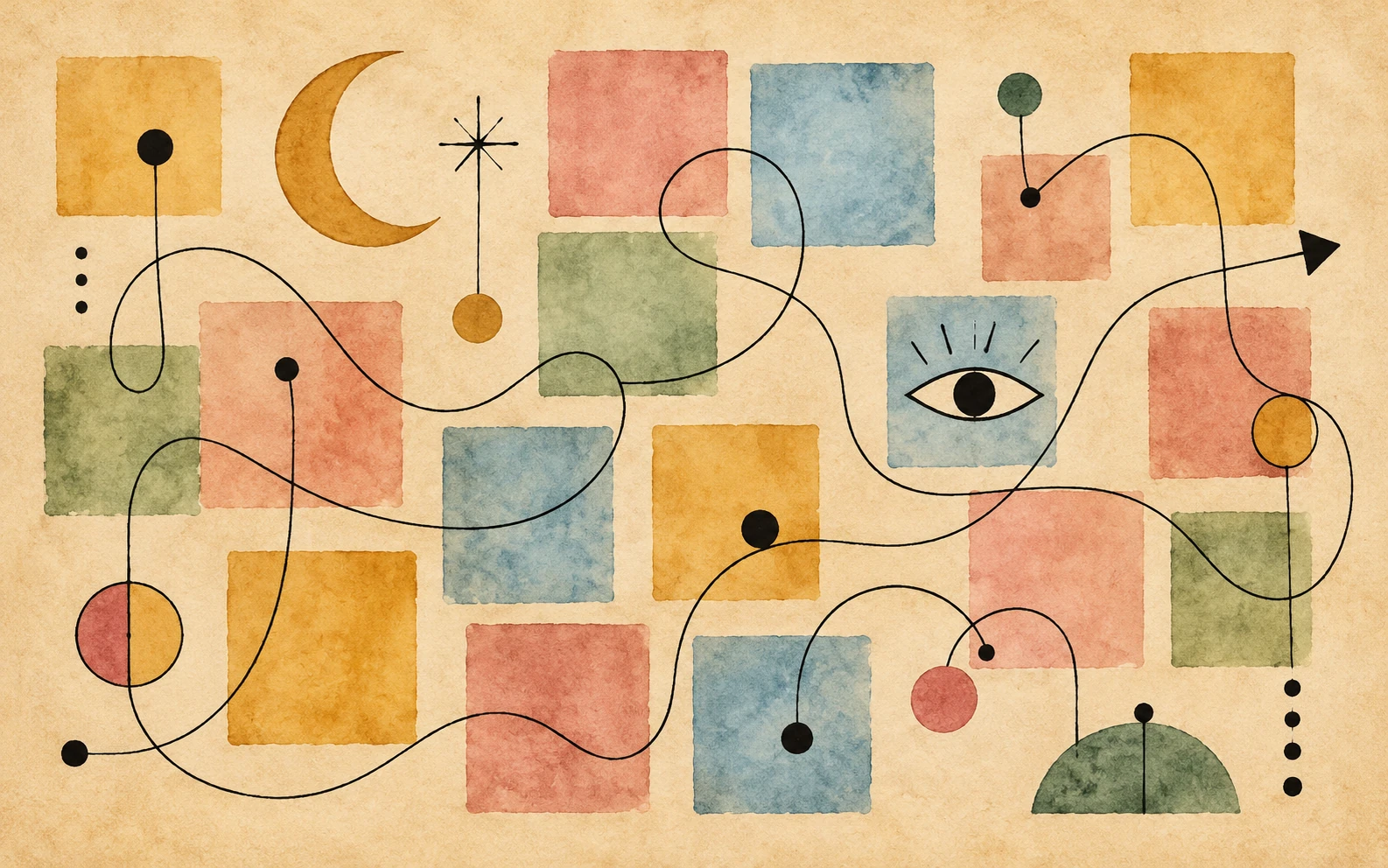
04 Artist / 1879–1940
Line on a walk, color in small squares, signs that almost speak.
Open entry01 Guide
Replace vague style labels with precise language for seeing, comparing, and making visual decisions.
Read guide02 Guide
Decide what stays stable and what may move, so a series feels related without becoming repetitive.
Read guide03 Practical guide
Turn vague taste into precise and editable visual language.
Read guide04 Core framework
Ten layers for reading style as a system, not a surface.
Read guide