How they are made
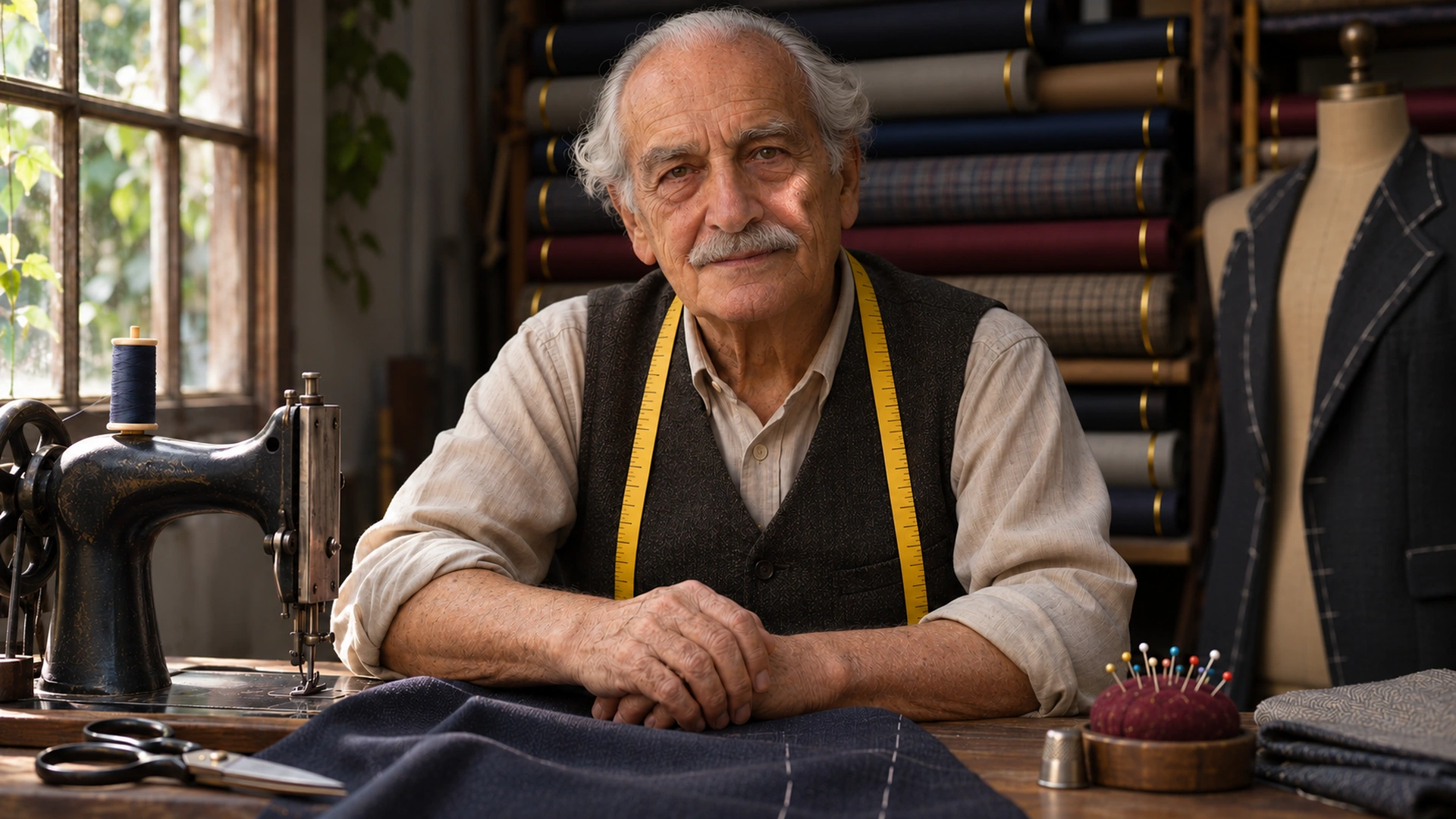
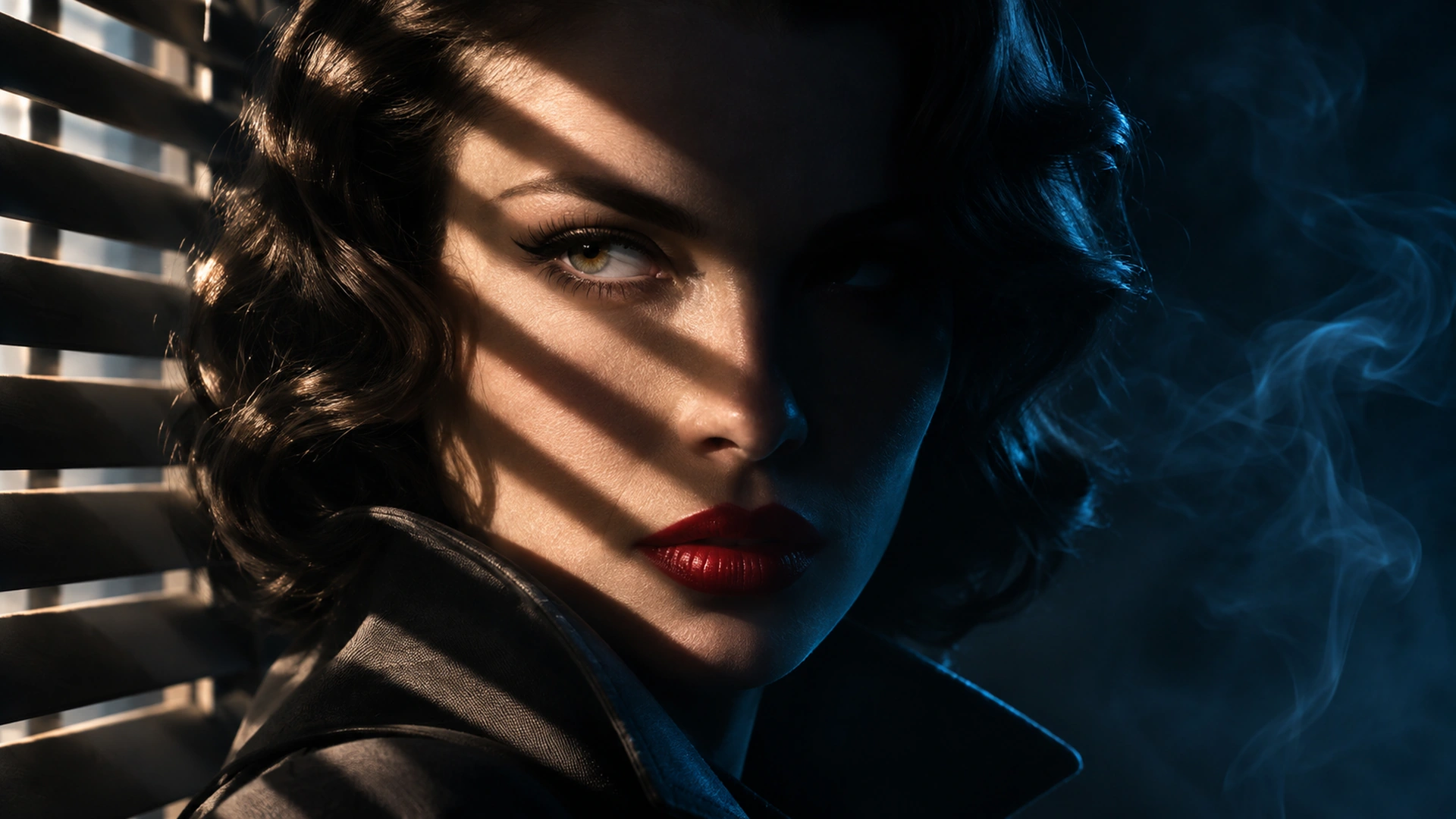
Most services ask you to upload a set of photos of your face from different angles. A model is then adapted to your likeness, or your photos are used as references, and it generates portraits in chosen outfits, backgrounds and lighting. The results can be very polished, but they are generated images, not photographs of a moment that happened.
When they help, and when they don't
A consistent set of profile photos for a remote team that cannot meet a photographer; a placeholder while you arrange a real shoot.
When the result looks noticeably younger, thinner, smoother or more symmetrical than you, the first meeting starts with a small mismatch.
Official documents, press photos presented as photographs, and any context where people expect a real photograph.
When personality matters: a real portrait, even taken simply by a window, carries expression that generated faces often flatten.
Privacy and consent
- Read the service's policy before uploading: how long your photos and the trained model are kept, whether they are used to train other models, and how to delete them.
- Face images can count as biometric data. Some laws give it special protection, for example the EU's GDPR when it is used to identify someone, and Illinois's Biometric Information Privacy Act.
- For team headshots, every person must agree individually; a manager cannot consent for employees.
- Never generate headshots of someone else from their photos without their permission.
Keeping it honest
- Choose the result that looks most like you on an ordinary day, not the most flattering one.
- Check details: ears, teeth, glasses, hairline, skin texture, moles and scars should be yours.
- Keep your real age, skin tone and features; ask for lighting and clothing changes, not a new face.
- Where a platform asks, or where it matters to the reader, say that the image is AI-generated.
A face is a story others will tell
A headshot is the first sentence other people read about you. Narrative therapy is a reminder that the stories told about us shape how we are met. A generated portrait that edits away your age or your features tells a story you will then have to correct in person. Direct it like any portrait: say which light, which clothes, which expression, and leave your face to be yours.
Questions about AI Headshots
Are AI headshots good enough for LinkedIn?
Many look polished enough, but the best profile photo is one that looks like you when people meet you. Choose a result that is accurate, or use a simple real photograph.
Are AI headshot services safe?
It depends on the service. Read how long they keep your photos and model, whether they use them for training, and how to delete them, before you upload anything.
Can a company make AI headshots for its whole team?
Yes, with each person's individual consent and a clear policy on how photos are stored and deleted. Employees should be able to choose a real photo instead.
Do I have to disclose that my headshot is AI-generated?
Rules vary by platform and context. Some platforms require labels for realistic synthetic images; in professional settings, being open about it avoids misunderstandings.
Take one photograph of yourself by a window in daylight, with your phone at eye level. Then write a three-line direction for a headshot: light, clothing, expression. Compare which tells a viewer more about you: the photo or any generated version.
Sources and further reading
- European Union, General Data Protection Regulation (GDPR), Article 9 (special categories of personal data, including biometric data).
- Illinois Biometric Information Privacy Act (740 ILCS 14), 2008.
- LinkedIn Help: profile photo guidelines.
- European Union, AI Act (Regulation (EU) 2024/1689), transparency obligations.
Words to describe AI Headshots
Precise words for the qualities above. Combine a few of them instead of naming the style or artist alone.
- headshot
- AI headshot
- likeness
- consent
- biometric data
- training data
- data retention
- profile photo
- corporate headshot
- disclosure
- retouching
Direction for a team headshot set: 'Soft window light from the left, plain warm-grey background, head and shoulders, everyone in their own everyday work clothes, natural expression with a closed-mouth smile, no skin smoothing, keep glasses and grey hair'.