Lettering, calligraphy and typography
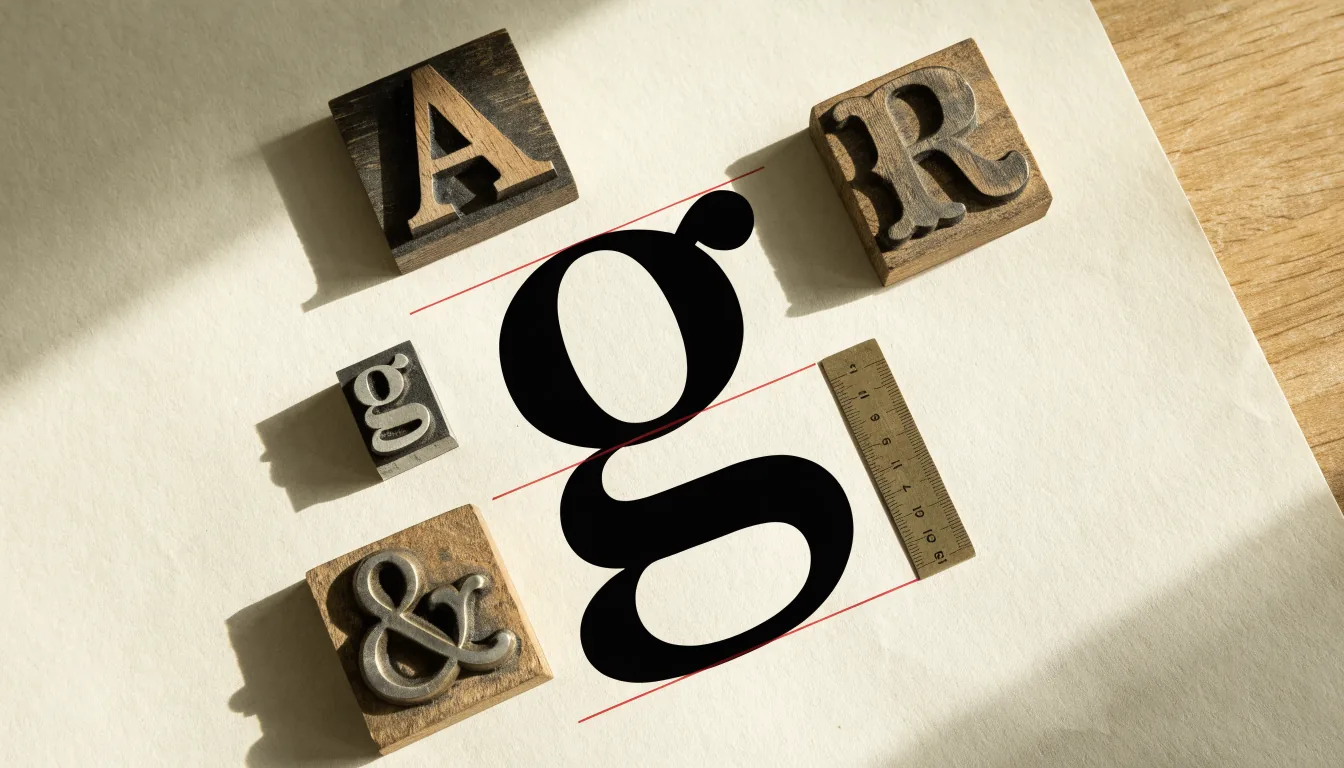
Arranging pre-made letters, fonts, that can be reused for any text.
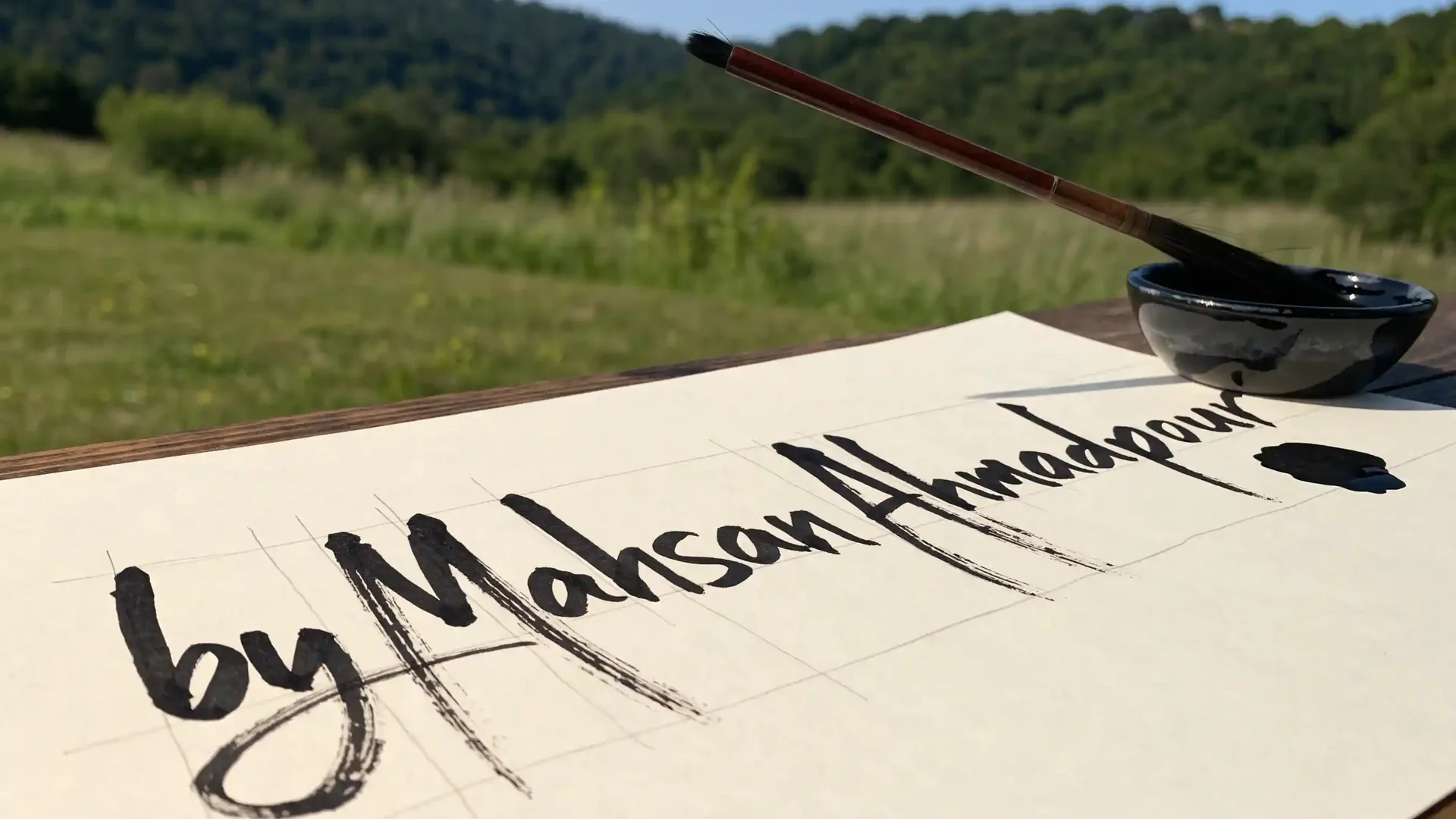
Writing letters in strokes with a pen or brush, usually in one pass, following a script's rules.
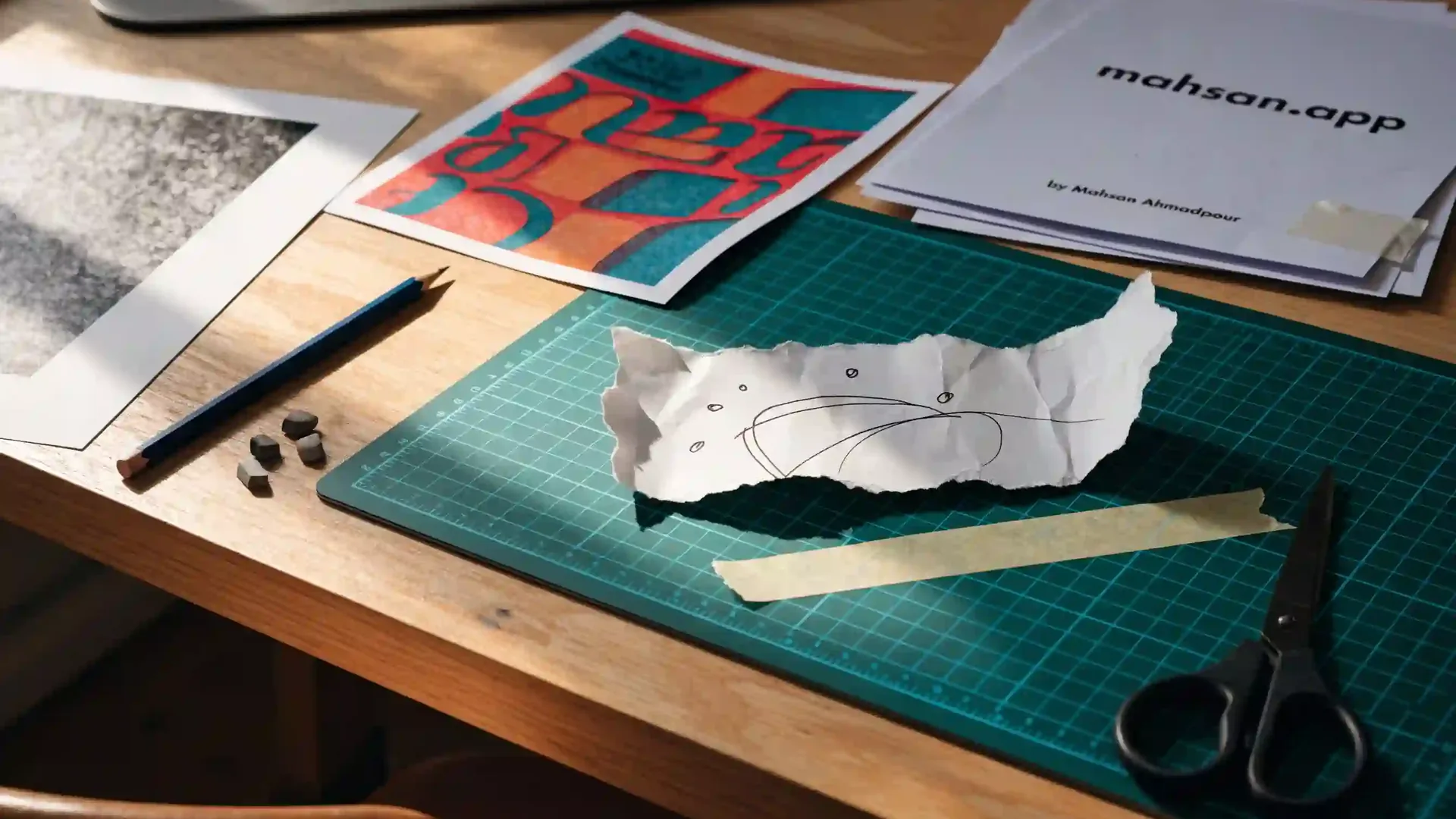
Drawing letters as images, built up, corrected and refined, for one specific word or phrase.
Hands behind the letters
Before printing, all letters were made by hand. Later, sign painters lettered shop fronts, trucks and windows by brush; the book and film Sign Painters (2013) documented their revival. Saul Bass cut letters from paper for film titles such as Anatomy of a Murder (1959). Corita Kent, a nun and artist, filled her 1960s screenprints with hand-drawn words from songs, adverts and scripture. In 2025–26, handwritten and hand-drawn type returned as a response to smooth, machine-made design.
Common lettering styles
- Brush script: flowing, loose, energetic.
- Sign-painter script and casual: confident, commercial, friendly.
- Hand-drawn serif and sans: careful forms with human wobble.
- Handwriting: everyday writing, notes, annotations.
- Block and outline letters: bold, playful, often for posters.
- Illustrative lettering: letters made of objects, plants or patterns.
Making it look human, not careless
- Draw at a large size in pencil first; refine the shapes, then ink.
- Keep consistent rules: slant, weight and letter height, and break them once on purpose.
- Space by eye, not by measurement; lettering is read as a shape.
- Scan the real drawing rather than drawing directly with a perfect vector tool.
- Keep small irregularities; do not 'clean' every edge.
Handwriting as voice
A handwritten word is the closest thing in design to hearing someone speak: the pressure, speed and hesitation are all there. That is why it feels intimate and why it can be faked so easily. The honest version uses a real hand for a real message, and lets the wobble stay.
Questions about hand lettering
What is the difference between lettering and calligraphy?
Calligraphy is the art of writing letters in strokes, usually in one pass with a pen or brush. Lettering is drawing letters as images, built up and refined for a specific word.
What is the difference between lettering and typography?
Typography uses pre-made, reusable letters (fonts). Lettering creates unique letters for one specific piece.
Is hand lettering coming back?
Yes. Hand-drawn and handwritten type has been widely described as part of the 2025–26 move toward human-made, imperfect design.
Write one short sentence by hand ten times on the same page, faster each time. Choose the version that feels most like your voice and describe what makes it different.
Sources and further reading
- Faythe Levine and Sam Macon, Sign Painters, Princeton Architectural Press, 2013.
- Corita Art Center, Los Angeles: Corita Kent's prints.
- Steven Heller and Mirko Ilić, Handwritten: Expressive Lettering in the Digital Age, Thames & Hudson, 2004.
Words to describe hand lettering
Precise words for the qualities above. Combine a few of them instead of naming the style or artist alone.
- lettering
- calligraphy
- typography
- brush script
- sign painting
- letterform
- baseline
- x-height
- spacing
- hand-drawn
A hand-lettering study: 'Sunday morning' drawn in confident black brush script on cream paper, pencil guidelines still faintly visible, one ink blot at the end of the last stroke.