What 'slop' means
Merriam-Webster chose 'slop' as its 2025 Word of the Year and defined it as 'digital content of low quality that is produced usually in quantity by means of artificial intelligence'. Australia's Macquarie Dictionary chose 'AI slop' for the same year. The word is mocking rather than fearful: it describes content that nobody asked for, made because it was easy.
Slop is not defined by the tool. It is defined by the absence of intention: nobody decided what it should say, who it was for, or why this image and not another.
The counter-trend
Design trend reports for 2026 moved in the same direction. Canva's report was titled 'Imperfect by Design' and described creators who use AI but crave 'the human imperfections that make design raw, honest, and unique'. Adobe's Creative Trends 2026 research also emphasised tactile, emotional and authentic work. Most coverage frames it the same way: not anti-AI, but anti-laziness.
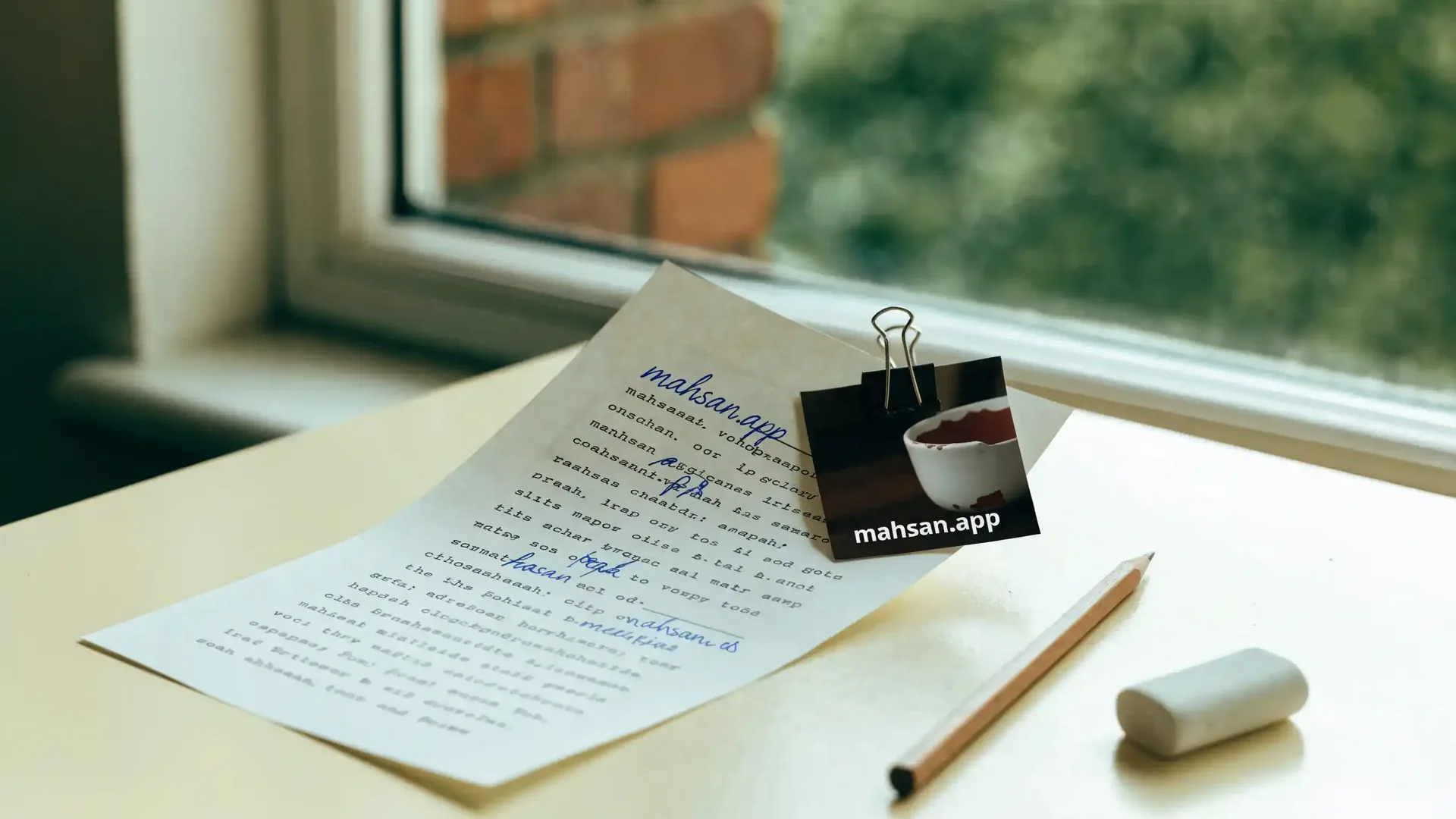
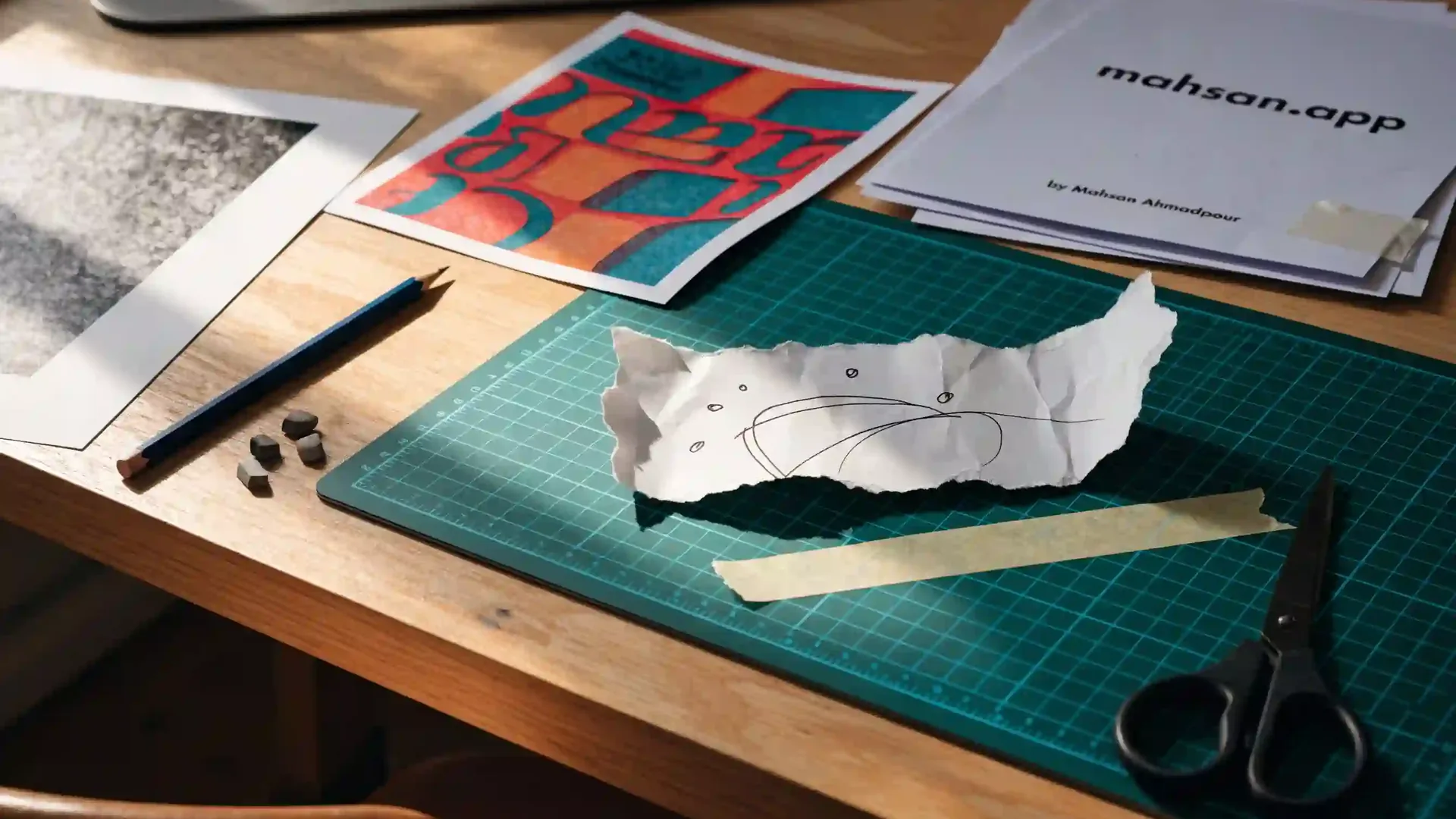
Hand-drawn lines, handwriting, uneven edges, visible corrections.
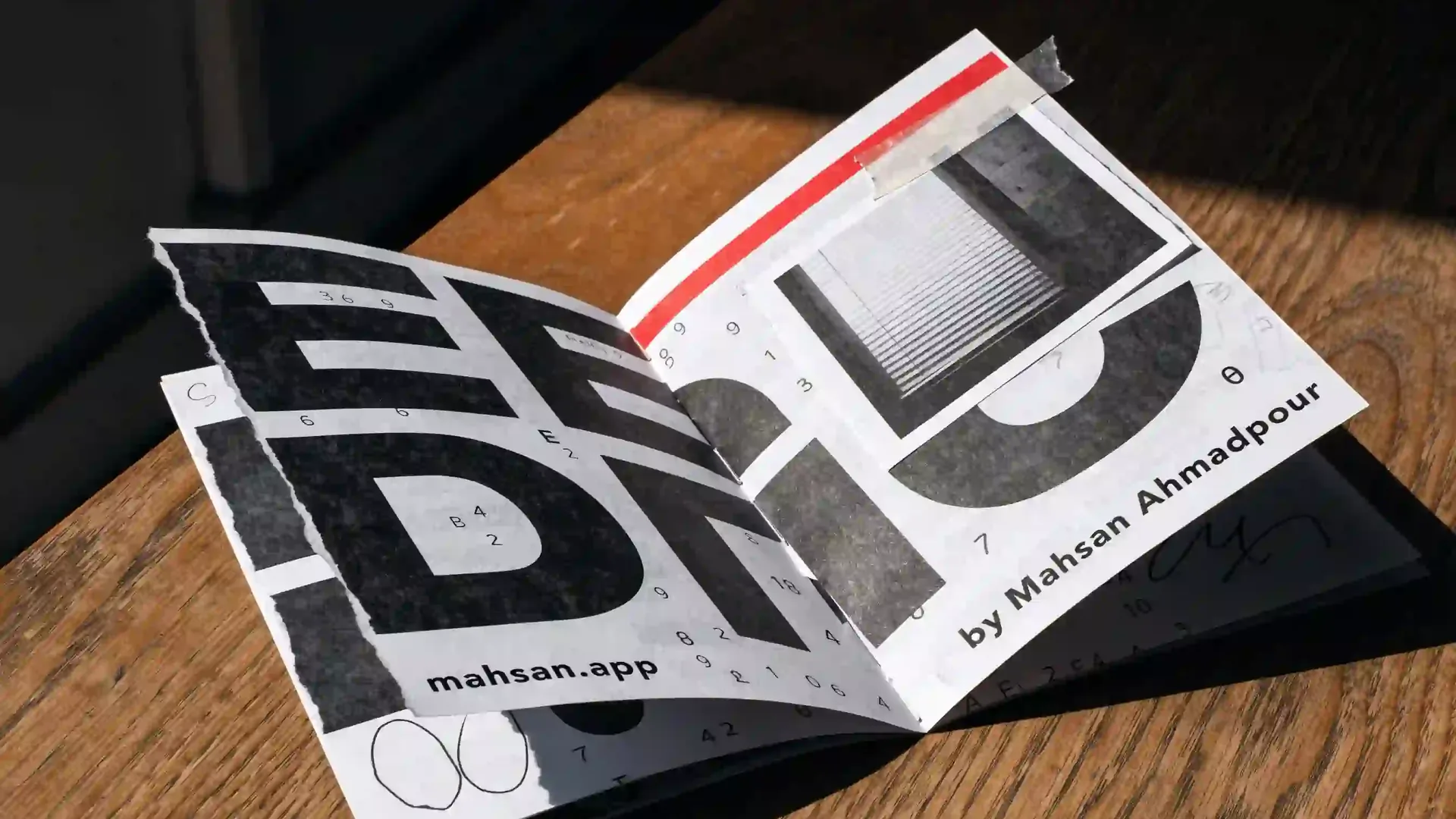
Collage, scrapbook layouts and zine-style pages with tape, staples and torn paper.
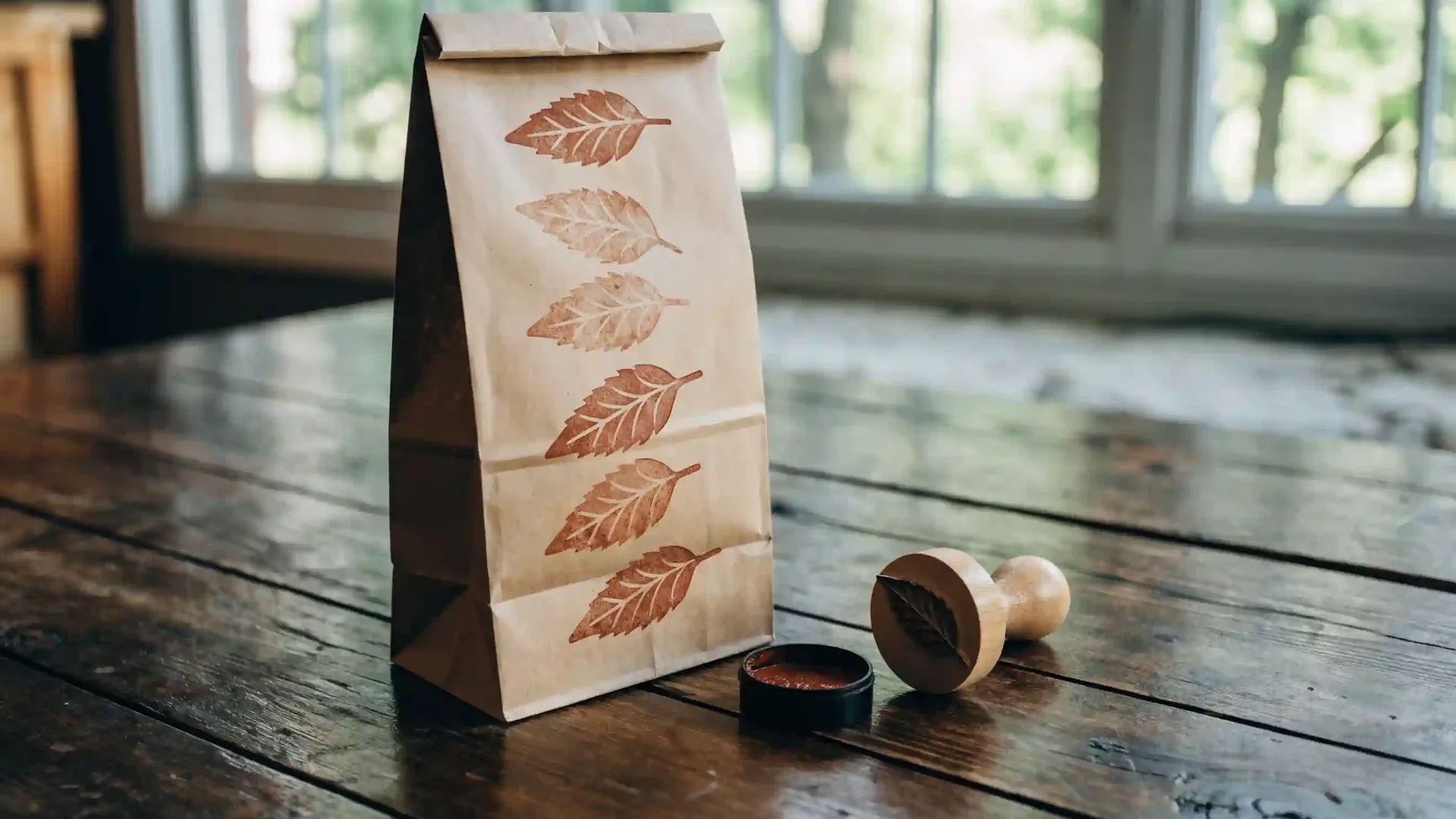
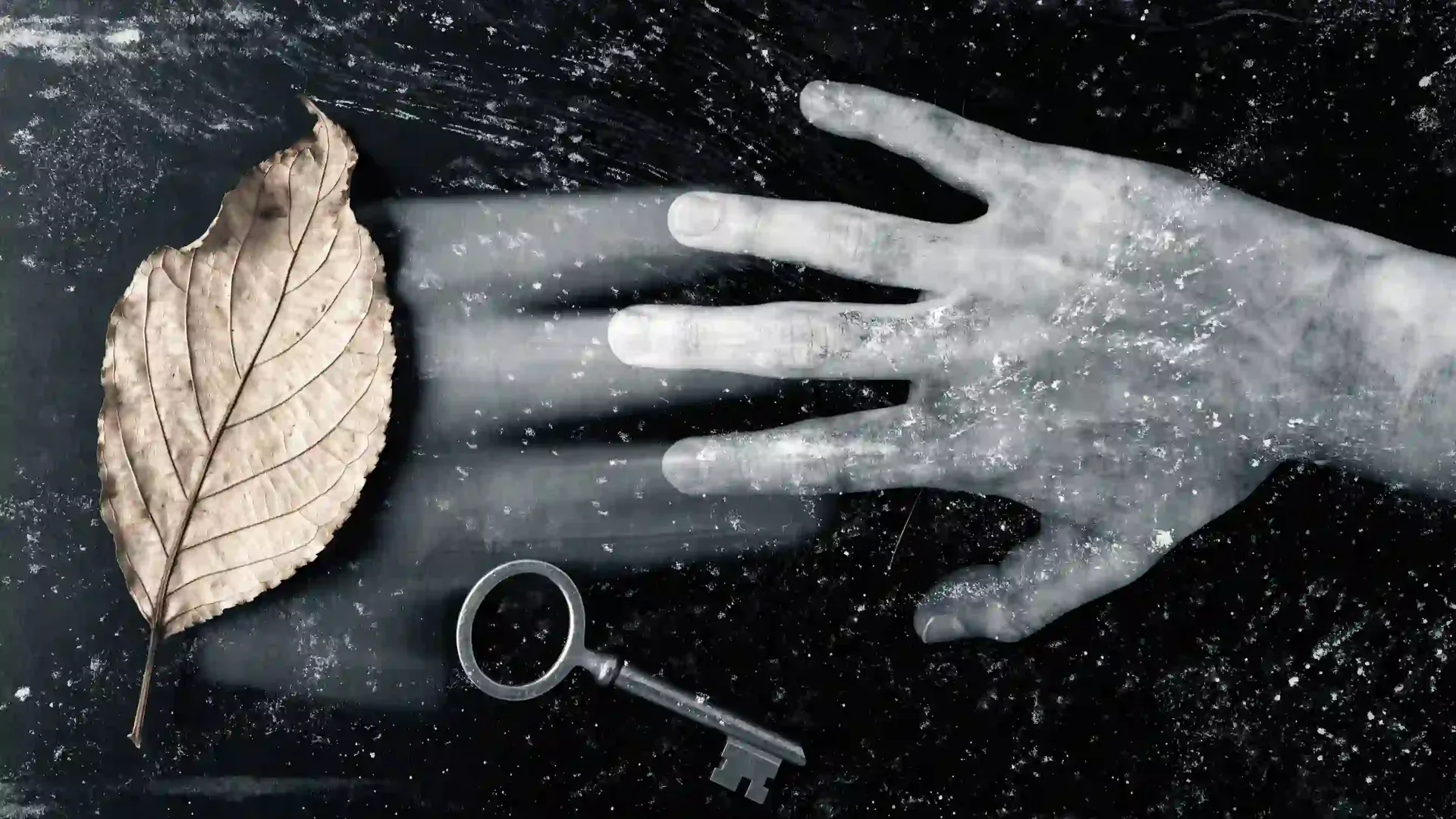
Photocopy grain, risograph misregistration, halftone and scans of real paper.
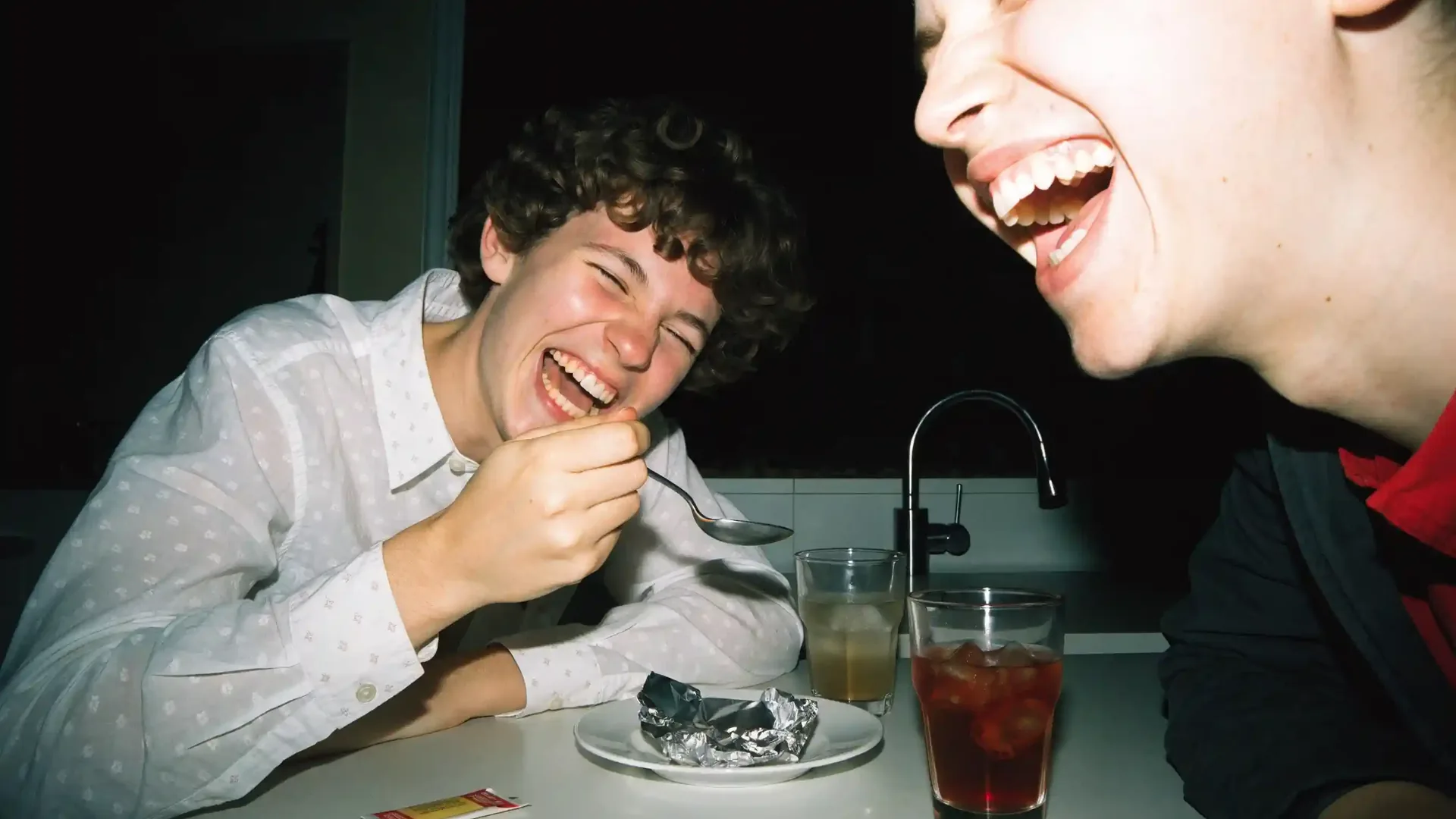
Digicams, direct flash, film grain and unposed moments instead of polished perfection.
Sketches, drafts, time-lapses and studio photos shown as part of the work.
The other direction: calm layouts, serif type and fewer, better images, a pull back from overload.
Common signs of slop
- Everything evenly sharp, glossy and lit the same way, with no clear subject.
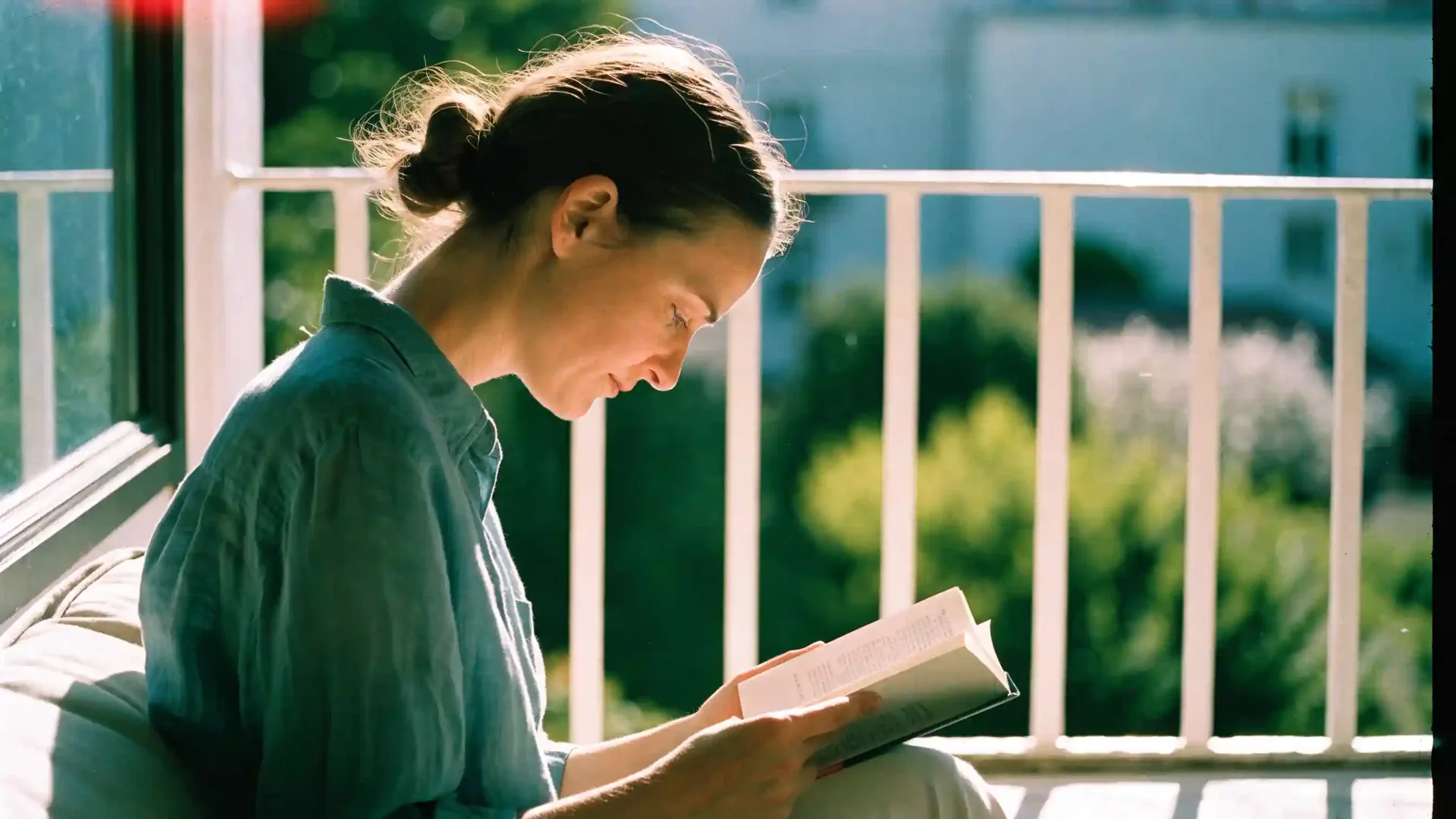
- Faces that are symmetrical, smooth and generic, with no age, texture or character.
- Default cinematic colour and light used for every subject.
- Backgrounds full of detail that means nothing.
- Garbled text, extra fingers, objects that merge.
- Images that could illustrate any article, because they were made for none.
- Quantity: many near-identical images where one chosen image would do.
Making Gen AI work that isn't slop
- Start from a brief: who is this for, and what must it say?
- Write one exact detail, the punctum, before anything else.
- Use your own references, photographs and sketches, not only the model's defaults.
- Generate fewer images and choose harder; editing is authorship.
- Finish by hand: crop, retouch, add real texture, type and handwriting.
- Check every image at full size for errors before publishing.
- Say how it was made, where it matters to the reader.
Don't fake the hand
The anti-slop look can itself become slop: a grain filter, fake tape and a 'handwritten' font laid over generic content. That is imitation of care, not care. If a piece is generated, say so where it matters; if it is handmade, show the process. The trust the trend is chasing is lost the moment the imperfection is fake.
Slop is a thin description
In this library's terms, slop is thin description made visible: a label ('a beautiful woman in a café, cinematic') stretched into an image. Anti-slop work is thick: it knows which café, which hour, which crack in the cup and why. Ideas are cheap, and machines have made them cheaper. Words, choices and attention are not.
Questions about anti-slop design
What is AI slop?
Low-quality digital content produced in large quantities with AI, especially images, videos and text that are generic, error-filled or made without any clear purpose. 'Slop' was Merriam-Webster's 2025 Word of the Year.
What is anti-slop design?
A 2025–26 trend in design and art toward work that shows a human hand, specific choices and visible process, such as hand-drawn marks, collage, photocopy and print textures, candid photography and restraint.
Is anti-slop design anti-AI?
Not necessarily. Most designers describe it as anti-laziness rather than anti-AI: the problem is generic, careless work, not the tool. AI used with a clear brief, real references and careful editing can avoid slop.
How do you make AI images that don't look like slop?
Write a specific brief, include one exact detail, use your own references, generate fewer images and choose carefully, finish by hand, check for errors and be honest about how the work was made.
Take one generic image from your feed. Write the brief it should have had: who it is for, what it must say, and one exact detail. Then describe the image that brief would produce.
Sources and further reading
- Merriam-Webster, Word of the Year 2025: 'slop'.
- Macquarie Dictionary, Word of the Year 2025: 'AI slop'.
- Canva Newsroom, ''Imperfect by Design': the visual design trends set to define 2026', December 2025.
- Adobe, Creative Trends 2026 report.
Words to describe anti-slop design
Precise words for the qualities above. Combine a few of them instead of naming the style or artist alone.
- slop
- AI slop
- anti-slop
- human-made
- proof of hand
- visible process
- imperfect by design
- specificity
- punctum
- thick description
Slop: 'a cosy café, cinematic lighting, highly detailed'. Not slop: 'a corner table in a tiled café at 7 a.m., one chipped white cup, steam crossing a strip of low sun, the owner's handwritten price list taped to the window'.