What it is good for
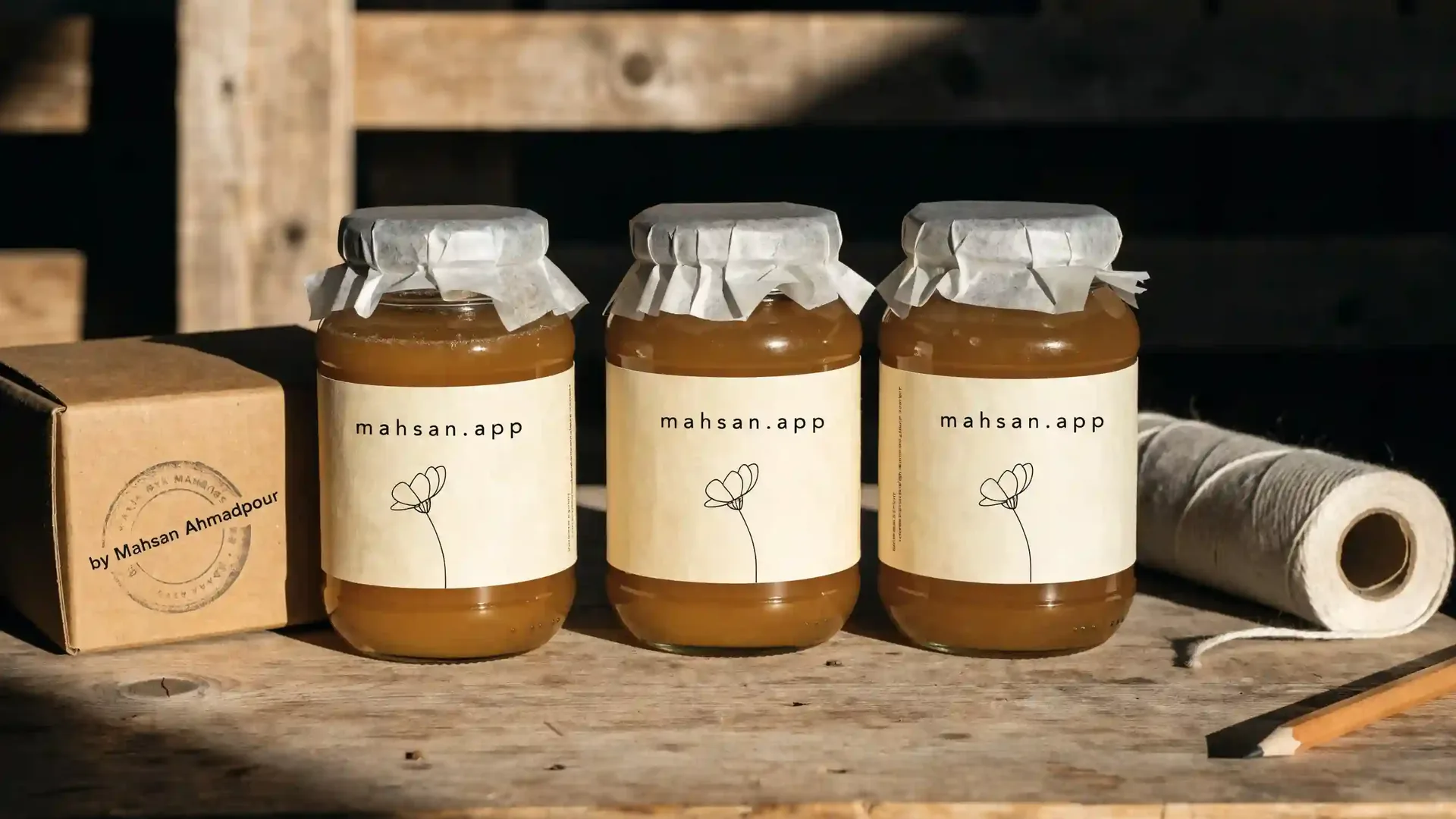
Placing a real product photograph in different settings for seasons, markets or campaigns.
Showing a product in context when a full location shoot is not possible.
Testing art directions before a real shoot, so the shoot day is spent on the chosen one.
Format versions for 16:9, 4:5 and square, with room for type.
Seeing the same product in different light and palettes to choose a direction.
Where it goes wrong
- Changing the product: wrong logo, extra buttons, altered proportions, invented texture, a different colour.
- Text and labels: packaging copy that becomes nonsense letters.
- Physics: shadows and reflections that do not match the scene; liquids and glass that behave strangely.
- Scale: a mug the size of a bucket, a ring that would not fit a finger.
- Hands and bodies when the product is worn or held.
- Sameness: every generated kitchen looking like the same generated kitchen.
A careful workflow
- Start from a real, well-lit photograph of the actual product, ideally on a plain background.
- Keep the product pixels as they are; generate or edit only the space around them, and composite the product back if the tool altered it.
- Write a short shot list with shared fixed elements for the series: light direction, palette, surface, lens feel.
- Match the light: the direction and softness of light on the product must agree with the scene.
- Check every image at full size against the real product: colour, logo, details, size.
- Retouch shadows, contact points and reflections by hand where needed.
- Record which images are generated or composited, and where they will be used.
Marketplaces and the law
Advertising rules in most countries prohibit images that mislead people about what they are buying, whether they were made with a camera, a filter or Gen AI. In 2021 the UK's Advertising Standards Authority ruled that beauty filters must not be applied to promotional images where they exaggerate the effect of a product; the same principle applies to generated images. Marketplaces have their own image rules too: Amazon, for example, requires the main image to show the actual product on a pure white background. Check the current rules of every platform you sell on, and label generated images where a platform or law requires it.
The product is the punctum
In product imagery, the generated scene is the setting, and the product is the detail the whole picture exists for. If the setting becomes the point, the image is selling a mood the customer cannot buy. Write prompts about the product's real qualities, its weight, finish and use, and let the background stay quiet enough for them to be seen.
Questions about AI Product Photography
Can I use AI for product photography?
Yes, especially for backgrounds, lifestyle scenes and variations, as long as the product itself is shown accurately. Start from a real photo of the product and check every result against it.
Is AI product photography allowed on Amazon?
Amazon's main image must show the actual product on a pure white background, and its image rules prohibit misleading images. Generated lifestyle or secondary images may be possible, but check Amazon's current image guidelines for your category.
Do I need to disclose AI-generated product images?
It depends on the platform and country. Some platforms require labels for realistic synthetic content, and advertising law requires that images not mislead. When in doubt, be open about it.
Will AI replace product photographers?
It changes the work rather than removing it. Someone still needs to photograph the real product well, decide the direction, match light, check accuracy and choose. Those are photography and art direction skills.
Photograph one object on a white sheet by a window. Generate three backgrounds for it in one consistent series, keeping the object untouched. Then compare each result at full size with the object in your hand and list every difference.
Sources and further reading
- UK Advertising Standards Authority, rulings on beauty filters in social media advertising, February 2021.
- Amazon Seller Central: product image requirements.
- U.S. Federal Trade Commission, Policy Statement on Deception, 1983.
- European Union, AI Act (Regulation (EU) 2024/1689), transparency obligations.
Words to describe AI Product Photography
Precise words for the qualities above. Combine a few of them instead of naming the style or artist alone.
- product photography
- packshot
- hero image
- lifestyle image
- background replacement
- compositing
- inpainting
- outpainting
- colour accuracy
- contact shadow
- reflection
- label
Fixed for the series: 'soft daylight from the left, pale limestone surface, sage and oat palette, 85mm feel, shallow depth of field'. Changing: 'beside a folded linen towel and a sprig of rosemary' / 'on a bathroom shelf with a small round mirror'. The bottle itself is composited from the real photograph each time.