Start with the shelf, or the doorstep
Ask where the package will be seen first. On a shop shelf it competes with others at a distance of a metre or two, so the brand, the product type and one distinctive element must read from there. Delivered by post, it is first seen in someone's hands, so the opening, the inside and the note matter more than the outside.
Doing a lot with a little
A standard jar, box or pouch with a well-designed label is the most affordable route and often looks better than a weak custom box.
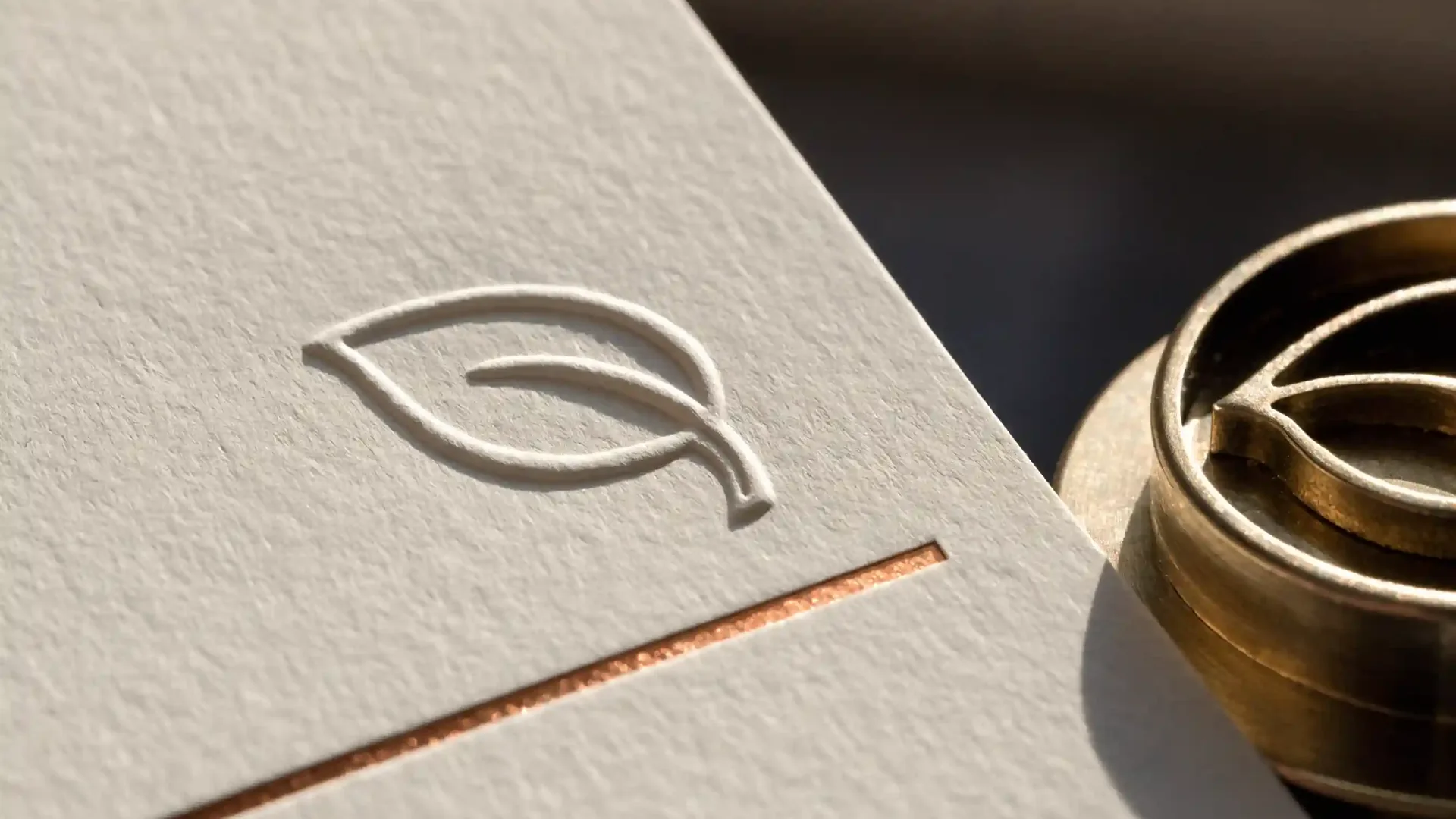
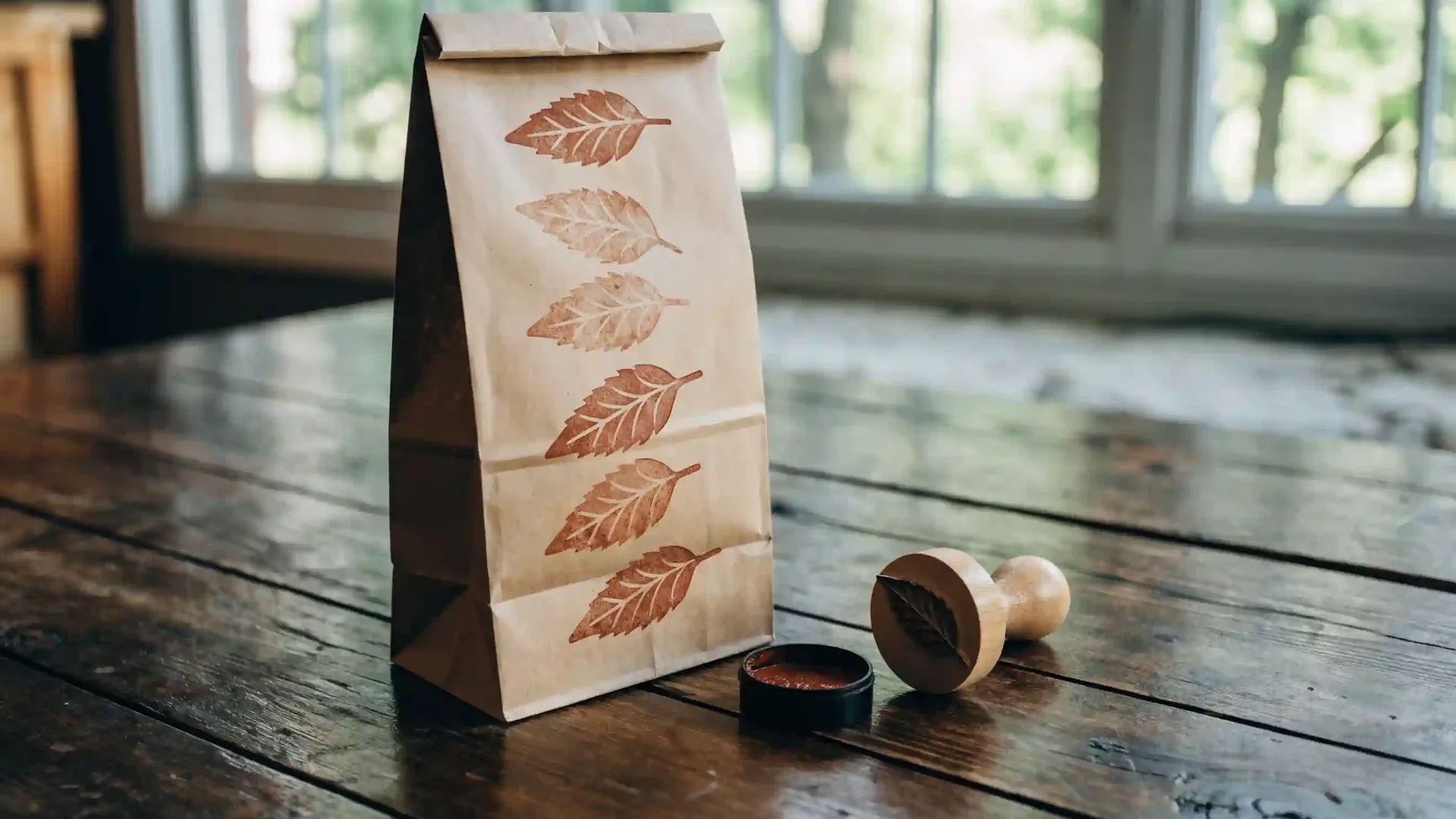
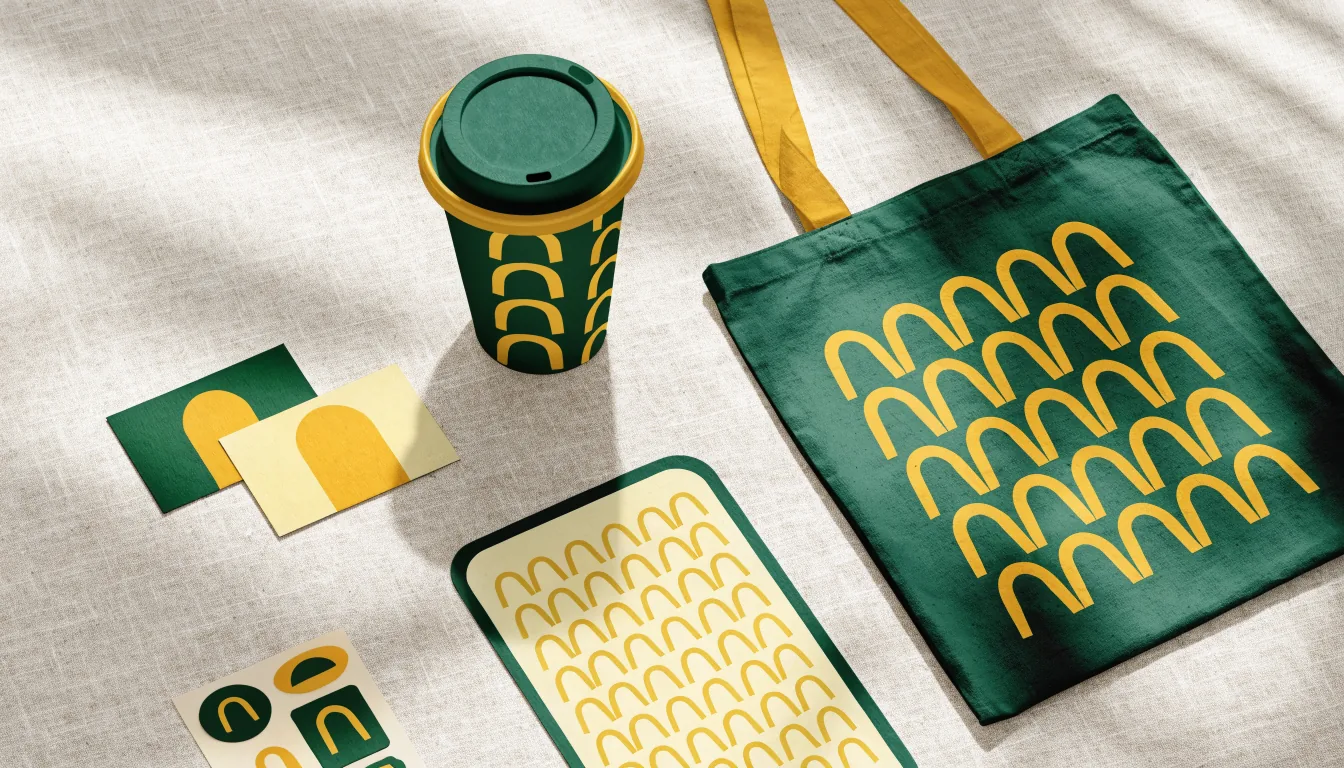
A rubber stamp on kraft boxes and a printed sticker can carry a brand with almost no setup cost.
Limiting the palette cuts print costs and usually makes a stronger, more recognisable pack.
Digital printing makes small quantities possible; offset printing becomes cheaper only at larger runs.
Design one layout that works across sizes and flavours by changing a colour or a word.
Technical basics
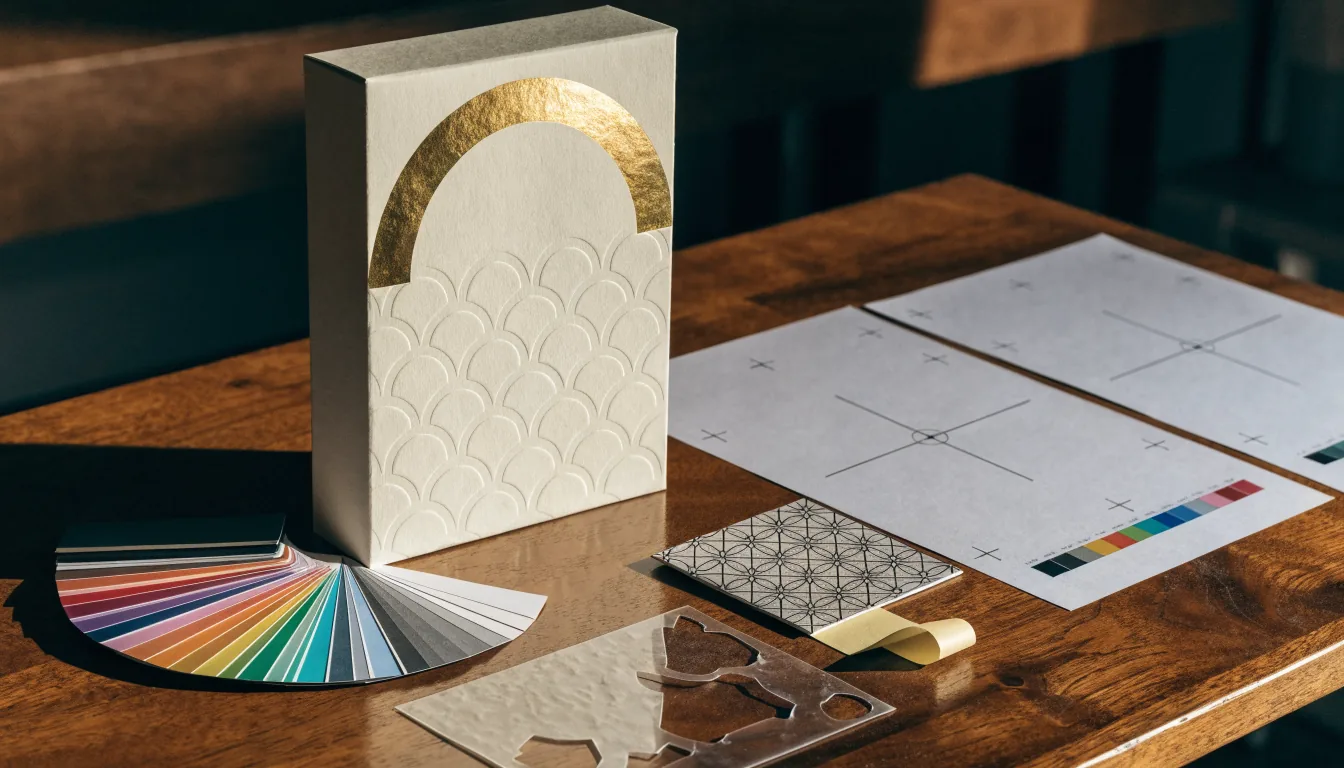
- Dieline: the printer's flat template showing cuts and folds. Always design on the printer's own dieline.
- Bleed: extend colour and images past the cut line, usually by about 3 mm, so no white edge appears.
- Colour: printing uses CMYK; a brand colour that must match exactly may need a spot colour such as a Pantone ink.
- Proofs: ask for a printed proof and check it in daylight, on the real material.
- Materials: kraft and recycled board, glass, tins and paper tape are common; certifications such as FSC indicate responsibly sourced paper.
What a label must say
Food, cosmetics, supplements, toys and electrical goods have legal labelling rules, such as ingredients, allergens, weights, warnings, the maker's address and batch numbers, and these differ by country and product. Check the current rules for your product and market before you design, and leave real space for them on the layout. A beautiful label that has to be covered with a sticker later is not finished.
The object tells the first story
Packaging is the correlative of a brand: the feeling is carried by a thing, not named. A heavy lid that closes softly says 'take your time'; a hand-tied string says 'someone made this'. Decide the one sentence the package should say without words, then let the material, weight and opening say it.
Questions people ask
How can a small business afford custom packaging?
Start with stock containers and design a strong custom label, sticker or stamp. Use one or two colours, print digitally in small runs, and invest in custom boxes only when volumes justify it.
What should be on a product label?
The brand, the product name and type, and any legally required information for that product and country, such as ingredients, weight, warnings and the maker's address. Check the current local rules.
What is a dieline?
A flat template from the printer or packaging supplier showing the exact size, cut lines and folds of a package. Designs should always be placed on the supplier's dieline.
Is eco-friendly packaging more expensive?
Sometimes, but not always. Simple recycled or kraft materials, less packaging overall and avoiding mixed materials can be both cheaper and easier to recycle.
Take one product you love from a small brand. Describe its packaging only through touch and sound: weight, texture, how it opens, what you hear. Then write the one sentence you think the brand wanted it to say.
Sources and further reading
- Marianne Rosner Klimchuk and Sandra A. Krasovec, Packaging Design: Successful Product Branding from Concept to Shelf, Wiley, 2nd edition, 2012.
- Forest Stewardship Council (FSC): certification and labels.
- Pantone: spot colour and the Pantone Matching System.
The words to describe it
Precise words for the qualities above. Combine a few of them instead of naming the style or artist alone.
- packaging
- label
- dieline
- bleed
- CMYK
- spot colour
- kraft
- proof
- short run
- unboxing
- FSC
- stock packaging
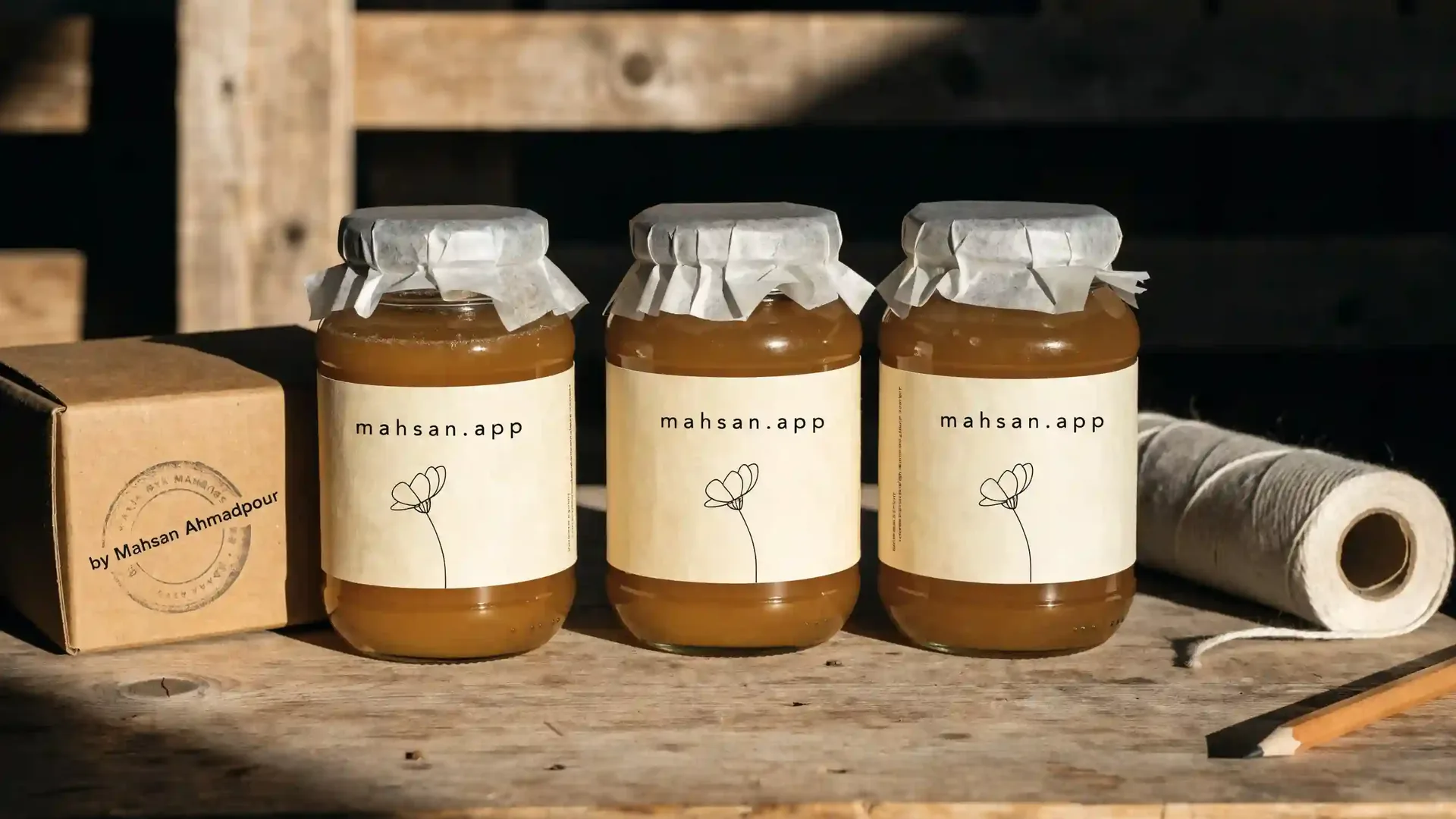
A small honey brand: plain glass jars, a cream paper label with the place name in a large serif and the flower in a single line drawing, the batch and date handwritten in pencil on the back, and a strip of paper tape over the lid.