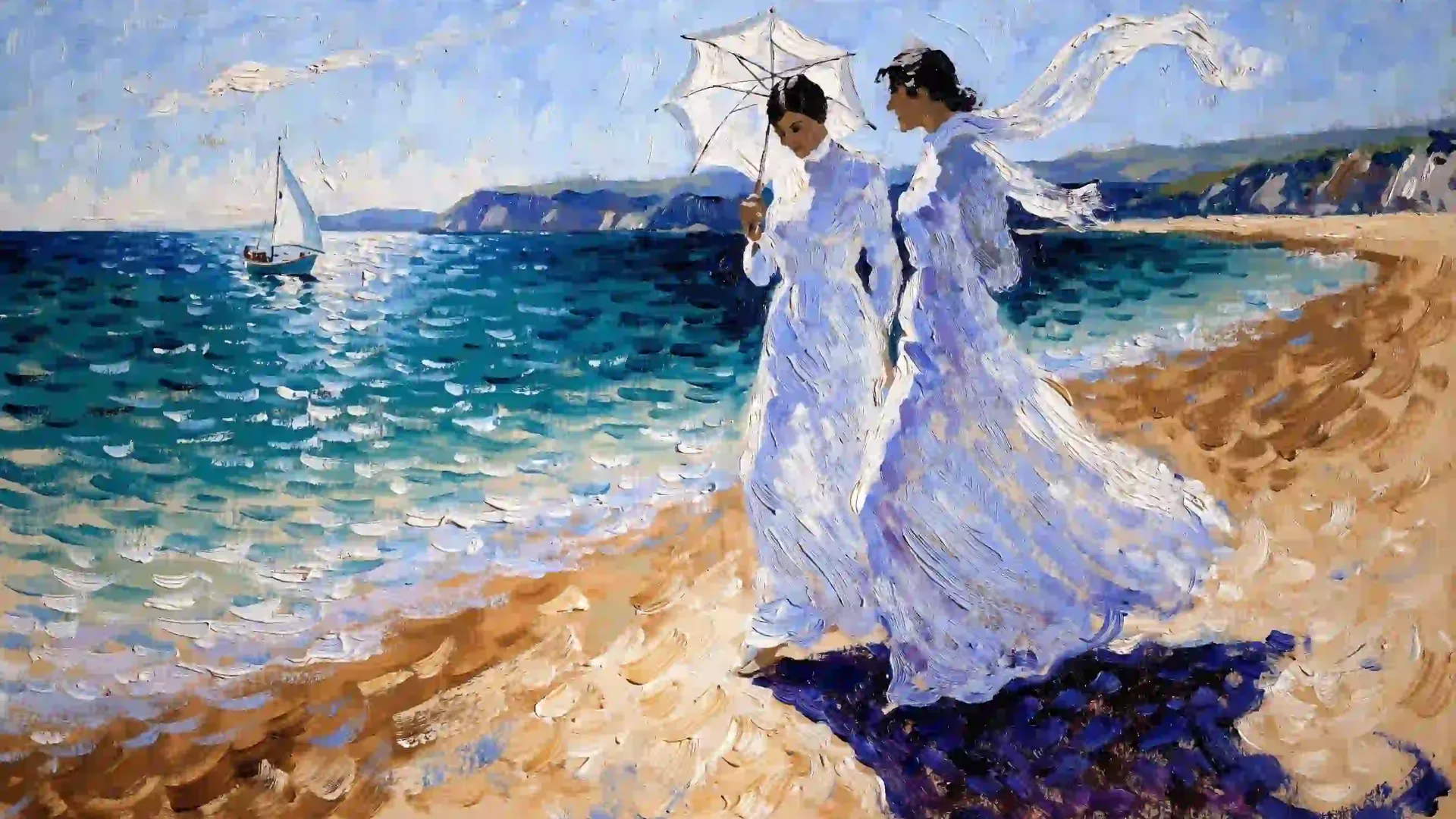
Chasing the Mediterranean sun
Joaquín Sorolla was born in Valencia in 1863 and orphaned at two. He trained locally and in Rome, and first won fame with large social realist paintings. In Paris he saw the work of Bastien-Lepage and the Scandinavian painters of light, and turned toward painting outdoors.
From the 1890s his great subject became the beaches of Valencia: fishermen, oxen pulling boats from the surf, children bathing, women in white walking along the shore. He painted on very large canvases directly on the sand, fighting the wind and changing light. In 1909 an exhibition in New York sold almost two hundred works and made him internationally famous.
From 1911 to 1919 he painted Vision of Spain for the Hispanic Society in New York, fourteen enormous murals of the regions of Spain. A stroke in 1920 ended his career. His house and studio in Madrid is now the Museo Sorolla, with its Andalusian-style garden he designed himself.
Visual anatomy of Joaquín Sorolla
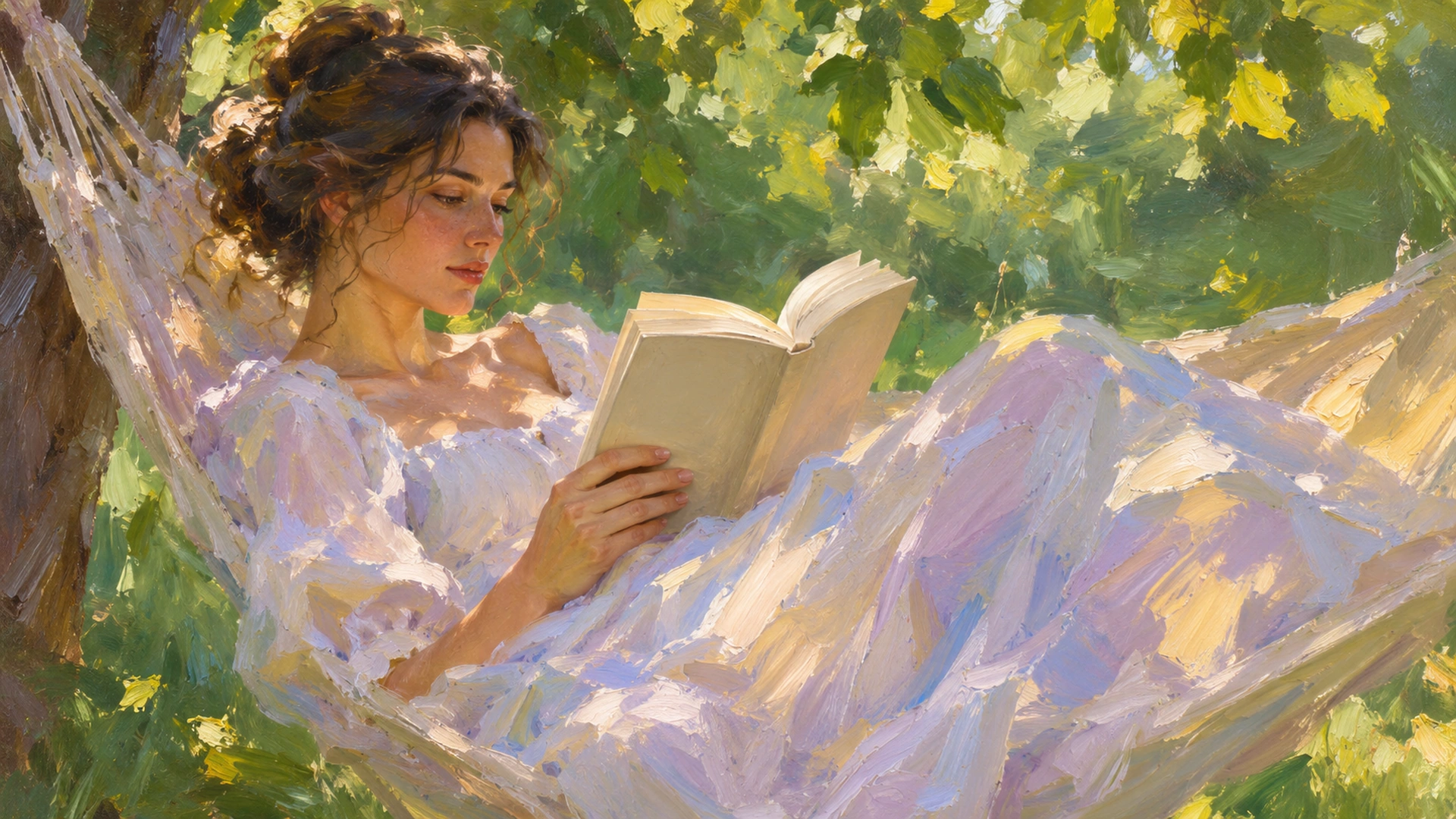
High Mediterranean sun, hard and bright, bouncing off water, sand and white cloth.
Shadows full of colour: violet, blue and lilac on white, never grey or black.
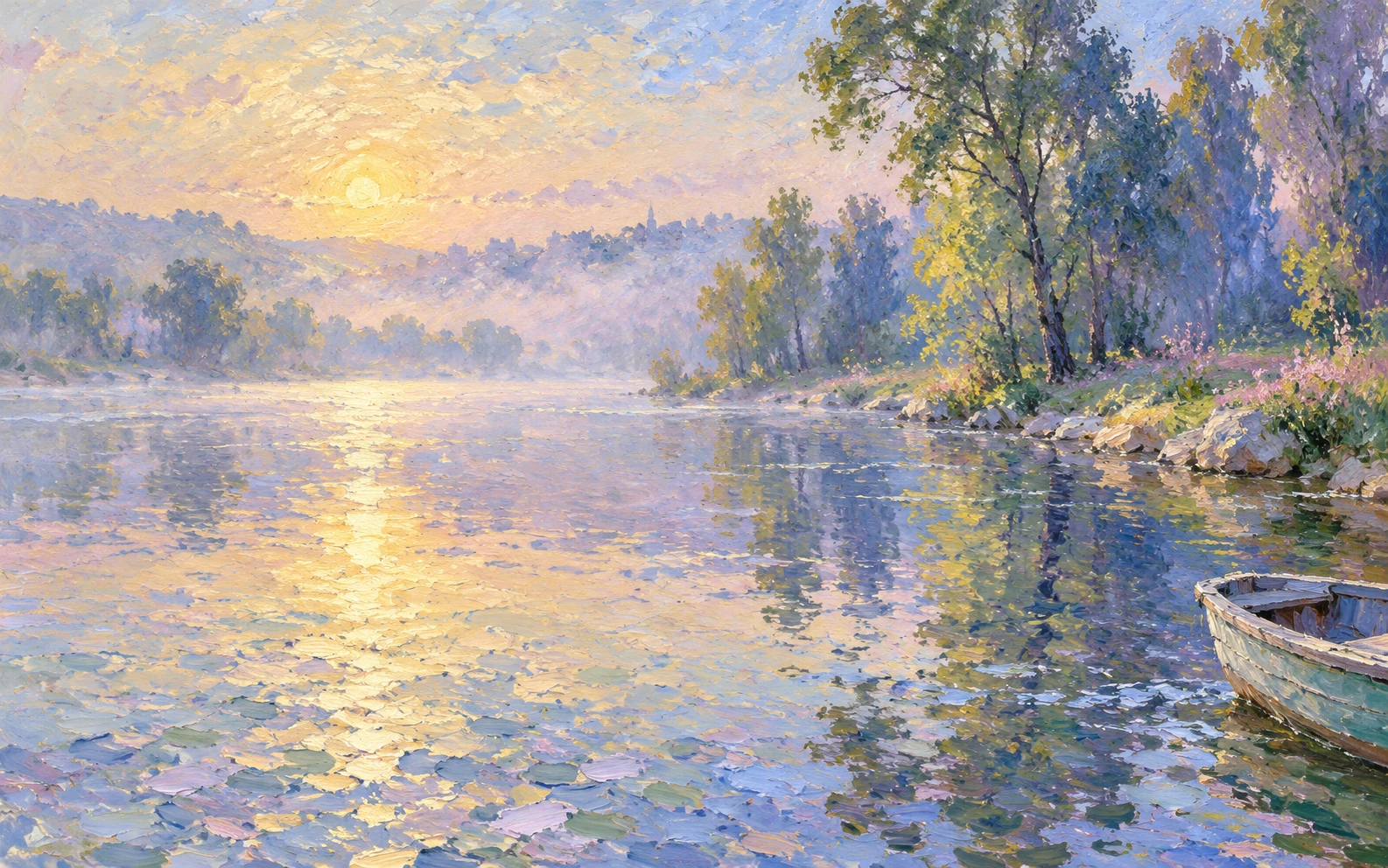
Broken reflections in quick strokes; wet skin and cloth catching flashes of sky.
Long, fast, loaded strokes, often following the form; painted outdoors at full scale.
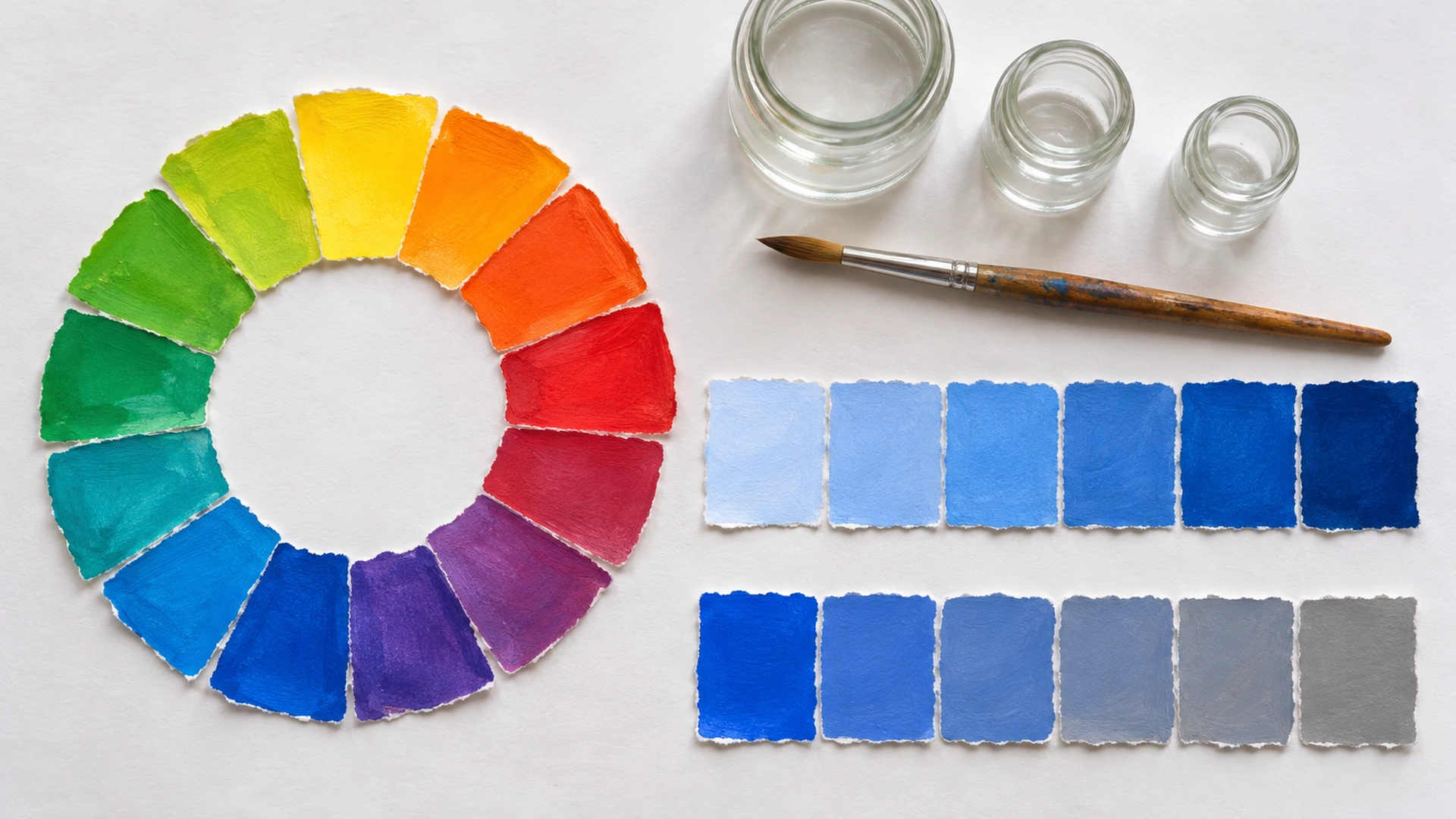
Whites, sea blues and turquoise, warm sand ochres, flashes of pink skin.
Bathers, children, fishermen, boats, gardens, family; everyday life in sunlight.
Words around Sorolla
A term used in Spain for painting dominated by the effects of natural light; Sorolla is its central figure.
Shadows tinted by the sky and reflected light instead of darkened.
Painting outdoors in front of the subject.
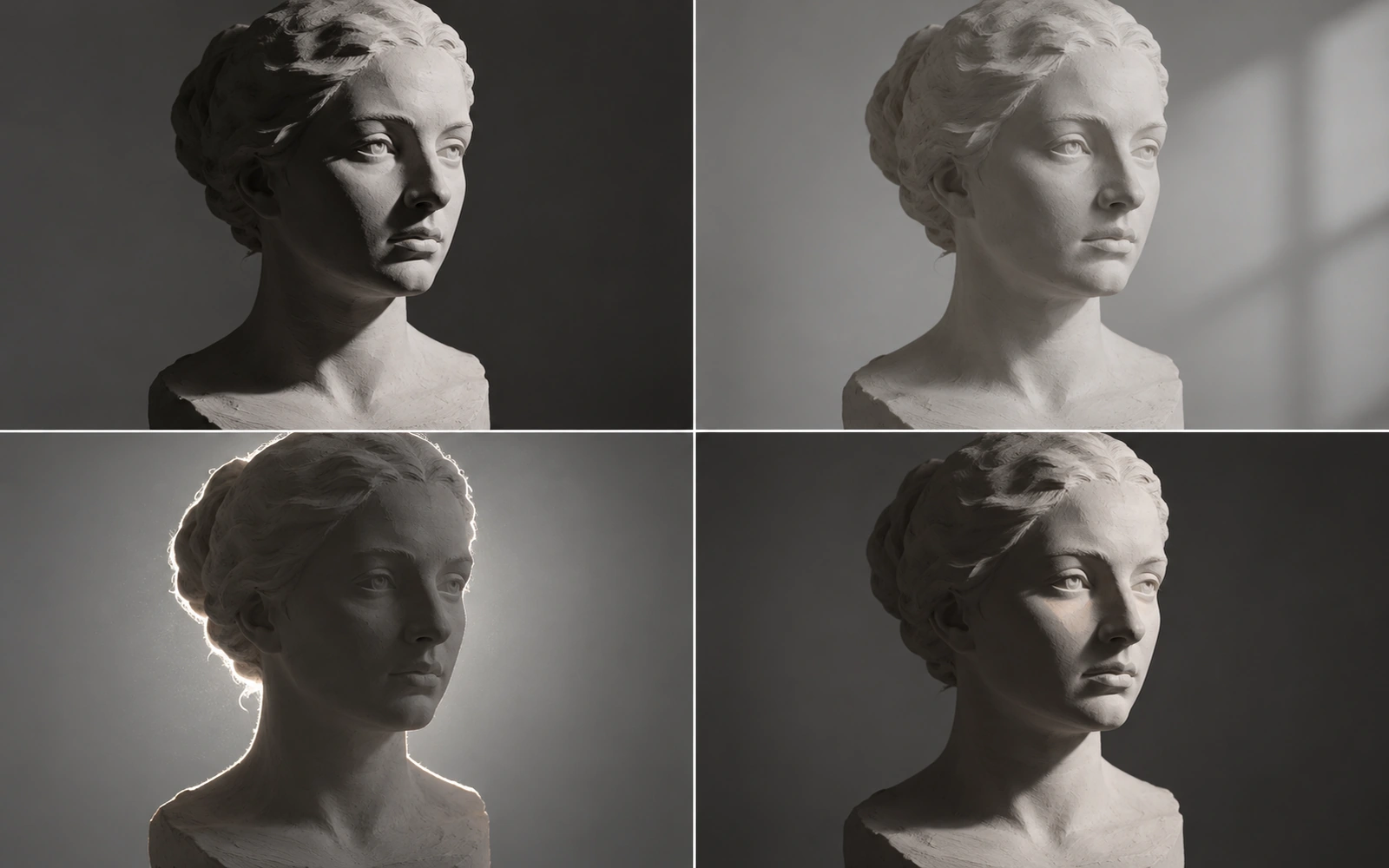
Painting against the light, with the sun behind the subject.
How to recognize Joaquín Sorolla's work
- Bright beach scenes with blinding white sunlight.
- White linen and sails with violet and blue shadows.
- Children or bathers with wet, shining skin.
- Fast, long brushstrokes that follow water and fabric.
- Turquoise sea broken into flickering reflections.
Where people get it wrong
Sorolla is often filed under French Impressionism. He knew it, but his roots are in Spanish realism and Velázquez, with solid figures and strong drawing; his light is harder and more southern. He is also not only a beach painter: his portraits, gardens and the Vision of Spain murals are major works.
Words to describe Joaquín Sorolla
Words for what you see and feel in this work. They are for describing and understanding, not a recipe for copying an artist.
- Mediterranean sunlight
- coloured shadows
- violet shadow on white linen
- wet shining skin
- broken turquoise reflections
- high noon light
- loaded brushstrokes
- plein air
- contre-jour
- white sails
- Valencia beach
- luminism
Two women in long white dresses walking along a Mediterranean shore at noon, one holding a white parasol, the sea wind lifting a sheer veil, the dresses glowing violet and blue in their shadows, the turquoise water broken into quick flickering strokes, warm ochre sand, painted outdoors with long, loaded brushstrokes.
What to learn from Joaquín Sorolla
- Paint white with the colours of the sky in its shadows.
- Describe the reflection, not the water: broken, flickering, turquoise.
- Name the hour: high noon gives short shadows and hard light.
- Use wet surfaces to multiply light: skin, sand, cloth.
Questions about Joaquín Sorolla
Why is Sorolla called the painter of light?
Because sunlight is the real subject of his best-known work. He captured the hard Mediterranean light on water, sand, skin and white cloth with coloured shadows and fast strokes, painting outdoors and at large scale.
Where can I see Sorolla's paintings?
The Museo Sorolla in Madrid, his former house and studio, has the largest collection. The Hispanic Society in New York holds the Vision of Spain murals, and the Prado and Valencia's Museo de Bellas Artes also have major works.
What is the difference between Sorolla and Sargent?
Both were friends and painters of light with confident brushwork. Sargent worked mostly in portraits for high society and in watercolour; Sorolla's light is harsher and sunnier, and his central subject is everyday life on the Mediterranean coast.
Find Sorolla's Walk on the Beach. Describe only the shadows on the two white dresses: their colours, their edges and where the light bounces into them. Then describe the same scene at dusk in one sentence.
Sources and further reading
- Museo Sorolla, Madrid: collection and house museum.
- Hispanic Society Museum & Library, New York: Vision of Spain.
- Blanca Pons-Sorolla, Joaquín Sorolla, Philip Wilson, 2005.
- National Gallery, London: Sorolla: Spanish Master of Light, exhibition catalogue, 2019.