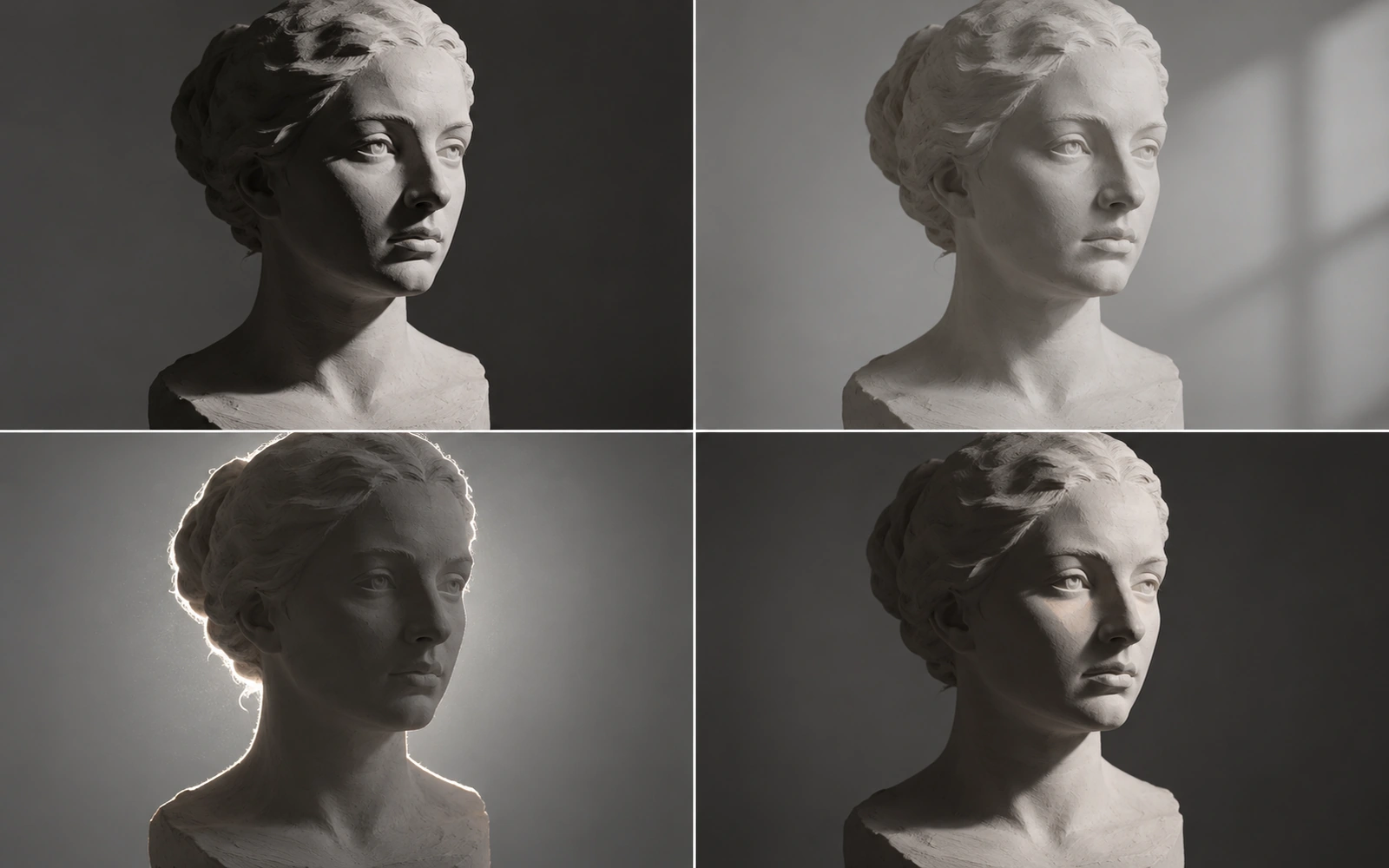
Light decides the mood
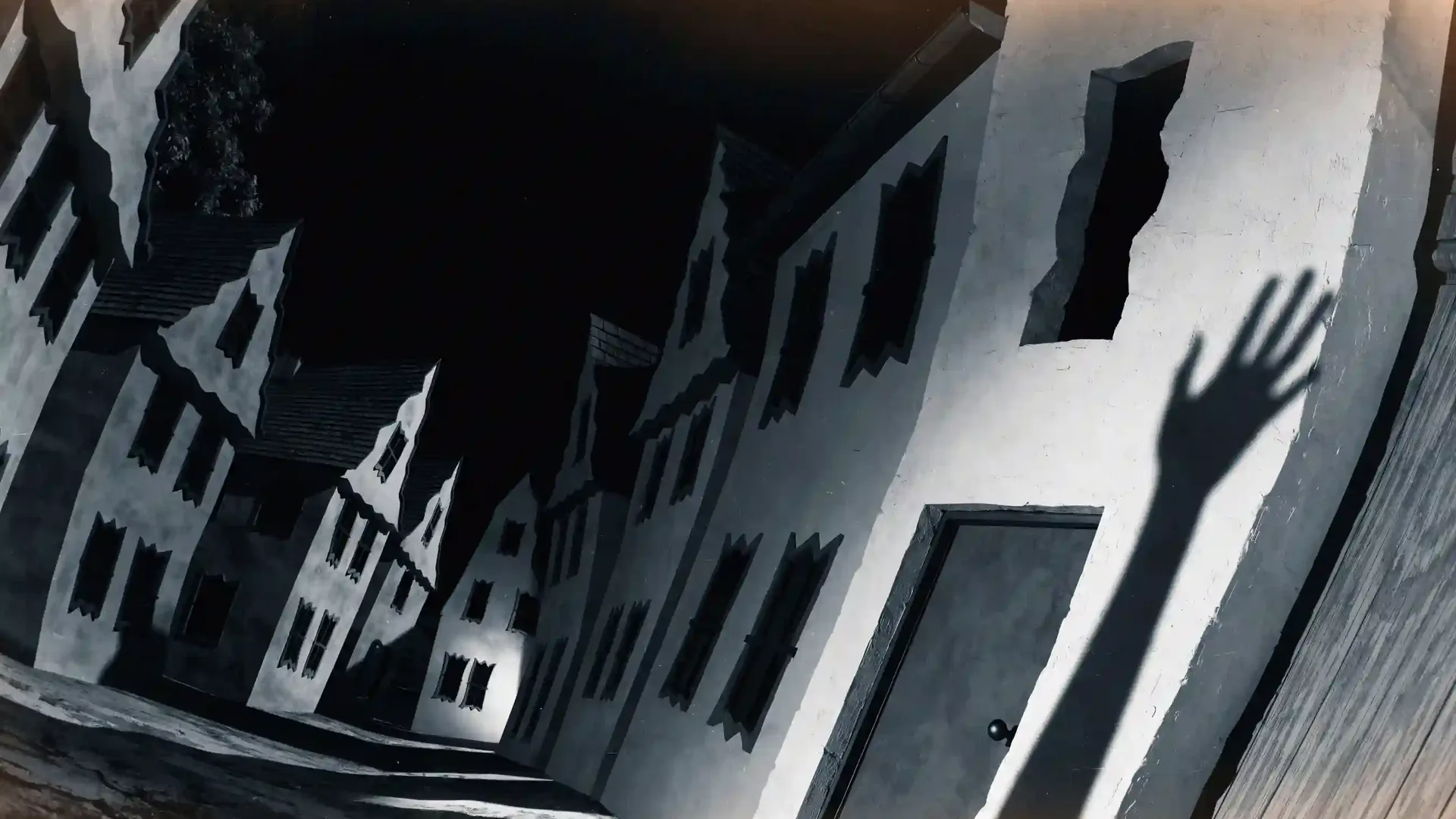
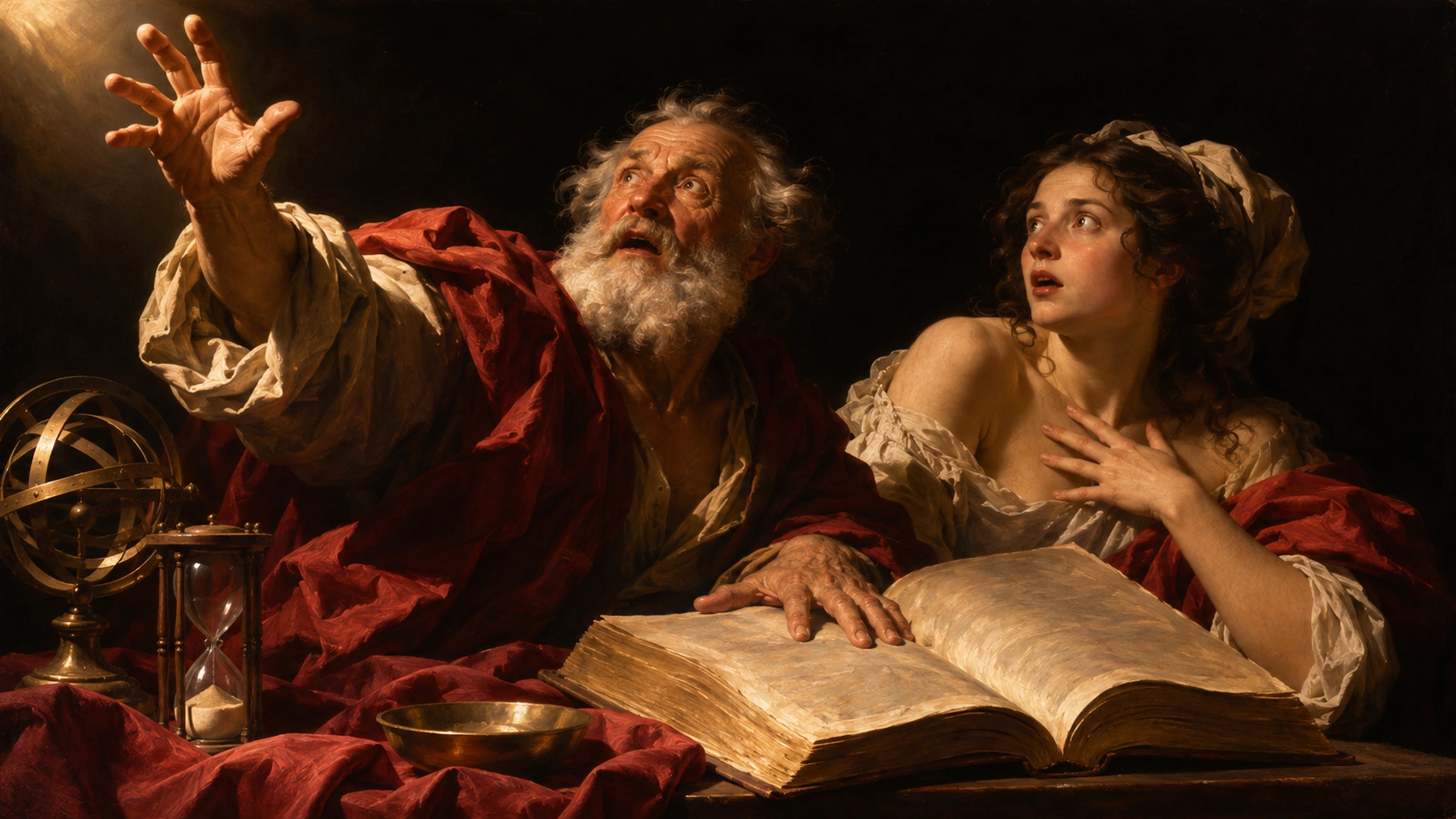
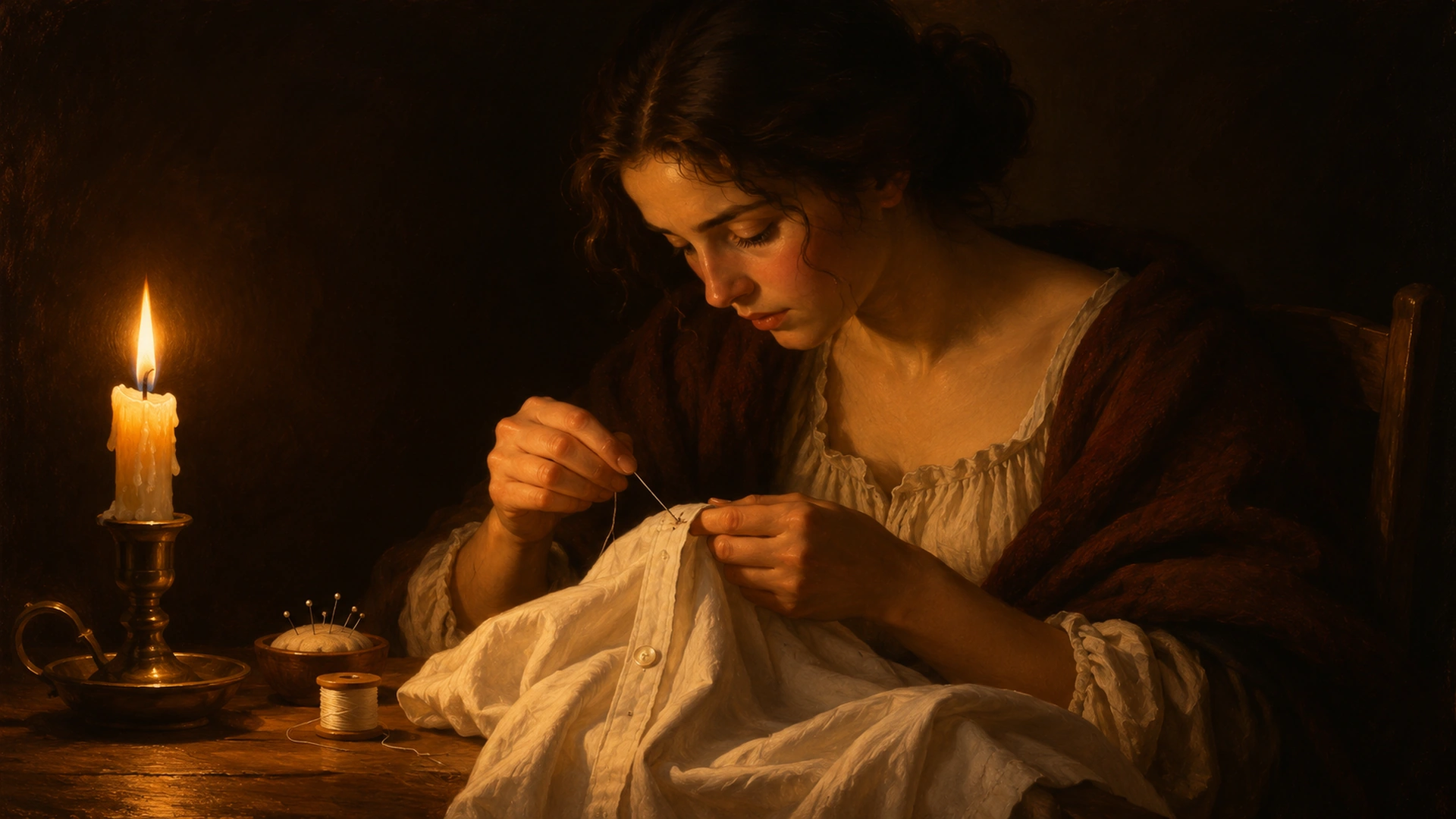
Light is the first thing that changes how an image feels. The same face lit softly from a window and lit hard from below becomes two different people. Painters such as Caravaggio and Rembrandt built drama from light long before photography; film and portrait photography later named the setups.
These terms are also the most effective words in image and video prompts. 'Soft window light from the left, warm rim light, dark background' gives far more control than 'beautiful lighting'.
Basic setup
The main light that shapes the subject.
A softer light that lifts the shadows created by the key.
Light from behind that outlines the edges and separates the subject from the background.
Key, fill and rim together: the classic, balanced portrait setup.
A lamp, candle or screen visible in the frame that also lights the scene.
Quality and direction
A small, direct source with sharp, defined shadows: midday sun, a bare bulb.
A large or diffused source with gentle shadow edges: overcast sky, a window.
Light from one side that reveals texture and splits the face into light and shadow.
Light from above; dramatic, with shadows under eyes and nose.
Light from below; unnatural, eerie, theatrical.
Subject in front of a bright background, appearing as a dark shape.
Portrait patterns
A small triangle of light on the shadow-side cheek; classic and painterly.
Light high and in front, casting a small shadow under the nose; glamour.
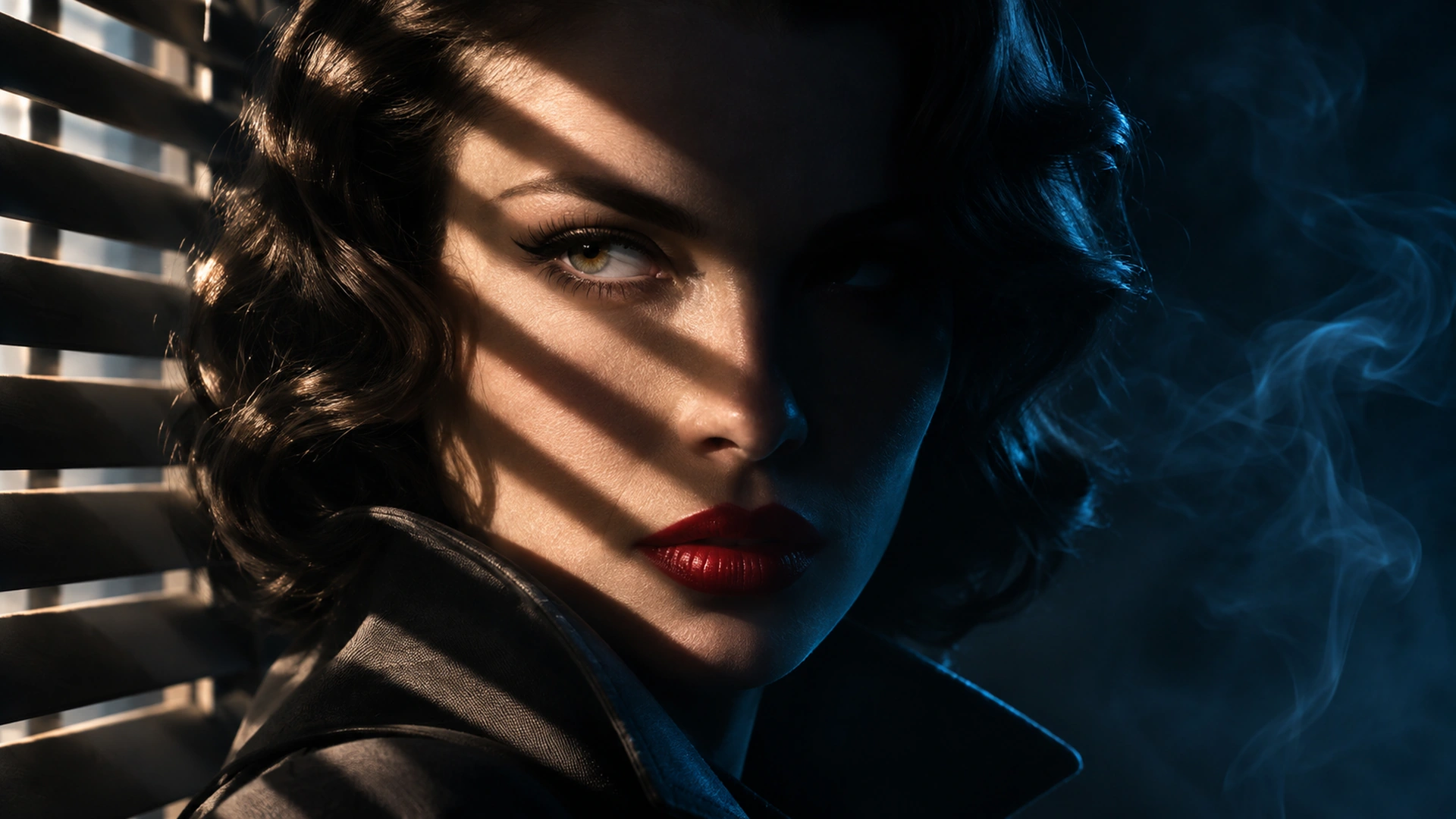
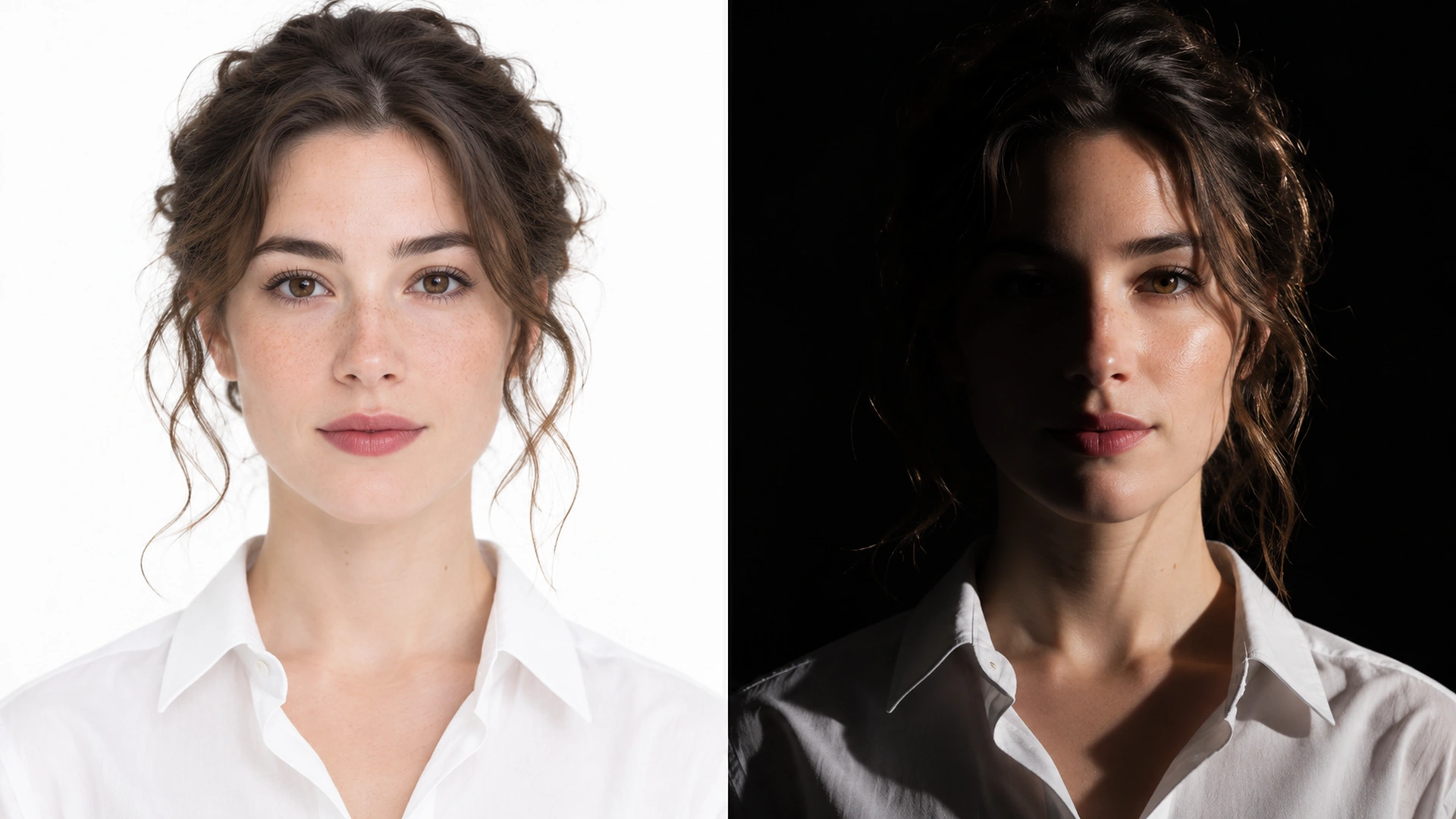
Half the face lit, half in shadow; tension and mystery.
A small shadow of the nose loops down toward the cheek; natural and flattering.
Mood and color
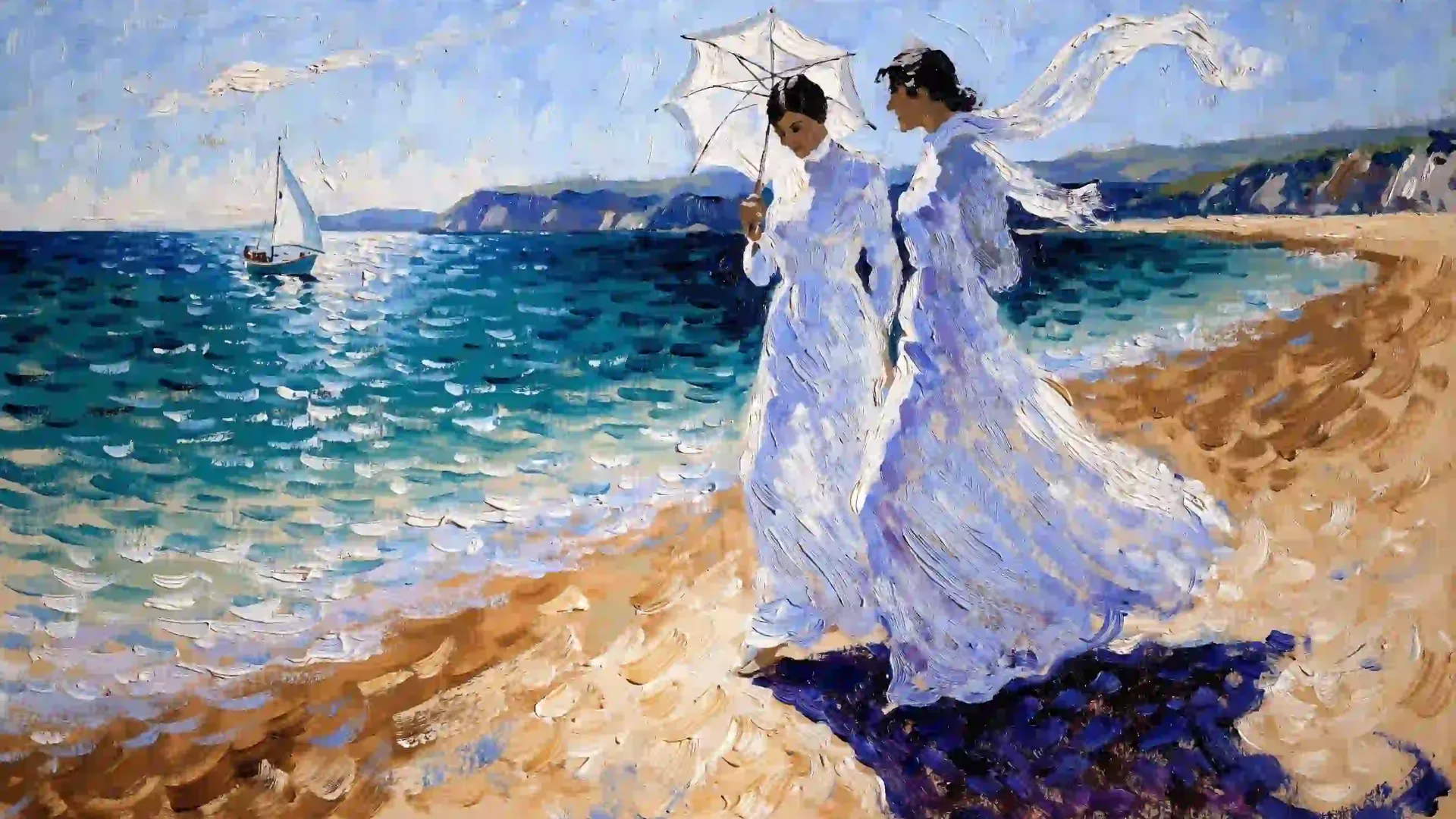
Bright, low-contrast images with few shadows; light, clean, optimistic.
Mostly dark with strong contrast; dramatic, mysterious.
Strong contrast of light and dark that models form, as in Baroque painting.
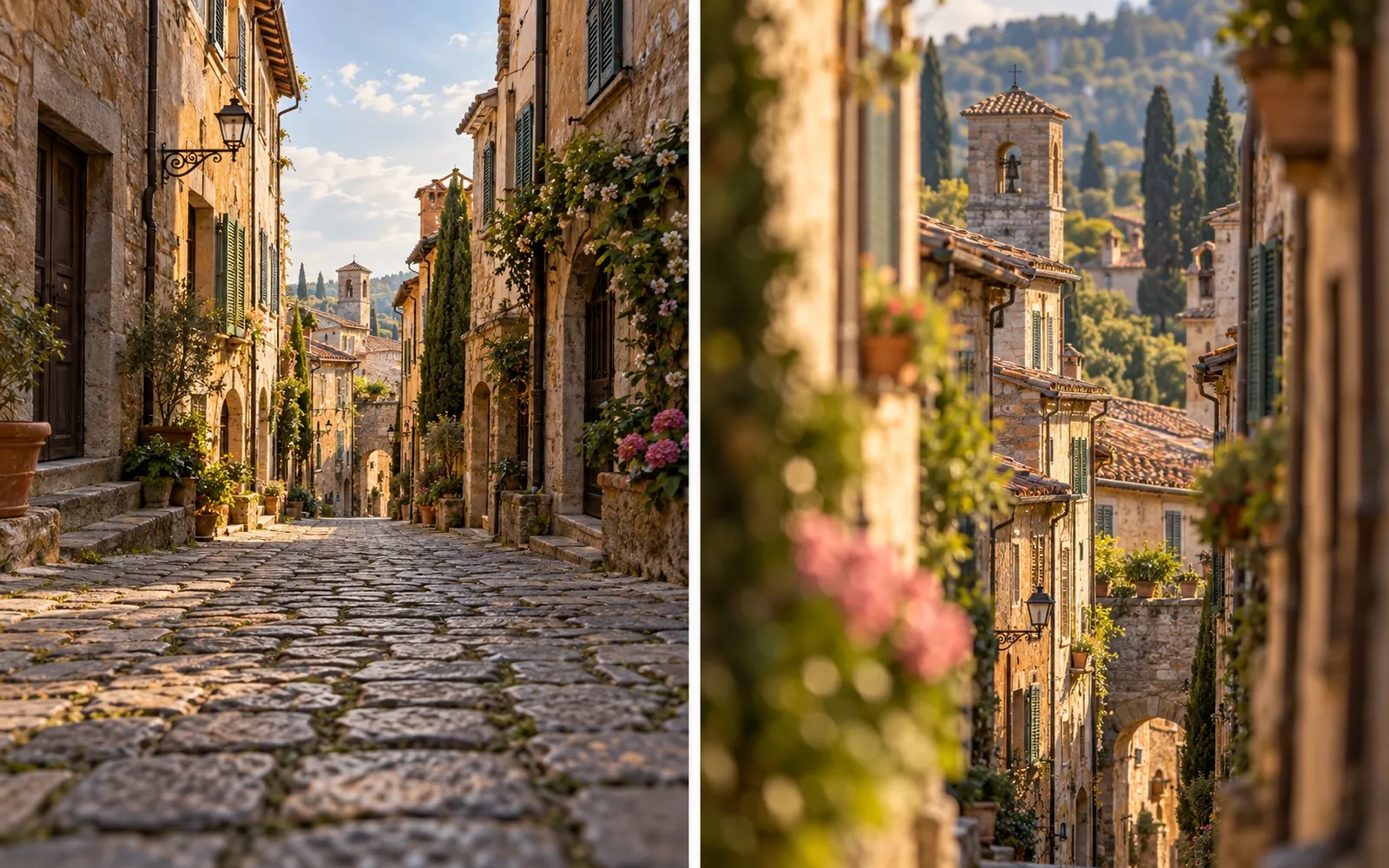
The warm, low light shortly after sunrise and before sunset.
The cool, soft twilight just before sunrise and after sunset.
Visible beams of light through dust, fog or smoke ('god rays').
Words to describe lighting
Precise words for the qualities above. Combine a few of them instead of naming the style or artist alone.
- soft window light from the left
- warm rim light
- Rembrandt lighting
- hard midday sun
- low-key dramatic lighting
- high-key bright and airy
- chiaroscuro contrast
- golden hour backlight
- blue hour twilight
- volumetric god rays
A portrait in a dark room lit by a single soft window light from the left, a small Rembrandt triangle on the shadowed cheek, a faint warm rim light separating the hair from the black background, deep low-key shadows.
How to describe lighting in words
- Say where the light comes from and how big the source is.
- Describe the shadows: sharp, soft, deep, filled.
- Add color temperature: warm tungsten, cool daylight, neon.
Where people get it wrong
'Good lighting' is not more light. Often the strongest images come from removing light and letting shadow shape the subject. And soft light is not always better; hard light gives graphic drama.
Questions about lighting
What is lighting?
The words for where light comes from, how hard it is, what color it has and what it does to a face or a scene, from three-point lighting to chiaroscuro.
How do you describe lighting in words or a prompt?
Say where the light comes from and how big the source is. Describe the shadows: sharp, soft, deep, filled. Add color temperature: warm tungsten, cool daylight, neon.
Photograph or observe the same object at a window at three times of day. Describe each image with three terms: direction, quality and color of light.