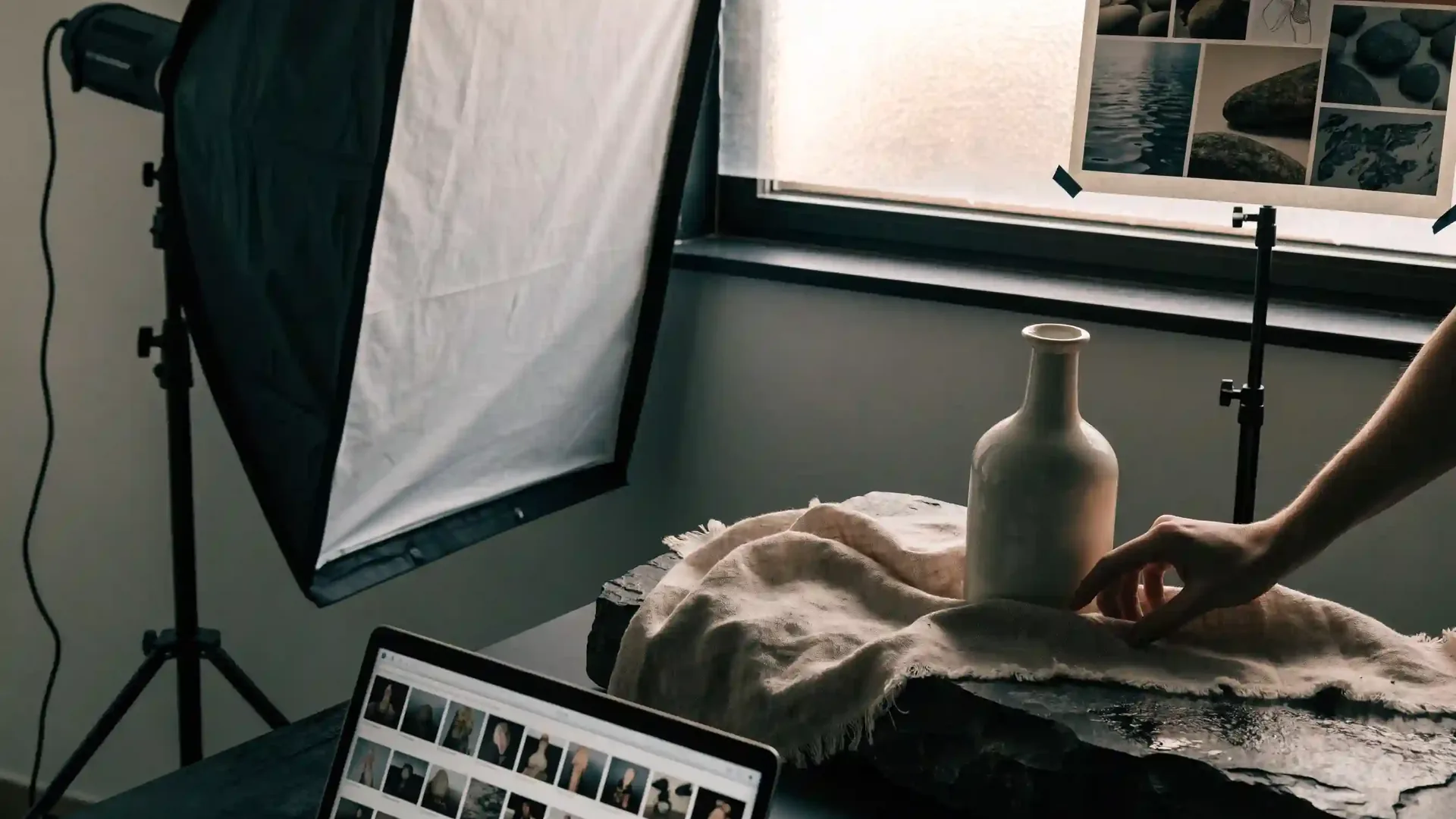
What art direction is
Art direction is the visual leadership of a project. It turns a brief and an idea into a look: the light, colour, casting, styling, set, composition, typography and pace, and then guides the people making each part so the whole speaks with one voice.
It exists in advertising, magazines, film and television, games, music, packaging, websites and now Gen AI image production. The tools differ; the job is the same: decide, explain, protect.
What an art director decides
How an idea becomes something visible: the one image or treatment that carries it.
Palette, light, texture, type and composition rules for the whole project.
Casting, styling, locations and sets, with the photographer, stylist and set designer.
Selecting the frame, the take, the generated variant; what to keep is as important as what to make.
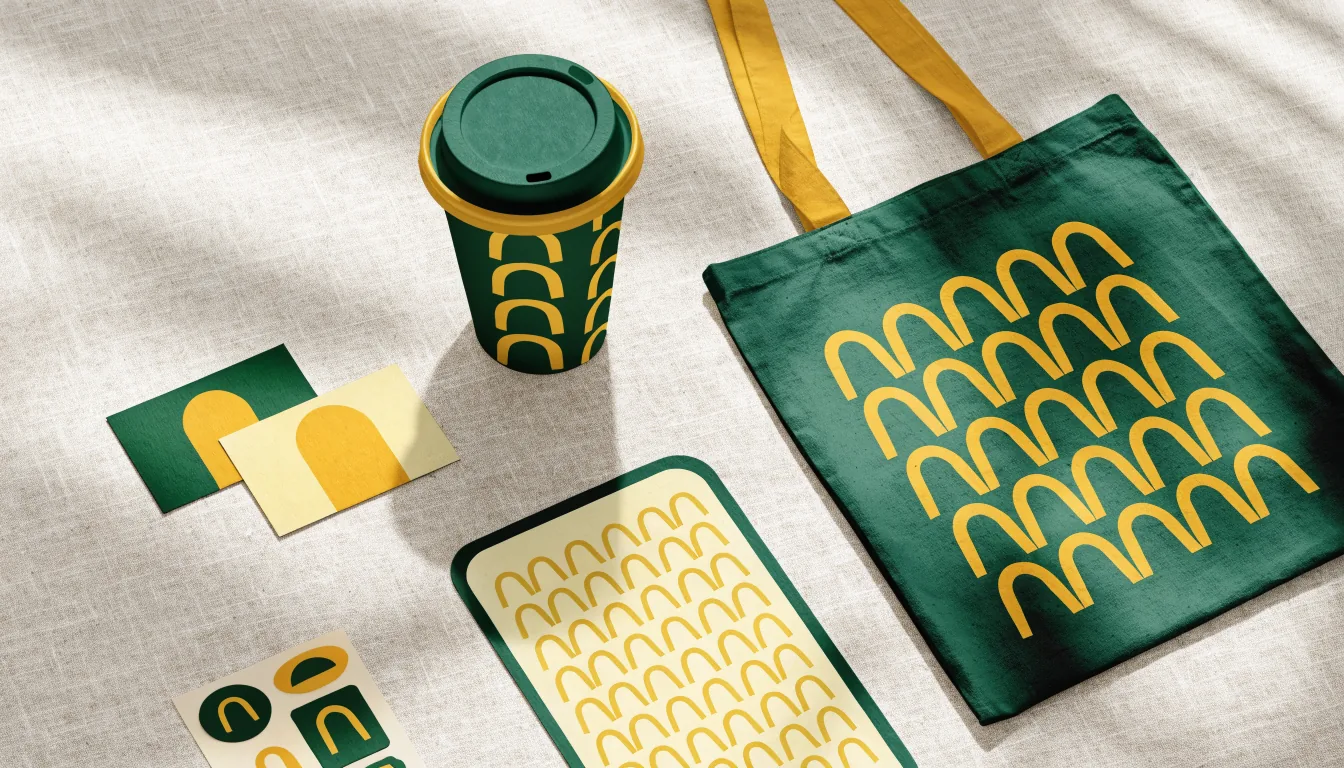
Making a campaign, a series or a brand look like one family across formats.
Writing and speaking the direction so others can carry it out without you in the room.
Art direction and design
A graphic designer mainly solves communication on the page: layout, type, hierarchy, systems. An art director decides the overall visual idea and directs a team that may include designers, photographers, illustrators, animators and, now, people generating images. In small teams one person often does both.
In film, the art director works under the production designer and looks after the physical world of the story: sets, props, locations. In advertising and editorial work, the art director is usually paired with a copywriter, image and words developed together.
Skills that matter
- Seeing: noticing exactly why one image works and another does not.
- Taste with reasons: being able to explain a choice, not only make it.
- Visual culture: knowing art history, photography, film and design well enough to borrow precisely.
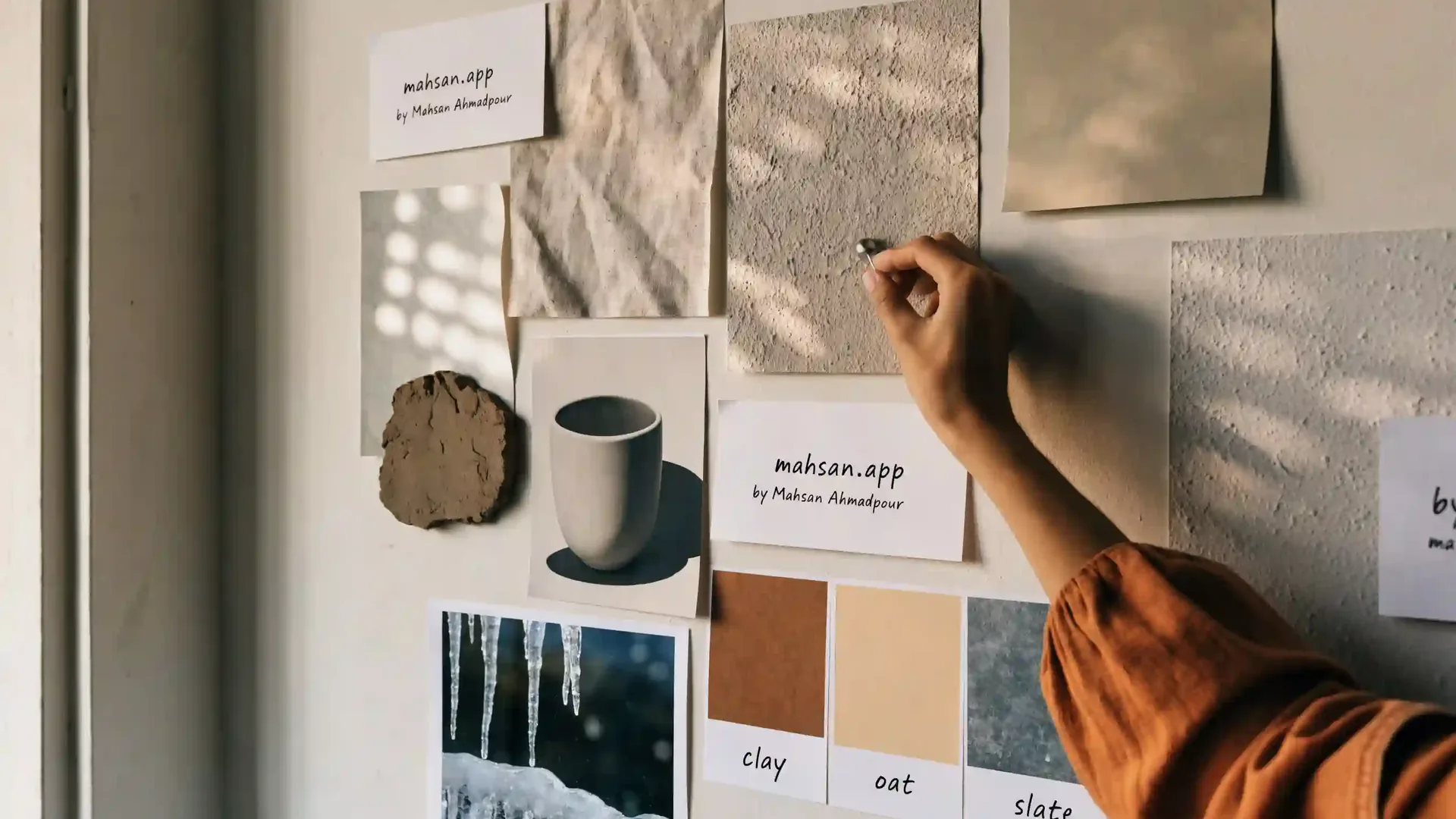
- Writing: briefs, moodboard captions, shot lists and prompts that others can act on.
- Editing: choosing fewer, better images.
- Collaboration: directing people without doing their job for them.
Direction is a kind of writing
Much of an art director's work happens in words: a brief, a caption under a reference, a note on a shot, a prompt. 'Warmer' is a mood; 'the warmth of late sun on a plaster wall, not candlelight' is direction. With Gen AI, this has become even clearer: the person who can say precisely what they mean directs the image.
Questions about art direction
What does an art director do?
An art director decides the visual concept and look of a project and guides the team that makes it, from photographers and designers to illustrators, set builders and people generating images, so the final work is coherent and on brief.
What is the difference between an art director and a creative director?
A creative director leads the overall creative vision across a team, a campaign or a brand, both words and visuals. An art director focuses on the visual side and often works under a creative director, usually in partnership with a copywriter.
Is art direction needed for Gen AI images?
Yes. Generating images is fast; deciding what they should look like, choosing among them and keeping a series consistent and appropriate is art direction.
Pick one campaign or film still you admire. Write five sentences of direction for it as if you were briefing a photographer: light, colour, casting, styling and composition. Each sentence should say what to do and one thing to avoid.
Sources and further reading
- D&AD, resources on art direction and the art director–copywriter partnership.
- Steven Heller and Véronique Vienne, Art Direction Explained, At Last!, Laurence King, 2009.
- Art Directors Club / The One Club for Creativity.
- Ellen Lupton, Design Is Storytelling, Cooper Hewitt, 2017.
Words to describe art direction
Precise words for the qualities above. Combine a few of them instead of naming the style or artist alone.
- art direction
- art director
- visual language
- treatment
- concept
- casting
- styling
- set design
- selection
- consistency
- shot list
- creative direction
Direction note for a skincare shoot: 'Morning bathroom light from one frosted window, skin left real with texture, one product only, wet stone and pale linen, the hand in motion, never posed; avoid gloss, avoid white seamless.'