Art made now
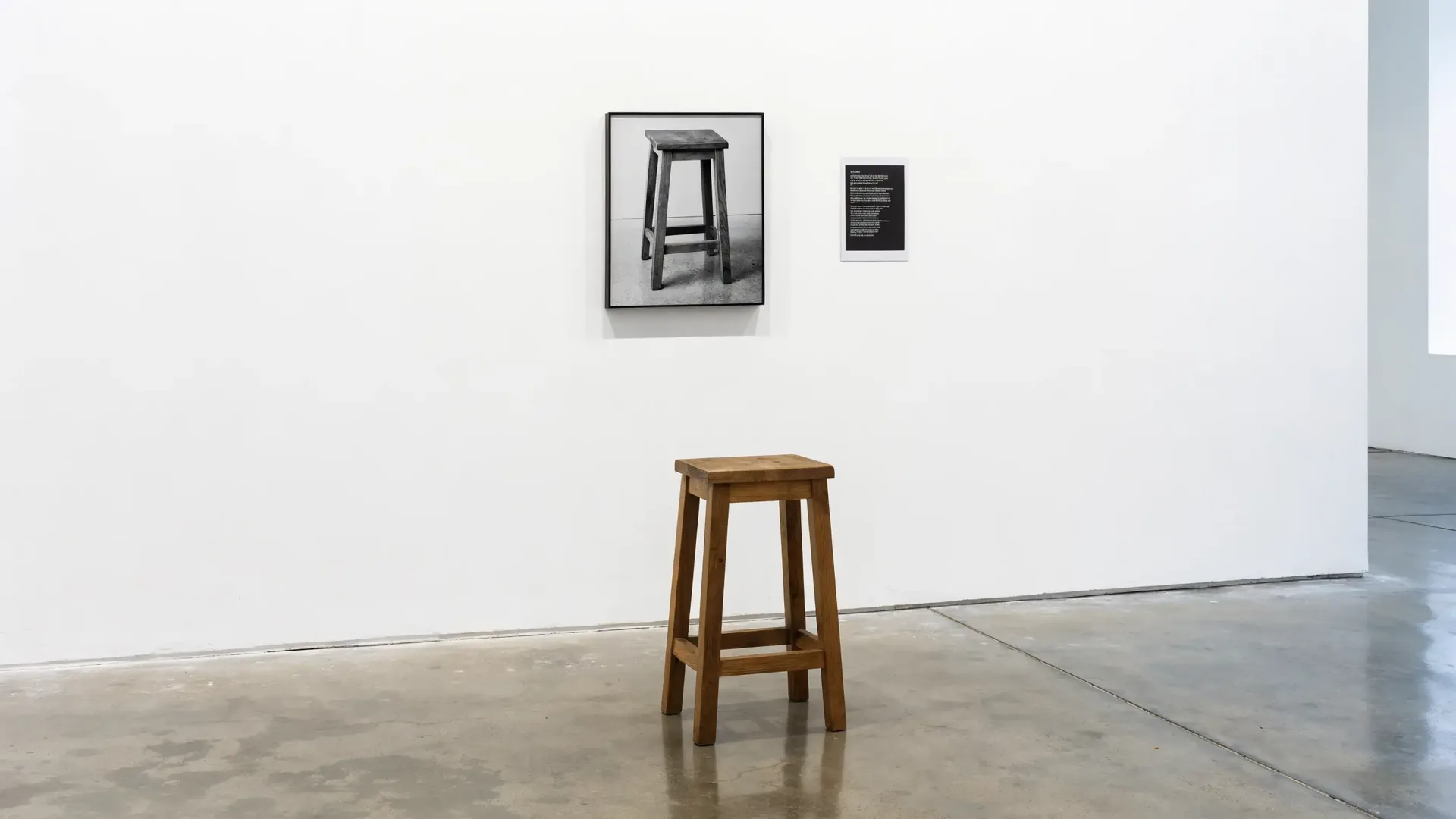
Contemporary art usually means art made from around the 1970s to today. It follows Modern art, the period of movements like Impressionism, Cubism and Abstract Expressionism. Instead of one dominant style, it is a field of many approaches, where artists choose any medium, from painting to video, sound, performance, light, data or everyday objects, to serve an idea.
Biennials, art fairs and the internet made it global: artists such as Yayoi Kusama, Olafur Eliasson, Shirin Neshat, Ai Weiwei, Kara Walker and El Anatsui work across countries and media. Many works are immersive installations, site-specific pieces or projects that involve the audience, and many deal with identity, politics, technology, memory and the environment.
Visual anatomy of Contemporary Art
The concept often leads; the form is chosen to carry it.
Whole rooms or spaces turned into the artwork.
Video, photography, performance, sound, light, digital and found objects, often mixed.
Viewers walk through, take part, or complete the work.
Works made for a specific place, outdoors, in cities or online.
Identity, memory, politics, technology, ecology and the body.
Common forms
An immersive environment, often room-sized.
Moving images shown on screens or projected in a space.
The artist's actions, live or recorded, as the work.
Work where the idea itself is the main material.
Works made in or with nature.
Software, data, AI, VR and online works.
How to recognize Contemporary Art
- An idea carried by the choice of medium.
- Immersive spaces, video, performance or mixed media.
- Themes of identity, society or technology.
Where people get it wrong
'Contemporary' and 'modern' are often used as if they meant the same thing. In art history, Modern art roughly covers the 1860s to the 1970s, and contemporary art comes after. And contemporary art is not a single style, so 'contemporary style' says almost nothing about how something looks.
Words to describe Contemporary Art
Precise words for the qualities above. Combine a few of them instead of naming the style or artist alone.
- contemporary art installation
- immersive room-sized environment
- video projection in a dark room
- site-specific artwork
- conceptual art
- mixed media
- participatory artwork
- white cube gallery
- large-scale installation
- themes of identity and memory
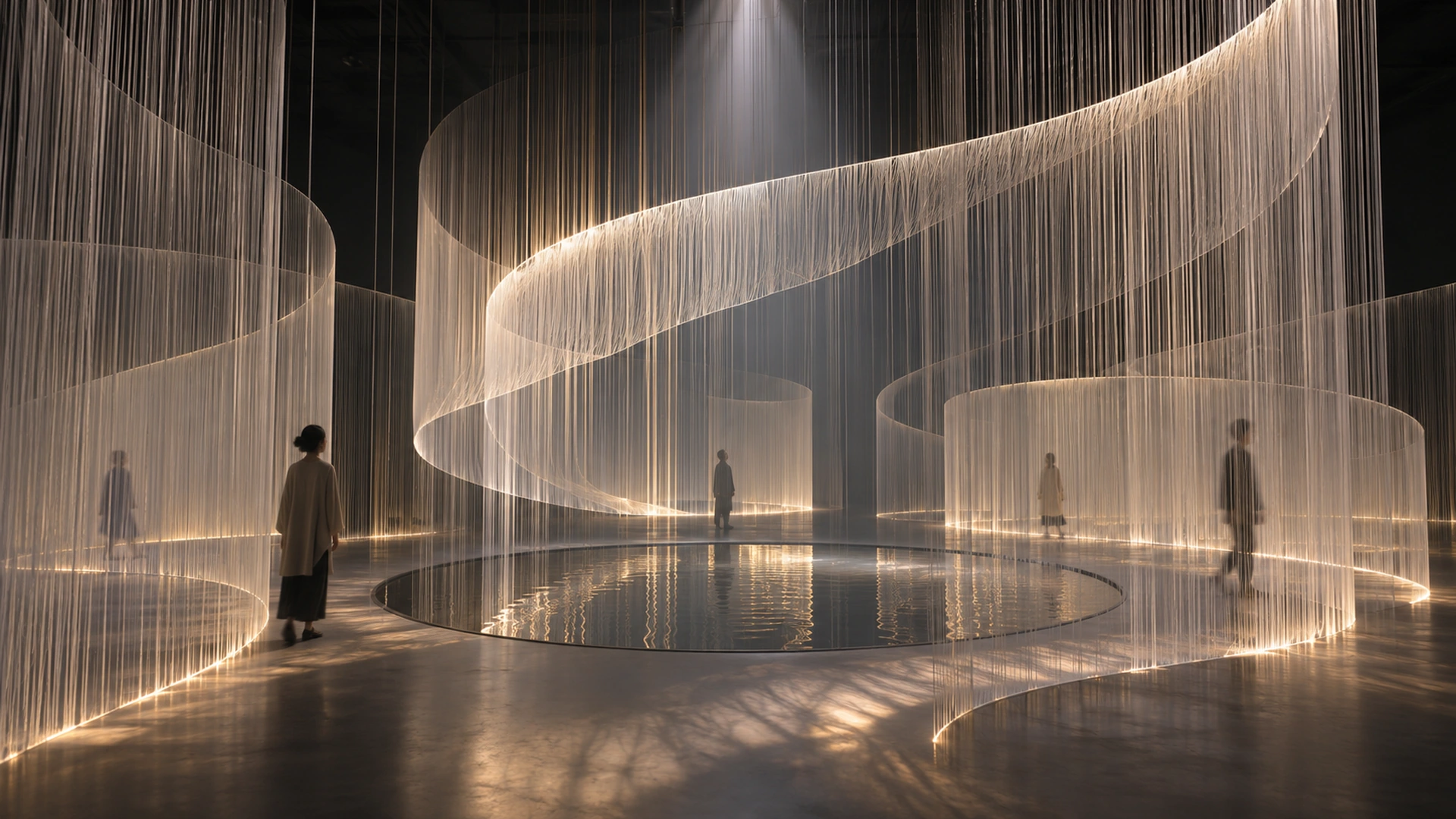
An original contemporary installation photograph: a dark gallery room where thousands of thin threads hang from the ceiling to the floor, lit by a single soft beam of light, a few visitors walking slowly between them, their silhouettes blurred by the threads, quiet and immersive.
What to take from Contemporary Art today
- Name the form: installation, video, performance, sculpture.
- Describe the experience: what the viewer does and feels.
- Say the idea or theme in one line.
Questions about Contemporary Art
What is Contemporary Art?
The art of our time: installation, video, performance, photography and digital work, where the idea and the experience often matter more than any single medium.
How do you recognize Contemporary Art?
An idea carried by the choice of medium. Immersive spaces, video, performance or mixed media. Themes of identity, society or technology.
How do you describe Contemporary Art in words or a prompt?
Name the form: installation, video, performance, sculpture. Describe the experience: what the viewer does and feels. Say the idea or theme in one line.
Imagine an installation about a memory from your childhood. Describe the room: its light, sound, objects, what the viewer walks through, and what idea it should leave behind.