Artists as engineers
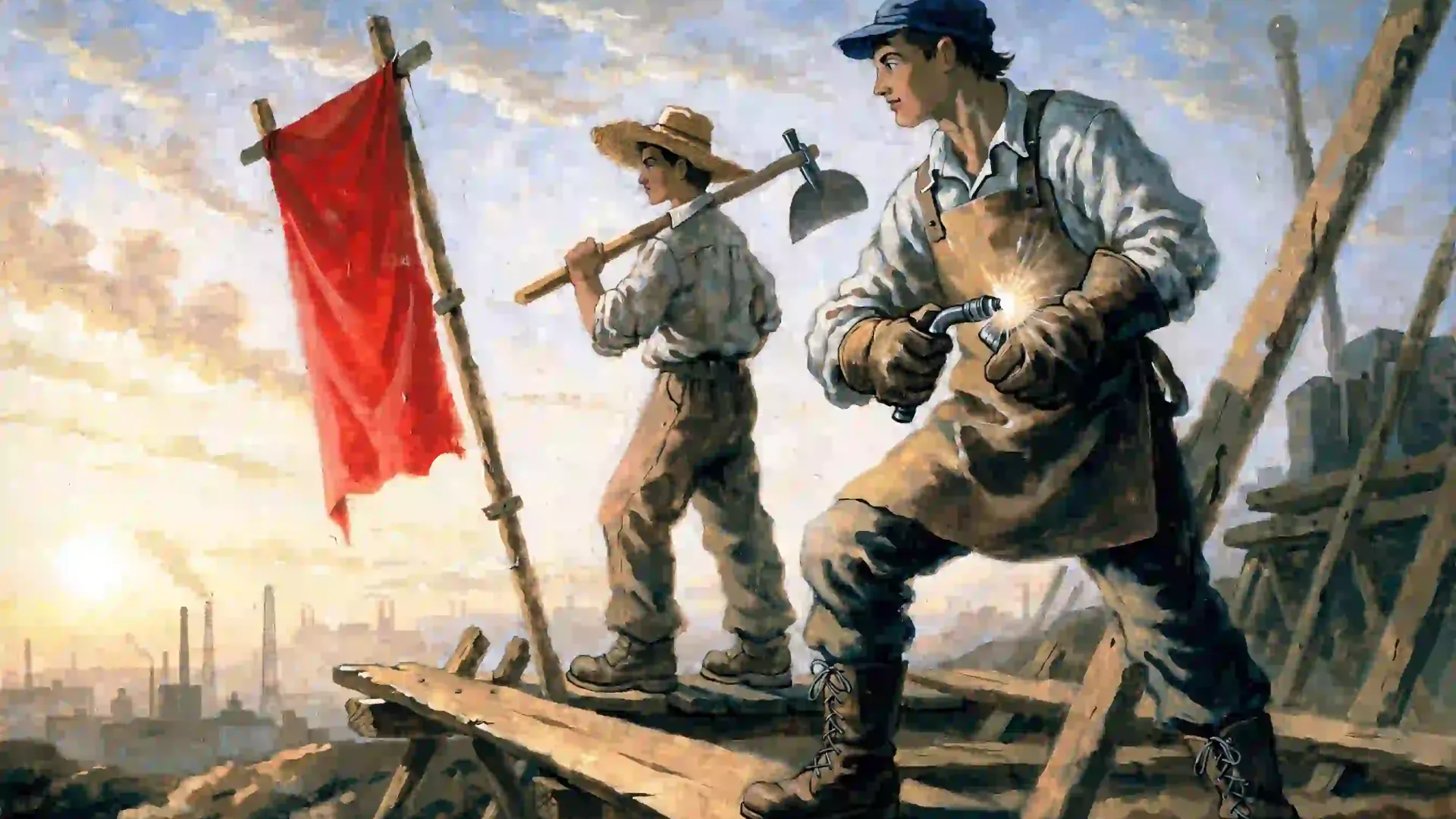
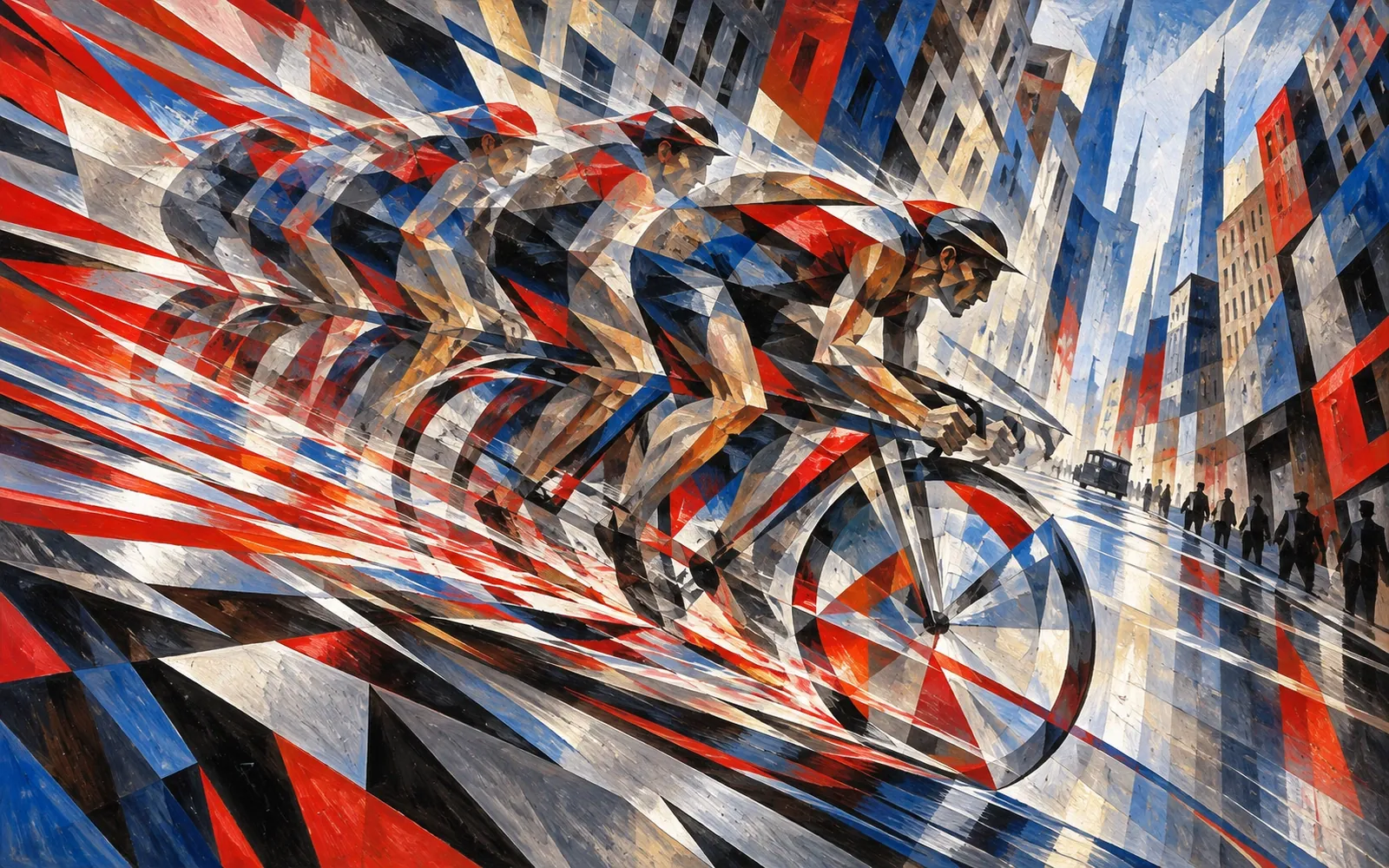
Constructivism took shape in Russia in the years around the 1917 revolution. Vladimir Tatlin built abstract reliefs from real materials and designed a vast spiraling 'Monument to the Third International'; Alexander Rodchenko, Varvara Stepanova, Lyubov Popova and El Lissitzky argued that artists should become engineers and designers serving the new society.
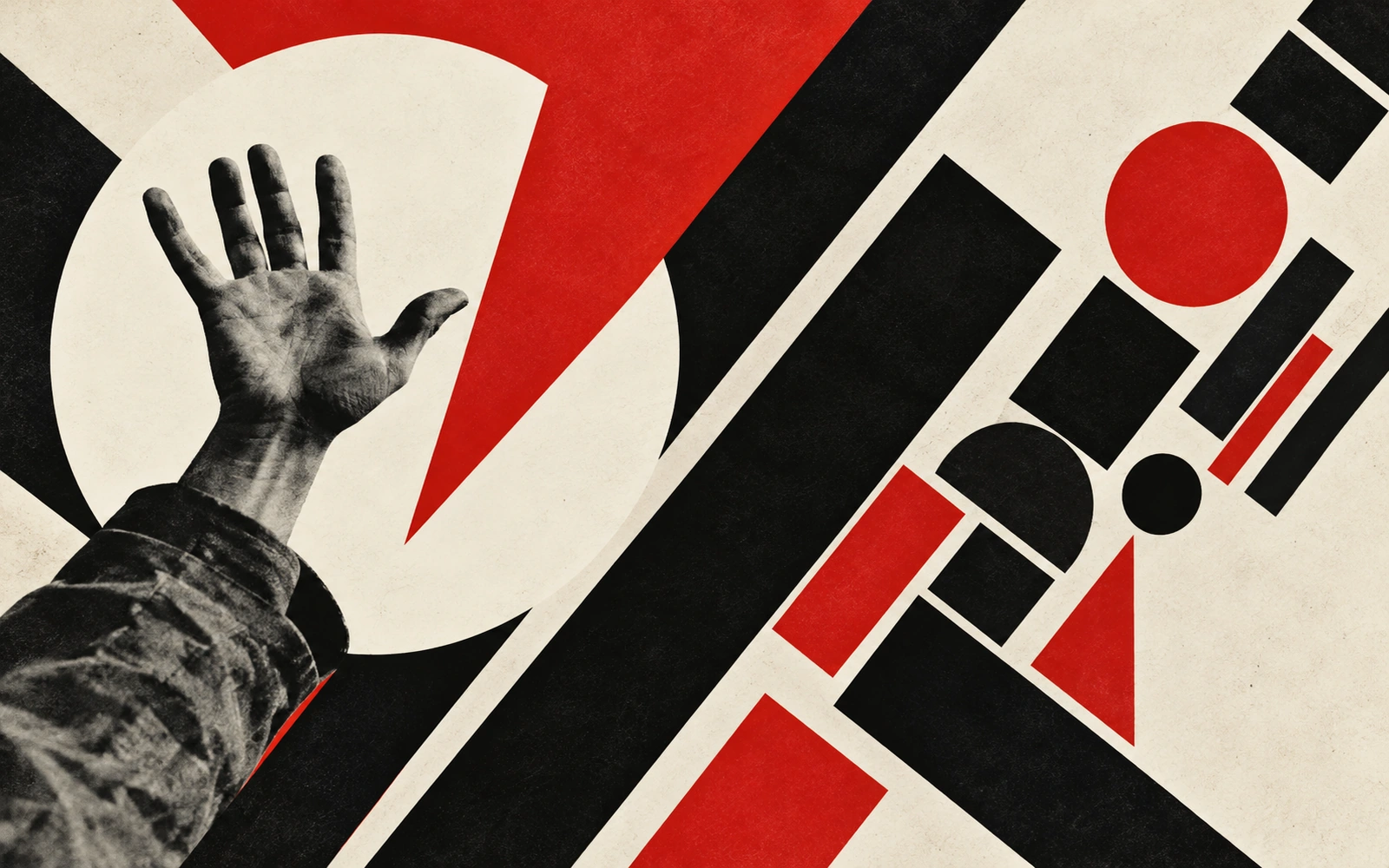
Their language spread into posters, book design, photography with steep angles, textiles, theater sets and architecture. El Lissitzky's poster 'Beat the Whites with the Red Wedge' (1919) turned a political message into pure geometry. Its ideas fed the Bauhaus and much of modern graphic design.
Visual anatomy of Constructivism
Strong diagonals, asymmetry and dynamic tension.
Red, black and white dominate, sometimes with a bit of grey or ochre.
Bold sans-serif letters, often set at angles and integrated into the image.
Photomontage and steep low or high camera angles.
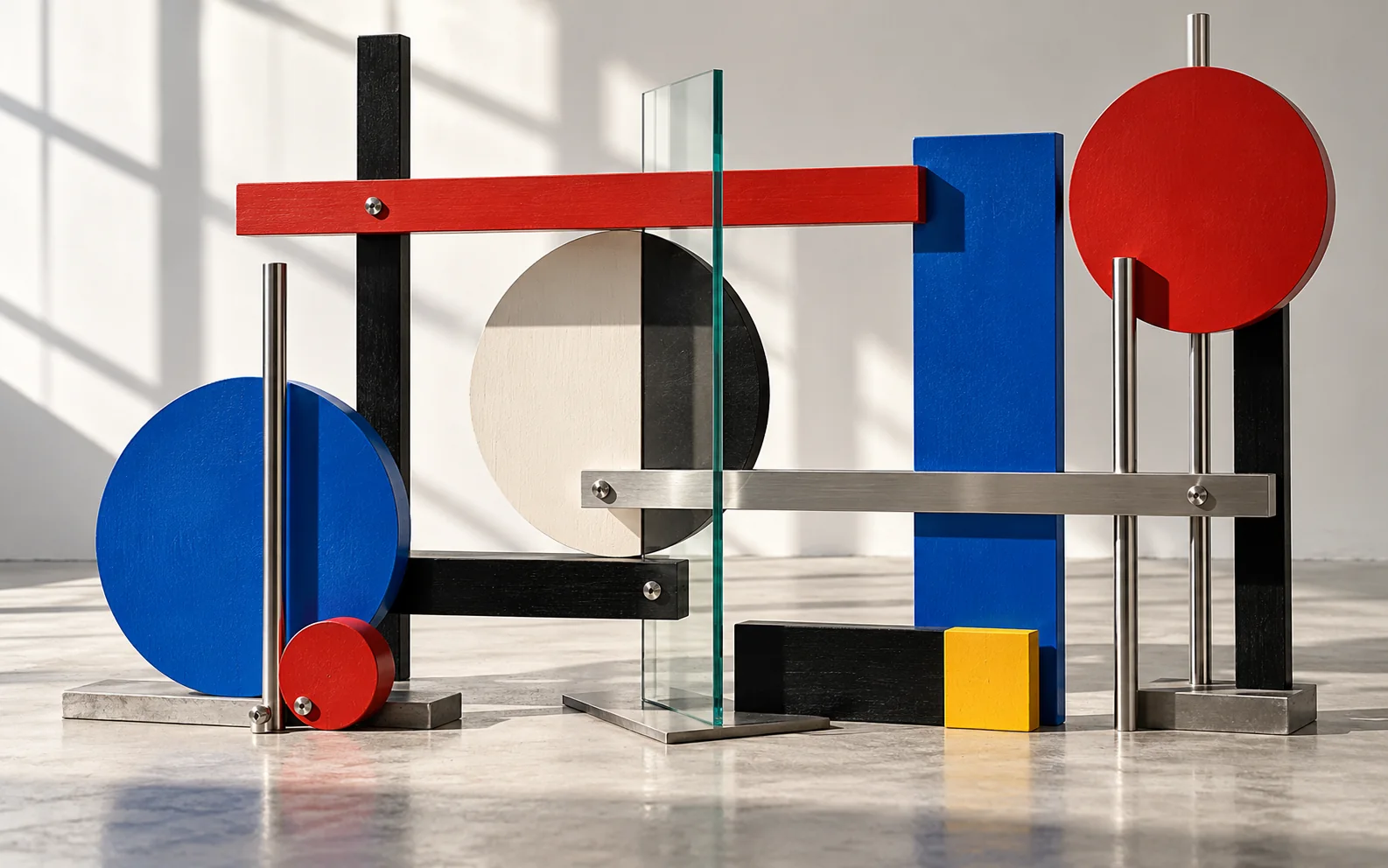
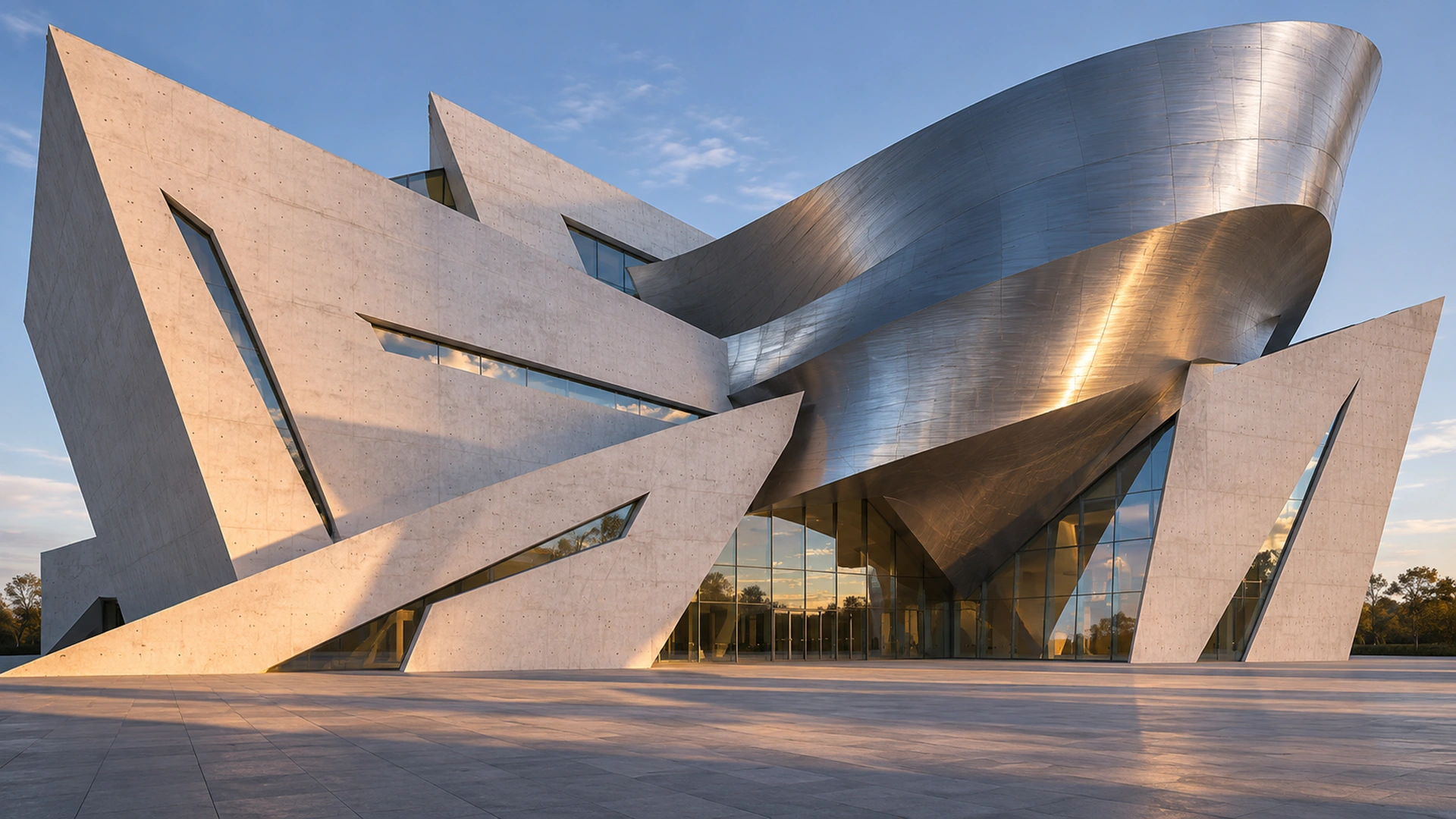
Real materials such as metal, wood and glass; structure is shown, not hidden.
Art for use: propaganda, publishing, products, buildings.
How to recognize Constructivism
- Red and black geometry on light paper.
- Type and image work together on a diagonal.
- The image feels like a call to action.
Where people get it wrong
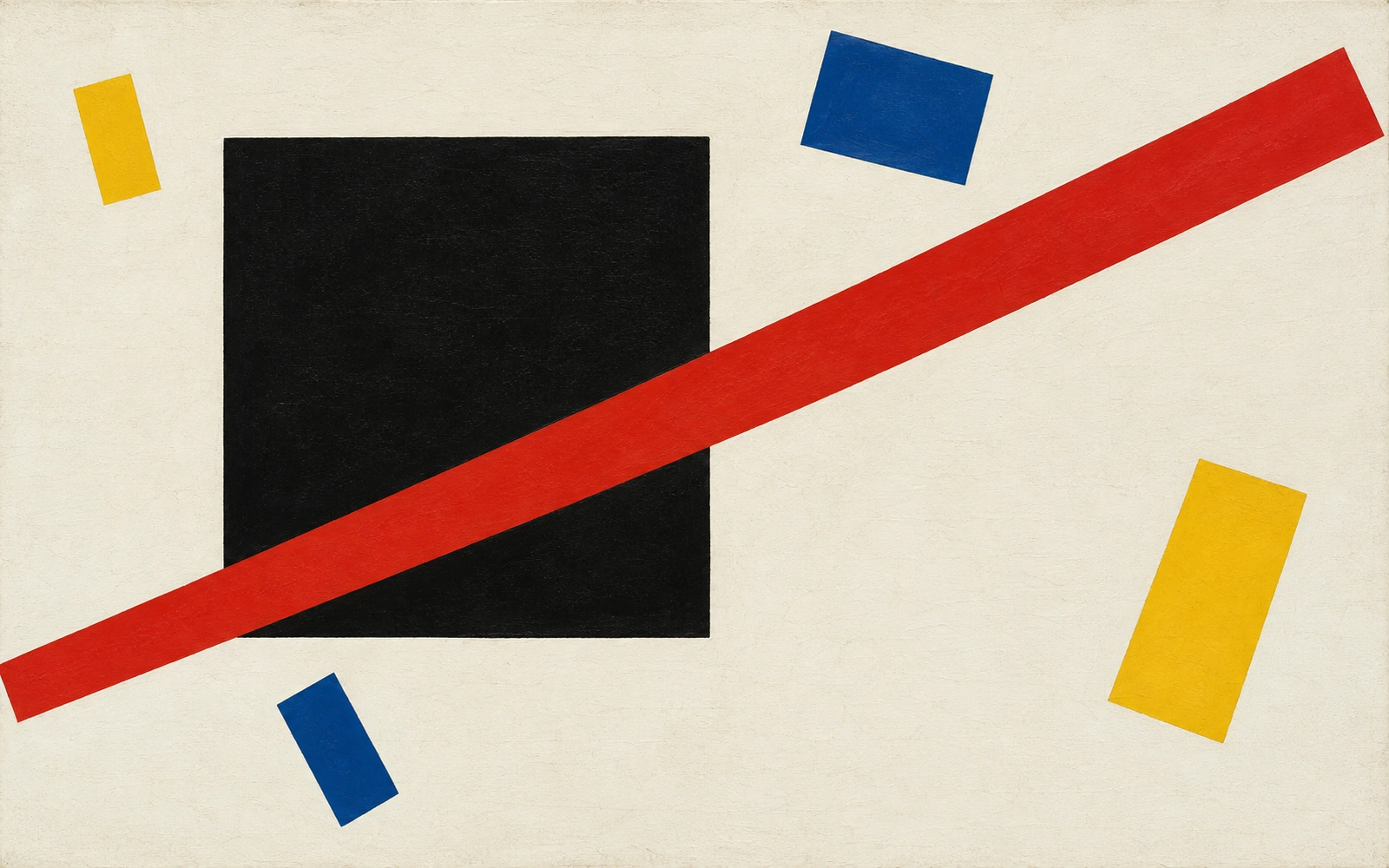
Constructivism is not only a 'Soviet poster look'. Its core idea is that art should be built, useful and part of everyday production. And it differs from Suprematism, which stayed with spiritual, non-objective painting.
Words to describe Constructivism
Precise words for the qualities above. Combine a few of them instead of naming the style or artist alone.
- bold diagonal composition
- red and black palette
- photomontage
- angled sans-serif type
- geometric wedges and circles
- low-angle photography
- propaganda poster
- industrial materials
- asymmetric tension
- art as construction
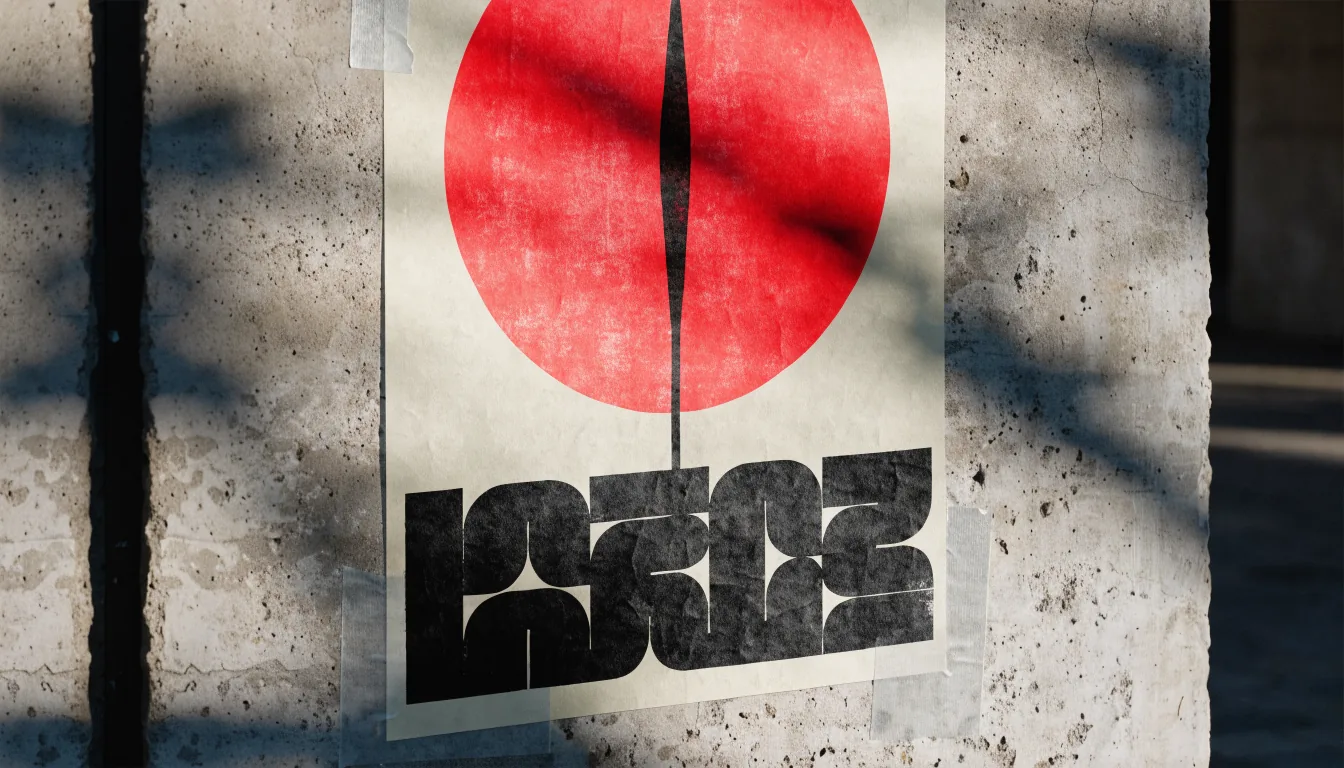
A poster on off-white paper: a red wedge cutting into a white circle, heavy black bars on a diagonal, a cropped black-and-white photograph of a raised hand, bold sans-serif letters running up the page at an angle.
What to take from Constructivism today
- Let one strong diagonal organize the page.
- Combine photograph, type and geometry as equals.
- Ask what job the image has to do.
Questions about Constructivism
What is Constructivism?
Art as construction for a new society: posters, typography, photomontage, furniture and architecture built from bold diagonals, red and black.
How do you recognize Constructivism?
Red and black geometry on light paper. Type and image work together on a diagonal. The image feels like a call to action.
How do you describe Constructivism in words or a prompt?
Let one strong diagonal organize the page. Combine photograph, type and geometry as equals. Ask what job the image has to do.
Design a poster for a simple message, such as 'read more', using only red, black, one photograph and one word. Put everything on a diagonal. Describe how the angle changes the tone.