The idea becomes a machine
Conceptual art emerged in the 1960s in the United States, Europe and elsewhere, building on Marcel Duchamp's readymades such as Fountain (1917), a signed urinal presented as art. In 'Paragraphs on Conceptual Art' (1967), Sol LeWitt wrote that in conceptual art 'the idea or concept is the most important aspect of the work' and that 'the idea becomes a machine that makes the art'.
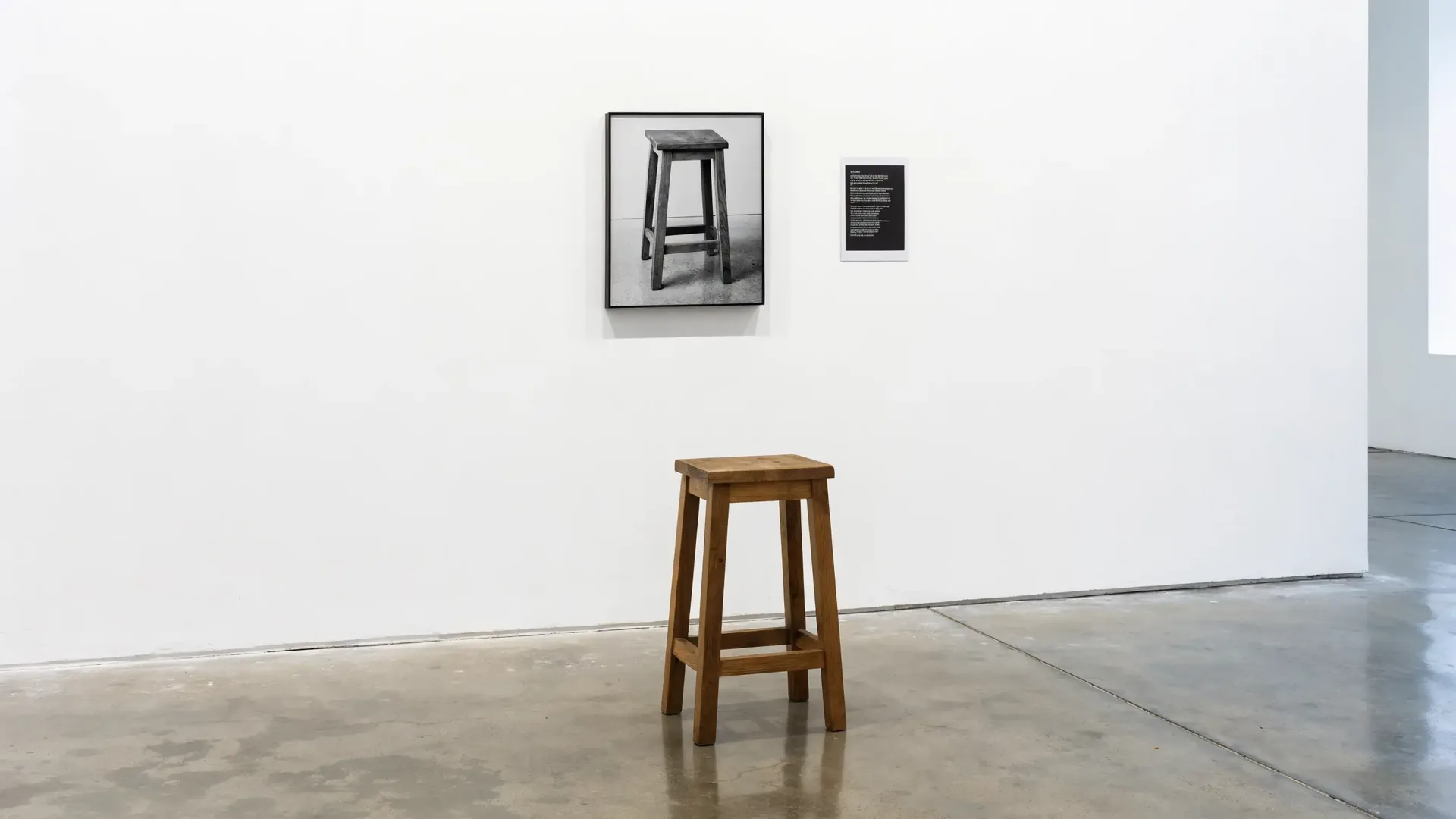
Artists made work from text, instructions, documents, photographs and actions. Joseph Kosuth's One and Three Chairs (1965) shows a chair, a photograph of it and a dictionary definition of 'chair'. Yoko Ono's book Grapefruit (1964) is a collection of instructions to be carried out, or only imagined, by the reader. On Kawara painted the date of each day, and LeWitt's wall drawings are written instructions that other people execute.
Visual anatomy of Conceptual Art
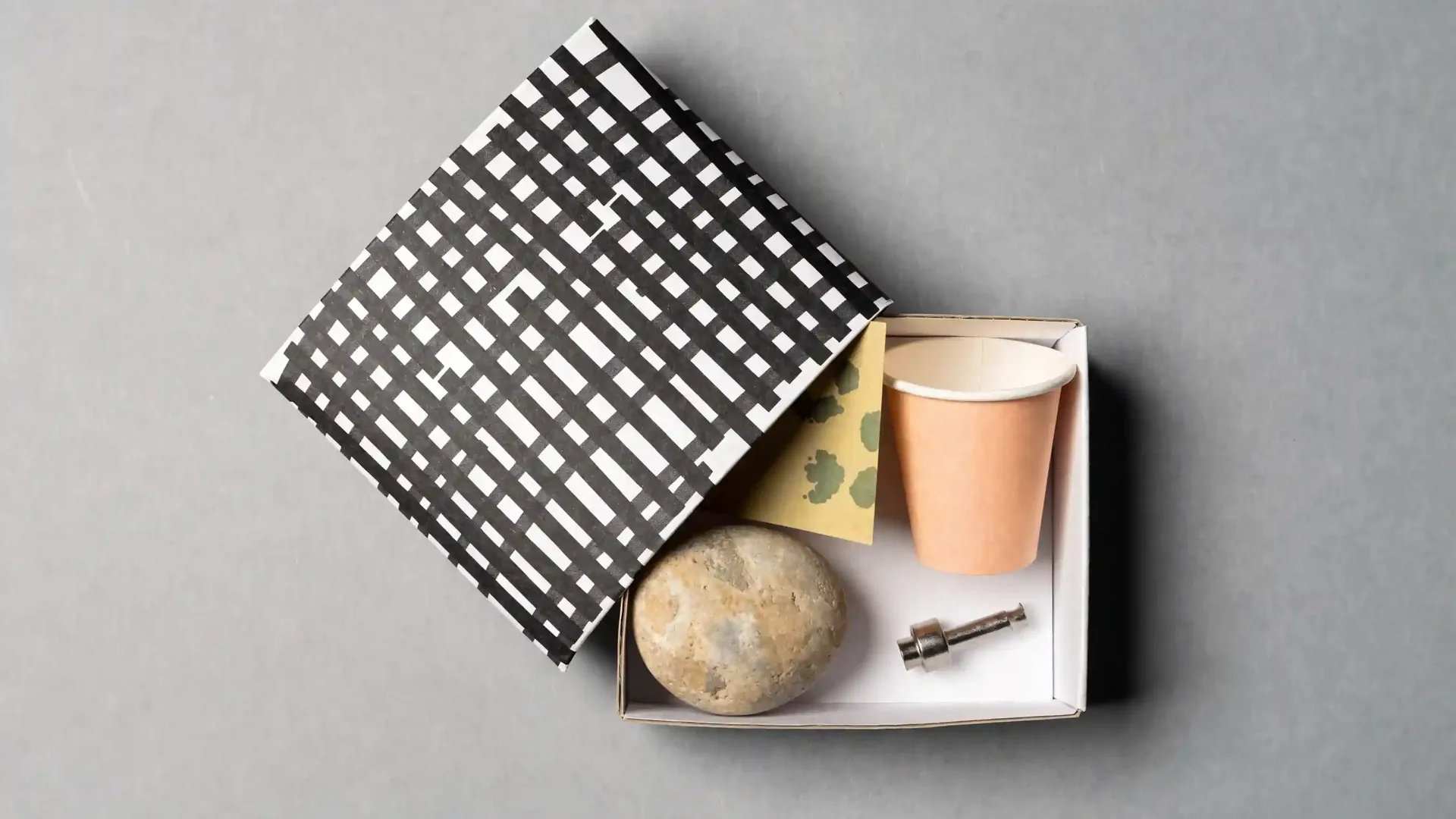
Text, instructions, diagrams, photographs, documents, maps, ordinary objects.
Often plain and deliberately unspectacular: typewritten, black and white, institutional.
The artist designs the idea; others may carry it out.
Asked to think, read and complete the work, not only to look.
Words are both subject and material.
Photographs and records of actions that happened elsewhere.
Key works of Conceptual Art
A mass-produced urinal signed 'R. Mutt', the founding readymade.
Object, image and definition side by side, Museum of Modern Art, New York.
A book of instruction pieces, such as imagining clouds dripping.
Written instructions for drawings executed by assistants, again and again, in different places.
How to recognize Conceptual Art
- Text or instructions instead of an image.
- Ordinary objects presented with documents.
- A plain, almost bureaucratic look.
- The work makes sense only once you read or think about it.
Where people get it wrong
Conceptual art is often dismissed as 'anyone could do that'. The point is that anyone could carry it out, but someone had to think of it and phrase it exactly. Another mistake is to assume it has no visual quality; many conceptual works are carefully designed, and the choice of a plain look is itself an aesthetic decision.
Words to describe Conceptual Art
Precise words for the qualities above. Combine a few of them instead of naming the style or artist alone.
- conceptual art
- readymade
- instruction piece
- idea
- dematerialisation
- documentation
- text art
- wall drawing
- Fluxus
- authorship
An instruction piece: 'Draw a line from each corner of the wall to a point the viewer chooses. Erase it at sunset. Repeat for seven days.'
What to take from Conceptual Art today
- Describe the idea in one sentence first.
- Say what material carries it: text, photograph, object.
- Note how plain or designed the presentation is.
- Say what the viewer is asked to do.
The first prompt artists
A LeWitt wall drawing is a prompt: a set of words that other hands turn into an image, differently each time, and still recognisably the same work. Conceptual art is the clearest proof that ideas are cheap and words are not. Everything depends on how precisely the instruction is written, and on what it chooses to leave open.
Questions about Conceptual Art
What is conceptual art?
Art in which the idea or concept is the main part of the work, more important than the finished object. It often uses text, instructions, photographs and everyday objects, and became a movement in the 1960s and 1970s.
What are famous examples of conceptual art?
Marcel Duchamp's Fountain (1917), Joseph Kosuth's One and Three Chairs (1965), Yoko Ono's Grapefruit (1964), Sol LeWitt's wall drawings and On Kawara's date paintings.
Who started conceptual art?
Marcel Duchamp is seen as its forerunner. The term grew in the 1960s; Henry Flynt wrote of 'concept art' in 1961, and Sol LeWitt's 1967 text defined it for many artists.
What does conceptual art have to do with AI prompts?
Instruction-based conceptual art, such as LeWitt's wall drawings, separates the written idea from its execution, much like a prompt that a model turns into an image.
Write an instruction artwork in no more than three sentences, as Yoko Ono or Sol LeWitt might. Give it to two people and ask each to carry it out. Compare the results: what did your words fix, and what did they leave open?
Sources and further reading
- Sol LeWitt, 'Paragraphs on Conceptual Art', Artforum, June 1967.
- Lucy R. Lippard, Six Years: The Dematerialization of the Art Object from 1966 to 1972, Praeger, 1973.
- Museum of Modern Art, New York: Joseph Kosuth, One and Three Chairs.
- Yoko Ono, Grapefruit, Wunternaum Press, Tokyo, 1964.