Nostalgia in primary colours
Kidcore appeared on Tumblr and later TikTok in the late 2010s, as people in their twenties began to dress and decorate with the visual language of their 1990s and early-2000s childhoods: primary colours, rainbows, smiley faces, children's television sets, plastic toys, beaded bracelets and cartoon prints.
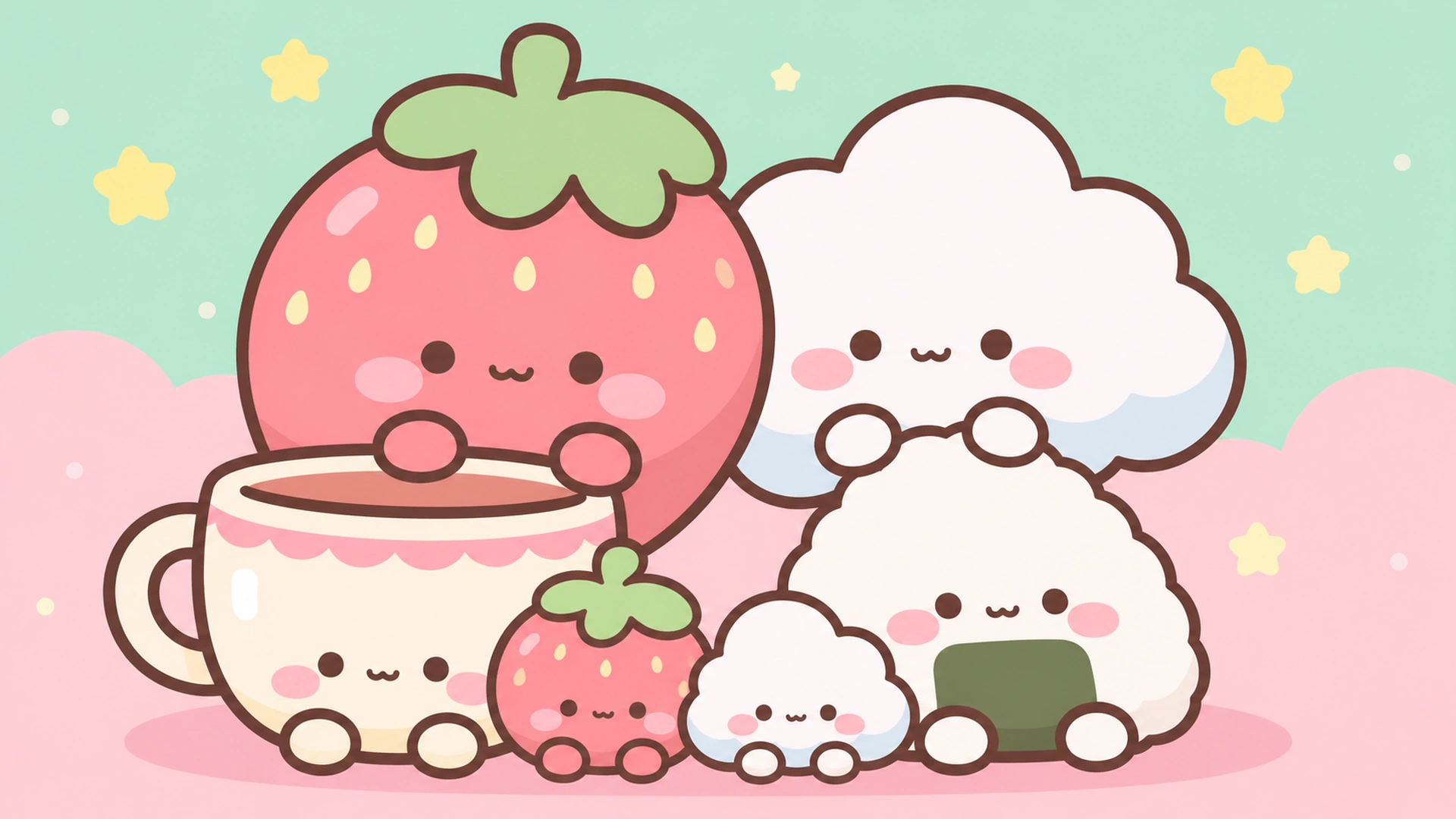
It is often described as comfort or 'inner child' play: a way of being cheerful and unserious in public. It overlaps with Y2K and kawaii, but it is brighter and more primary than kawaii's pastels, and closer to the look of classrooms, playgrounds and toy shops.
Visual anatomy of Kidcore
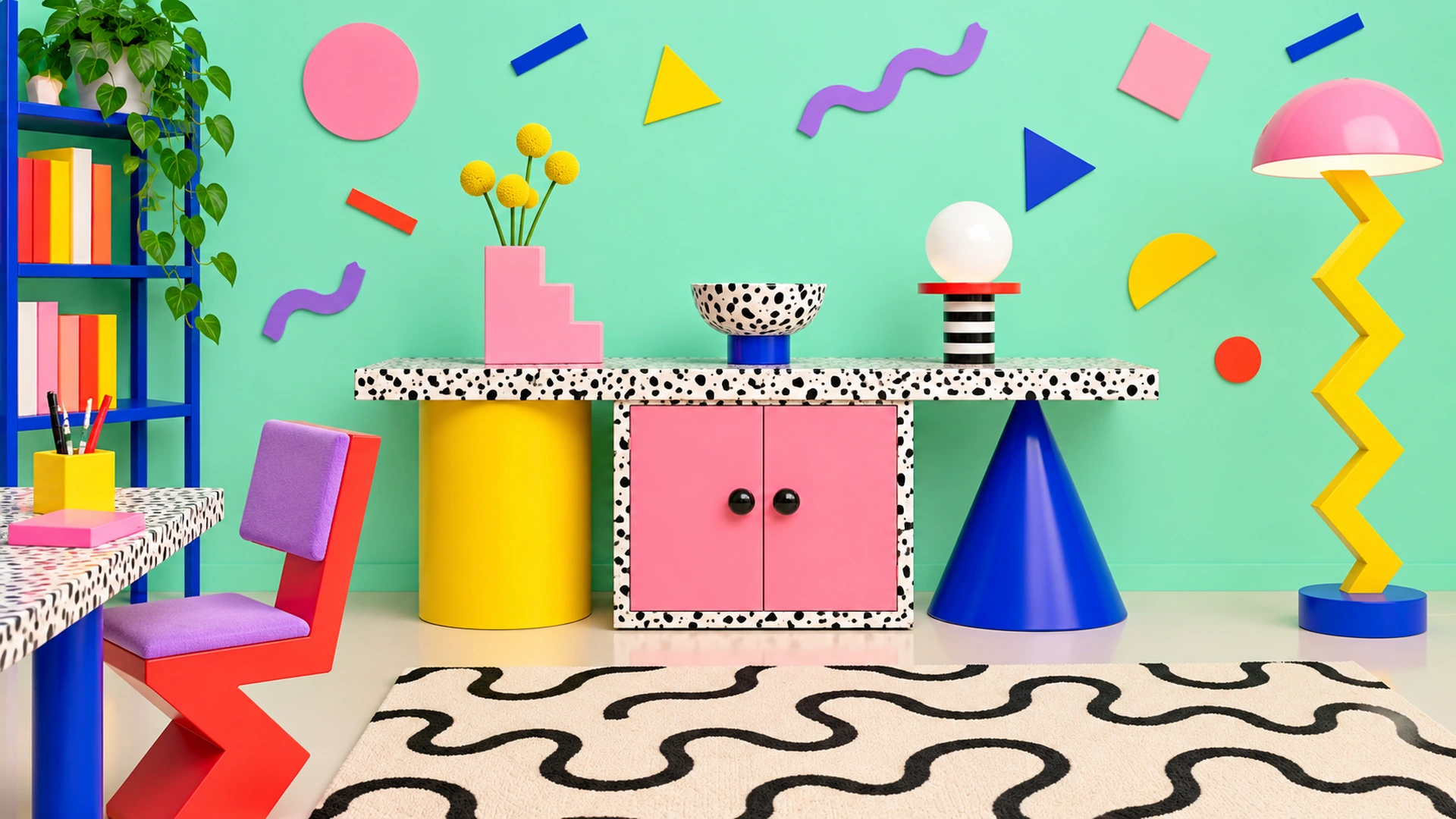
Primary red, yellow, blue and green, rainbows, high contrast.
Crayons, stickers, lunchboxes, plastic toys, beads, building blocks.
Polka dots, checkerboards, smiley faces, stars, doodles.
Overalls, striped tees, colourful sneakers, beaded jewellery, clips.
Bedrooms and classrooms full of colour, posters and toys.
Cheerful, playful, nostalgic, unserious.
Words around kidcore
A popular-psychology phrase often linked to the aesthetic.
Red, yellow and blue, the basis of the look.
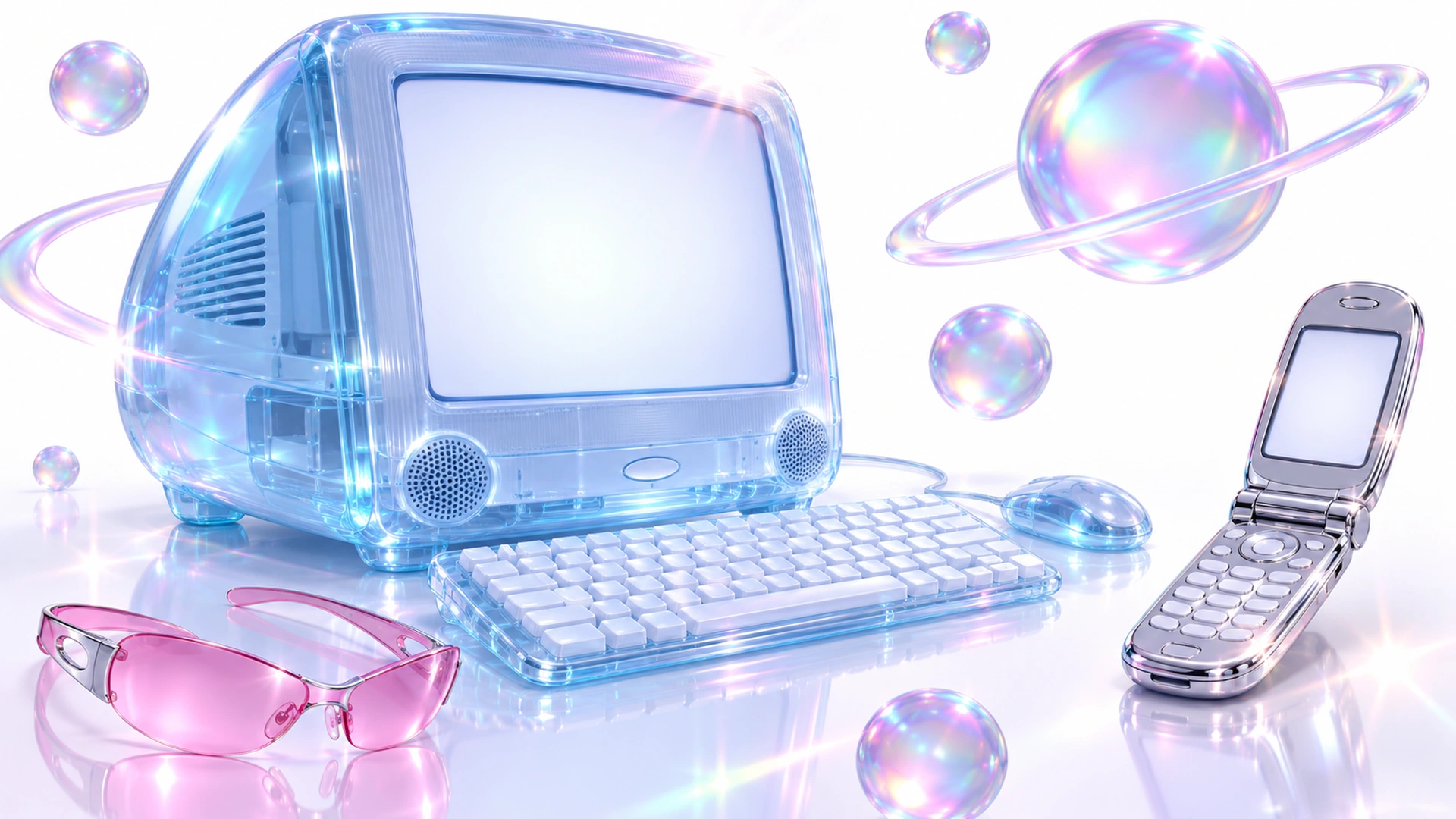
The glossy late-1990s and early-2000s aesthetic kidcore often overlaps with.
How to recognize Kidcore
- Bright primary colours and rainbows.
- Toys, crayons and stickers.
- Playful patterns: dots, smileys, checkerboards.
- Nostalgia for 90s and 2000s childhood.
Where people get it wrong
Kidcore is sometimes mistaken for children's design. It is an adult aesthetic of nostalgia and play. Imagery should keep that clear: adults in playful settings or objects on their own, never sexualised and never using real children as styling.
Words to describe Kidcore
Precise words for the qualities above. Combine a few of them instead of naming the style or artist alone.
- kidcore
- primary colours
- rainbow
- crayons
- stickers
- nostalgia
- inner child
- polka dot
- checkerboard
- playful
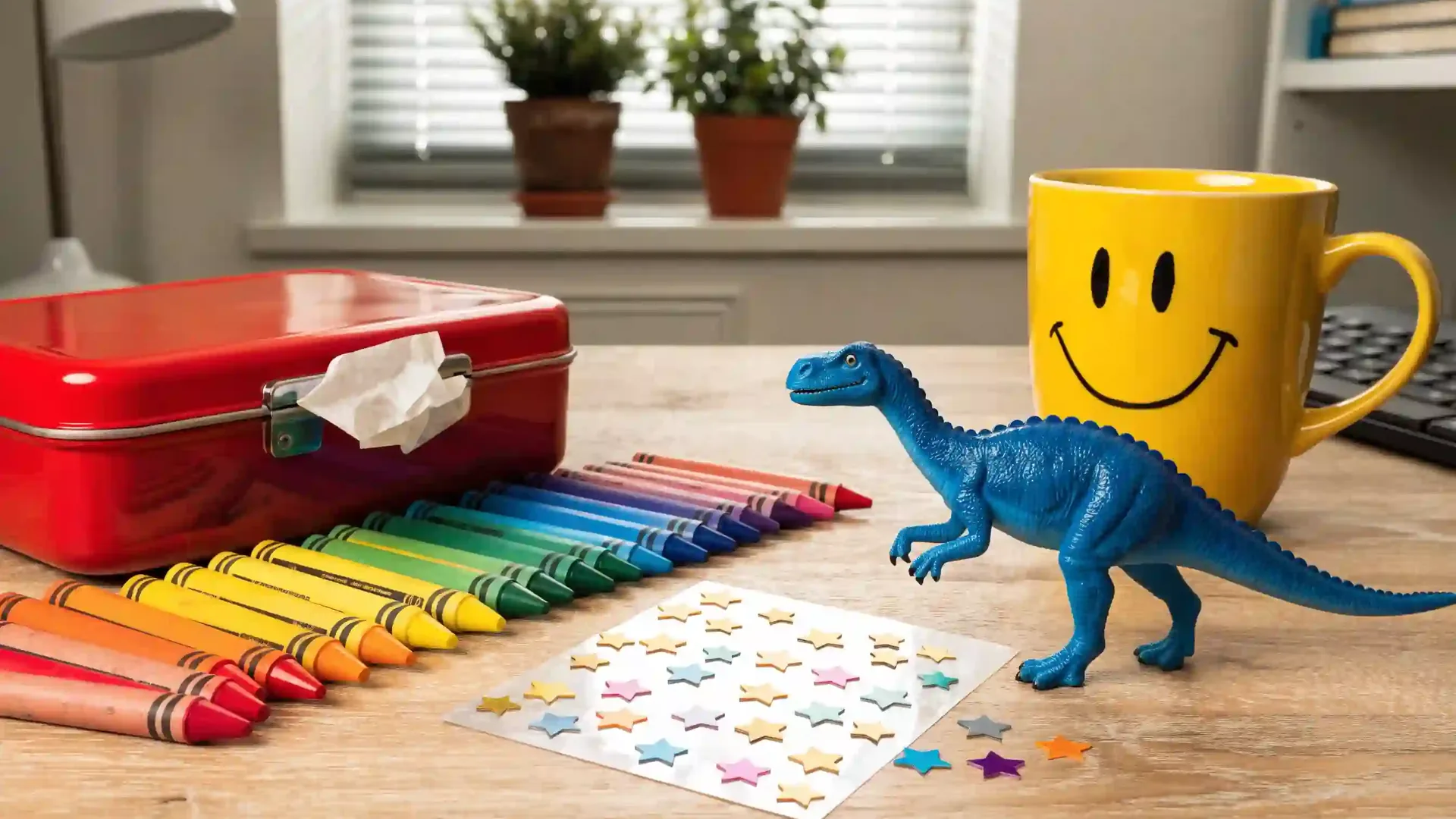
A kidcore still life: a desk with a red lunchbox, a box of wax crayons spilling in rainbow order, a sheet of glitter star stickers, a blue plastic dinosaur and a yellow smiley mug, bright even daylight. No people.
What to take from Kidcore today
- Use primary colours in high contrast.
- Name the objects: crayons, stickers, plastic toys.
- Add a playful pattern.
- Keep the people adults, and the mood light.
Play as a story you choose
From a narrative therapy point of view, kidcore can be read as choosing a lighter story about oneself for a while. Describing it with care means naming that choice: this is play, not regression, and the colours are a language of comfort.
Questions about Kidcore
What is kidcore?
An internet aesthetic in which adults use the bright colours, toys and visual style of their 1990s and 2000s childhoods, with primary colours, rainbows, crayons and playful patterns.
What is the difference between kidcore and kawaii?
Kawaii is Japanese-rooted cuteness, often pastel and soft. Kidcore is brighter, more primary-coloured and based on Western 90s childhood nostalgia.
What colours are kidcore?
Primary red, yellow, blue and green, plus rainbow combinations, usually bright and high-contrast.
Describe a desk in kidcore style in five sentences: three objects, one pattern and one colour combination, without using the word cute.
Sources and further reading
- Aesthetics Wiki (fan-run catalogue): Kidcore entry.
- Svetlana Boym, The Future of Nostalgia, Basic Books, 2001.