What is an internet aesthetic?
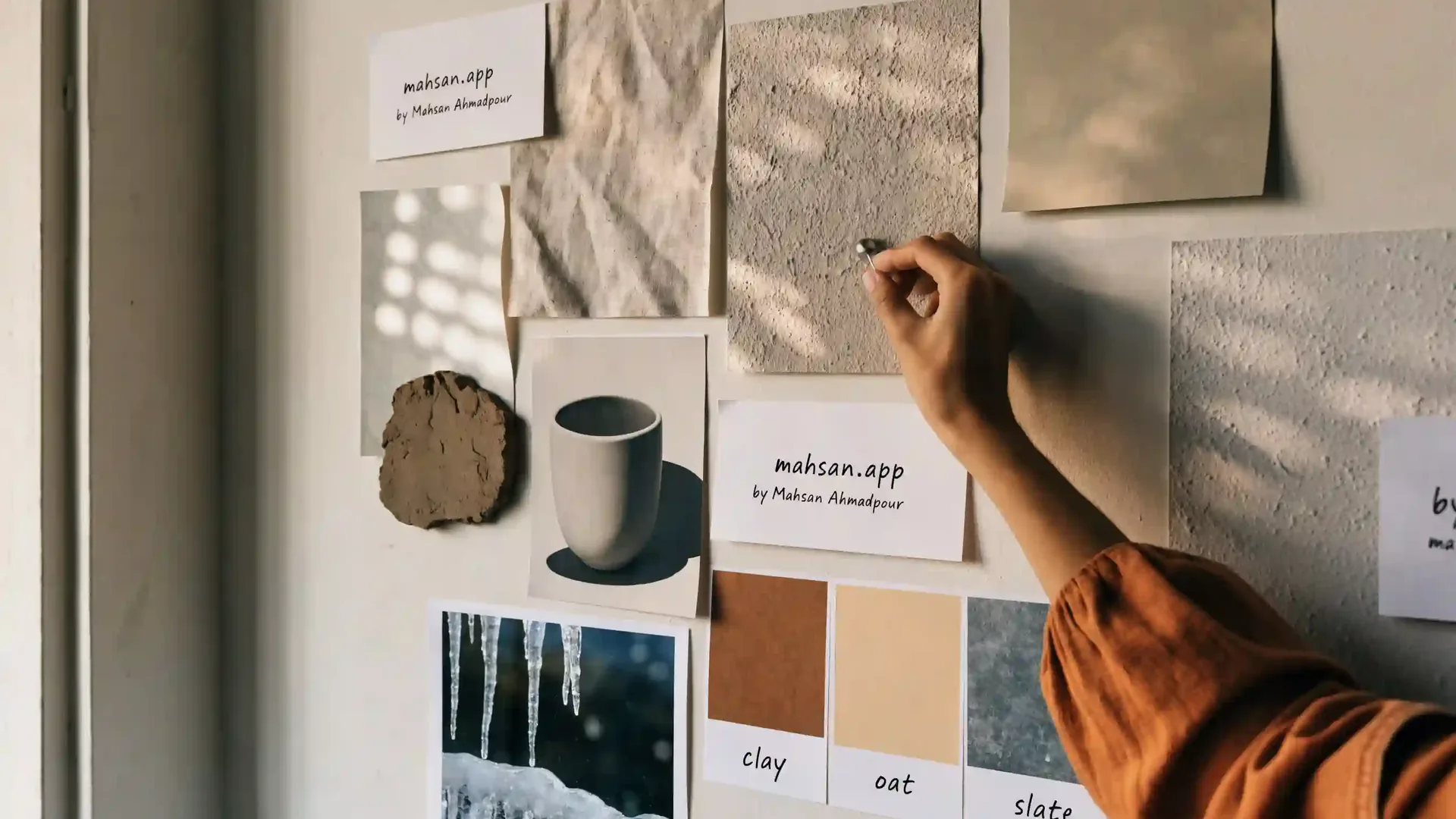
An internet aesthetic is a named visual mood that grows online: a recognisable mix of colours, clothes, objects, places, music and feelings, shared through images on platforms such as Tumblr, Pinterest, Instagram and TikTok. It is less a movement with artists and manifestos than a collective moodboard. People use it to dress, decorate, take photographs, write and, now, to prompt Gen AI.
Moods with names
Internet aesthetics are visual moods that people collect, name and share on platforms like Tumblr, Pinterest and TikTok. Unlike art movements, they have no manifesto or founders: they grow from mood boards, playlists, fashion and memes, and often end in '-core' or '-wave'.
They are useful for image-makers because each one is already a ready-made bundle of light, colour, objects, places and feeling. Naming the aesthetic, and then naming its ingredients, is one of the fastest ways to describe a mood precisely.
Nostalgic and soft
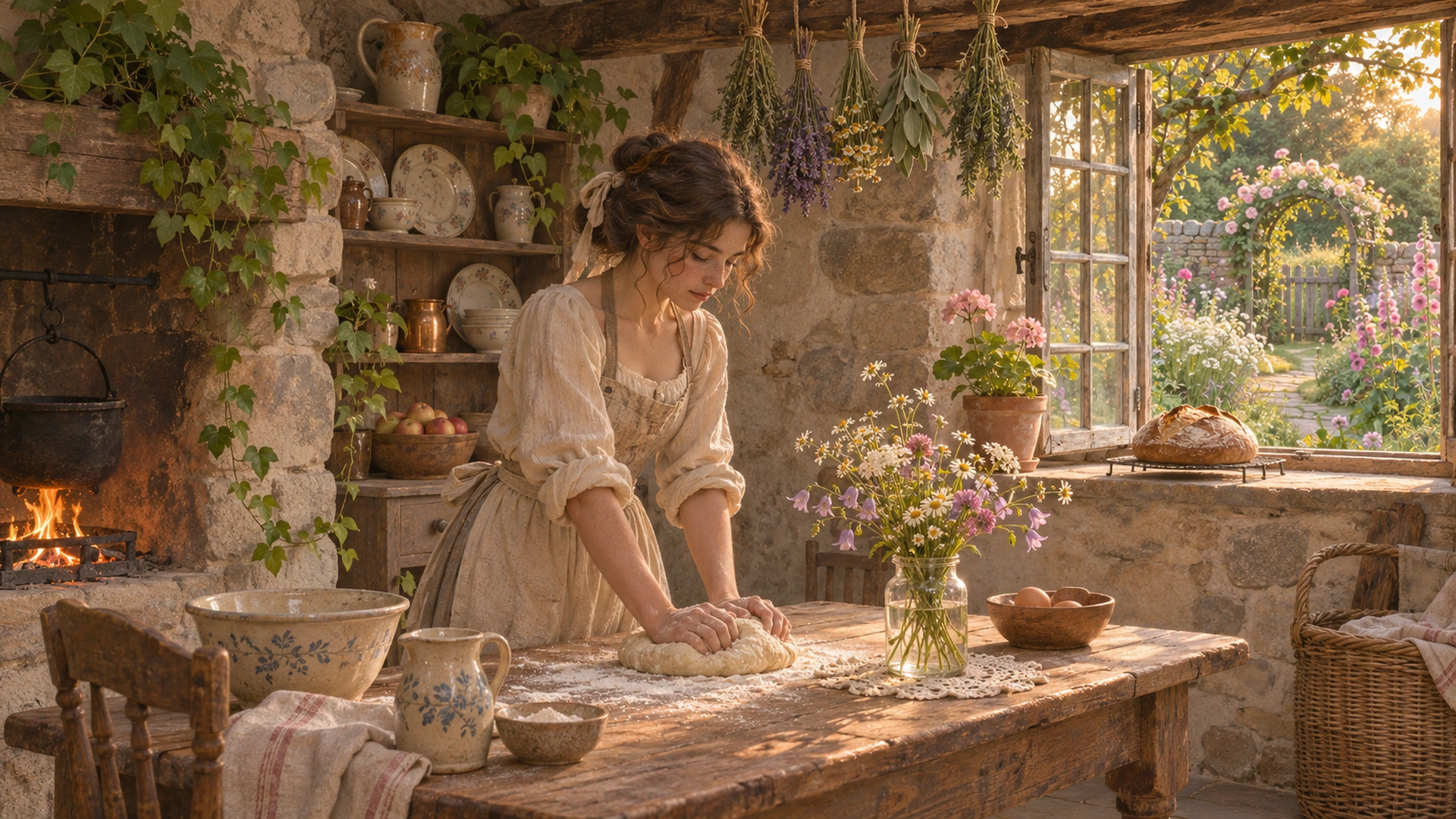
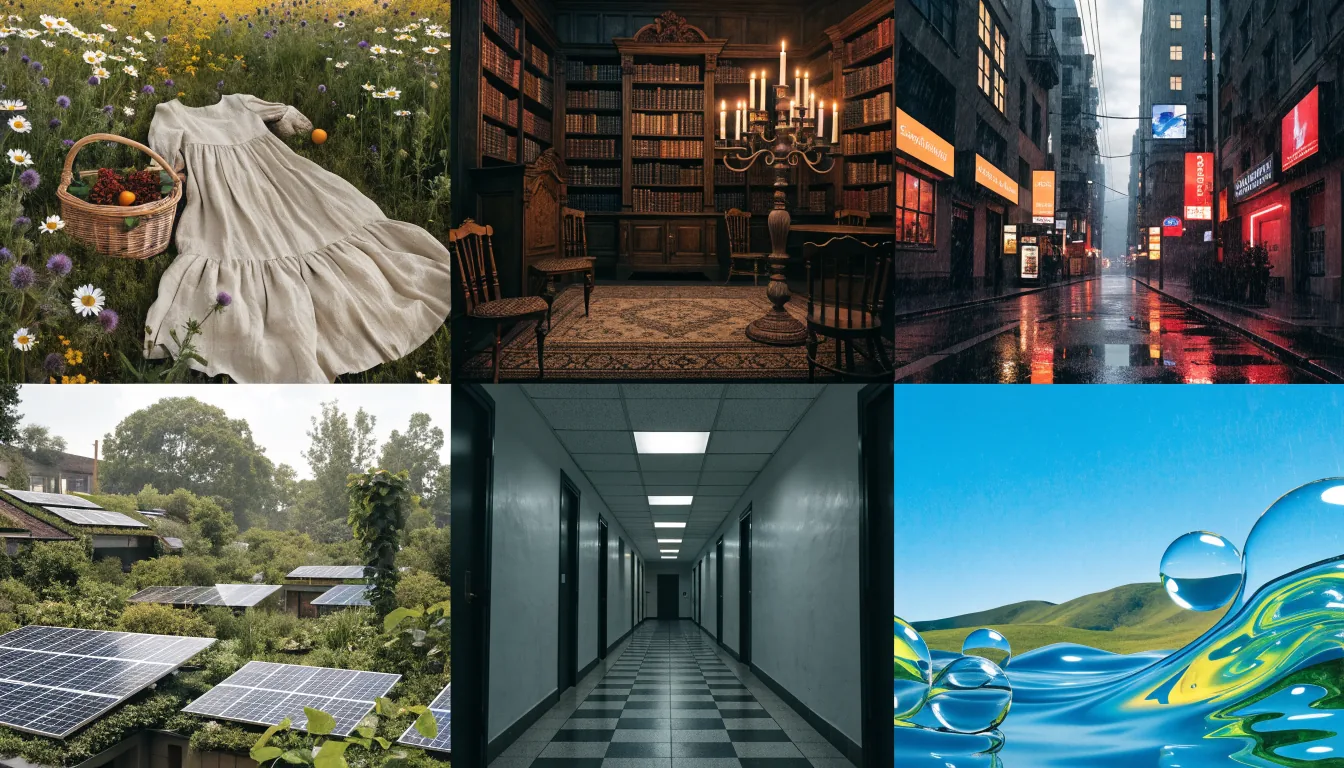
A romantic rural life: meadows, baking, linen dresses, wildflowers, soft golden light.
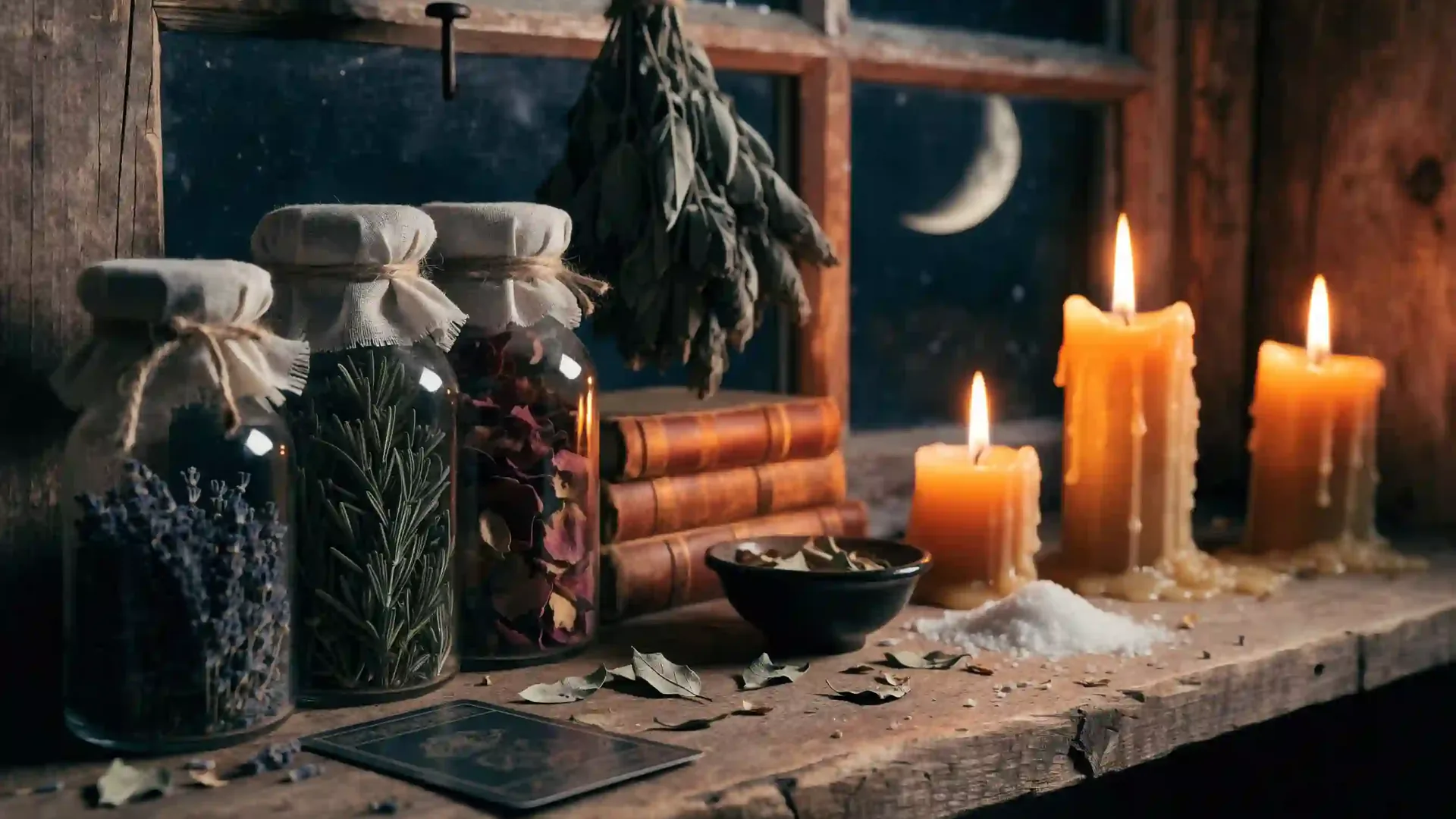
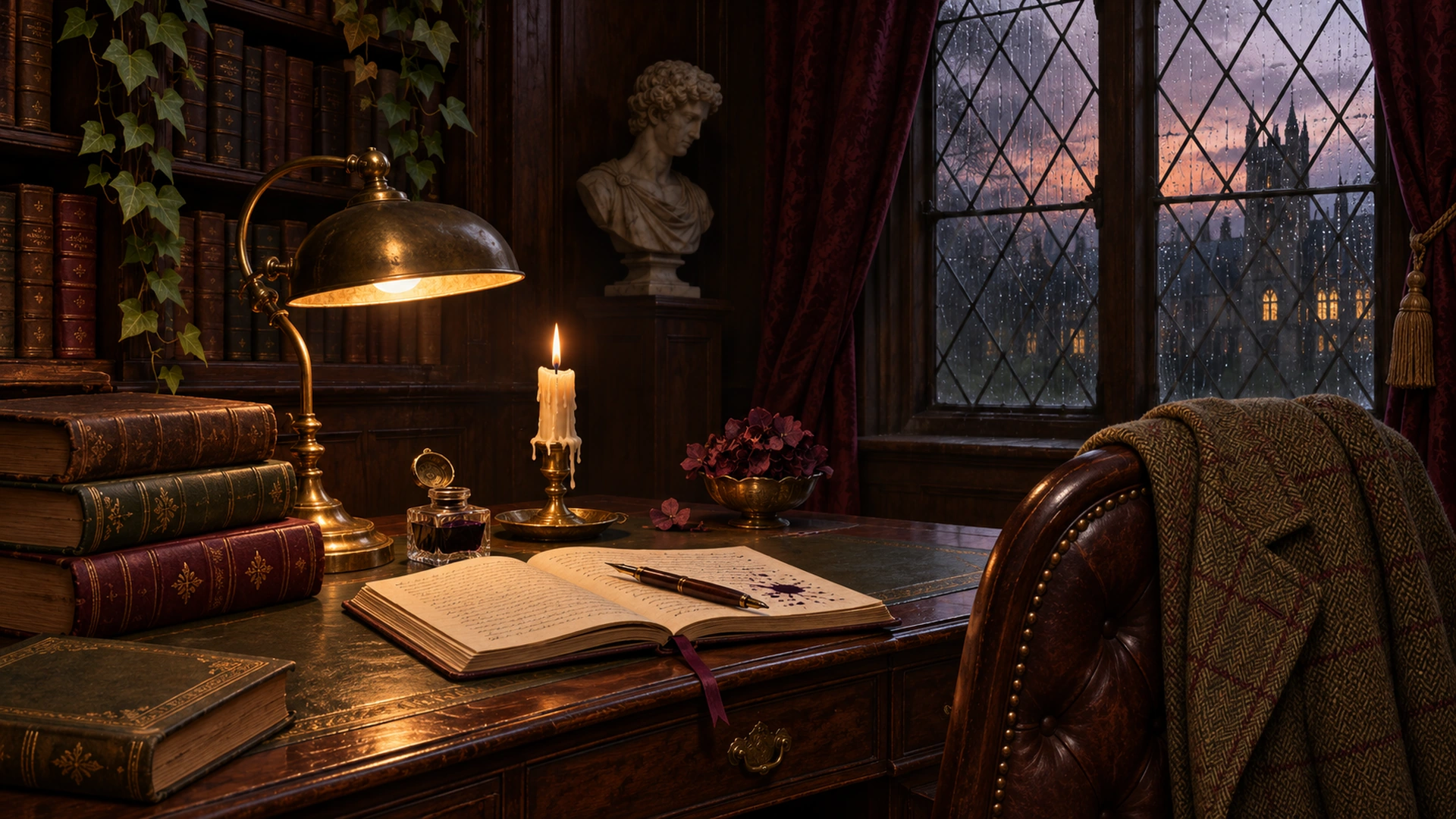
Old libraries, tweed, candlelight, Gothic architecture, classical books, brown and black.
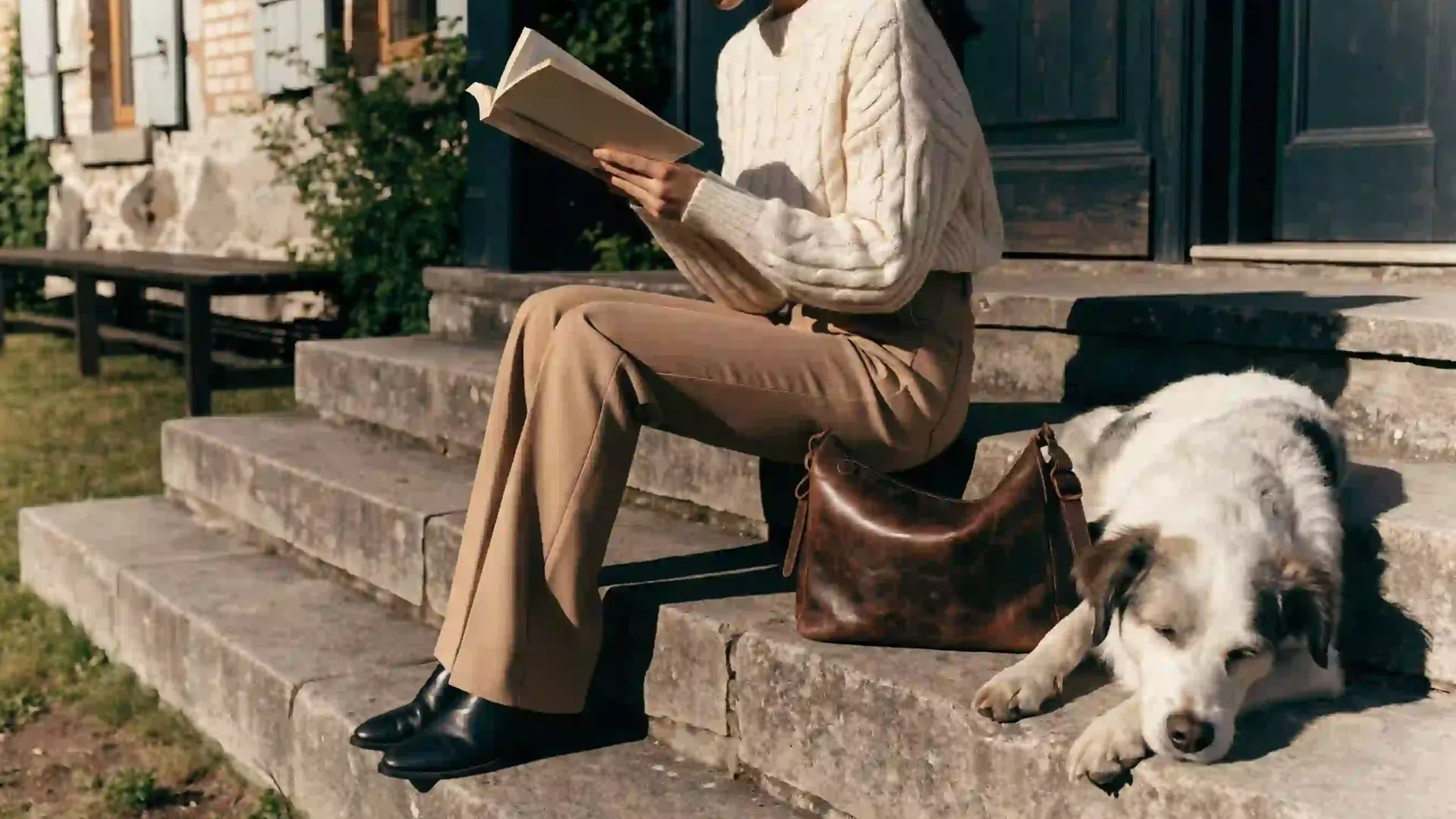
The same scholarly world in daylight: cream, beige, linen, open windows, poetry.
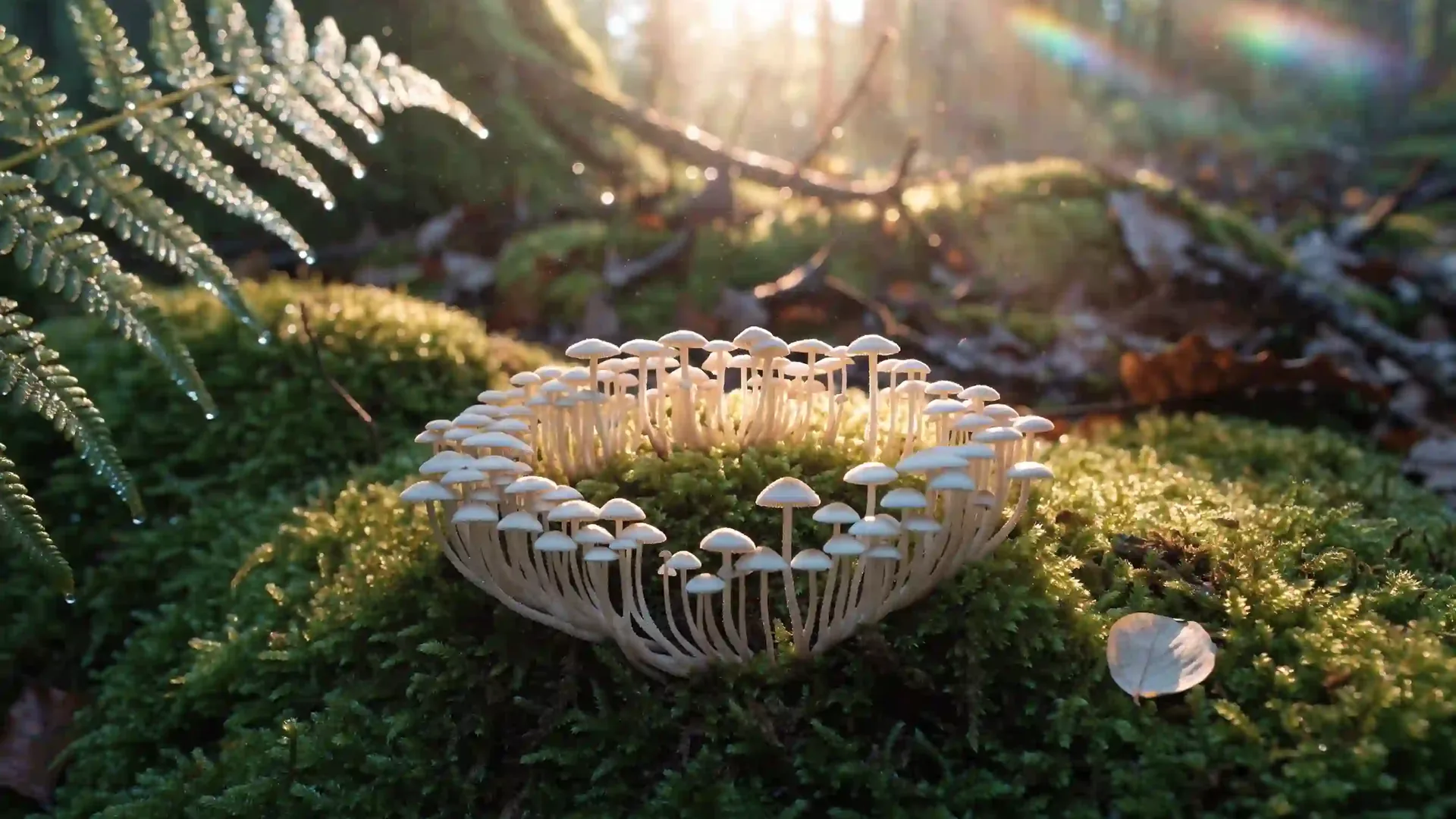
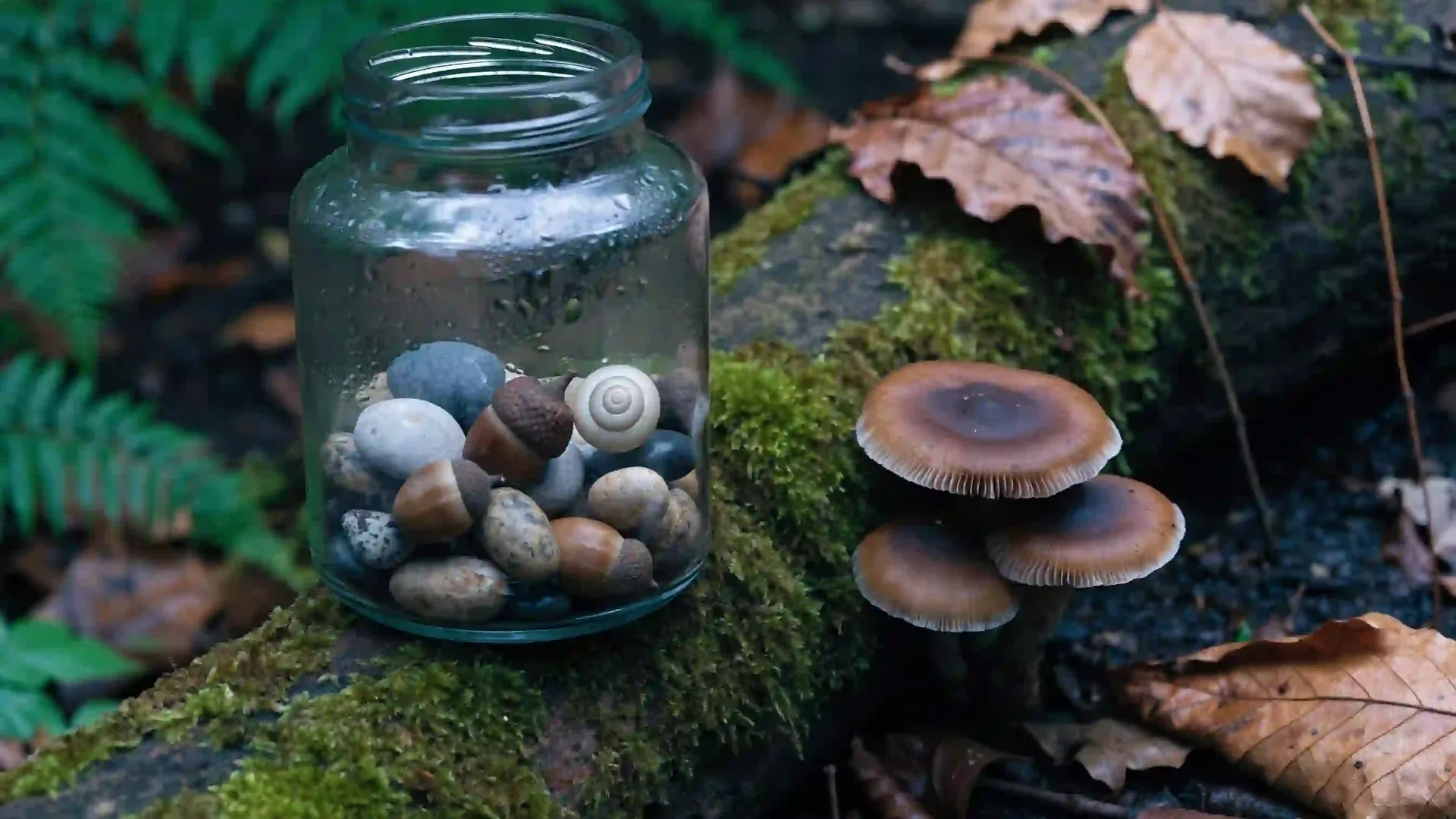
Mushrooms, moss, stones, small found treasures from the forest floor.
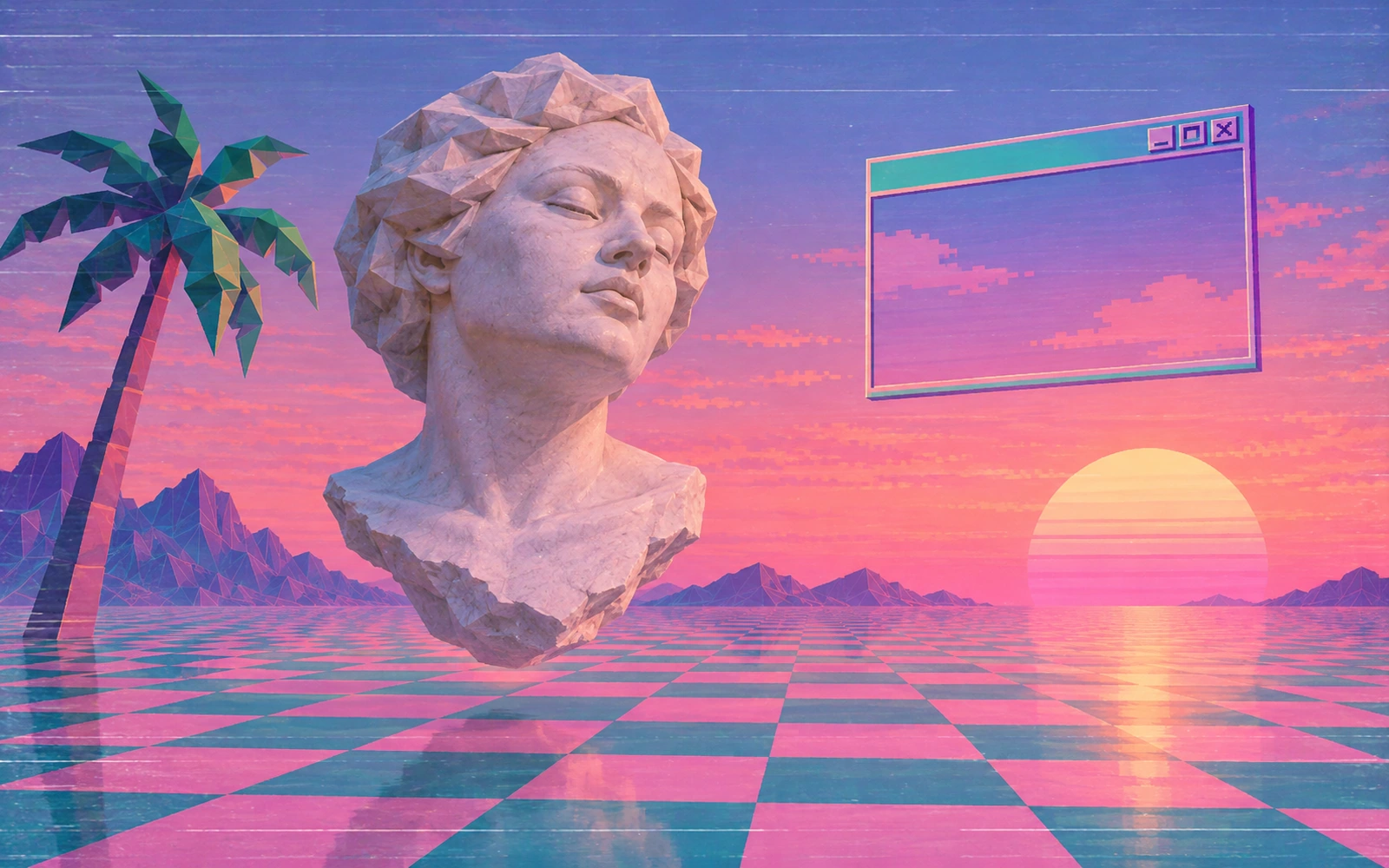
Pastel gradients, Greek busts and old computers, ironic and nostalgic.
Futures
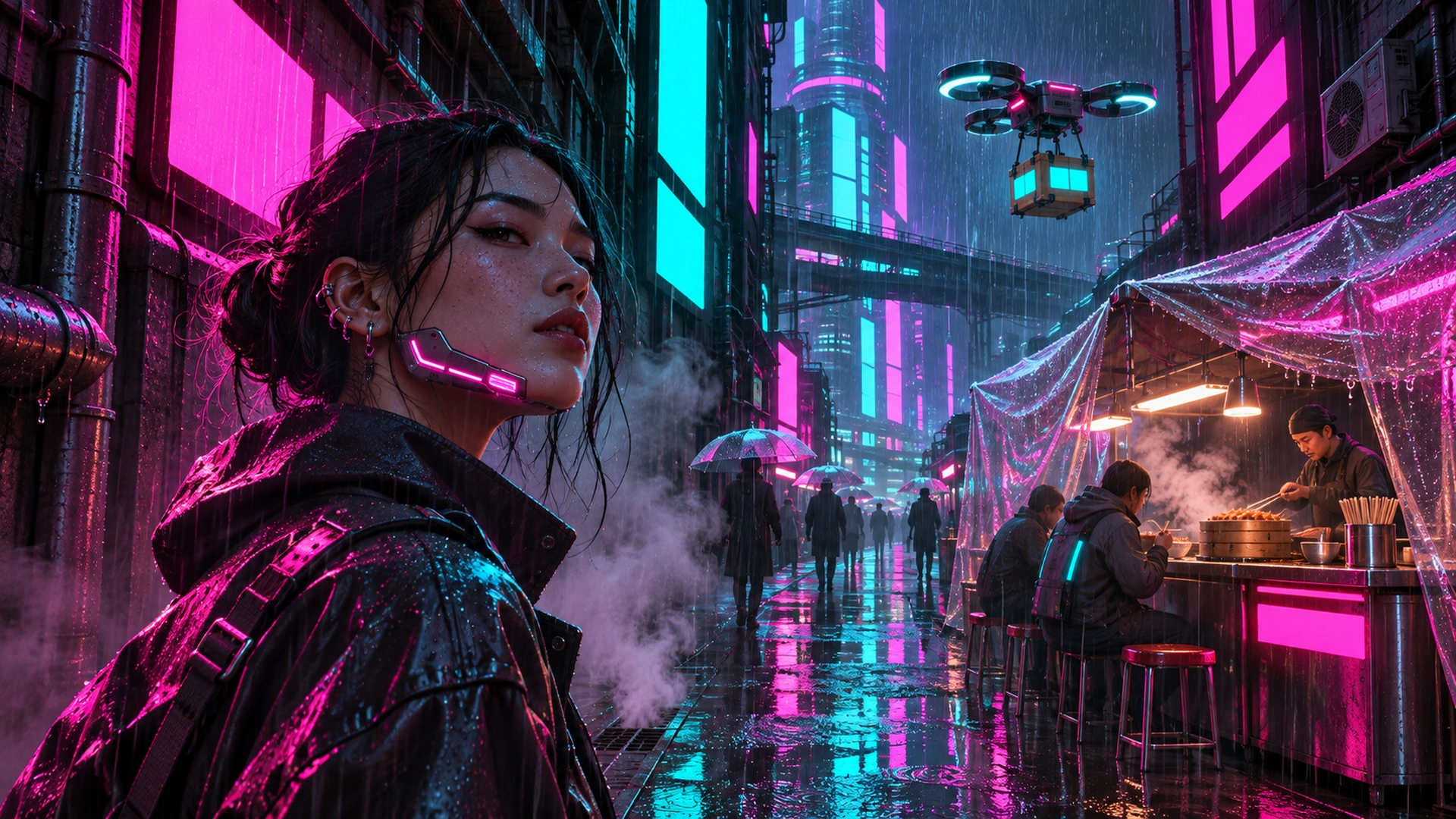
High tech and low life: neon signs, rain, dense cities, screens and night.
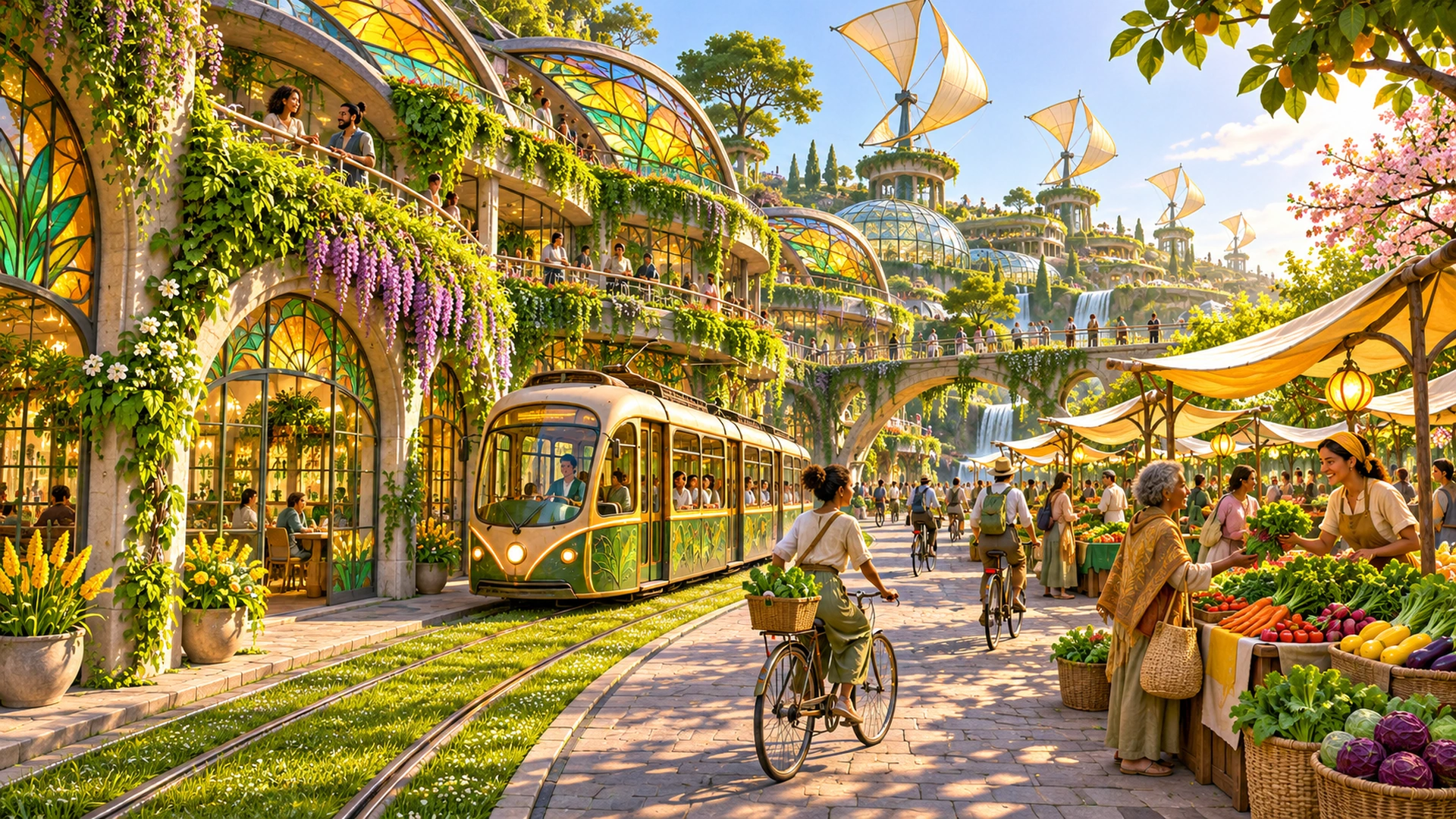
An optimistic green future: plants on buildings, solar panels, sunlight, community.
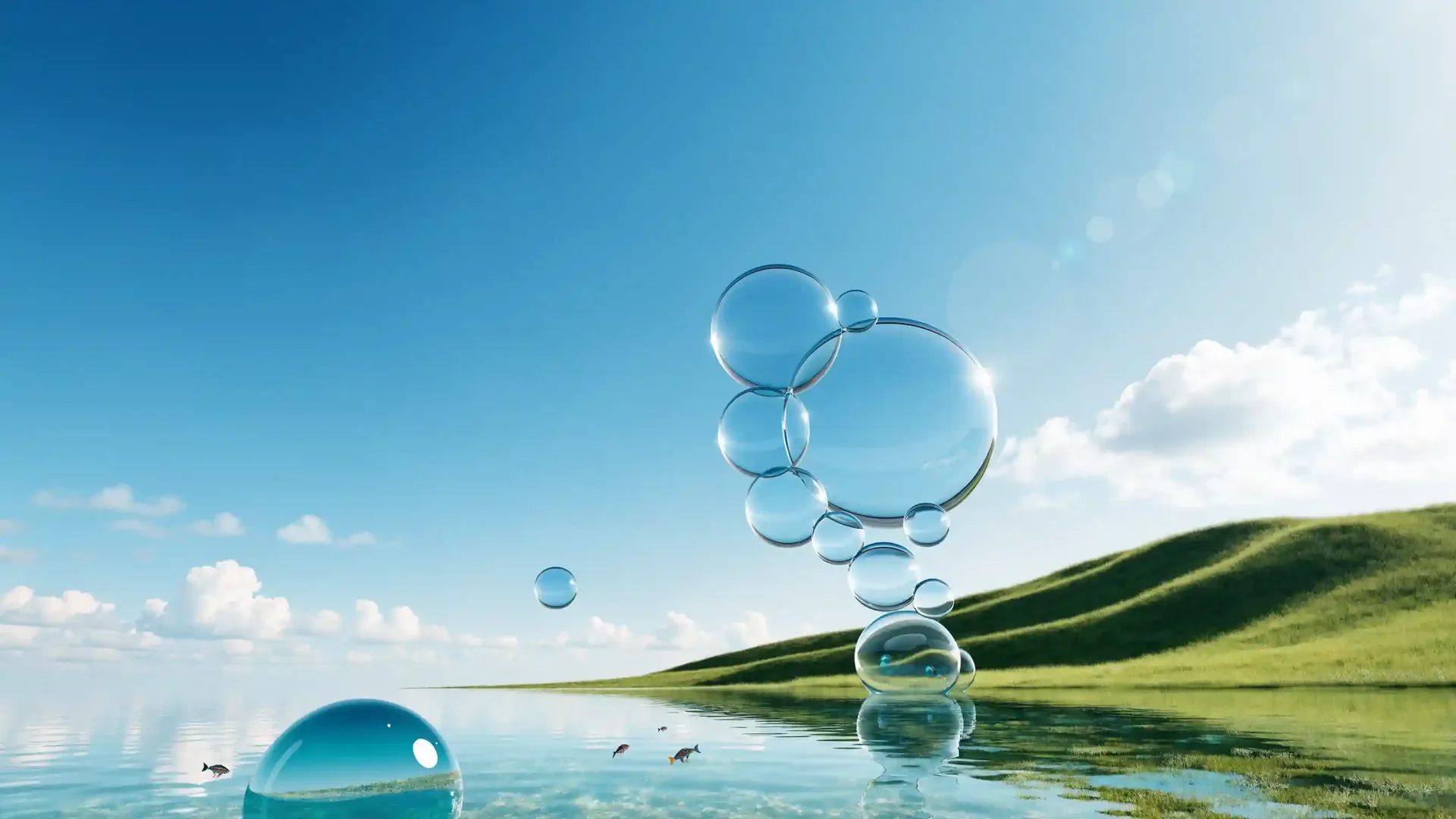
Mid-2000s glossy optimism: water, bubbles, green fields, blue skies and shiny interfaces.
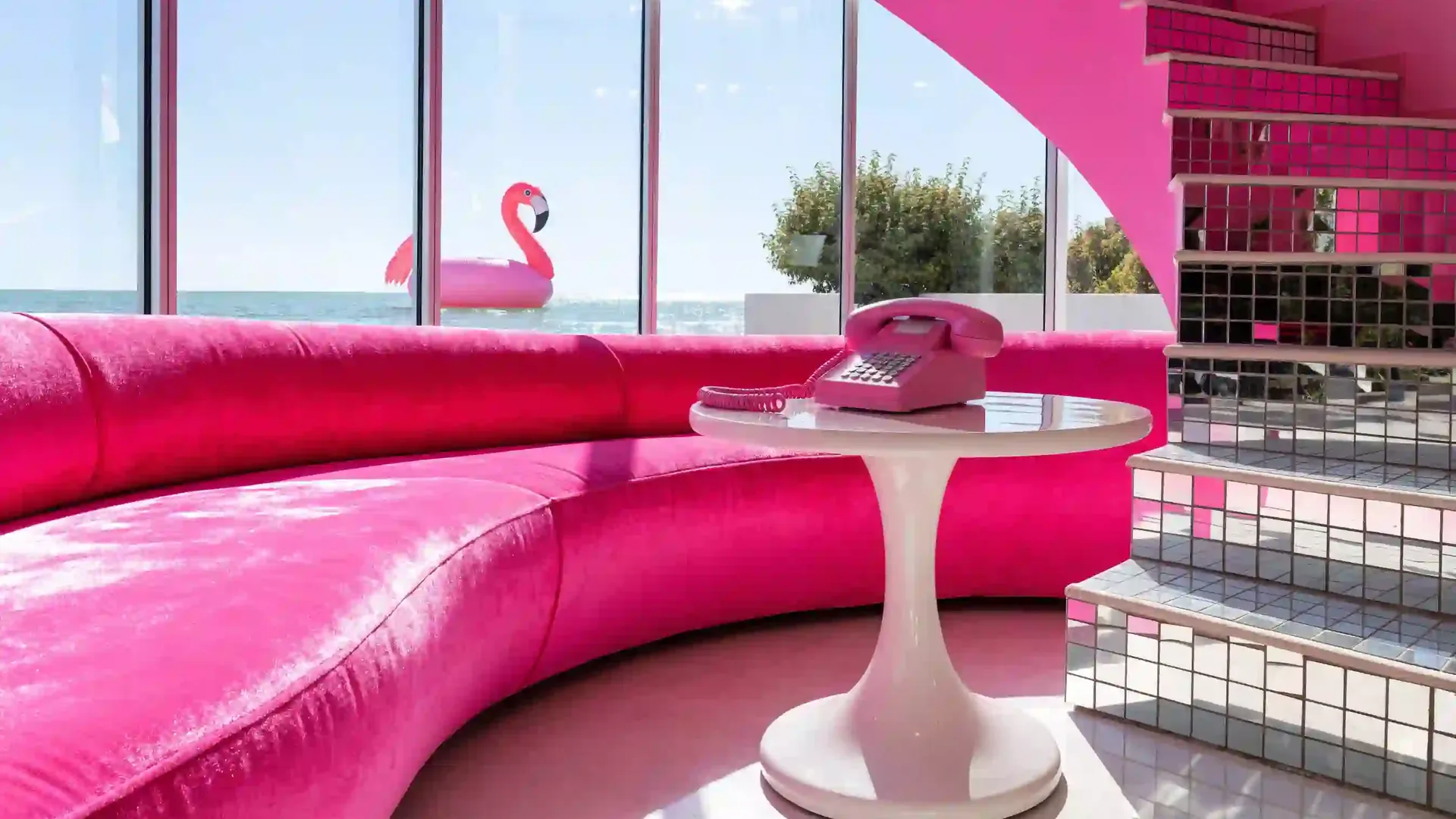
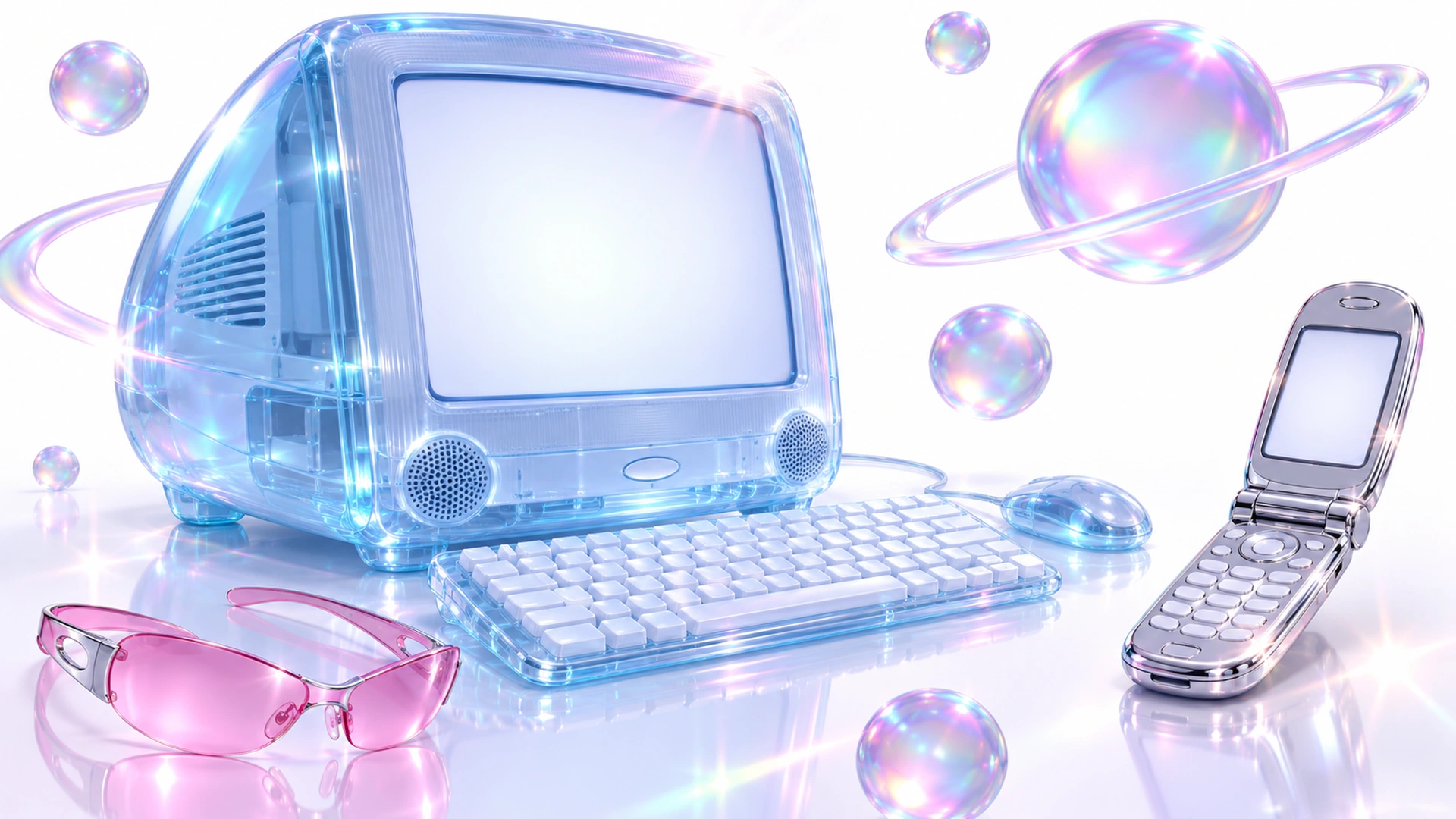
Late-90s futurism: chrome, translucent plastic, blobs, metallic pink and silver.
Uncanny and dreamlike
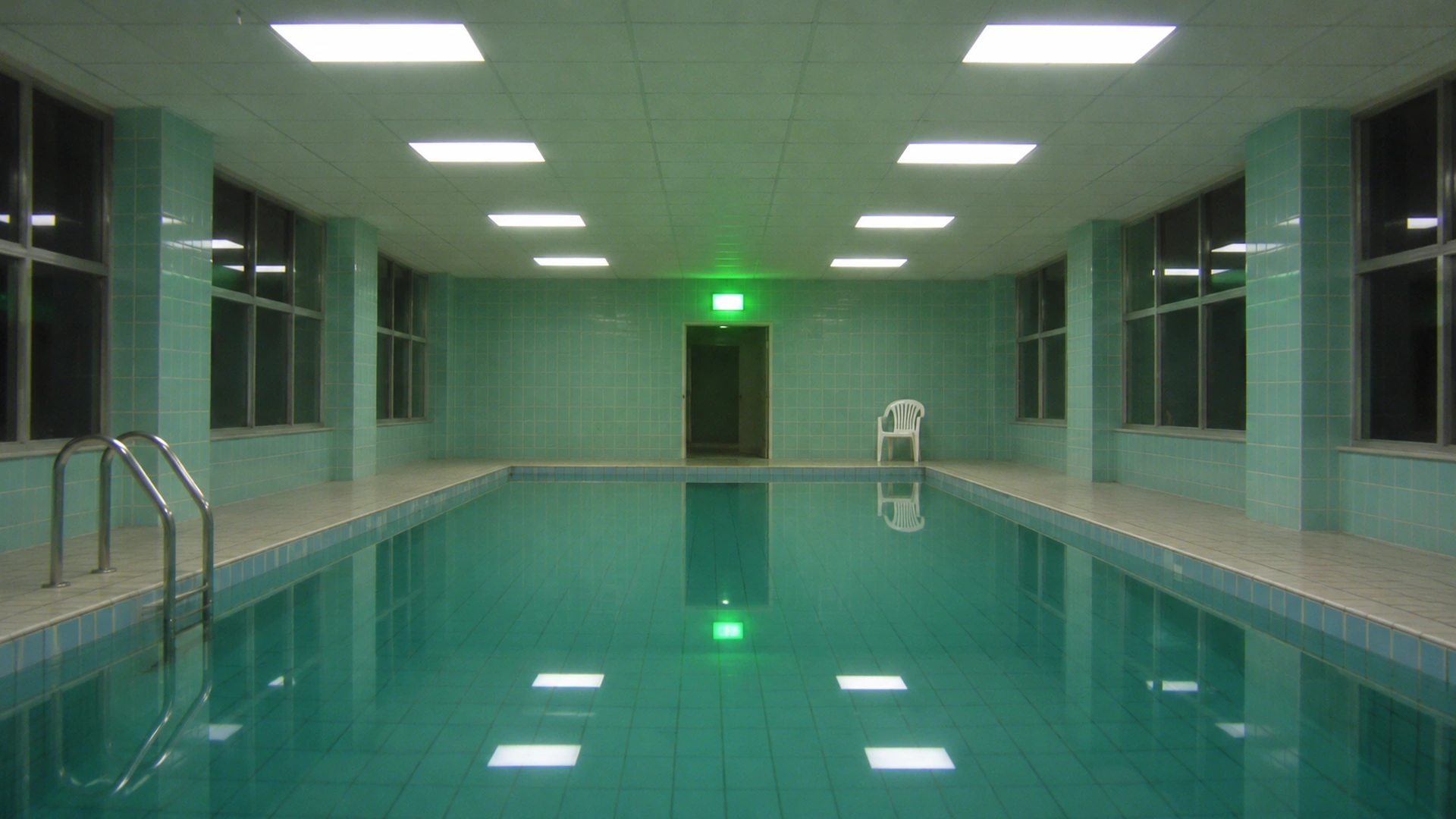
Empty transitional places, such as hallways, pools, malls and parking lots, that feel strangely familiar.
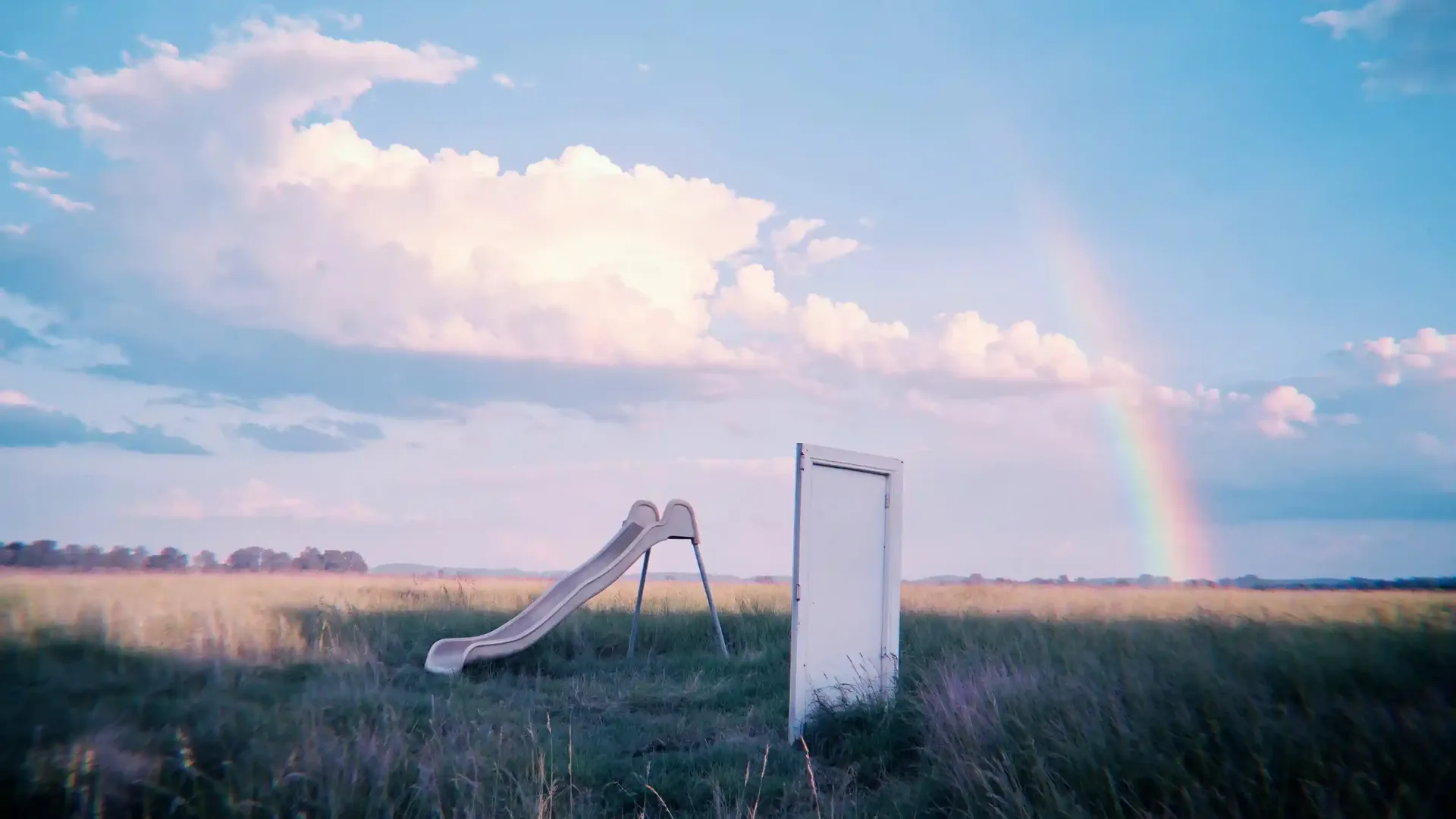
Soft, nostalgic and slightly wrong imagery, like a half-remembered dream.
Low-quality, unsettling images with odd text and empty spaces; more disturbing than dreamcore.
An internet legend of endless yellow office rooms with buzzing fluorescent light.
Everyday and style
Quiet luxury: neutral colours, tailored clothes, country houses, sailing.
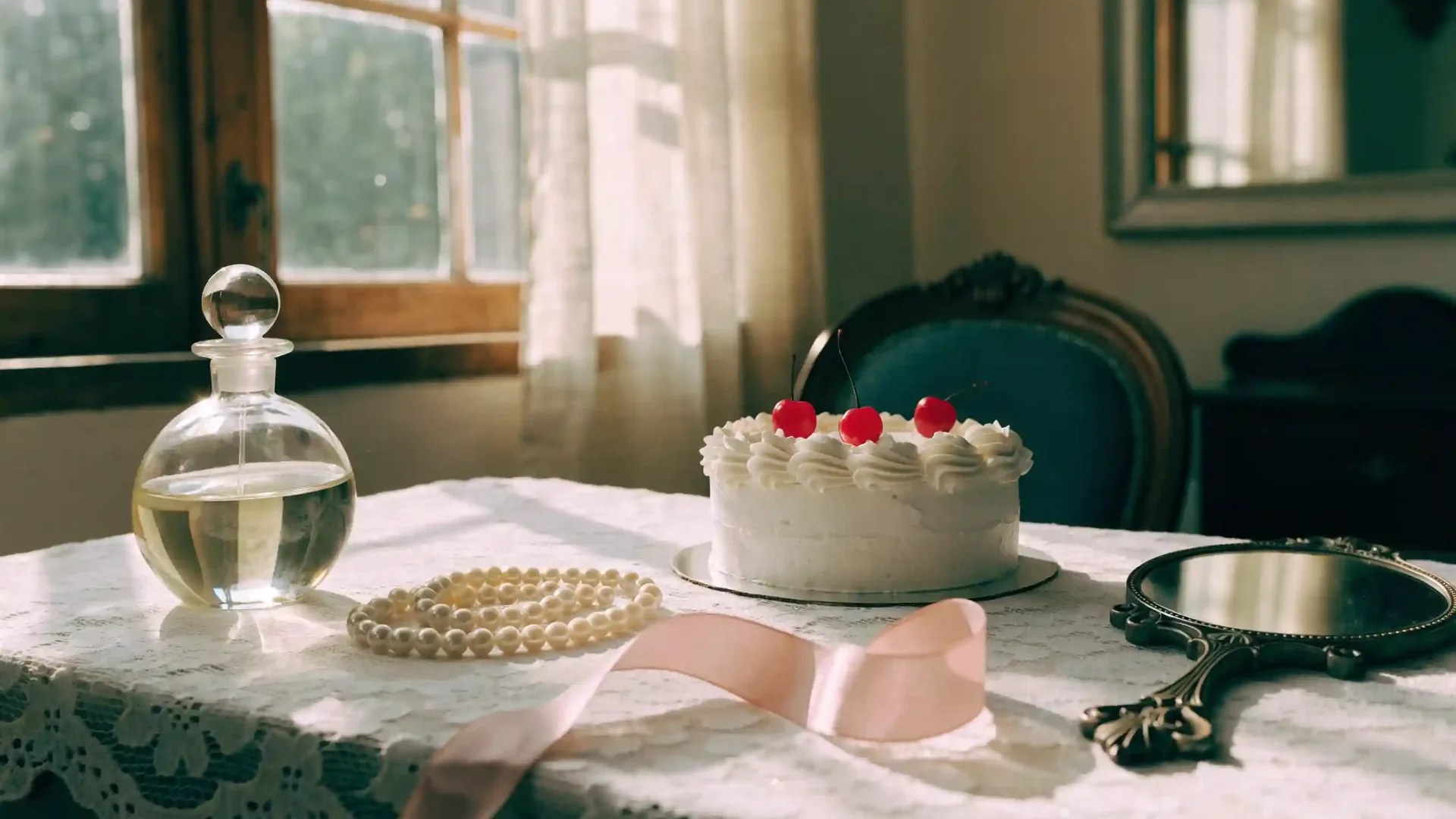
Bows, lace, pink and cream, delicate and romantic details.
Outdoor technical clothing worn in the city: fleece, shells, hiking shoes.
Words to describe Internet Aesthetics
Precise words for the qualities above. Combine a few of them instead of naming the style or artist alone.
- cottagecore golden meadow light
- dark academia candlelit library
- light academia linen and daylight
- cyberpunk neon rain at night
- solarpunk green rooftops
- Frutiger Aero glossy bubbles
- liminal empty hallway
- dreamcore soft nostalgic haze
- Backrooms yellow fluorescent rooms
- Y2K chrome and translucent plastic
A liminal space photograph: an empty indoor swimming pool at night, pale turquoise water perfectly still, white tiles on every surface, flat fluorescent light with no visible source, no people, a slightly wide lens and the feeling of a place you once visited in a dream.
How to describe Internet Aesthetics in words
- Name the aesthetic, then list its ingredients: light, colours, objects, places.
- Combine one aesthetic with one specific subject instead of copying its clichés.
- Say what feeling it should leave: cosy, uncanny, hopeful, nostalgic.
Where we usually get it wrong
Aesthetic names are shortcuts, and alone they produce clichés: every 'cottagecore' image becomes the same meadow and gingham dress. Use the name to set the direction, then describe your own specific scene. And many of these labels change meaning quickly; check what a word means now before building a project on it.
Where the names come from
Many aesthetics end in '-core', a suffix that spread after the trend agency K-Hole used the word 'normcore' in 2013. Others borrow from history (dark academia, Victorian), from places (Japandi, Scandi), from technology (Y2K, Frutiger Aero) or from a feeling (liminal spaces, dreamcore). Fan-run sites such as the Aesthetics Wiki catalogue hundreds of them; most last a few seasons, a few become part of the language.
A quick list of popular aesthetics
- Cottagecore: rural, handmade, baking, meadows, linen.
- Dark academia: old libraries, tweed, candlelight, Latin.
- Light academia: the same, in cream and sunlight.
- Coquette: bows, lace, pearls, pale pink.
- Old money / quiet luxury: neutral tailoring, worn leather, no logos.
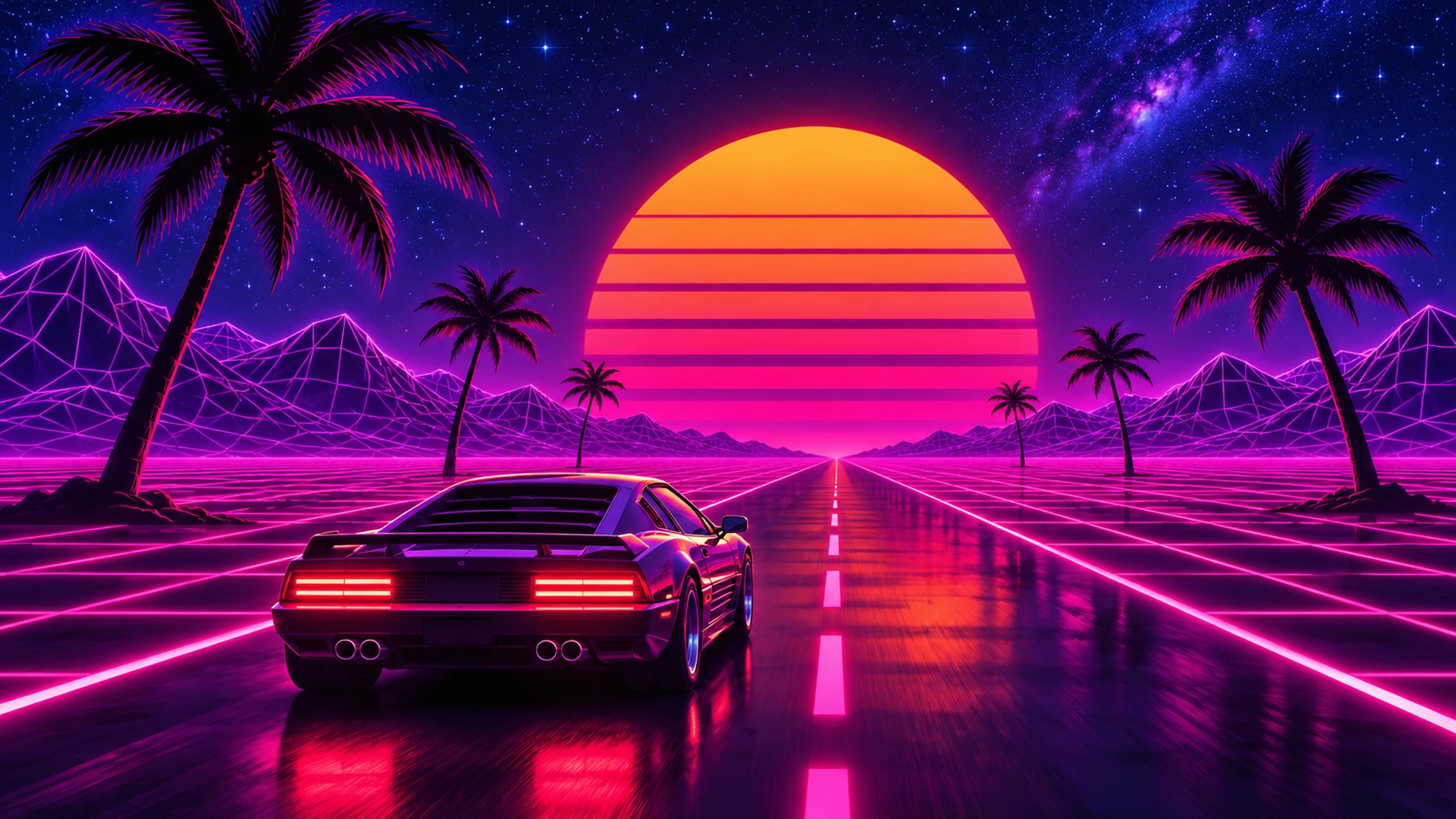
- Y2K: chrome, gloss, pink tech, low-rise.
- Vaporwave: pastel 90s computer graphics, statues, palm trees.
- Liminal spaces: empty corridors, pools and malls at the wrong hour.
- Dreamcore: hazy, childlike, uncanny memories.
- Kawaii: cute, round, pastel.
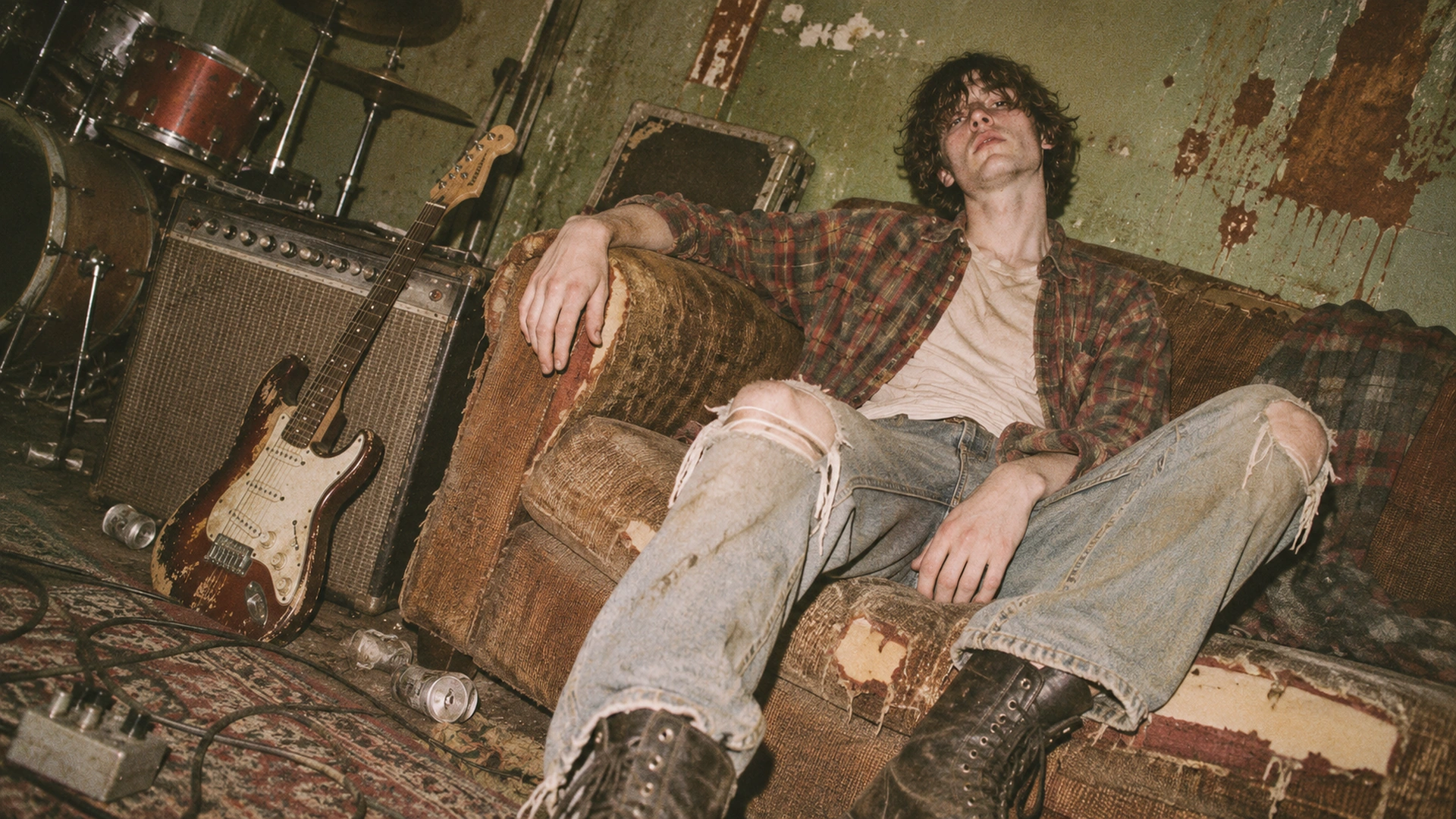
- Grunge: worn flannel, distortion, faded colour.
- Cyberpunk: neon, rain, megacities.
- Solarpunk: green cities, solar glass, hopeful futures.
- Frutiger Aero: glossy 2000s optimism, water, bubbles, sky.
How to find your aesthetic
- Save thirty images you love without thinking about why.
- Lay them out together and name what repeats: light, colour, objects, era, place.
- Write one sentence that would describe all of them, without using an aesthetic's name.
- Only then look for the names that fit; you will usually be a mix of two or three.
- Keep the sentence. It is more yours than any label.
Labels and stories
An aesthetic is a story people tell about themselves with images. Narrative therapy reminds us that labels can open a life or close it: 'I am dark academia' can be play, or a box. Use the names as words for a mood, not as identities, and you keep the freedom to change.
Questions about Internet Aesthetics
What is an internet aesthetic?
A named visual mood that develops online, mixing colours, clothes, objects, places and feelings, such as cottagecore, dark academia or Y2K, shared mainly through images on social platforms.
How many aesthetics are there?
There is no fixed number. Fan-run catalogues list hundreds, but only a few dozen are widely recognised, and new ones appear every year.
How do I find my aesthetic?
Collect images you love, name what repeats in them, write one sentence that describes them all, and only then look for the aesthetic names that fit. Most people are a mix.
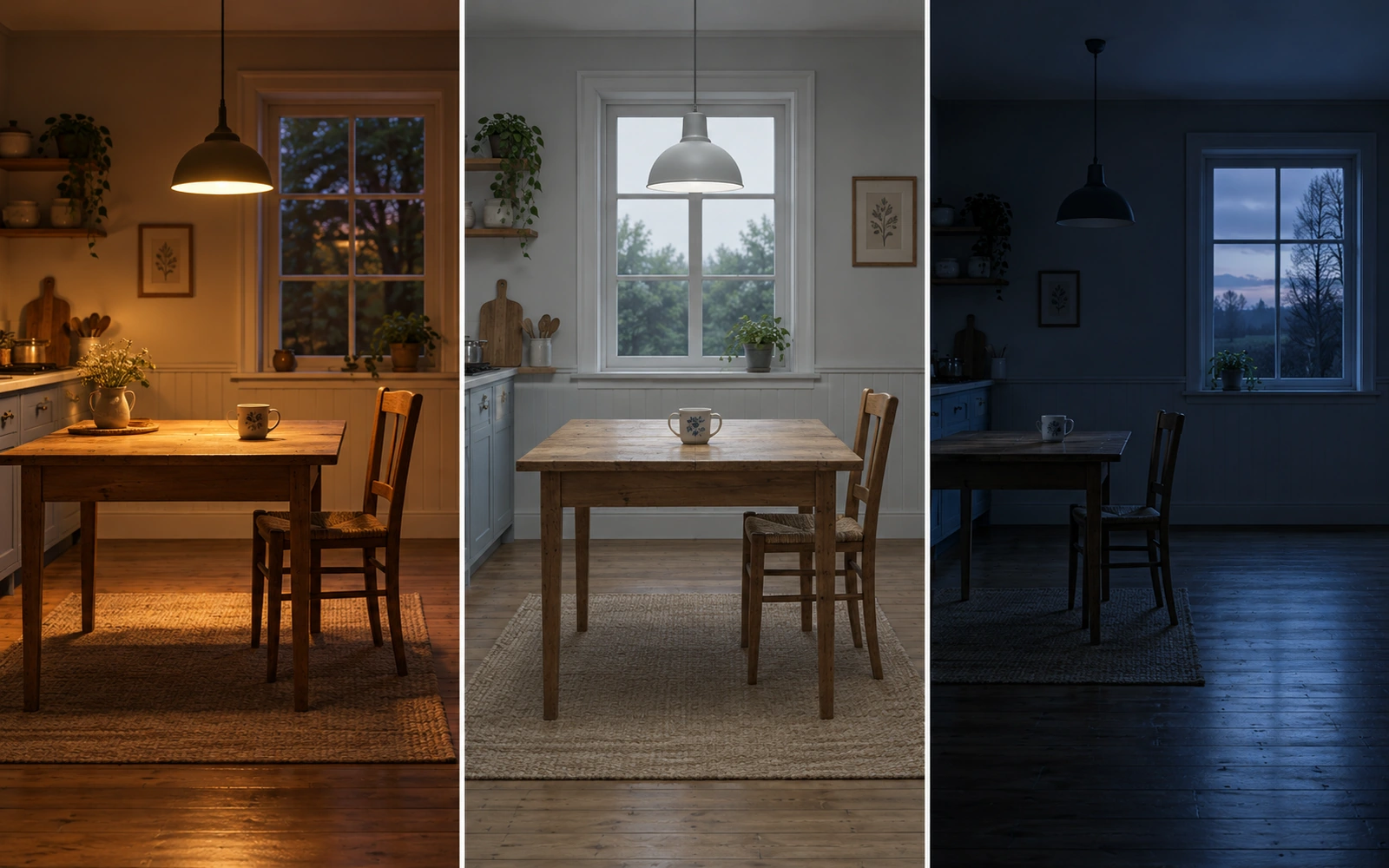
Take one ordinary place, such as a bus stop, and describe it in three aesthetics: cottagecore, cyberpunk and liminal space. Change only light, colour, objects and the number of people.
Sources and further reading
- K-Hole and Box 1824, Youth Mode: A Report on Freedom, 2013 (origin of 'normcore').
- Aesthetics Wiki (fan-run catalogue of internet aesthetics), Fandom.
- Kyle Chayka, Filterworld: How Algorithms Flattened Culture, Doubleday, 2024.