A spotlight in the dark
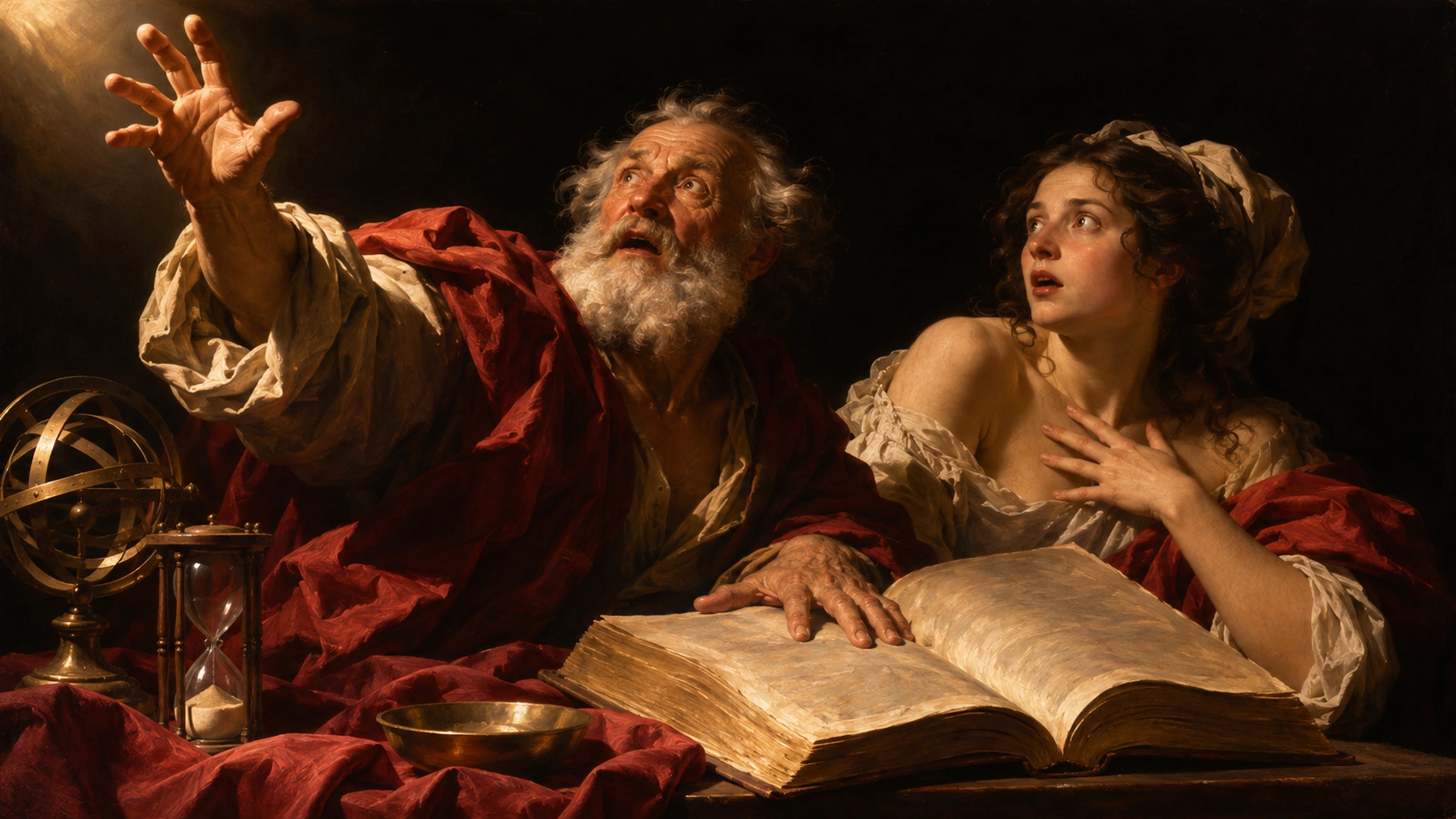
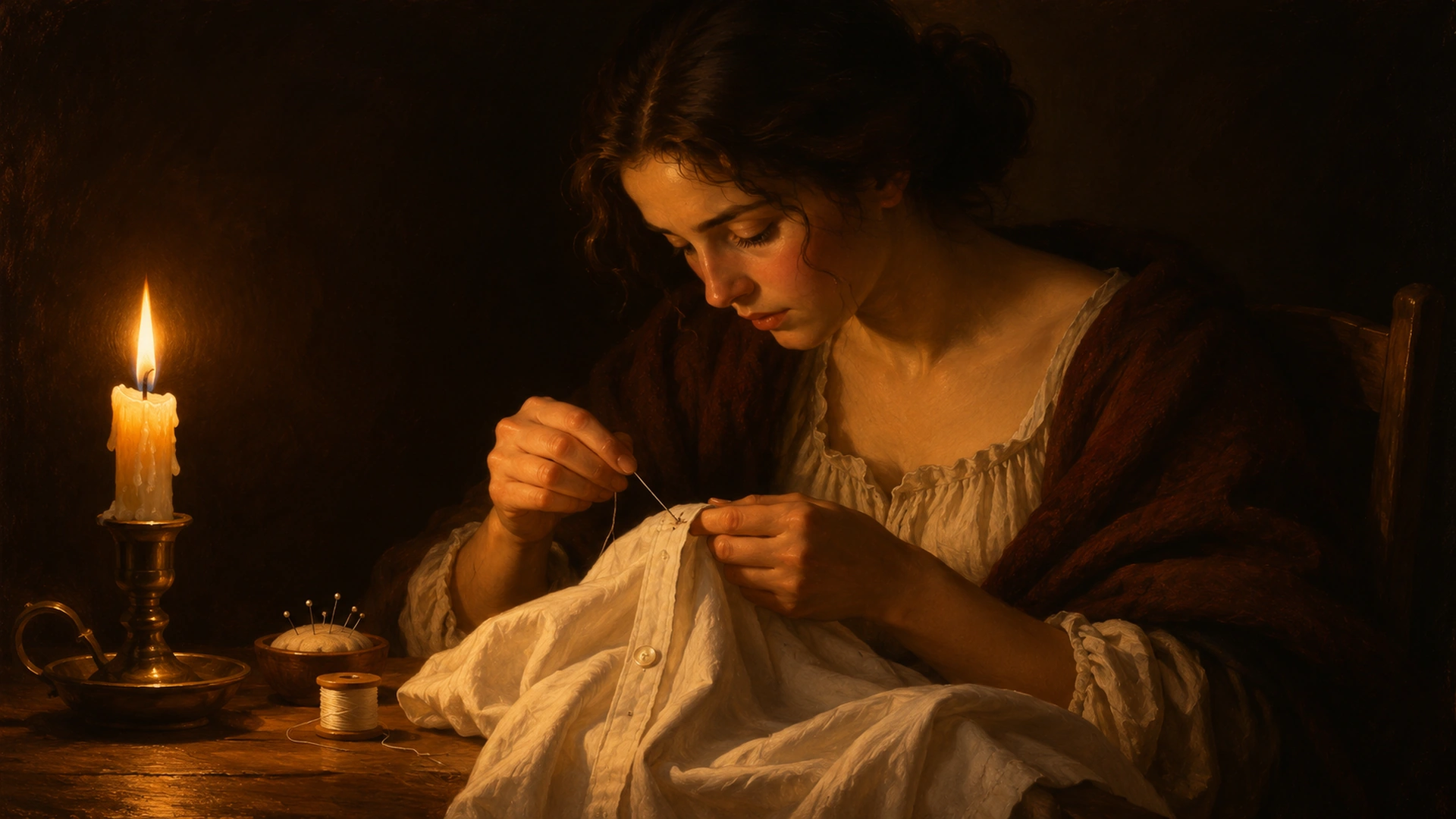
Michelangelo Merisi da Caravaggio was born in 1571 and worked mainly in Rome, where his paintings caused a sensation around 1600. He used ordinary people from the streets as models for saints and apostles, with dirty feet and worn faces, and lit them with a single strong light falling from above into almost black darkness.
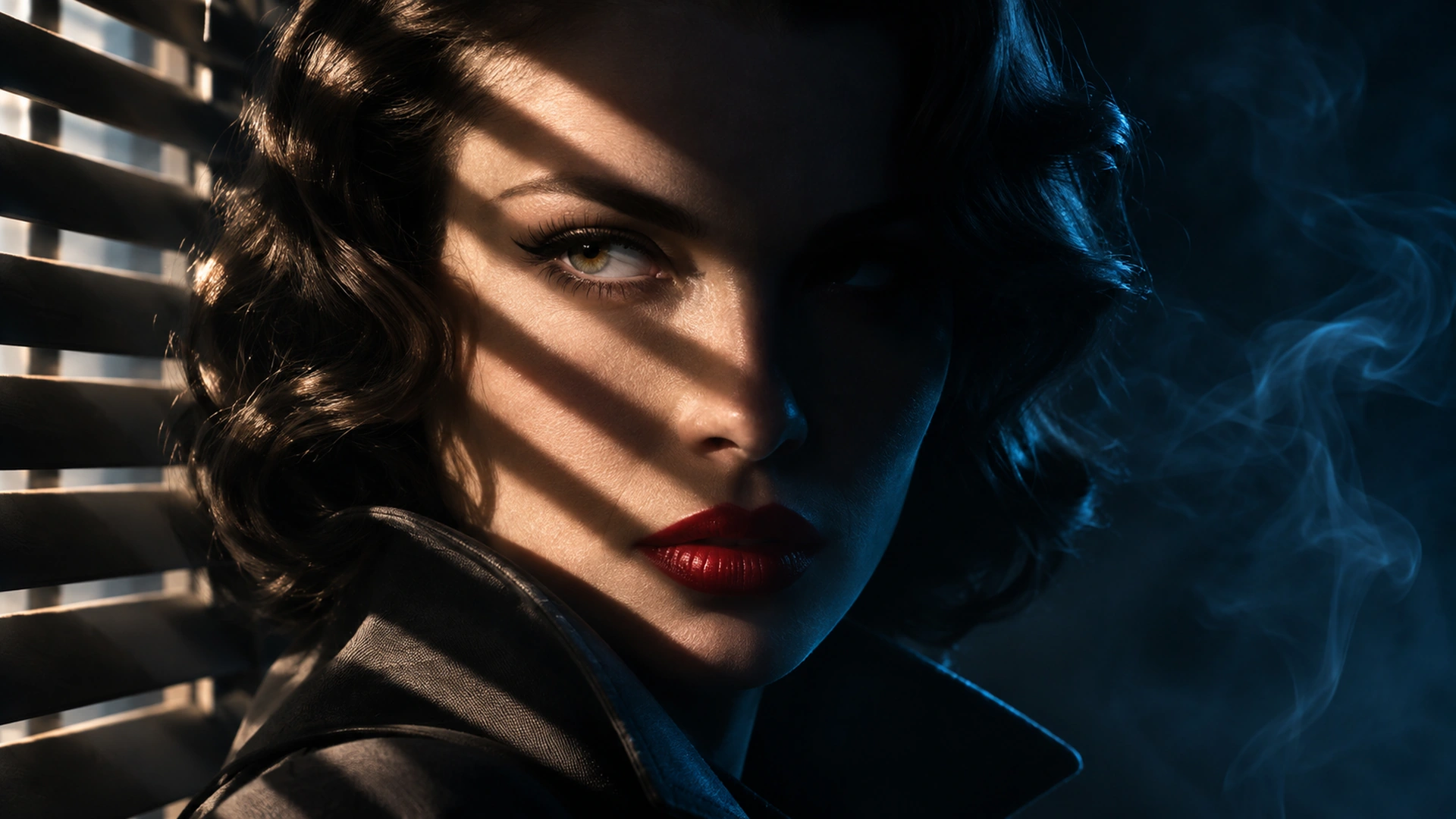
Works such as The Calling of Saint Matthew (1599–1600) and Judith Beheading Holofernes made this style, later called tenebrism, spread across Europe through his followers, the Caravaggisti. His life was violent and short; he died in 1610. Today 'Caravaggio lighting' is a standard reference in portrait photography and film.
Visual anatomy of Caravaggio
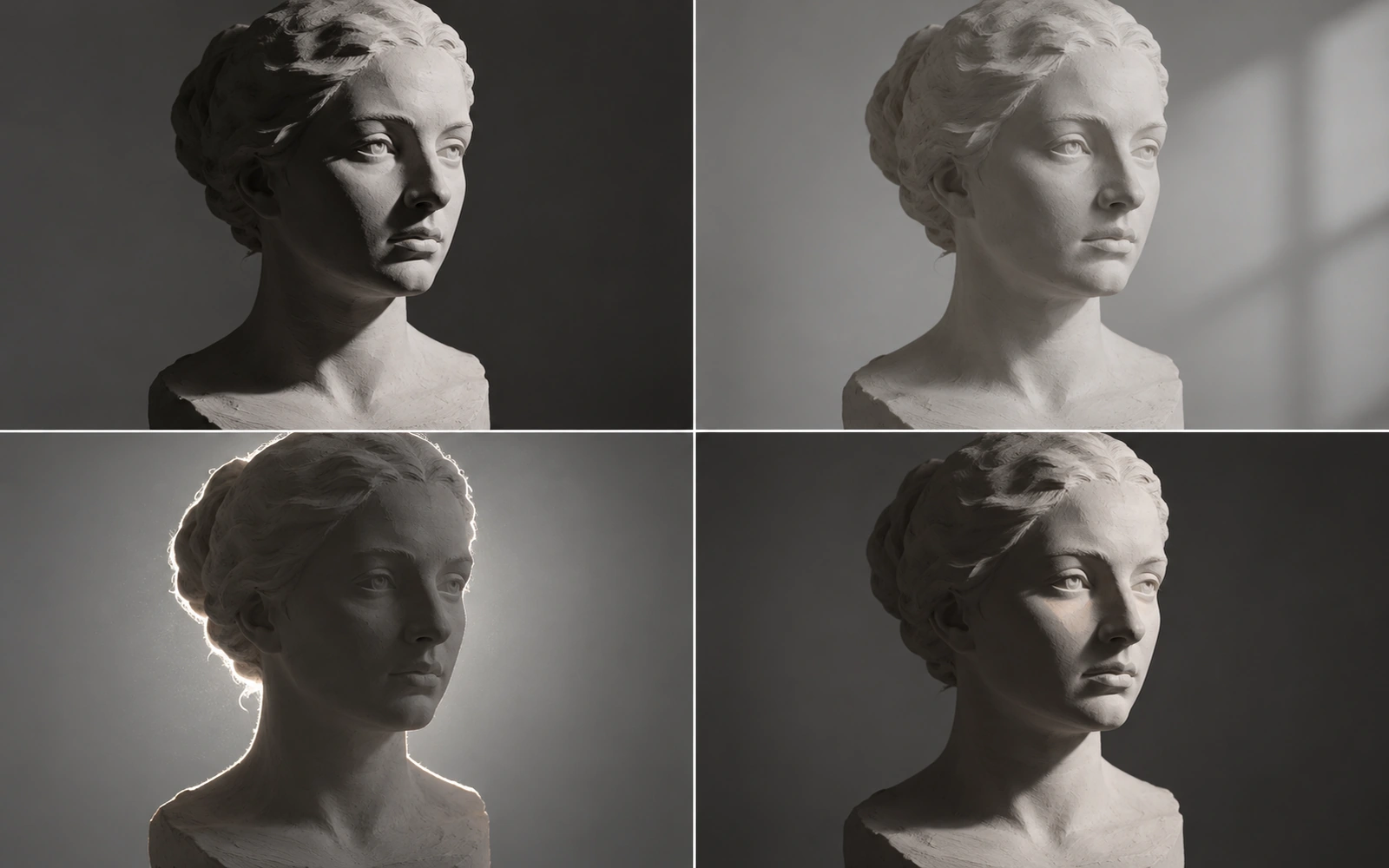
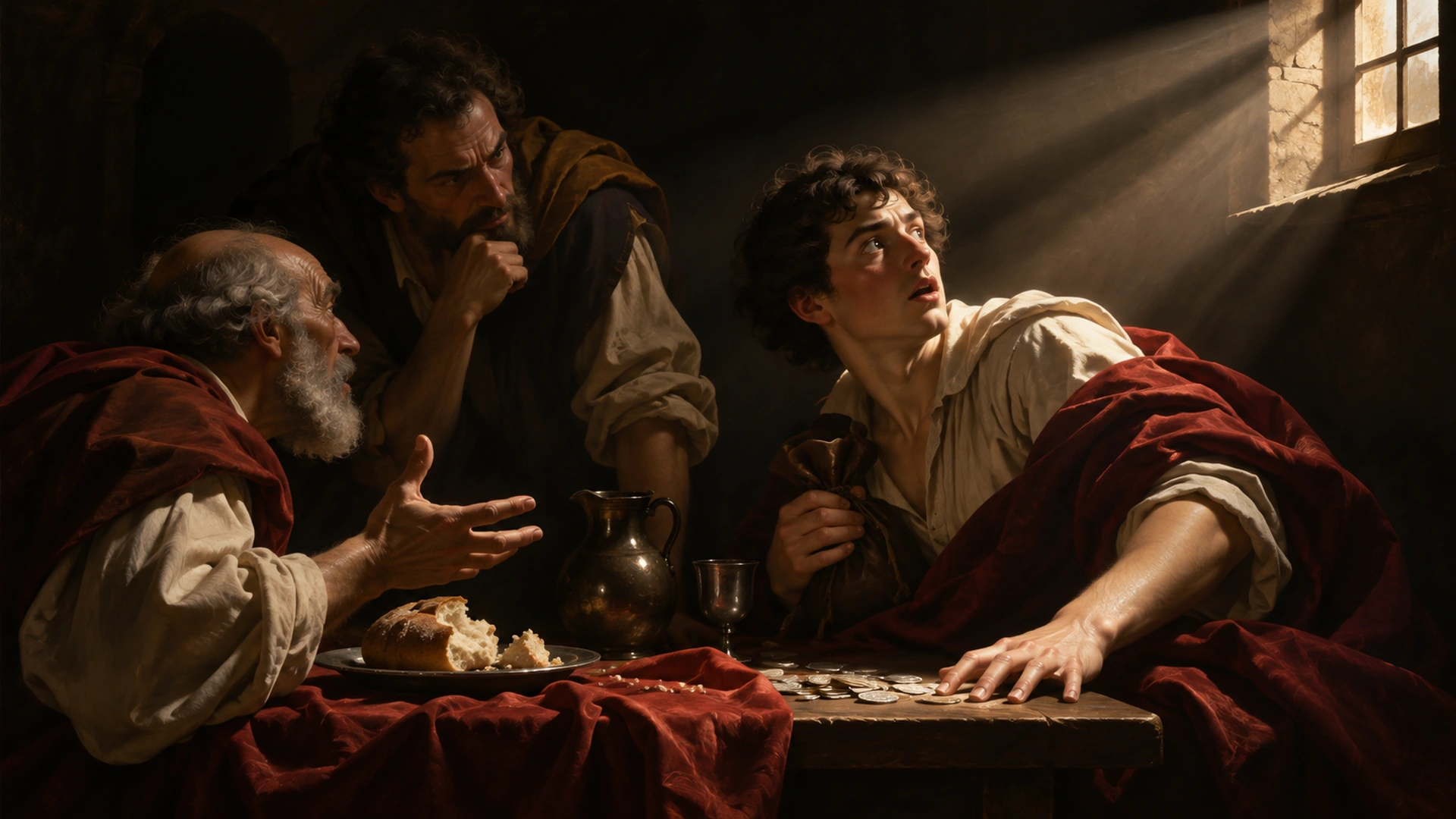
One strong directional light, usually from high on one side, like a window or a spotlight.
Deep black backgrounds where much of the scene disappears.
Real, unidealised people with rough skin, worn clothes and dirty feet.
The most dramatic instant of a story, caught at its peak.
Figures pressed close to the picture plane, often in a shallow space.
Sharp realism in faces, hands, fabric and still life.
How to recognize Caravaggio's work
- A single hard light against deep darkness.
- Ordinary, realistic faces in dramatic scenes.
- Action frozen at its peak moment.
Where people get it wrong
Caravaggio's lighting is often copied as 'just make it dark'. The key is a precise direction and shape of light that models faces and hands sculpturally, and leaves deliberate areas in shadow.
Words to describe Caravaggio
Words for what you see and feel in this work. They are for describing and understanding, not a recipe for copying an artist.
- Caravaggio lighting
- tenebrism
- single hard light from above
- deep black background
- sculpted faces and hands
- realistic street-level models
- dramatic frozen moment
- shallow stage-like space
- warm skin against darkness
- chiaroscuro portrait
An original Baroque-style painting study: three men around a table in a dark room, a single hard beam of light from a high window on the right falling across their faces and hands, one turning in surprise, everything else in deep shadow, warm skin tones and dark red cloth. Not a copy of any existing painting.
What to learn from Caravaggio
- Say where the single light comes from and how high it is.
- Describe what disappears into darkness.
- Name the dramatic moment and the gestures.
Questions about Caravaggio
Who was Caravaggio?
Italian Baroque painter who lit real, street-level people with a single hard light against deep darkness, and taught painting, cinema and photography how to use shadow.
How do you recognize Caravaggio's work?
A single hard light against deep darkness. Ordinary, realistic faces in dramatic scenes. Action frozen at its peak moment.
How do you describe Caravaggio in words or a prompt?
Say where the single light comes from and how high it is. Describe what disappears into darkness. Name the dramatic moment and the gestures.
In a dark room, light a friend's face and hands with a single lamp high to one side. Describe the scene as if it were a Caravaggio: which parts glow, which disappear, what moment it could be.