The city as canvas
Modern graffiti grew in Philadelphia and New York in the late 1960s and 1970s, when teenagers began writing their names, tags, on walls and then on whole subway cars. Over a decade, simple signatures became huge, coloured pieces with interlocking 'wildstyle' letters, arrows and 3D effects, and graffiti joined DJing, MCing and breakdancing as one of the elements of hip-hop culture.
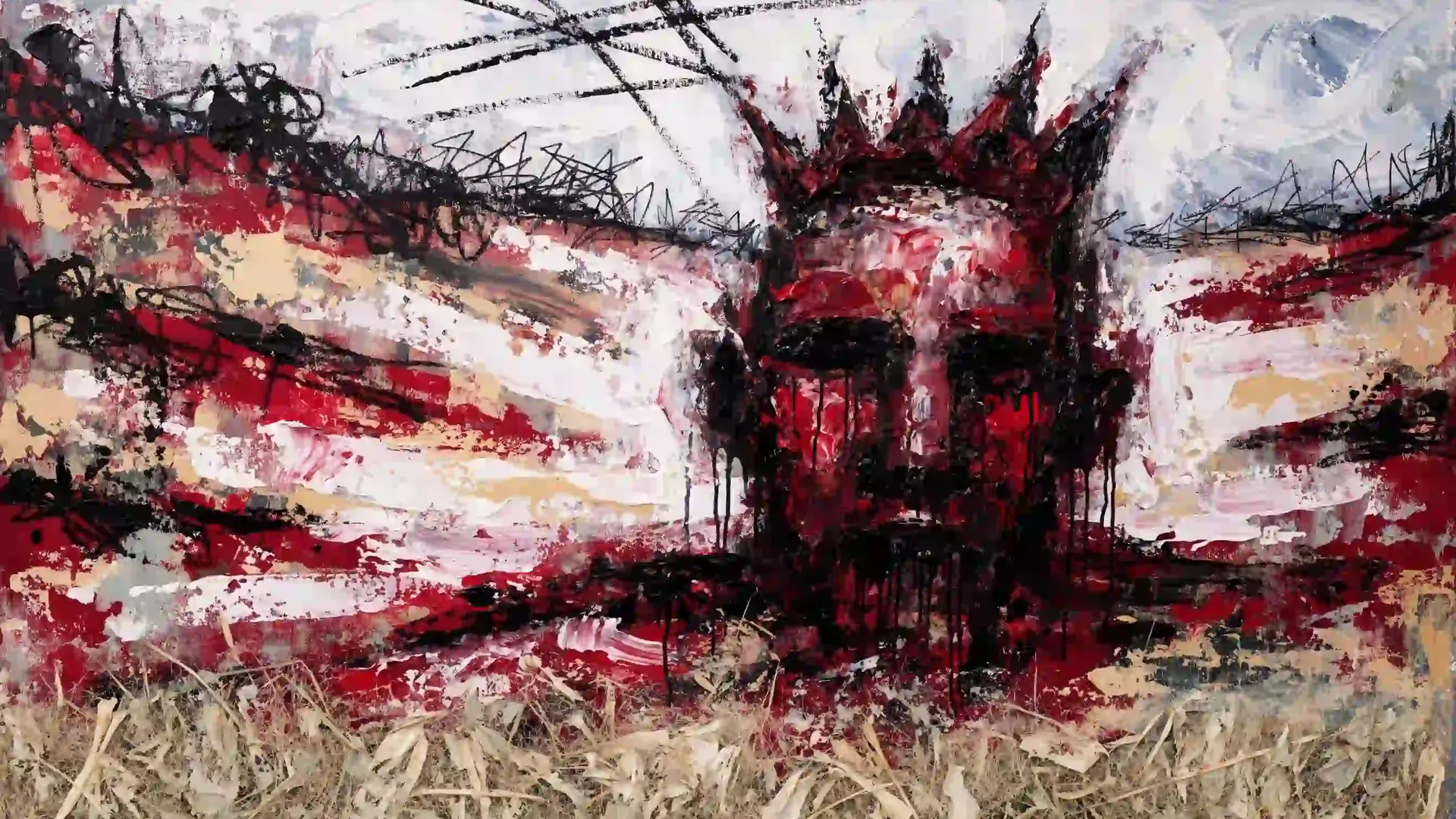
In the early 1980s Keith Haring drew in chalk on empty subway advertising panels and Jean-Michel Basquiat wrote cryptic SAMO phrases around downtown, before both moved into galleries. In Paris Blek le Rat cut stencils of rats; later Banksy made the stencil a global language of satire. Street art widened to paste-ups, stickers, yarn bombing and commissioned murals, and its look of spray paint, drips and layered walls is now everywhere in branding, album covers and fashion.
Visual anatomy of Street Art and Graffiti
Stylised names, from simple tags to interlocking, unreadable wildstyle.
Spray paint, markers, stencils, posters and wheatpaste, stickers, rollers.
Brick, concrete, metal shutters, trains, layered with older marks.
Bold fills, fades and outlines, often with a highlight and a 3D shadow.
Drips, overspray, fat caps and thin caps, visible speed.
Identity, territory, humour, protest, or simply presence.
Words of the street
A quick stylised signature in one colour.
Bubble letters in two colours, painted fast.
Short for masterpiece: a large, complex, multicoloured work.
Letters so interlocked and decorated they become hard to read.
A cut-out template sprayed over for quick, repeatable images.
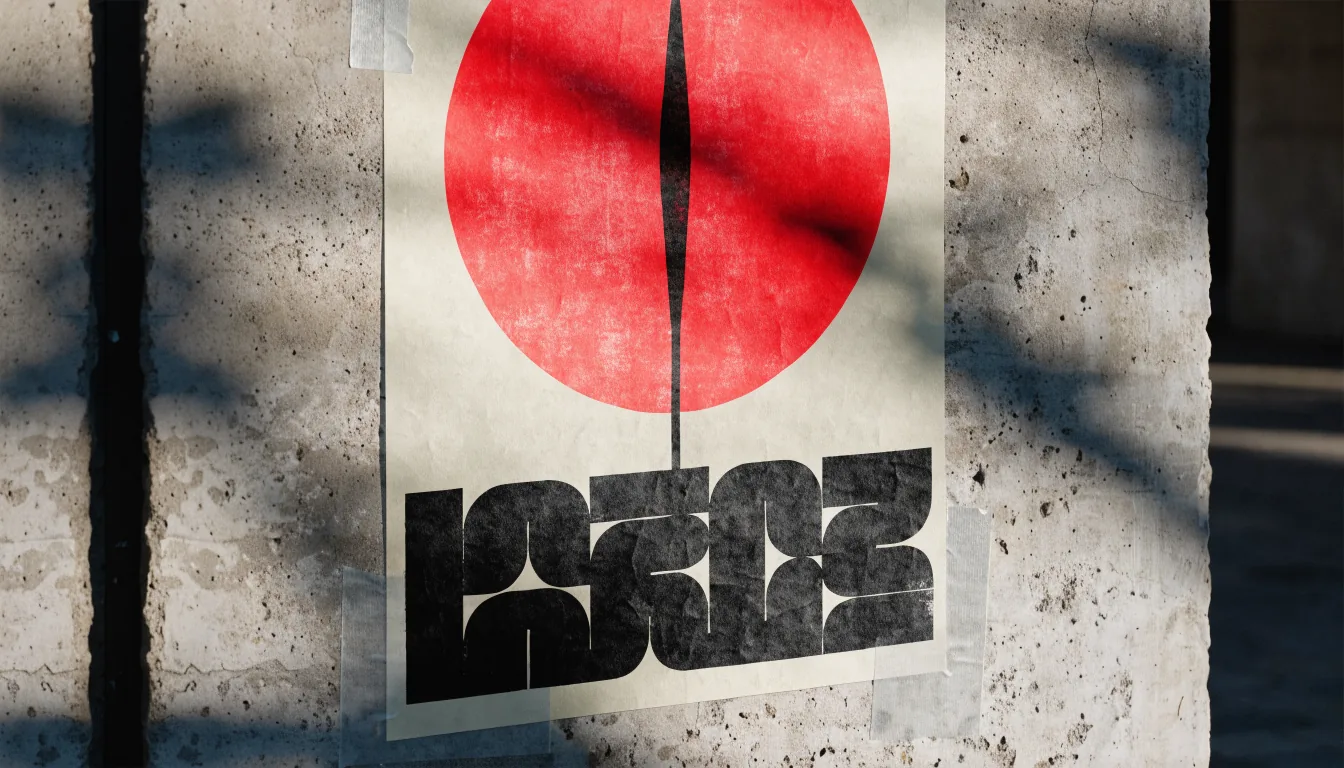
Paper posters glued to walls with wheatpaste.
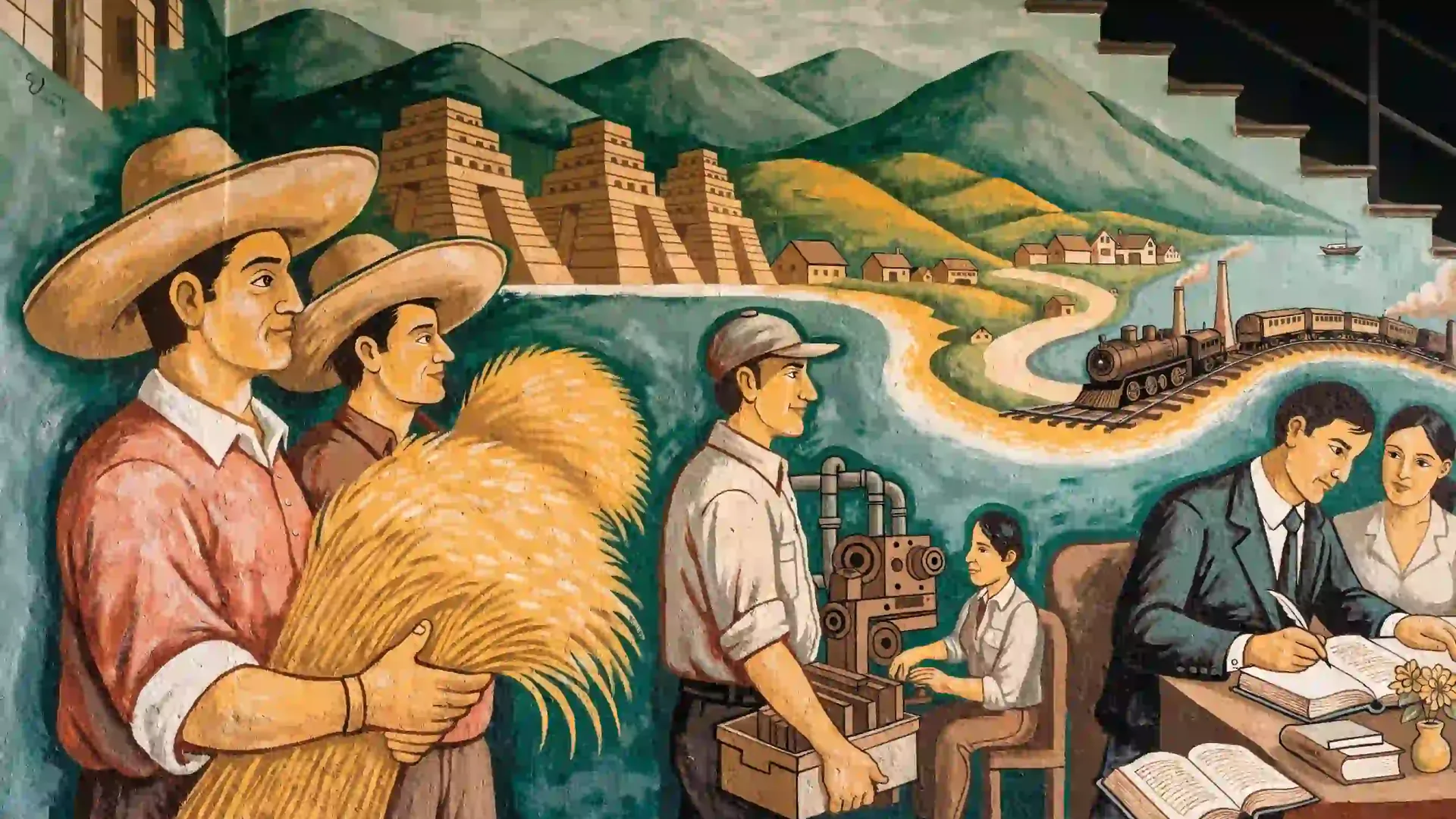
A large commissioned or permitted wall painting.
An especially strong, bright piece that 'burns' the wall.
How to recognize Street Art and Graffiti
- Spray-paint texture, drips and overspray.
- Stylised letters or stencilled images on real walls.
- Layers of older marks, posters and weathering.
Where people get it wrong
Graffiti and street art are not the same thing for the people who make them. Graffiti writers focus on letters and names, often for other writers; street art usually means images, stencils and paste-ups for the public. Mixing them up in a description sounds like an outsider.
Words to describe Street Art and Graffiti
Precise words for the qualities above. Combine a few of them instead of naming the style or artist alone.
- spray paint drips
- wildstyle lettering
- bubble throw-up
- stencil art on brick
- wheatpaste posters
- layered urban wall
- fat cap fade
- 3D letter shadow
- subway car piece
- weathered concrete
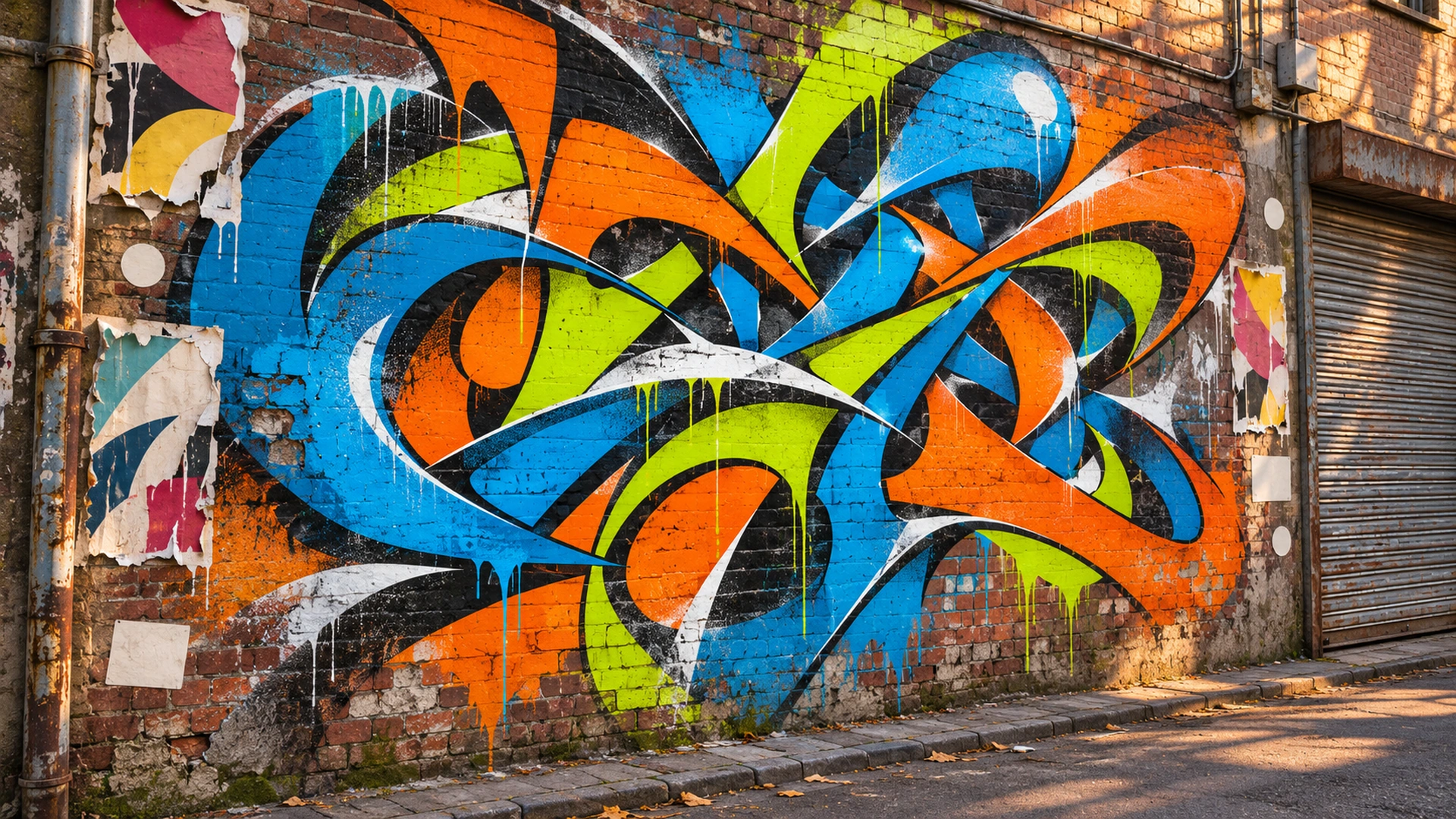
An original street art scene: a weathered brick wall in a narrow alley covered with a huge colourful mural of abstract interlocking shapes in electric blue, orange and lime with black outlines and white highlights, spray-paint drips, older torn posters and stickers around the edges, a rolled-down metal shutter, late afternoon light.
What to take from Street Art and Graffiti today
- Name the technique: tag, throw-up, piece, stencil, paste-up or mural.
- Describe the wall itself and what is layered on it.
- Give the colours, outlines and highlights of the letters or image.
Questions about Street Art and Graffiti
What is Street Art and Graffiti?
Art made on public walls without asking: from 1970s New York subway tags and wildstyle letters to stencils, paste-ups and giant murals.
How do you recognize Street Art and Graffiti?
Spray-paint texture, drips and overspray. Stylised letters or stencilled images on real walls. Layers of older marks, posters and weathering.
How do you describe Street Art and Graffiti in words or a prompt?
Name the technique: tag, throw-up, piece, stencil, paste-up or mural. Describe the wall itself and what is layered on it. Give the colours, outlines and highlights of the letters or image.
Find a wall near you with marks on it and describe it layer by layer, oldest to newest: the surface, the faded posters, the tags, and the newest piece or sticker.