Walls for everyone
After the Mexican Revolution (1910–1920), the new government wanted art that would tell a shared national story. From 1921, the Secretary of Public Education, José Vasconcelos, commissioned artists to paint murals in public buildings. The three leading figures, often called 'Los Tres Grandes', were Diego Rivera, José Clemente Orozco and David Alfaro Siqueiros.
Their murals show Indigenous history, the conquest, the Revolution, labour and industry, mostly in true fresco. The movement spread abroad: Rivera painted the Detroit Industry Murals (1932–33), and his Rockefeller Center mural was destroyed in 1934 after he refused to remove a portrait of Lenin. Orozco painted The Epic of American Civilization at Dartmouth College (1932–34). The muralists influenced the US government's public art programmes of the 1930s and, later, the Chicano mural movement.
Visual anatomy of Mexican Muralism
Whole walls, stairwells and ceilings, designed for architecture.
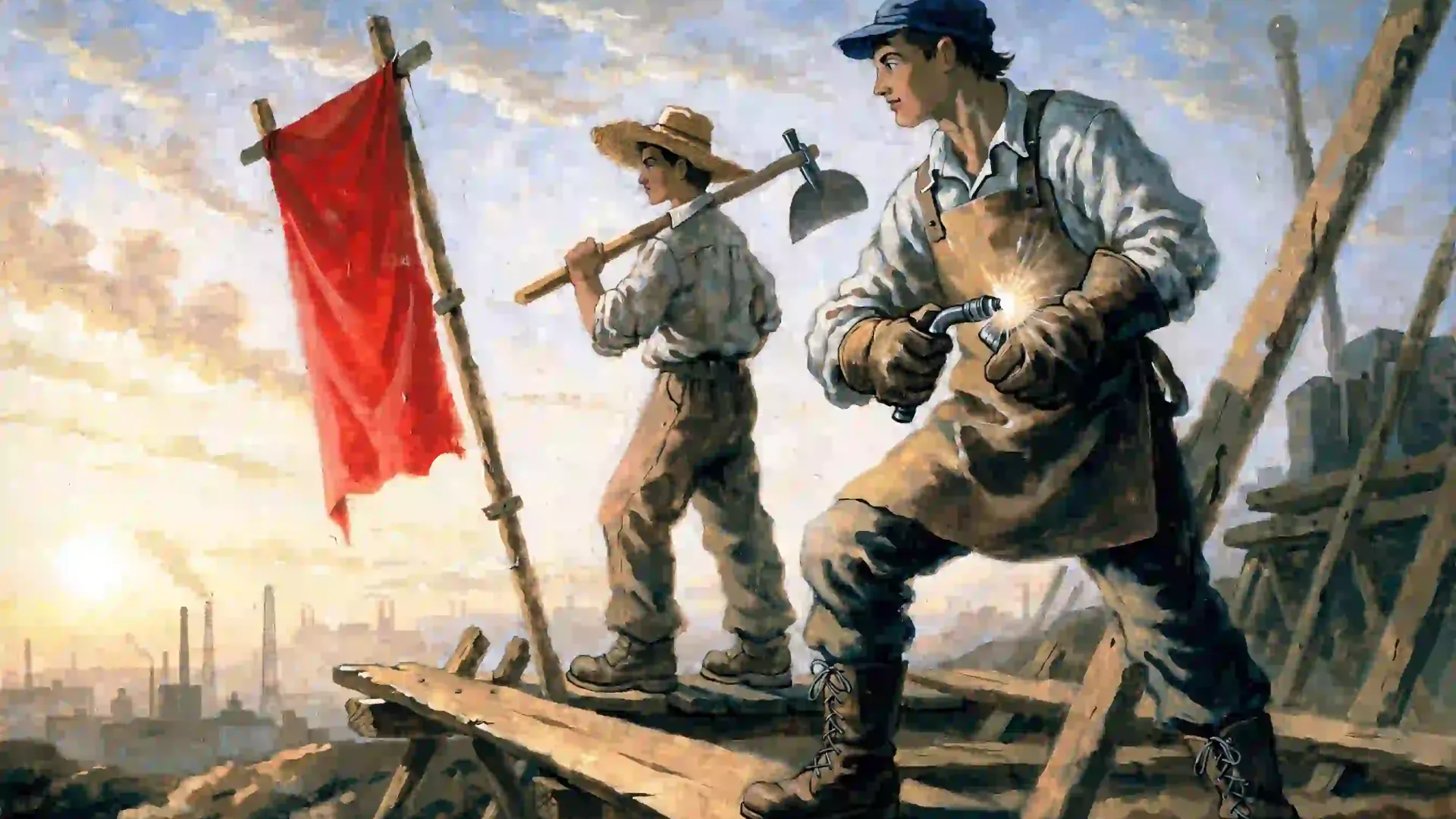
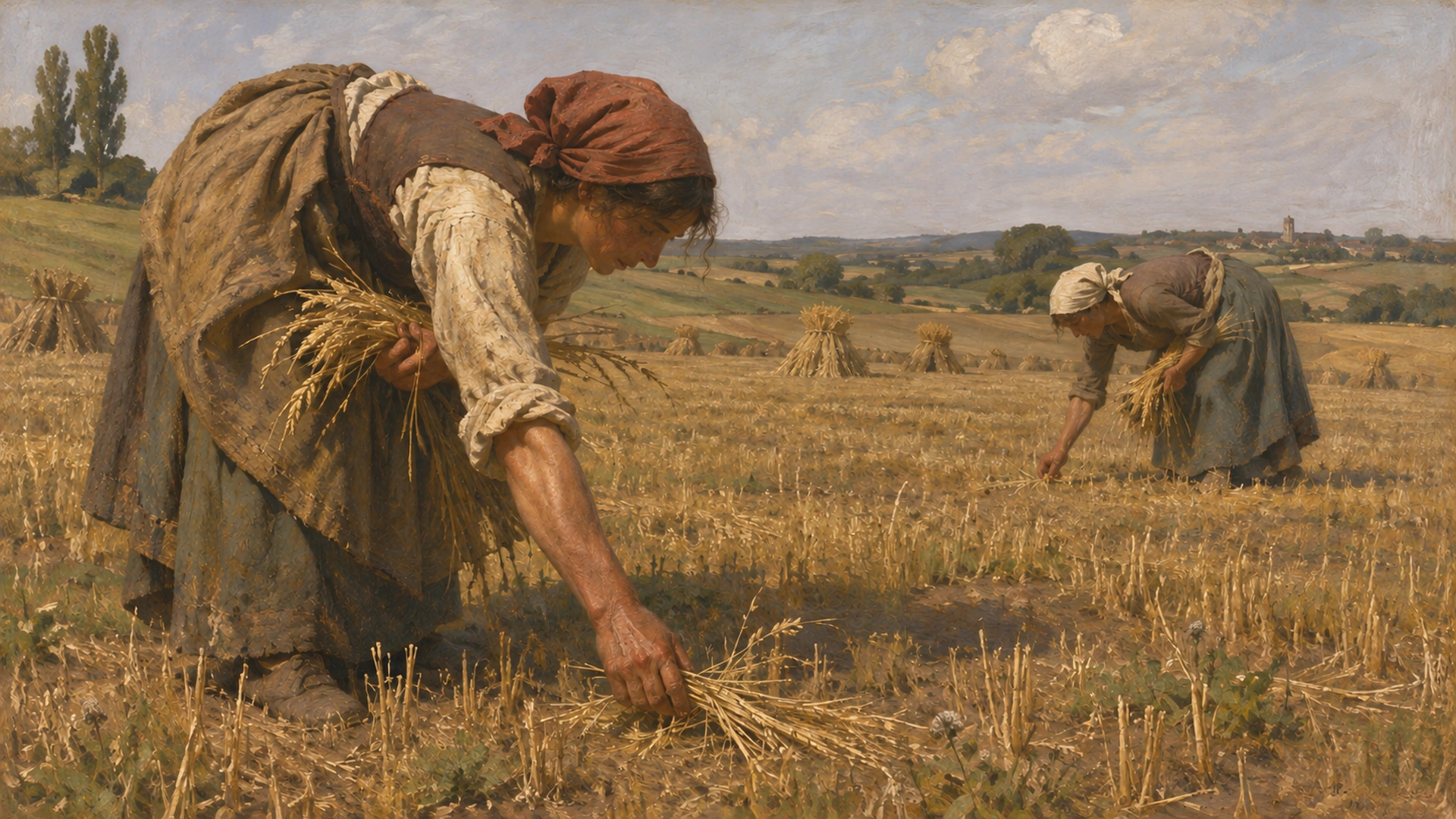
Monumental, solid bodies, often workers, farmers and Indigenous people.
Many figures layered across time in one continuous scene.
Earth colours, deep reds, ochres, greens and blues, fresco-matte.
History, struggle and labour told for a broad public.
Rivera's calm, rounded forms; Orozco's dark, expressive anguish; Siqueiros's dynamic, experimental perspective.
Key works of Mexican Muralism
More than a hundred panels of Mexican life, work and festivals, Mexico City.
Workers and machines of the Ford River Rouge plant, Detroit Institute of Arts.
A cycle on the Americas from migration to modern times, Dartmouth College.
A building covered inside and out with his murals, Mexico City.
How to recognize Mexican Muralism
- Huge public wall paintings.
- Solid, monumental figures of ordinary people.
- Many moments of history in one scene.
- Earthy colour and matte fresco surface.
- A clear social or political message.
Where people get it wrong
Mexican muralism is often reduced to Diego Rivera, or to the image of Frida Kahlo, who was not a muralist. The three leading muralists had very different styles and politics. Another mistake is to treat murals as decoration; they were made as public education and political argument.
Words to describe Mexican Muralism
Precise words for the qualities above. Combine a few of them instead of naming the style or artist alone.
- muralism
- fresco
- Los Tres Grandes
- public art
- monumental figure
- narrative cycle
- Indigenous history
- labour
- Chicano murals
- political art
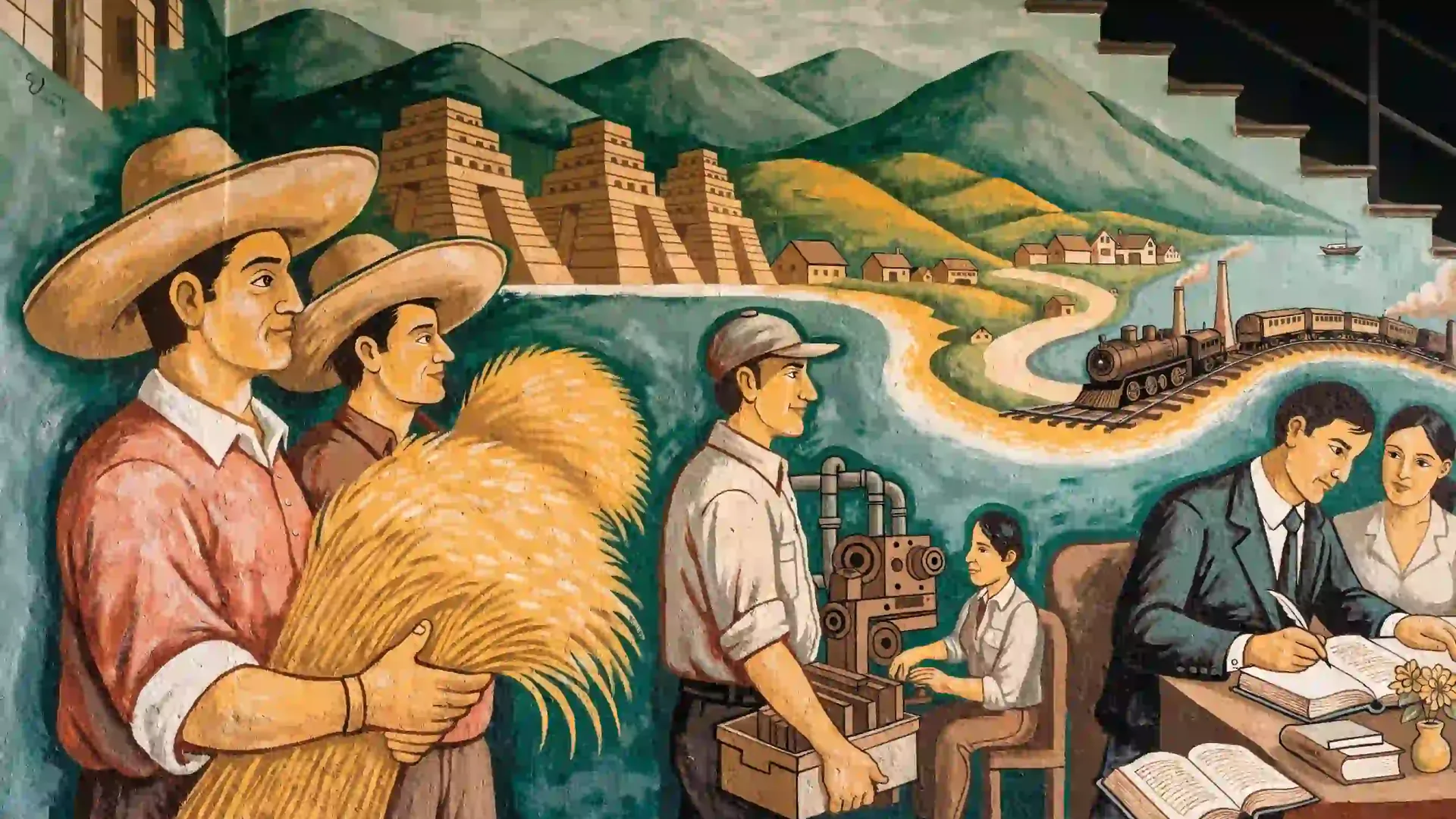
A study in the manner of the Mexican muralists: a school stairwell wall with farmers, factory workers and teachers in solid, rounded forms, a river of history behind them from ancient temples to railways, earth reds and maize yellows, matte as plaster.
What to take from Mexican Muralism today
- Say what wall and building the image is for.
- Describe figures as monumental and solid.
- Layer several moments of a story in one space.
- Use earthy, matte fresco colour.
A wall that tells
The muralists painted for people who might not read, and the result is a kind of public writing: a story laid out for anyone passing. It asks a question that matters for every image made for many people: whose story is told, by whom, and who is in the crowd? Describing a mural well means naming its narrators as well as its figures.
Questions about Mexican Muralism
What is Mexican muralism?
A public art movement that began in Mexico in the early 1920s, after the Revolution, in which artists painted large murals on public buildings to tell the story of Mexican history, people and labour.
Who were the three great Mexican muralists?
Diego Rivera, José Clemente Orozco and David Alfaro Siqueiros, often called 'Los Tres Grandes'.
Where can I see Diego Rivera's murals?
In Mexico City, at the Secretaría de Educación Pública and the National Palace, and in the United States, at the Detroit Institute of Arts and the former San Francisco Art Institute building, among other places.
Was Frida Kahlo a muralist?
No. Frida Kahlo painted mostly small, personal easel paintings, often self-portraits. She was married to Diego Rivera, a muralist.
Choose a public building you know, a station, a school or a library. Describe a mural for one of its walls: which story it tells, which people stand at the front, which moments of time are layered behind them, and which colours it uses.
Sources and further reading
- Detroit Institute of Arts: Diego Rivera, Detroit Industry Murals.
- Hood Museum of Art, Dartmouth College: José Clemente Orozco, The Epic of American Civilization.
- Desmond Rochfort, Mexican Muralists: Orozco, Rivera, Siqueiros, Chronicle Books, 1998.