Two moods from one dial
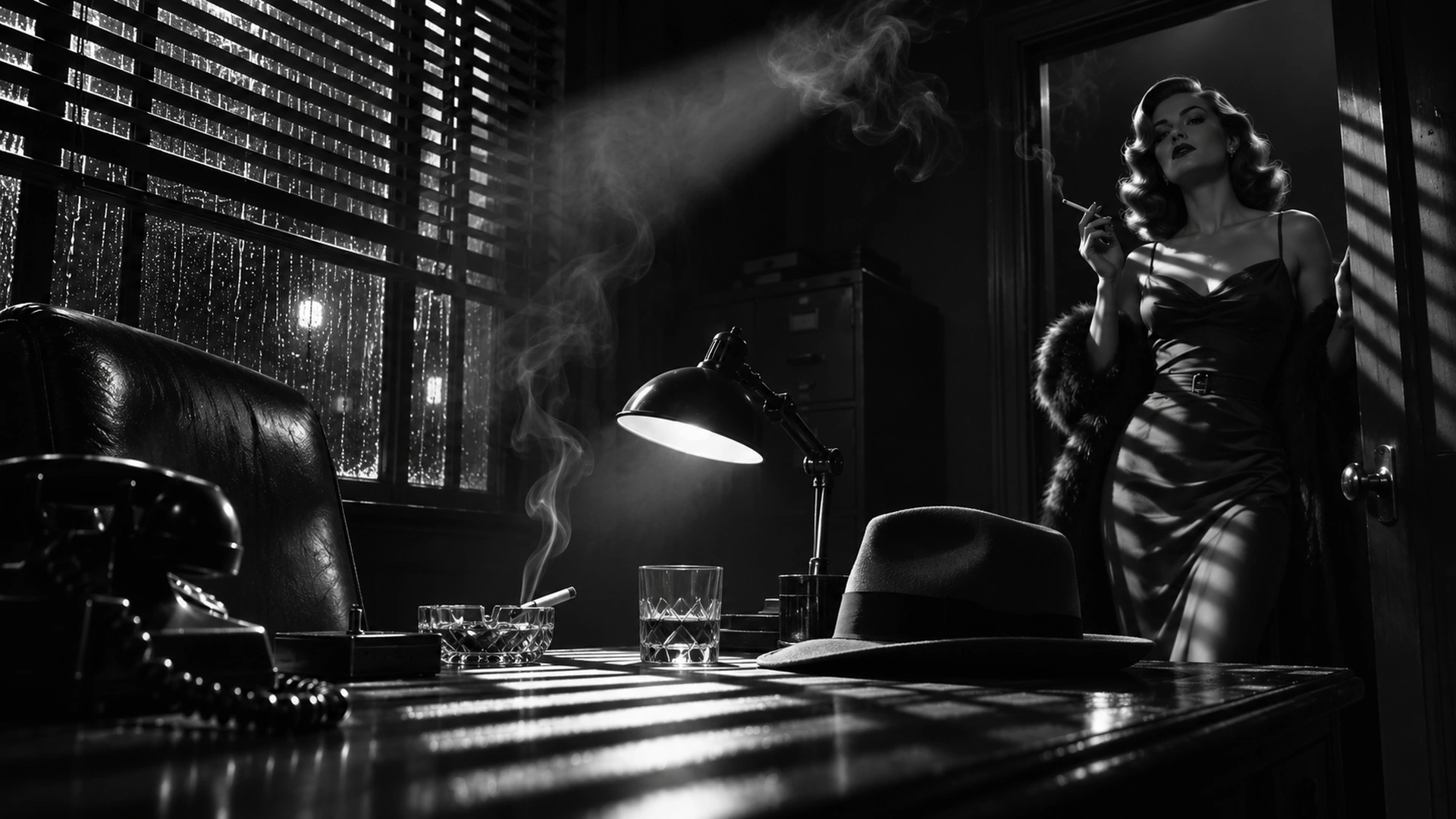
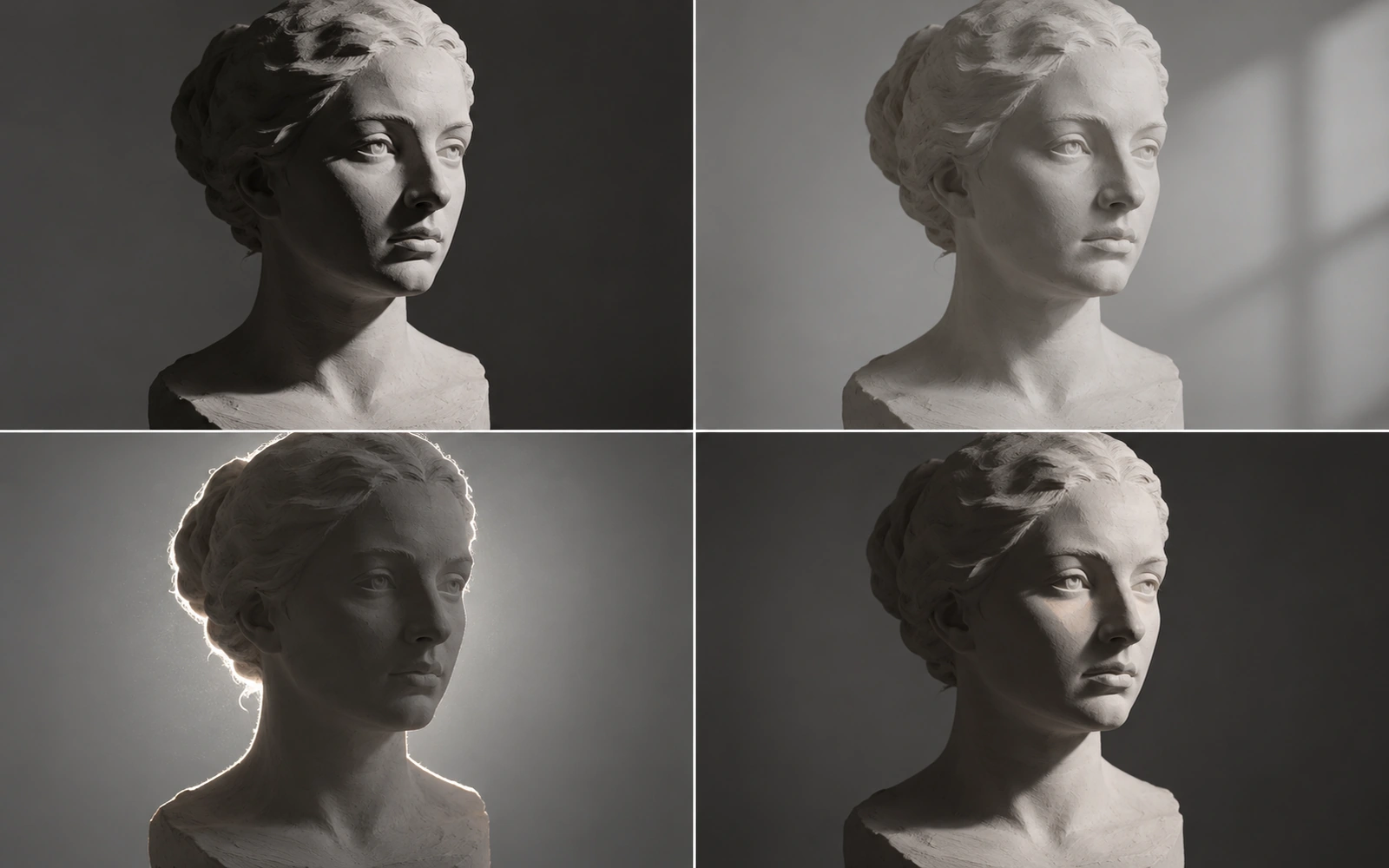
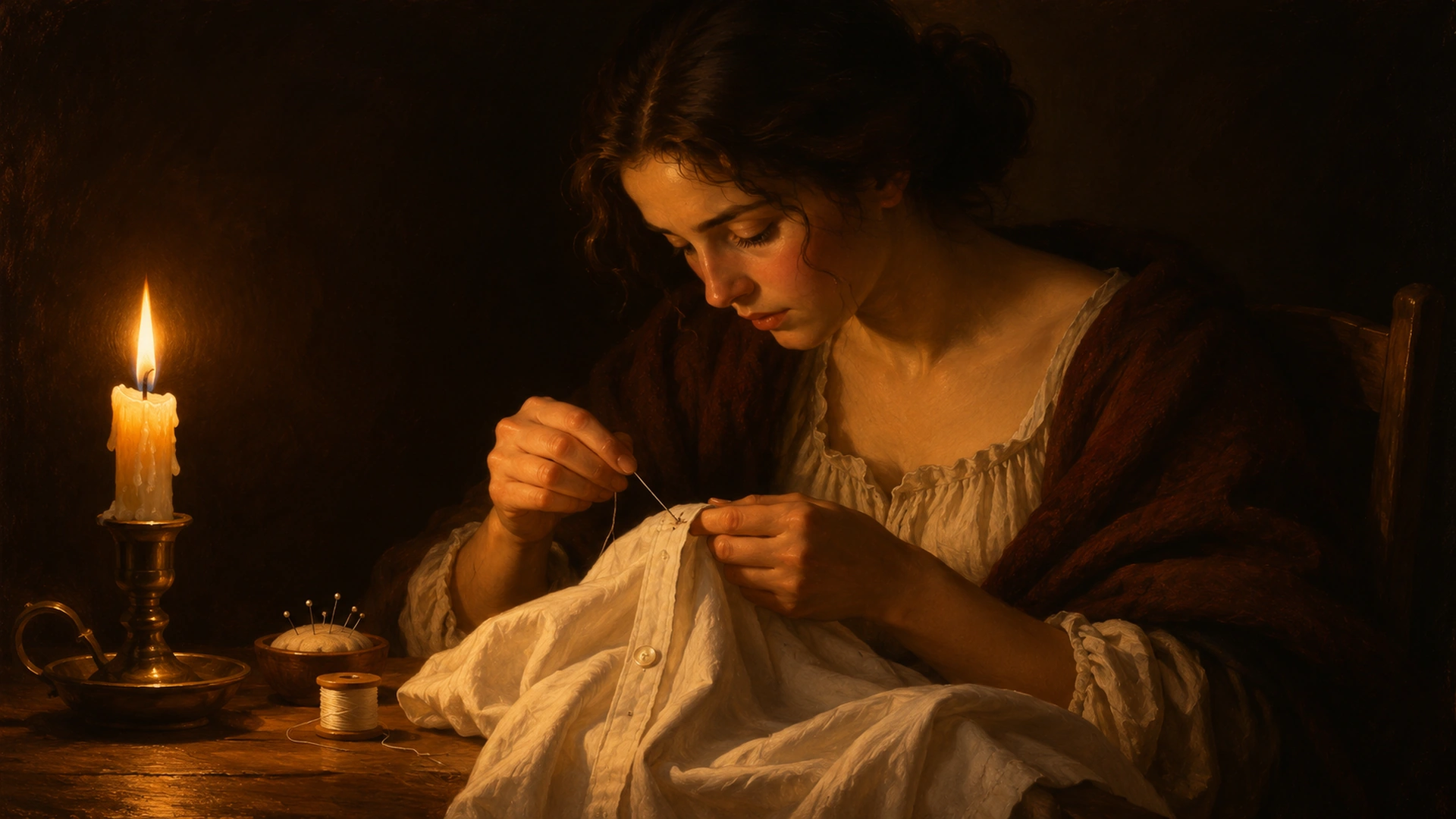
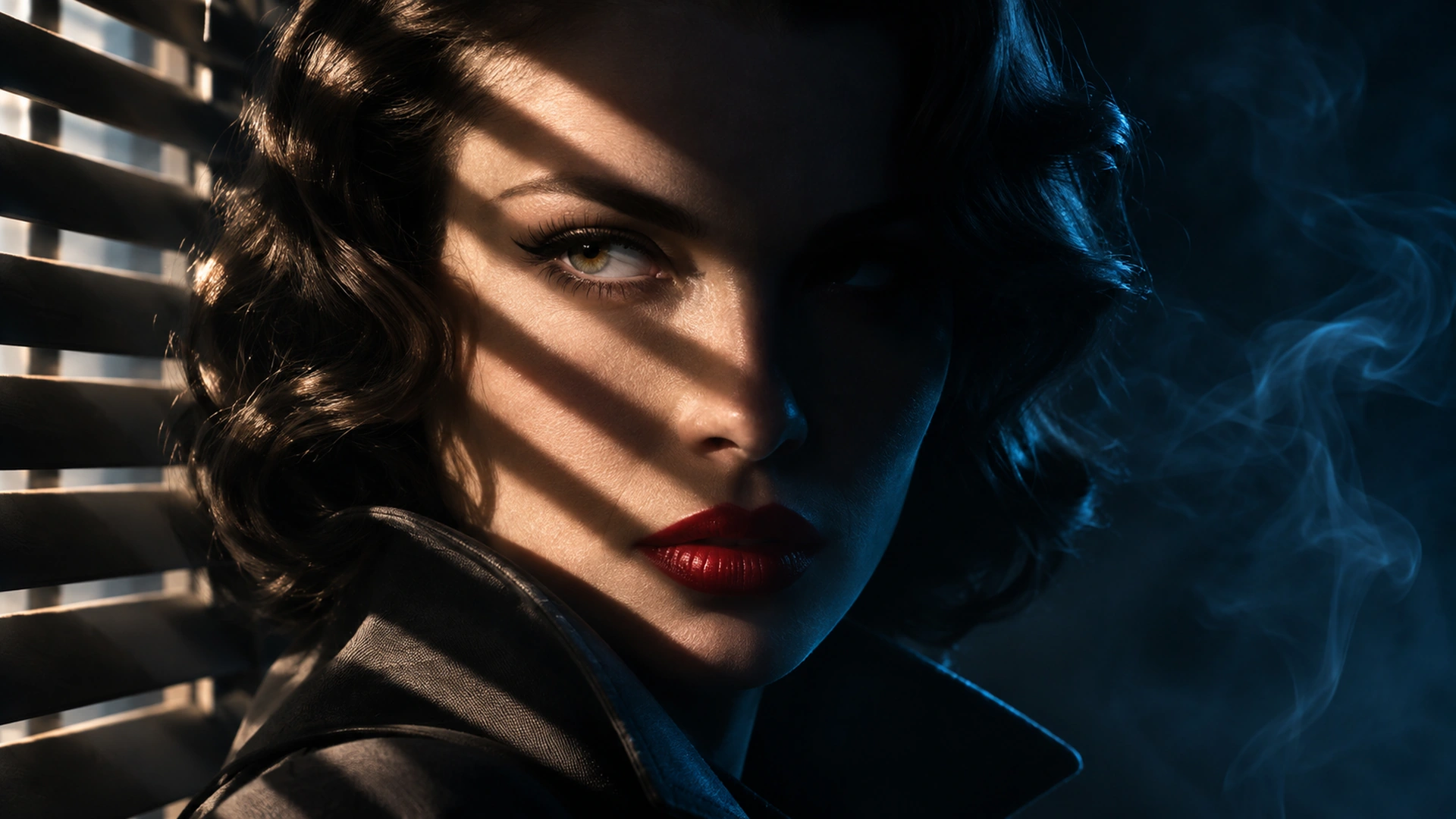
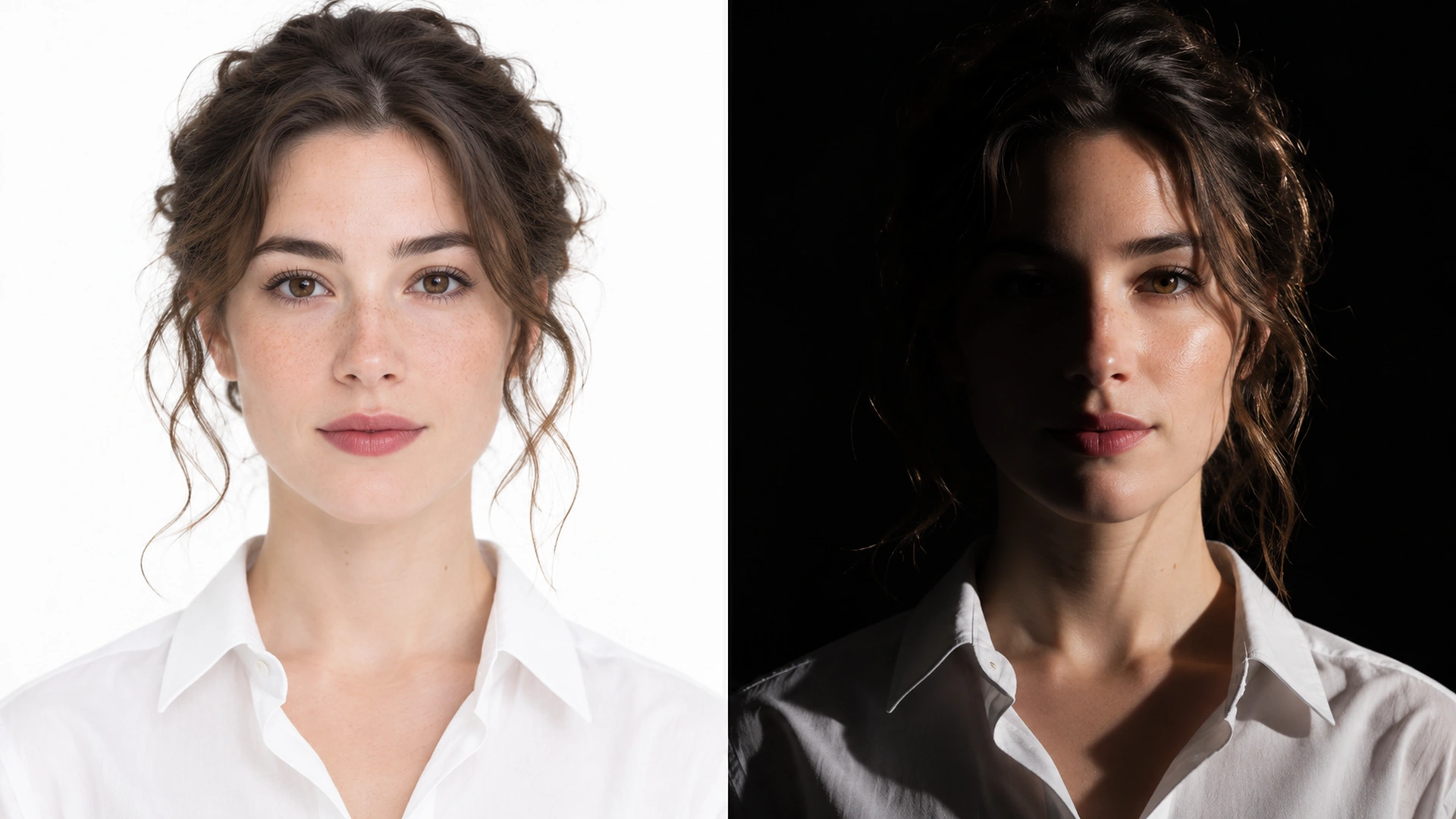
High-key and low-key describe where most of an image's tones sit. A high-key image is dominated by light tones: white backgrounds, soft fill light, little shadow. It became the standard for television sitcoms, commercials, beauty and baby photography because it feels open, clean and cheerful. A low-key image is dominated by dark tones: a single directional light, deep shadow, high contrast. It belongs to film noir, dramatic portraits and much fine-art photography.
The key difference is the lighting ratio, how much brighter the main light is than the fill, and the background tone. Neither is better; each sets a mood before the viewer notices the subject. Knowing the terms lets you ask for one precisely instead of saying 'bright' or 'moody'.
Visual anatomy
High-key: mostly whites and light greys. Low-key: mostly blacks and deep shadows.
High-key: low contrast. Low-key: high contrast.
High-key: broad soft light and lots of fill. Low-key: one directional light, little fill.
High-key: white or very light. Low-key: black or very dark.
High-key: faint or none. Low-key: large and defining.
High-key: open, clean, optimistic. Low-key: dramatic, mysterious, intimate.
Key terms
Brightness of the key light compared to the fill; low ratio for high-key, high for low-key.
Secondary light that softens shadows.
A graph of tones; high-key bunches to the right, low-key to the left.
Often added in low-key to separate a subject from a dark background.
How to recognize it
- High-key: white, airy, almost shadowless.
- Low-key: dark, with one strong light and deep shadow.
- A clear choice of background tone.
Where people get it wrong
High-key is not overexposed, and low-key is not underexposed. Both keep detail where it matters: a high-key face still has form, a low-key image still has a clearly lit subject. Without that control, it is just a bad exposure.
The words to describe it
Precise words for the qualities above. Combine a few of them instead of naming the style or artist alone.
- high key photography
- low key photography
- white seamless background
- soft shadowless light
- single directional light
- deep black background
- low contrast
- high contrast
- rim light separation
- lighting ratio
An original pair of studio photographs side by side: on the left, a high-key portrait of a woman in a white shirt against a white background, soft even light, almost no shadows; on the right, the same woman in a low-key portrait against black, one hard light from the side, deep shadow across half her face. No text.
What to take from it today
- Say high-key or low-key and the background tone.
- Describe the light: broad and soft, or single and directional.
- Name how much shadow and contrast you want.
Photograph or describe the same mug twice: once high-key on a white table with soft light from everywhere, once low-key on black with a single light from the side. Write how the mood changes.