Paint as sculpture
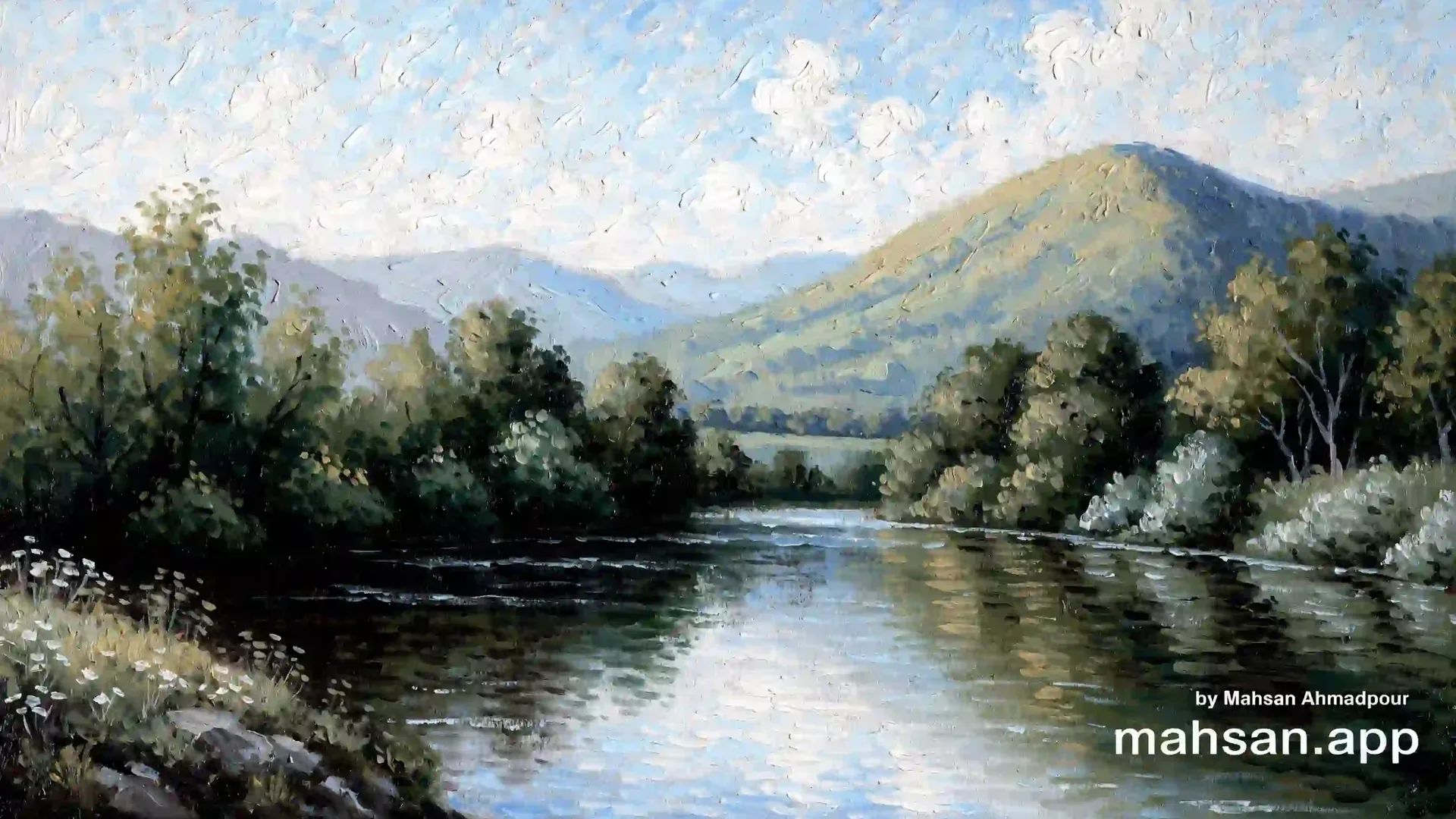
Impasto comes from the Italian for 'paste' or 'dough'. Instead of blending paint into a smooth skin, the painter lays it on thickly so the marks of brush or palette knife stay visible and raised. Titian and Rembrandt used it in highlights, so that real paint ridges caught real light and made gold, skin and fabric glow.
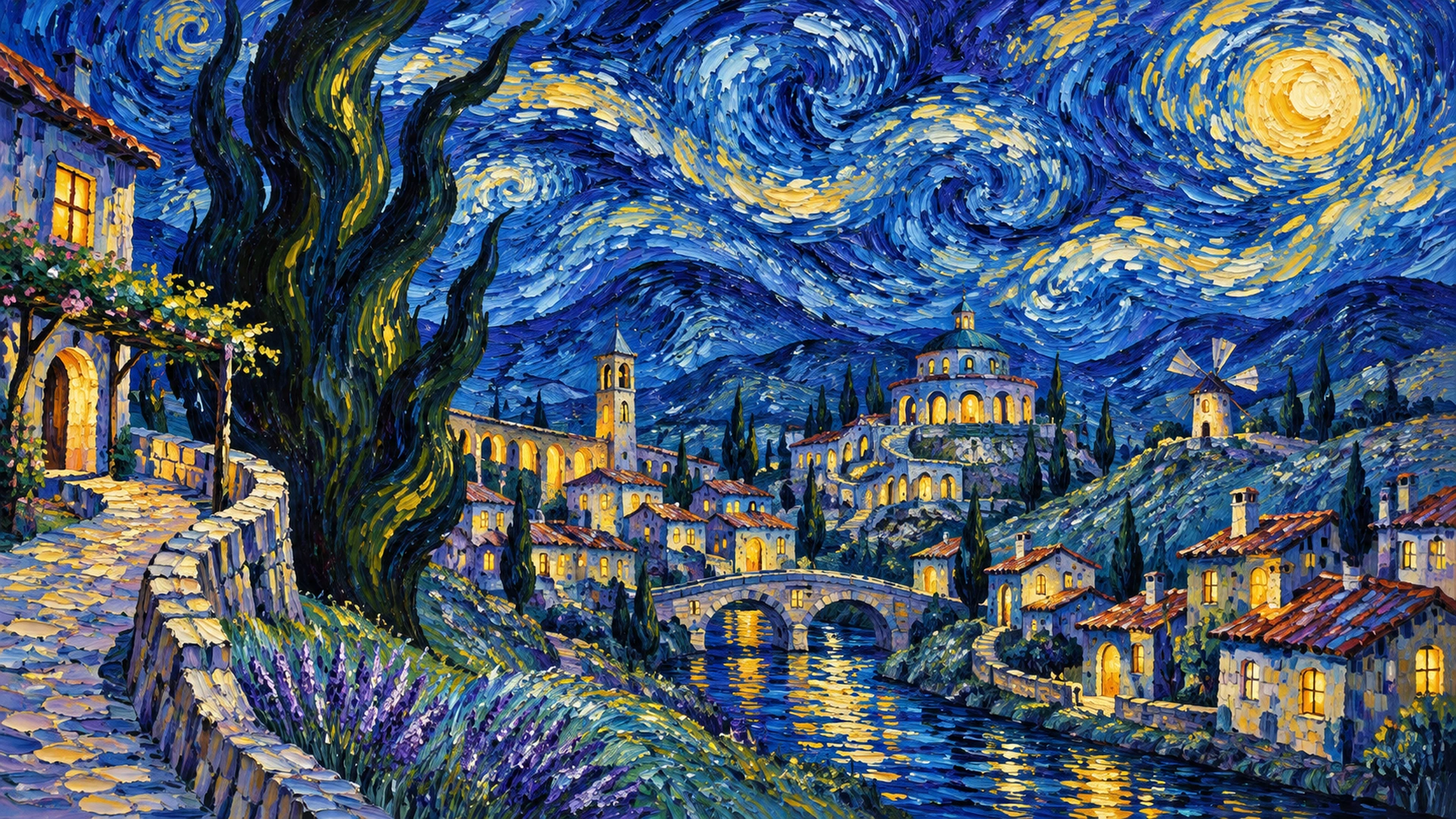
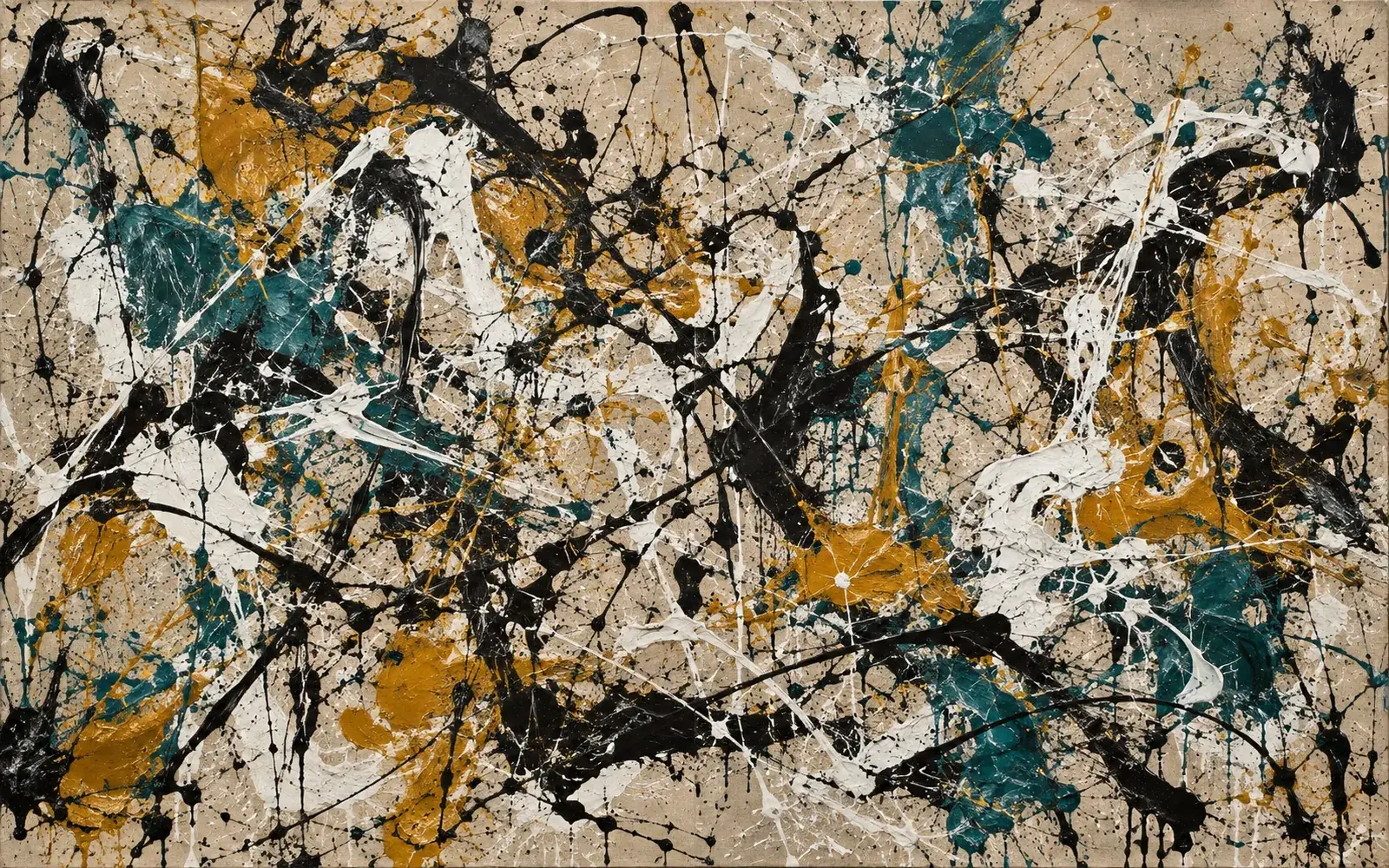
In the 19th century Van Gogh made impasto the whole surface, with every stroke a visible direction of energy. Twentieth-century painters went further, building paint into slabs and crusts, from Abstract Expressionist gestures to almost sculptural portraits. Today impasto is common in palette-knife landscapes, textured abstract décor and digital brushes that imitate its relief.
Visual anatomy of impasto
Paint standing up from the surface in ridges, peaks and crusts.
Visible strokes of brush or palette knife, each with direction and speed.
Raised paint casts tiny shadows and catches highlights, especially in raking light.
Often unmixed or half-mixed on the canvas, with streaks of different colours in one stroke.
Stiff brushes, palette knives, sometimes fingers; heavy-body paint or added medium.
Energy, physical presence, a sense of the painter's hand.
Key terms in impasto
A flexible blade used to spread and scrape thick paint.
Thick paint that holds its shape and keeps brush marks.
Light from a low angle that reveals surface relief.
Dragging thick paint lightly so the colour beneath shows through.
How to recognize impasto
- Raised paint ridges you could feel.
- Visible directional strokes or knife marks.
- Tiny shadows and highlights on the paint itself.
Where people get it wrong
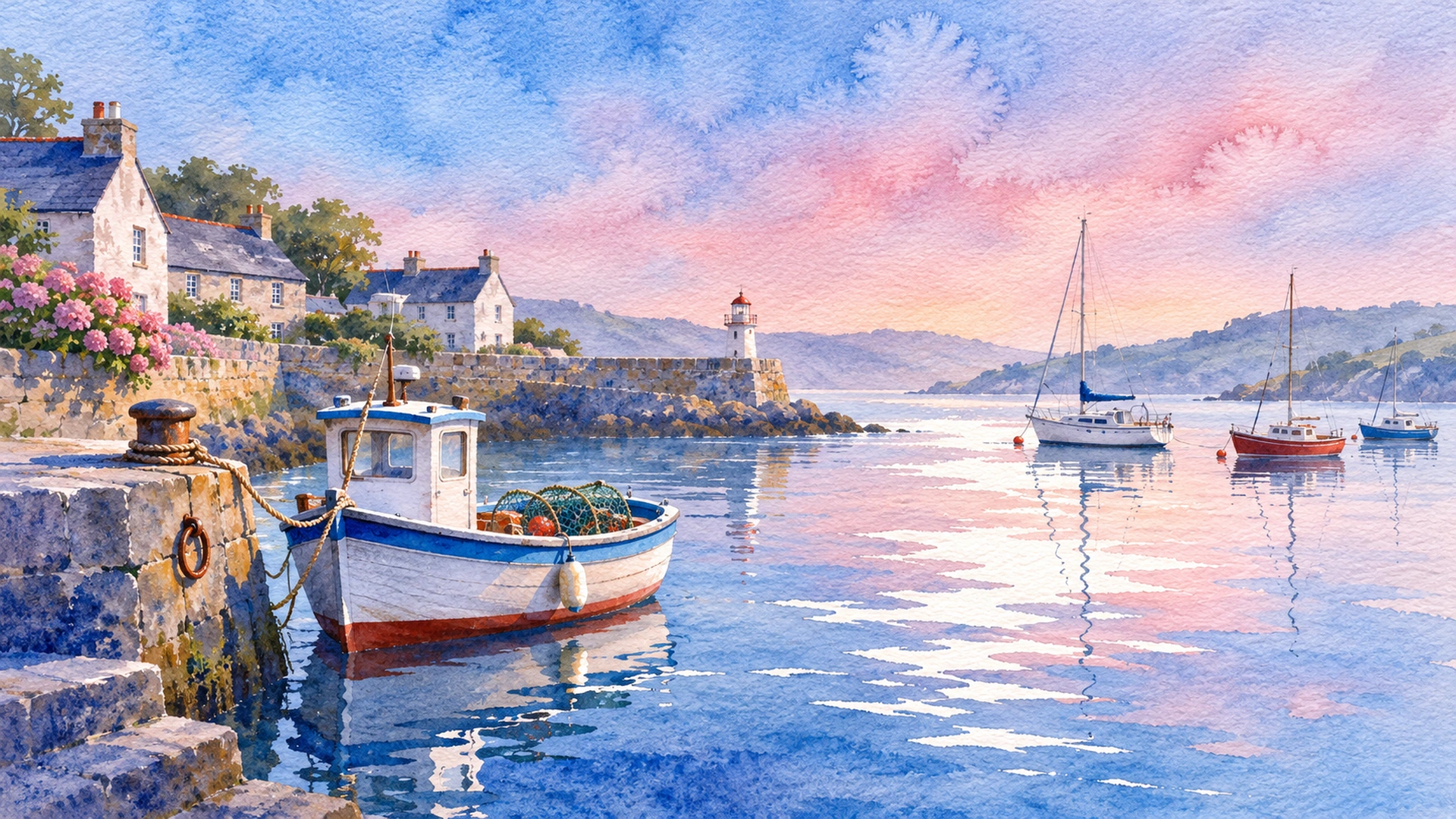
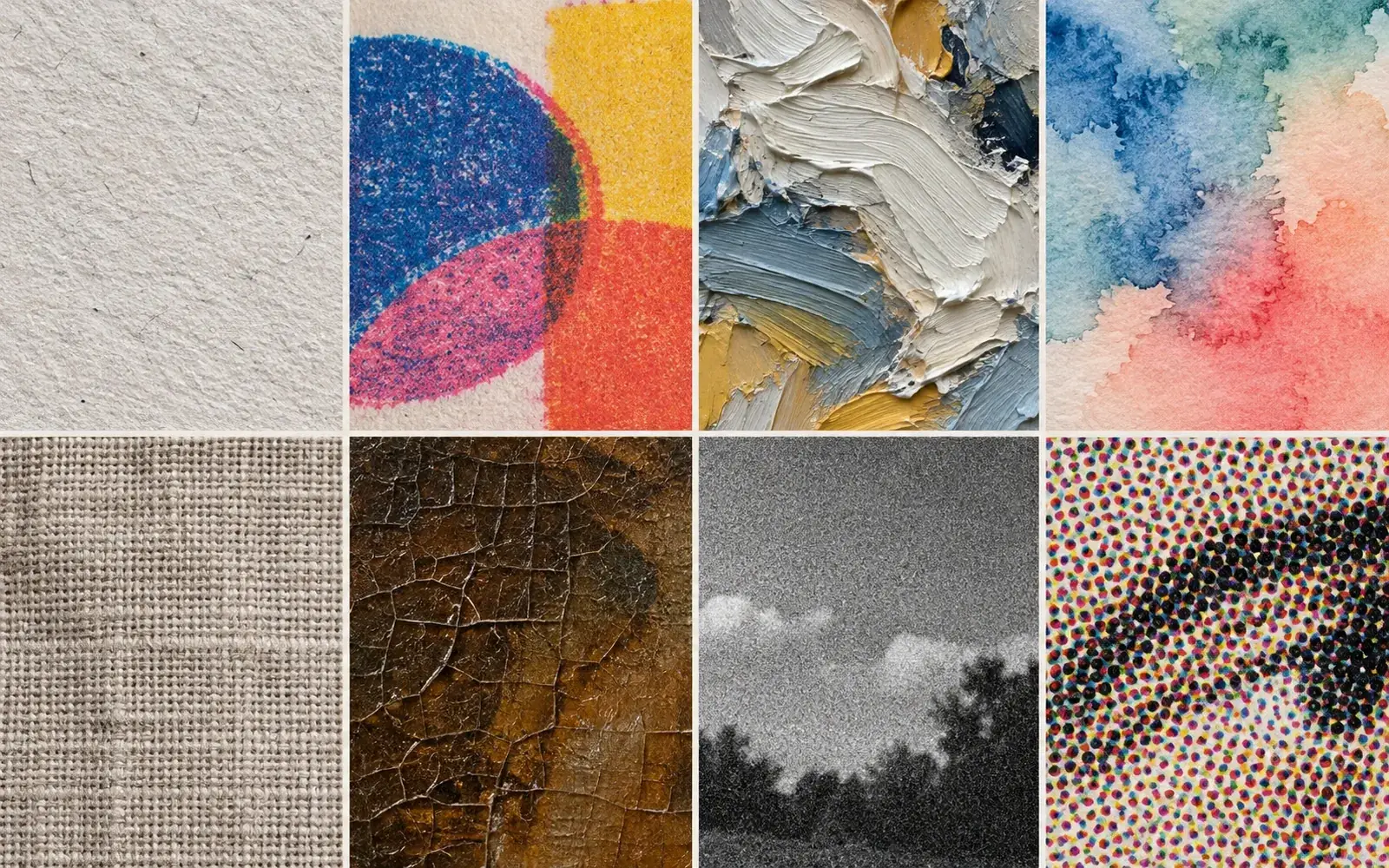
Impasto is not simply 'textured'. The texture comes from paint itself, with the direction of each stroke, not from canvas weave or a texture overlay. Describing the strokes, their direction and the light across them gets the real thing.
Words to describe impasto
Precise words for the qualities above. Combine a few of them instead of naming the style or artist alone.
- impasto
- thick palette knife strokes
- raised paint ridges
- directional brushstrokes
- raking light across the surface
- heavy body oil paint
- streaks of unmixed colour
- sculptural paint surface
- crust of paint
- visible hand of the painter
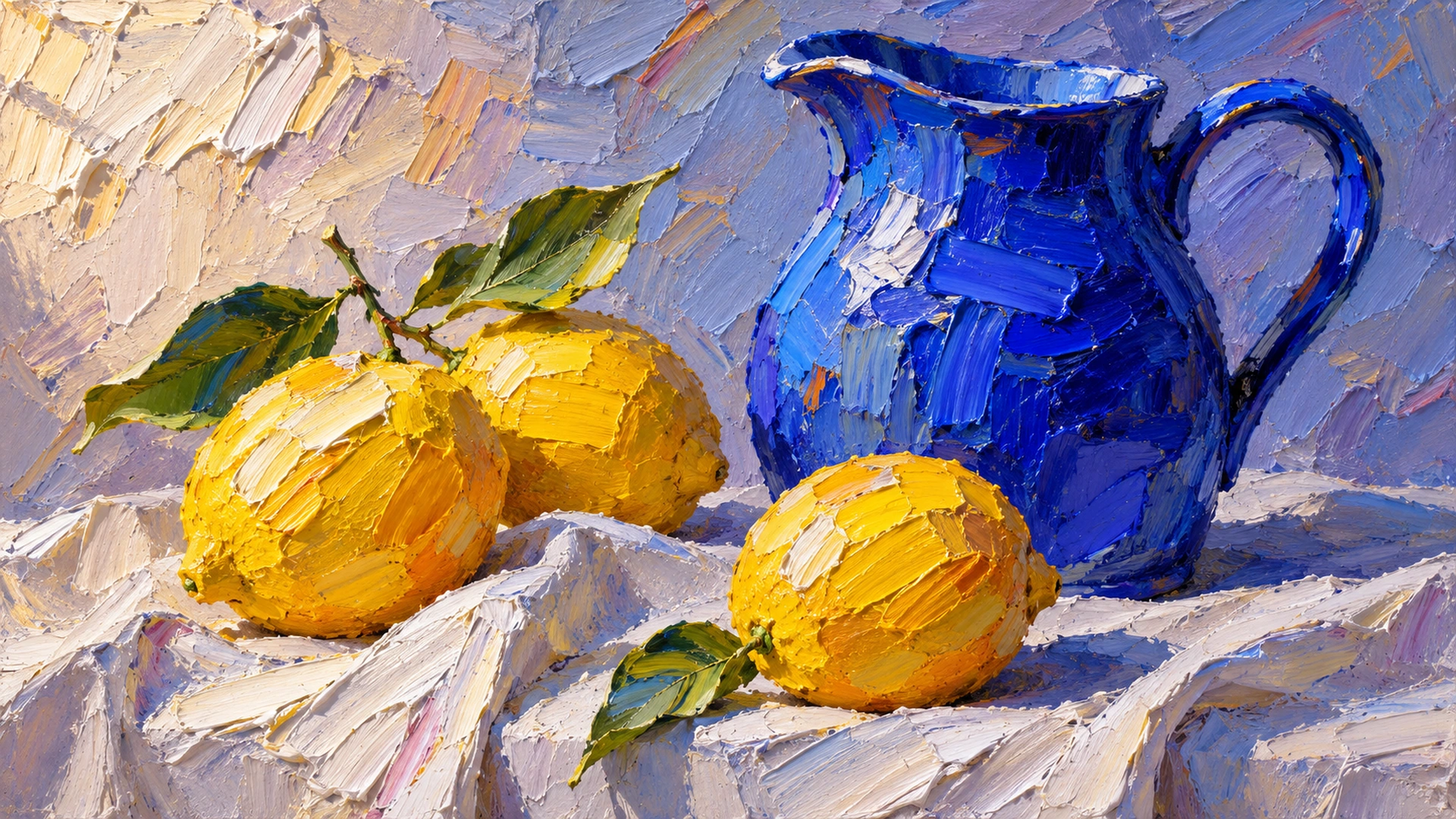
An original impasto painting study: a still life of three lemons and a blue jug on a white cloth, painted with thick palette knife strokes, raised ridges of yellow and cobalt paint, streaks of unmixed colour, raking light from the left casting tiny shadows across the paint surface. Not a copy of any existing painting. No text.
What to take from impasto today
- Name the tool: brush or palette knife.
- Describe stroke direction and thickness.
- Add raking light to show the relief.
Questions about impasto
What is impasto?
Paint laid on so thick that it becomes a relief: ridges, peaks and knife marks that catch the light, from Rembrandt's glowing highlights to Van Gogh's swirls.
How do you recognize impasto?
Raised paint ridges you could feel. Visible directional strokes or knife marks. Tiny shadows and highlights on the paint itself.
How do you describe impasto in words or a prompt?
Name the tool: brush or palette knife. Describe stroke direction and thickness. Add raking light to show the relief.
Describe a single sunflower painted in heavy impasto: the direction of the strokes on the petals, how thick the centre is, which colours streak together and how a low light catches the ridges.