The camera on the desk
Scanography, also called scanner art, uses a flatbed scanner to capture objects placed directly on the glass. It developed from the photocopy art of the 1960s and became popular from the 1990s, as cheap, high-resolution scanners arrived in homes and offices.
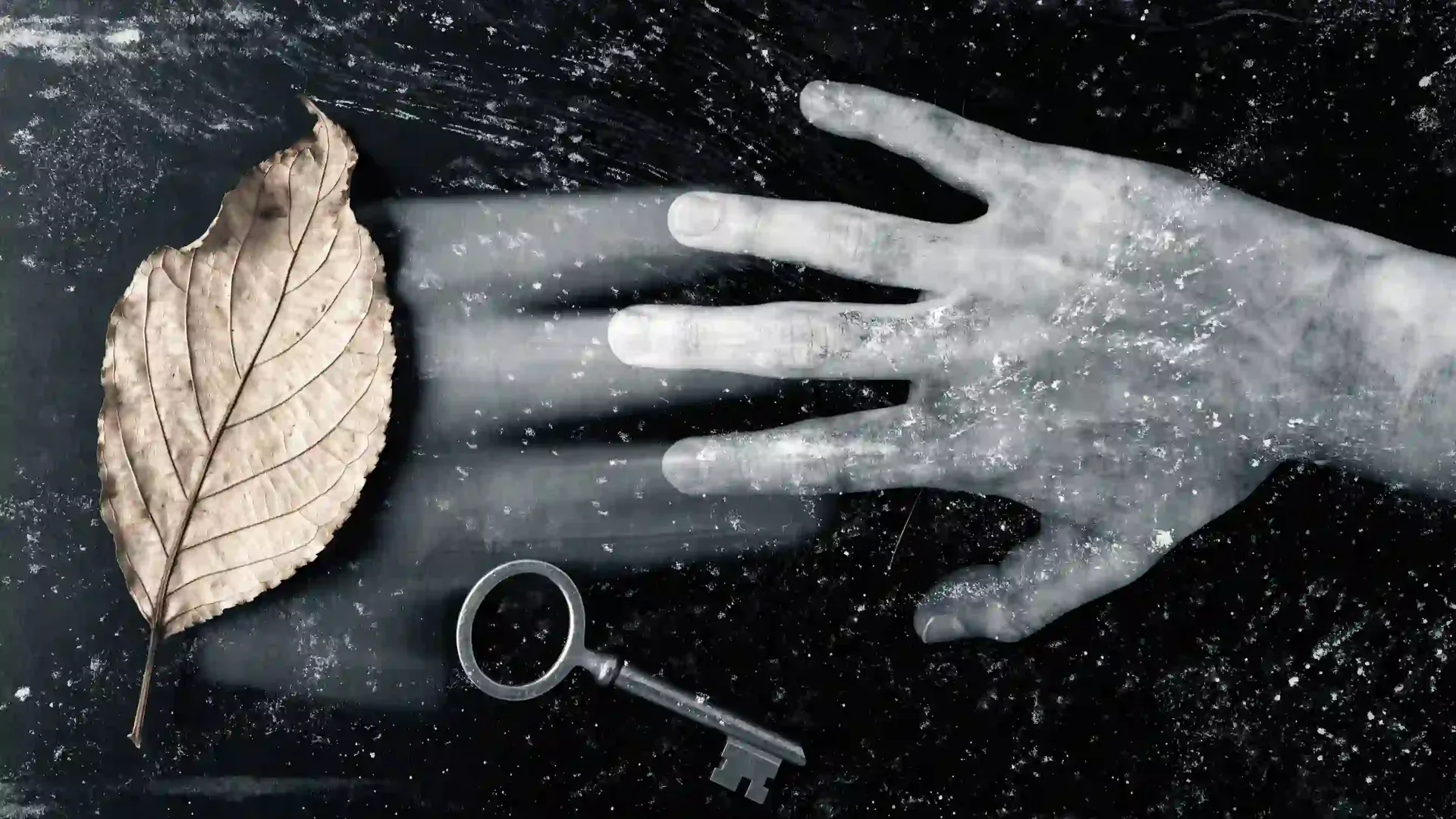
Its best-known subjects are flowers and plants, often scanned on black so they appear to float in darkness. Artists also scan hands, faces, fabric and food, and exploit the scanner's slow moving light to smear or stretch anything that moves during the scan.
Visual anatomy of scanography
Extreme sharpness where objects touch the glass.
Very shallow; things fall quickly into darkness or blur.
Even, frontal light from the moving scan bar, often with a slight halo.
Usually black (a dark cloth or an open lid in a dark room) or white.
Smears and stretches when the object moves during the scan.
Botanical, intimate, eerie, specimen-like.
Words around scanography
A scanner with a glass bed and a moving light and sensor bar.
The light and sensor that travel under the glass.
Objects isolated on a plain ground, like a natural history plate.
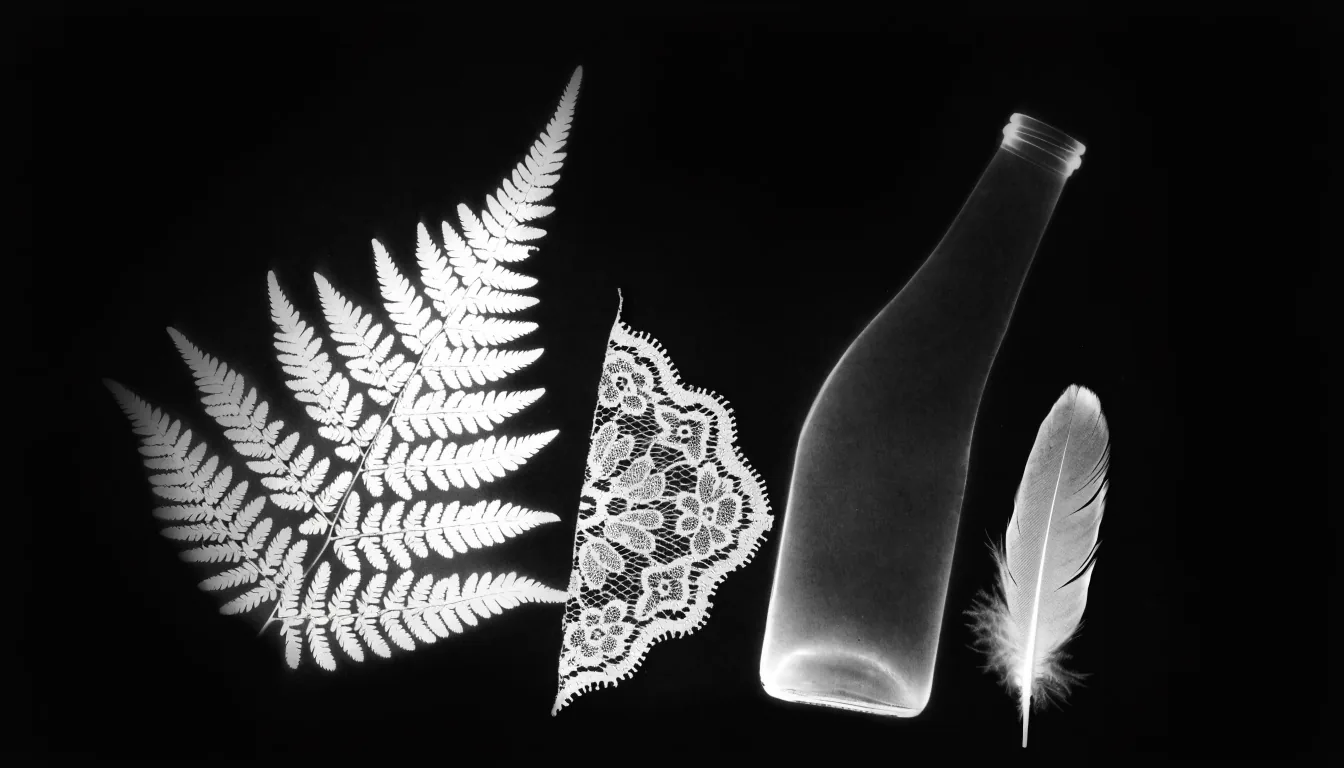
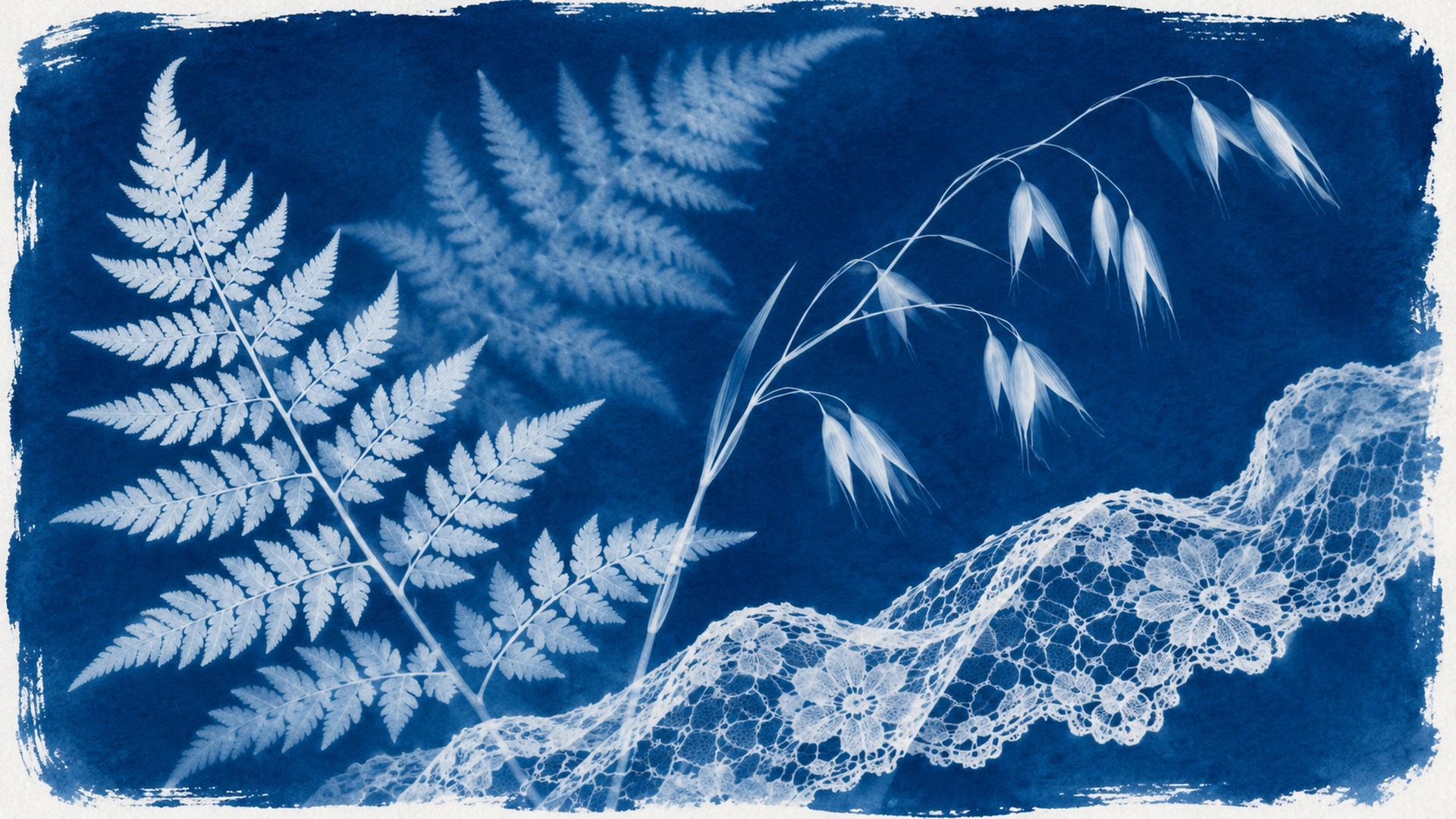
A related camera-less image made directly on photographic paper.
How to recognize scanography
- Objects pressed flat with razor-sharp contact points.
- Deep black background.
- Rapid falloff into blur.
- Occasional streaks where something moved.
Where people get it wrong
Scanography is often confused with ordinary macro photography. A camera has a lens and perspective; a scanner records only what is close to the glass, with its own flat light. Leaning into those limits, rather than fighting them, gives the look.
Words to describe scanography
Precise words for the qualities above. Combine a few of them instead of naming the style or artist alone.
- scanography
- flatbed scanner
- scan bar
- contact point
- shallow depth
- black background
- specimen
- smear
- botanical
- photogram
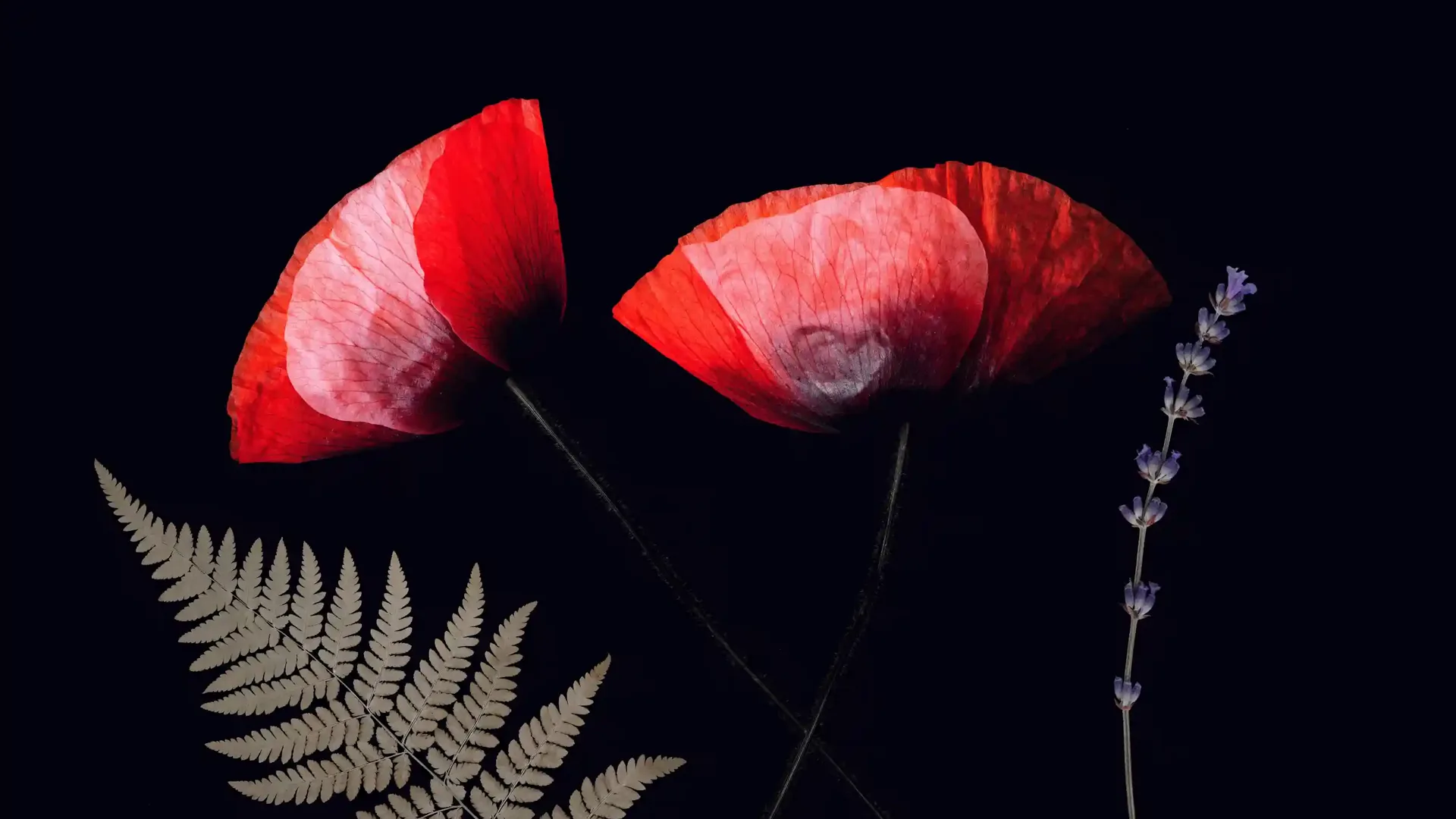
A scanography study: pressed poppies, a sprig of lavender and a fern on black, petals razor-sharp where they touch the glass and dissolving into darkness behind, a faint streak where one stem moved.
What to take from scanography today
- Say what touches the glass and what falls away.
- Name the background: black velvet, white.
- Describe the frontal, slightly glowing light.
- Add any movement smear.
Looking from underneath
A scanner sees the world from below, through glass, like a specimen pressed in a book. It offers a point of view no eye normally has, which is exactly what makes it useful for writing and seeing anew.
Questions about scanography
What is scanography?
The practice of making images with a flatbed scanner by placing objects directly on the glass, often flowers or plants on a black background.
How do you scan flowers on a black background?
Lay the flowers face down on the glass, cover them with a black cloth or leave the lid open in a dark room, and scan at high resolution.
Is scanography the same as xerox art?
They are related. Xerox art uses photocopiers and has photocopy grain and contrast; scanography uses scanners for detailed, photographic images.
Scan three objects from your kitchen on black: a sliced citrus, a leaf and a spoon. Describe what the scanner saw that you had not noticed.
Sources and further reading
- Wikipedia: Xerox art and scanography (copy art history).
- Victoria and Albert Museum: camera-less photography collections.
- Tate: Art term 'photogram'.