Pictures that do half the telling
In a picture book, words and images share the work. The pictures do not just show what the text says; they add, contradict and carry the story across the page turn. The form grew in Victorian Britain, where printer Edmund Evans produced colour books by Walter Crane, Randolph Caldecott and Kate Greenaway from the 1860s. Caldecott's lively, economical drawings are often called the start of the modern picture book.
Beatrix Potter's small watercolour books (from 1902) set a standard for close observation; Maurice Sendak's Where the Wild Things Are (1963) let pictures grow across the page as the story did; Eric Carle built his worlds from painted tissue paper collage. The Golden Age of illustration, with Arthur Rackham and Edmund Dulac, gave fairy tales their look. Today the field ranges from gouache and watercolour to cut paper and digital painting, but its core skills stay the same: clear characters, pacing across spreads, and images that reward rereading.
Visual anatomy of children's book illustration
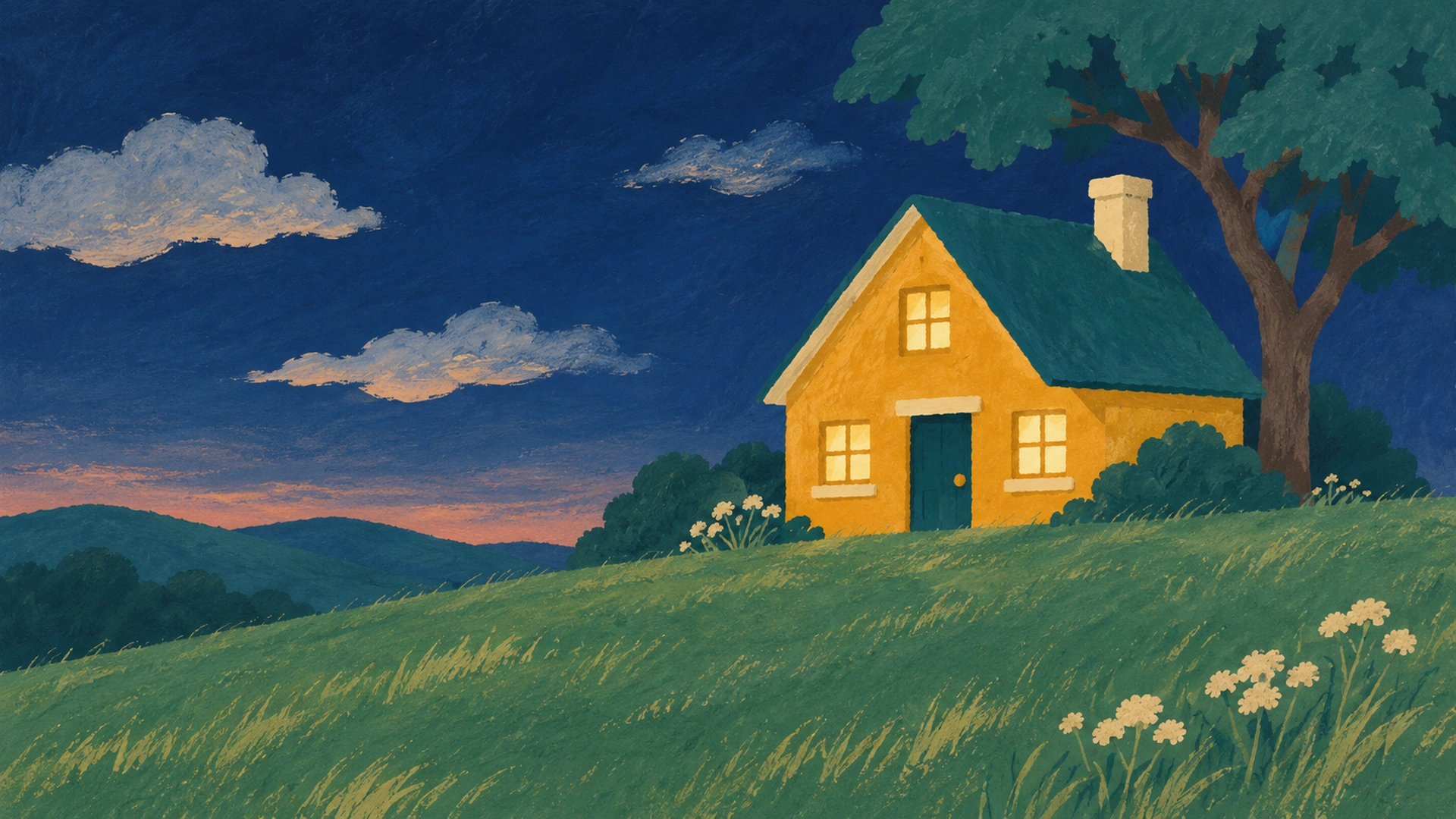
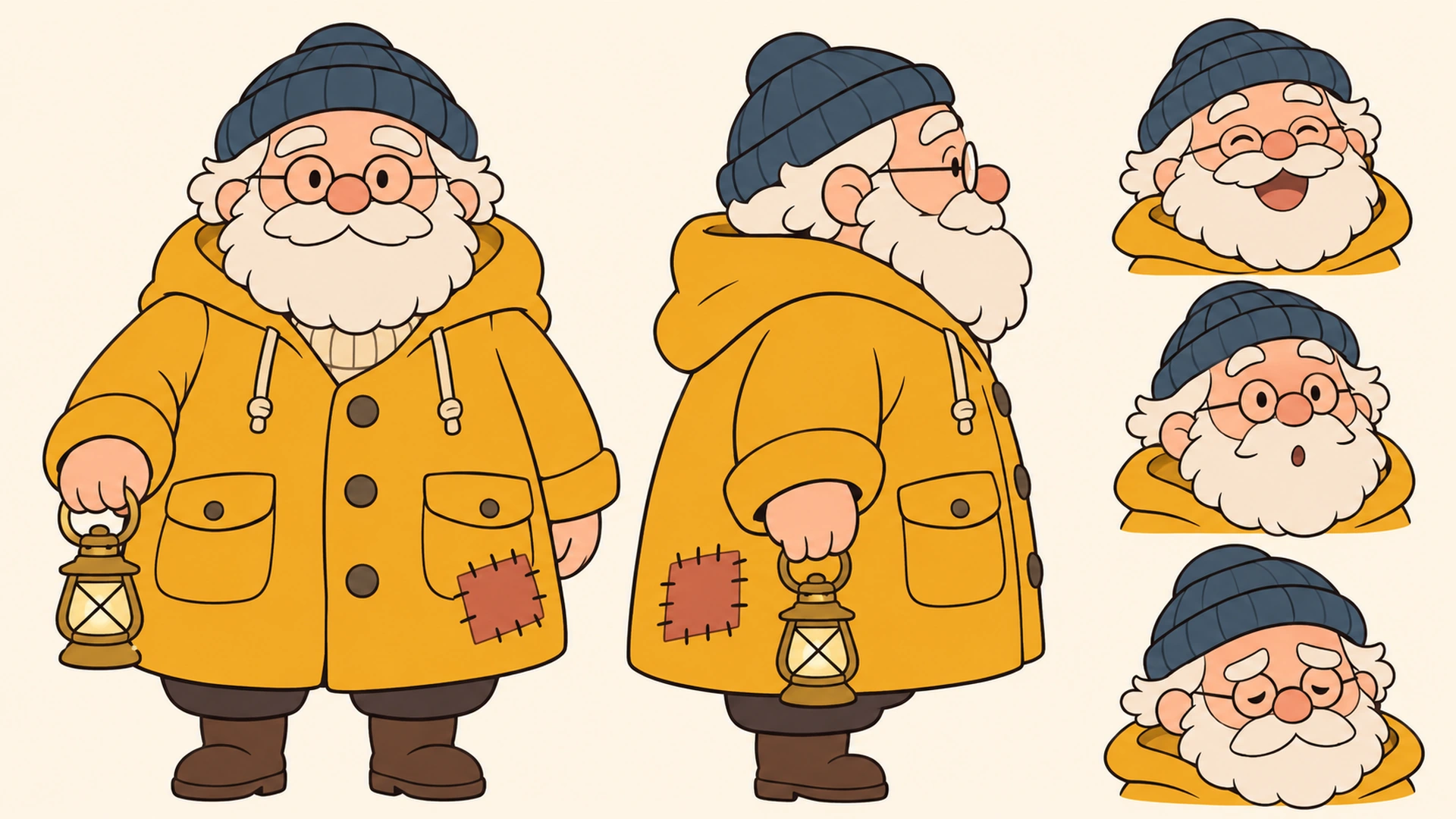
Simple, expressive shapes readable at a glance; consistent from page to page.
Spreads planned for the page turn; space left for the text.
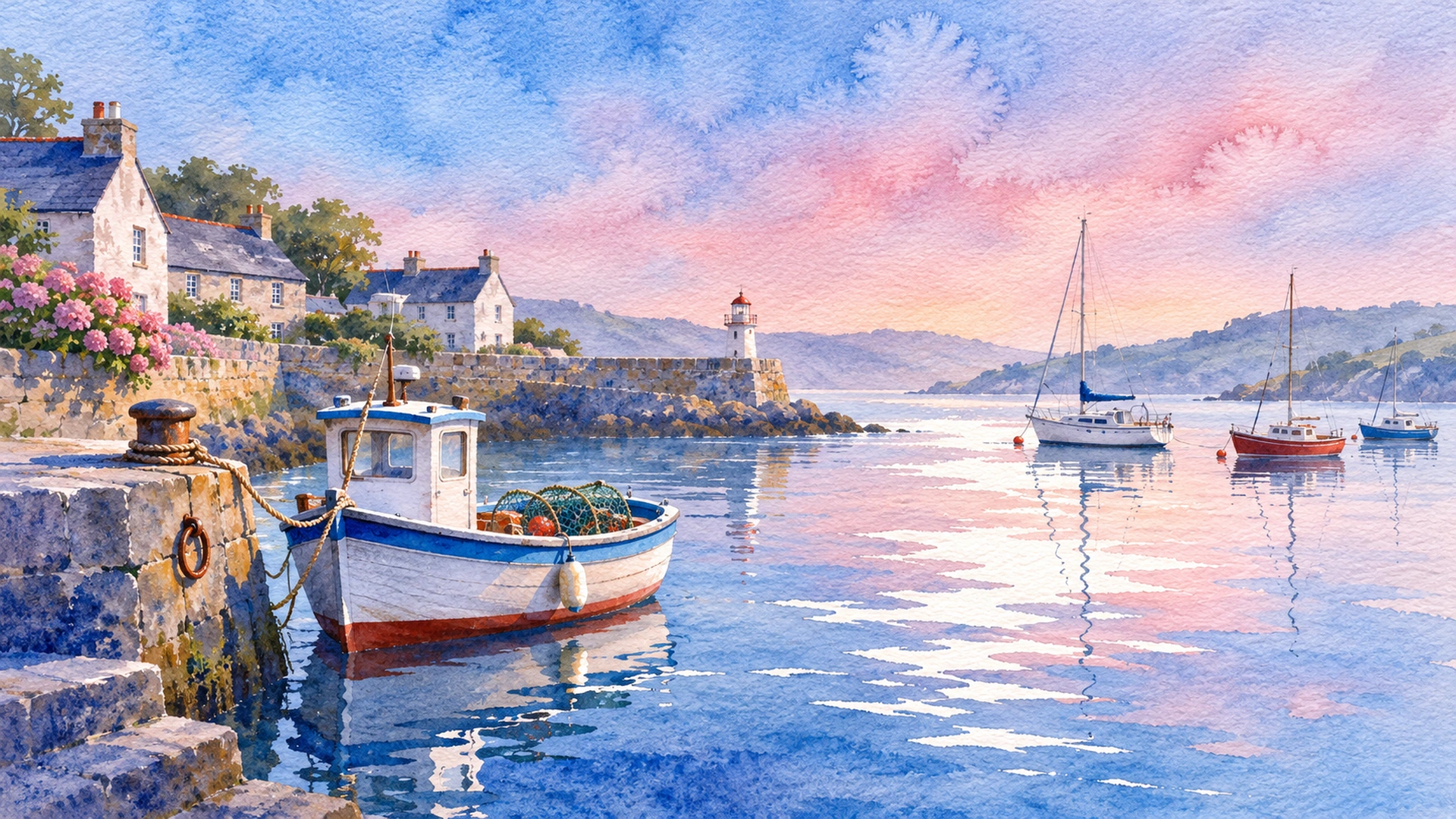
Warm, harmonious palettes; colour shifts that follow the emotion.
Visible pencil, brush, paper or collage texture; a handmade feel.
Often at a child's eye level; scale exaggerated for feeling.
Small secondary stories to discover on rereading.
Key names and terms
1870s–80s: lively, economical picture books; the Caldecott Medal is named after him.
The Tale of Peter Rabbit (1902): small, observant watercolours.
Where the Wild Things Are (1963): pictures that grow with the story.
The Very Hungry Caterpillar (1969): painted tissue-paper collage.
Two facing pages designed as one image.
The moment of surprise or change built into turning the page.
How to recognize children's book illustration
- Characters with clear, simple, expressive shapes.
- Space in the image for text.
- Warm colour and a visible handmade texture.
- A scene that implies what happens before and after.
Where people get it wrong
Making everything cute and evenly bright. The best picture books carry real feeling, including fear, loneliness and mischief, and their colour and darkness follow the story. A prompt with only 'cute, colourful, for kids' gives a generic image. Describe the moment in the story, the emotion, the viewpoint and the medium.
Words to describe children's book illustration
Precise words for the qualities above. Combine a few of them instead of naming the style or artist alone.
- picture book illustration
- double-page spread
- page turn
- readable character
- gouache texture
- watercolour and pencil
- cut paper collage
- warm palette
- space for text
- child's eye level
- visual storytelling
- hidden detail
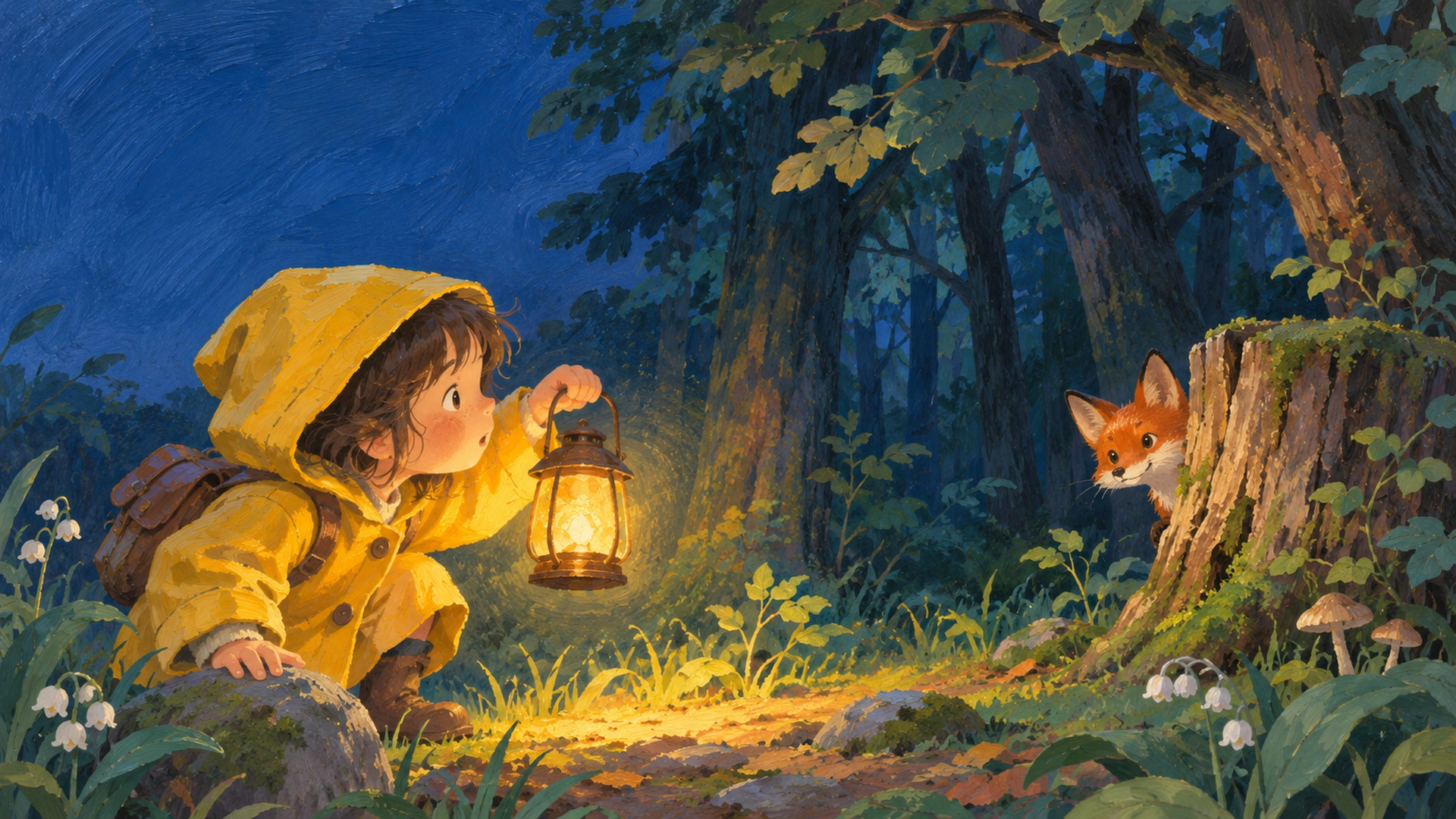
An original picture-book illustration study: a small girl in a yellow raincoat holding a lantern at the edge of a dark forest, gouache with visible brush texture, the warm circle of lantern light against deep blue-green trees, a curious fox peeking from behind a stump, low child's-eye viewpoint, empty sky at the top left for text.
What to take from children's book illustration today
- Name the medium: gouache, watercolour and pencil, cut paper collage.
- Describe the story moment and the character's feeling.
- Leave space for text and say where.
- Choose the viewpoint: at a child's eye level, looking up.
Questions about children's book illustration
What are the most common styles of children's book illustration?
Watercolour and pencil, gouache, cut paper and collage, pen and ink, and digital painting that imitates these; many illustrators combine media.
What makes a good picture book illustration?
Characters that read clearly, pictures that add to the words rather than repeat them, pacing built around the page turn, and details worth finding again.
Take a single line of a story, such as 'She was not afraid of the dark, only of what it hid', and describe the illustration for it: medium, viewpoint, where the light is, where the text sits, and one detail a child will notice on the third reading.
Sources and further reading
- Barbara Bader, American Picturebooks from Noah's Ark to the Beast Within (1976).
- Martin Salisbury and Morag Styles, Children's Picturebooks: The Art of Visual Storytelling (2012).