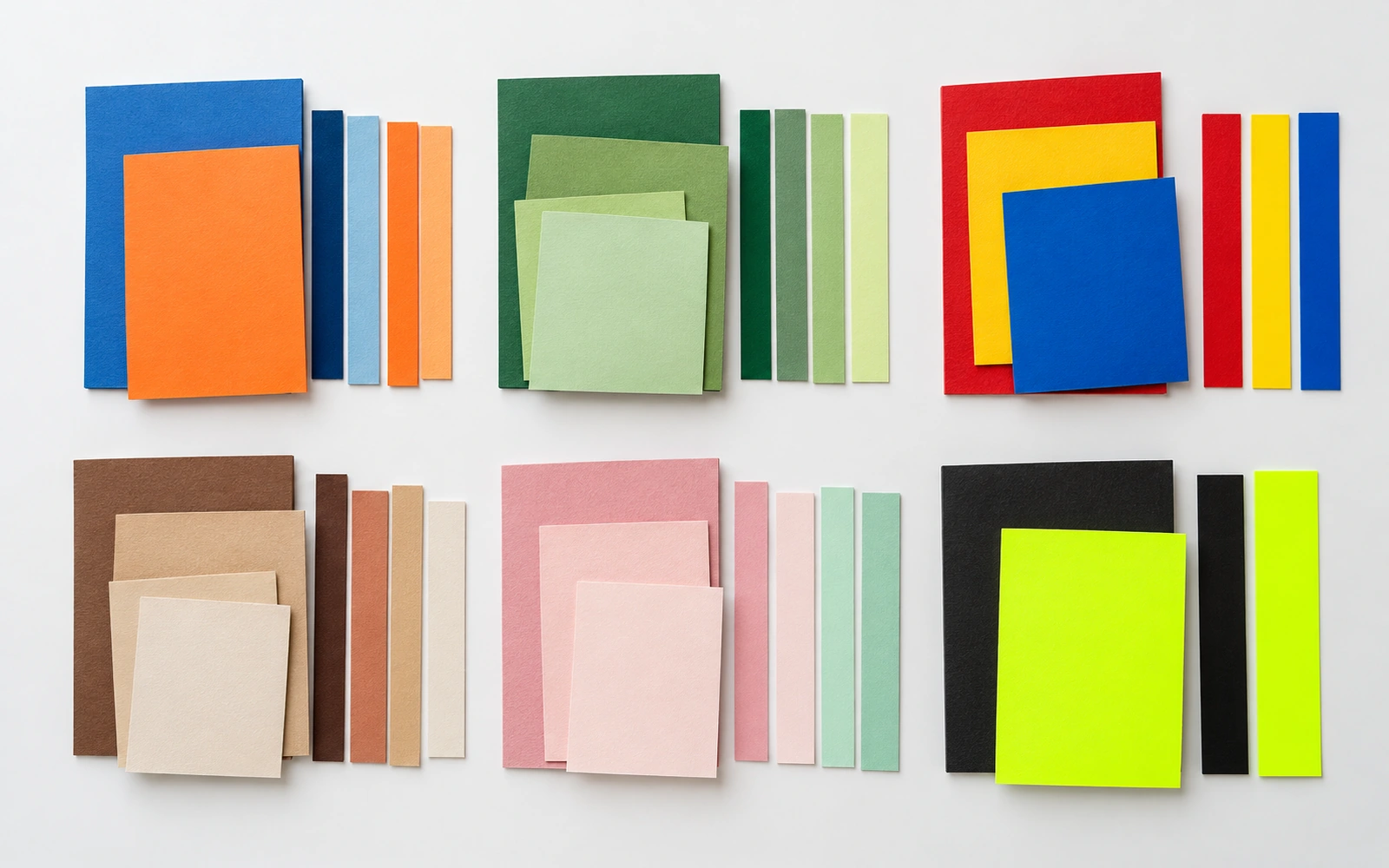
Colours that point at things
Persian has a few basic colour words, such as sorkh (red), sabz (green), zard (yellow) and siah (black), but most of the colours people actually use are named after something you can touch, eat or wear. Golbehi is the colour of a quince blossom, zereshki the colour of a barberry, sormei the colour of kohl. The suffix -i turns any thing into a colour.
That makes these names unusually precise for image-making. 'Pink' covers a huge range; golbehi points at one soft, peachy pink. If you write in English, borrowing the object behind the Persian name, such as quince-blossom pink, barberry red or kohl blue, often describes the colour better than a standard colour name.
A few of these words travelled. Azure and lazuli come, through Arabic, from Persian lajvard; lilac goes back to Persian lilak, from nil, indigo; and the fruit orange took its name, through Arabic, from Persian narang.
Stones and pigments
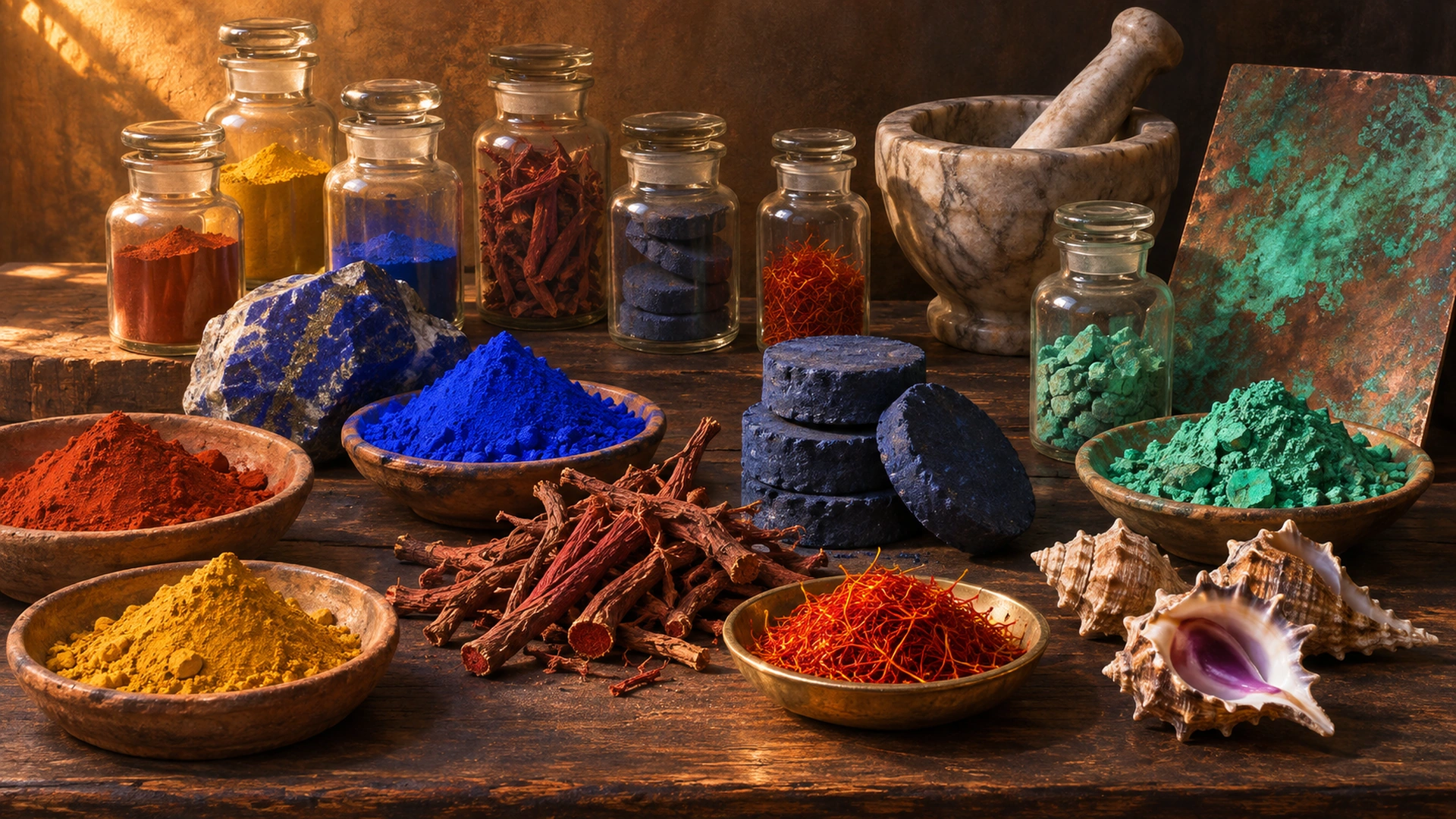
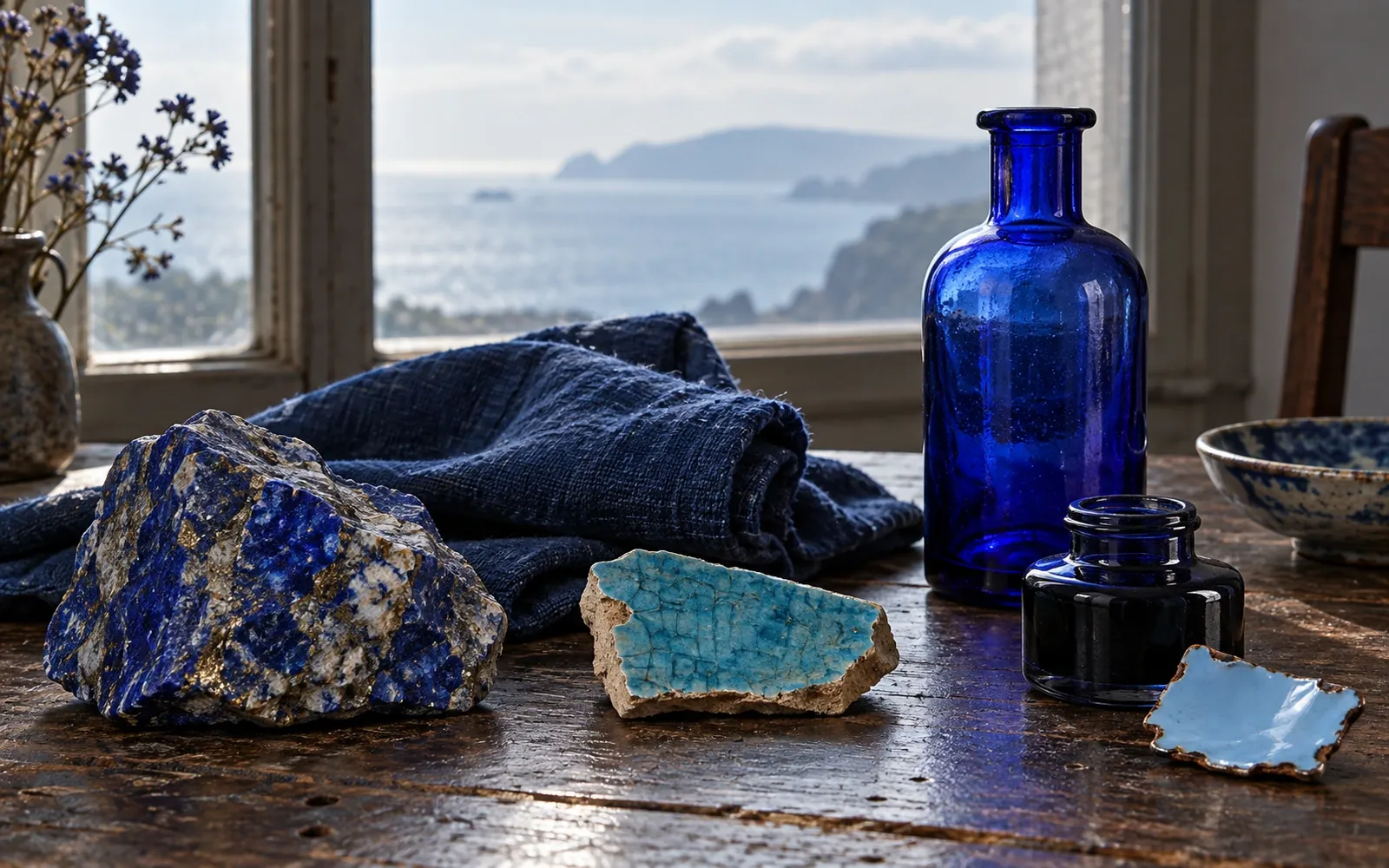
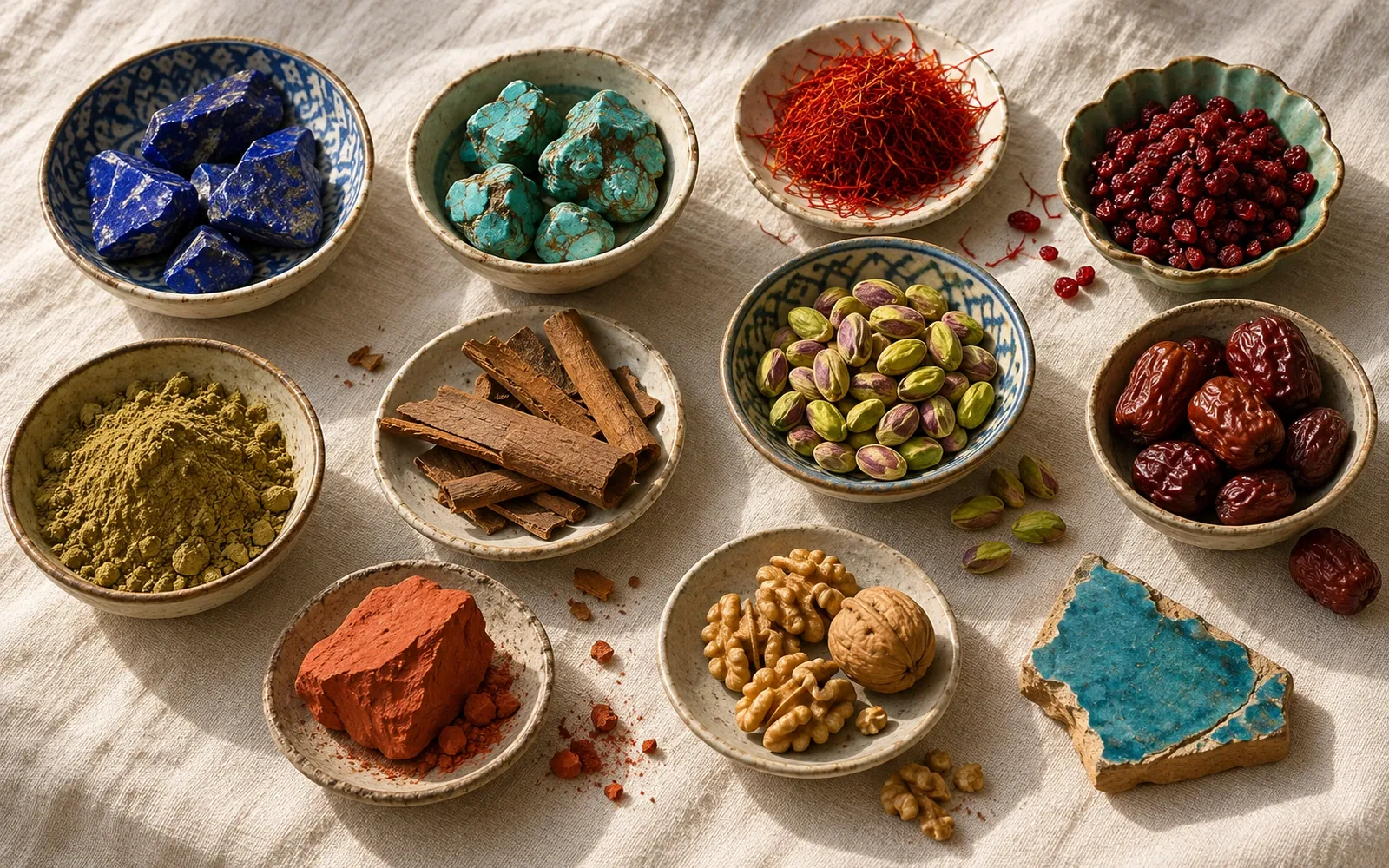
The deep blue of lapis lazuli, the stone that gave Persian painting its most precious blue.
The blue-green of turquoise, from the mines of Nishapur; the colour of tiled domes.
The bright red of cinnabar, a mercury mineral; the red of rubrics and headings in old manuscripts.
The green rust of copper, used as a pigment. In old manuscripts it slowly eats into the paper.
Earth yellow and earth brown; warm, dusty and matte.
The cool, deep green of jade, between green and blue-grey.
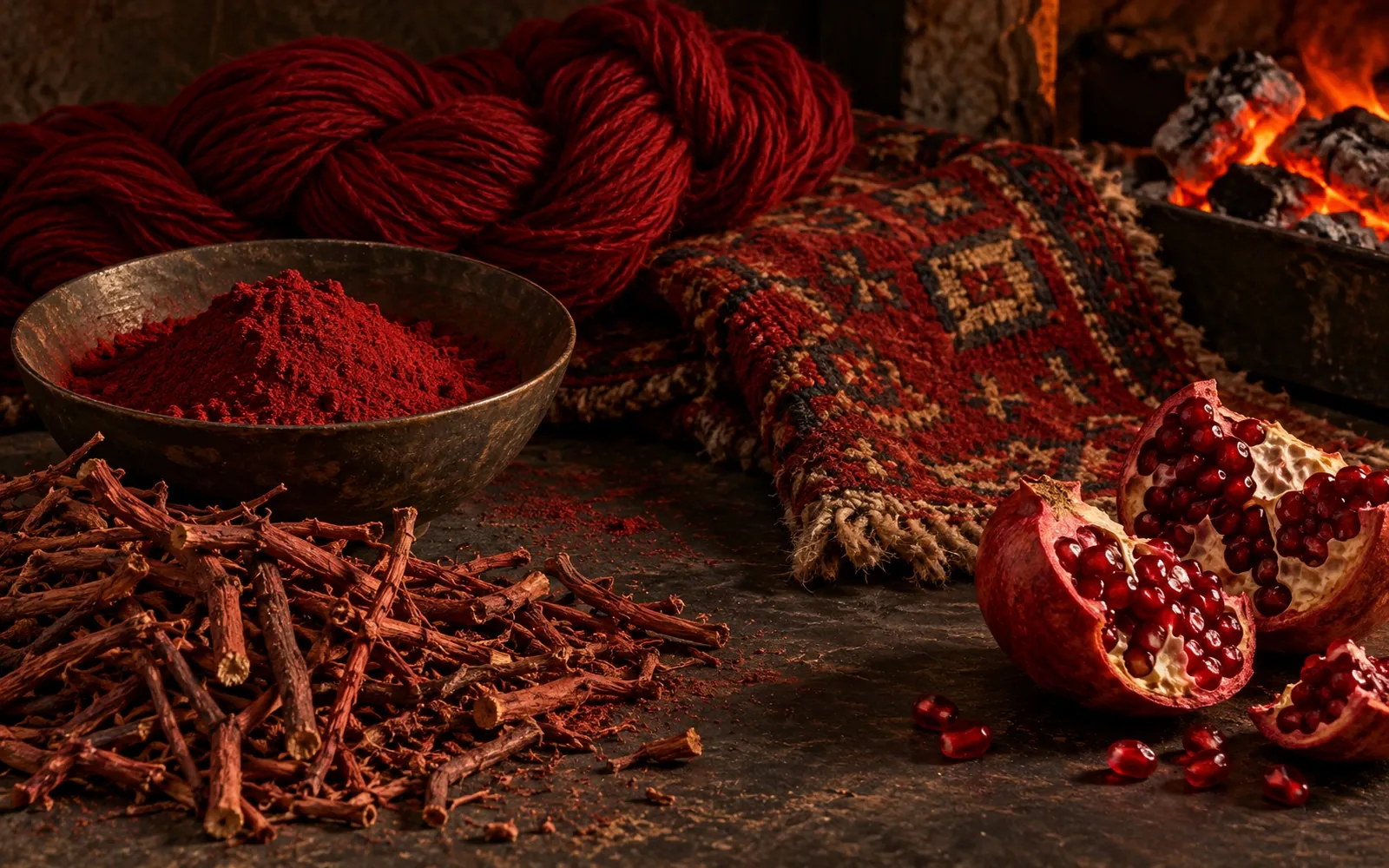
A deep red from lac, a resin made by insects; the root of lacquer, and in Persian also of nail polish.
The dark violet-blue of indigo dye; through Persian lilak it gave English the word lilac.
Flowers and fruit
The basic Persian word for purple is simply the name of the violet flower.
The vivid red-purple of Judas-tree blossoms in spring.
A soft, warm, peachy pink; one of the most loved Persian colour names.
The dark, glossy red-brown of a dried jujube; deep and wintry.
A deep crimson with purple in it, like dried barberries on rice.
A dark, juicy red, a little brighter than zereshki.
From narenj, the bitter orange; the colour word and the fruit are the same.
A clear, sharp, slightly green yellow.
A soft, pale, slightly yellow green.
A dark, glossy purple close to black.
The orange-red-brown that henna leaves on hair and hands.
A golden orange-yellow, warm and luminous.
Kitchen and everyday
A pale, warm beige, the colour of dried chickpeas.
The pale dull yellow of straw; kaghaz-e kahi is cheap newsprint.
An off-white with a little warmth; never pure white.
The everyday word for brown, from ghahve, coffee.
A warm reddish brown, often used for hair.
A warm golden brown, mostly used for eyes.
A green-brown, also for eyes.
A warm, light-brown skin tone, said with affection.
A sandy brown-beige, the colour of a camel's coat.
A grey olive green, the colour of mung beans; common for clothes and uniforms.
Smoke, ash and cosmetics
A transparent grey, like tinted glass or smoke.
The basic word for grey, from khakestar, ash.
A soft grey with a cool hint of blue; calm and elegant.
Navy blue, named after sormeh, the dark eyeliner.
Magenta or fuchsia, named after sorkhab, the old cheek rouge.
The everyday word for black, from meshk, musk.
The words to describe it
Precise words for the qualities above. Combine a few of them instead of naming the style or artist alone.
- lajvardi lapis blue
- firouzei turquoise tile
- shangarfi cinnabar red
- zangari verdigris green
- golbehi quince-blossom pink
- zereshki barberry crimson
- annabi jujube red
- pestei pistachio green
- zafarani saffron gold
- sormei kohl navy
A still life lit by a window: a tea glass of annabi-red tea on a golbehi cloth, a bowl of pestei-green pistachios, a firouzei-glazed plate, shiri-white wall behind, soft afternoon light.
How to put it into words
- Name the object, not only the hue: 'barberry red' instead of 'dark red'.
- Add the surface: lajvardi on matte paper is not lajvardi on glazed tile.
- Pair names that come from the same world, such as saffron, barberry and pistachio, for a palette that feels coherent.
Where we usually get it wrong
These names are not exact codes. Golbehi or tousi shifts from person to person and from shop to shop. Use them for their clear direction and their association, and when exactness matters, add a reference image or a colour value.
Open your kitchen cupboard and name five colours after what you see there: a spice, a jar, a fruit, a tea glass. Then describe one image using only those five names.