The internet's dream journal
Dreamcore grew in the late 2010s across Tumblr, Amino, Pinterest and later TikTok, alongside liminal spaces and weirdcore. It collects and edits images, often old, low-quality photographs of ordinary places, to recreate what dreams feel like: familiar and wrong, comforting and unsettling.
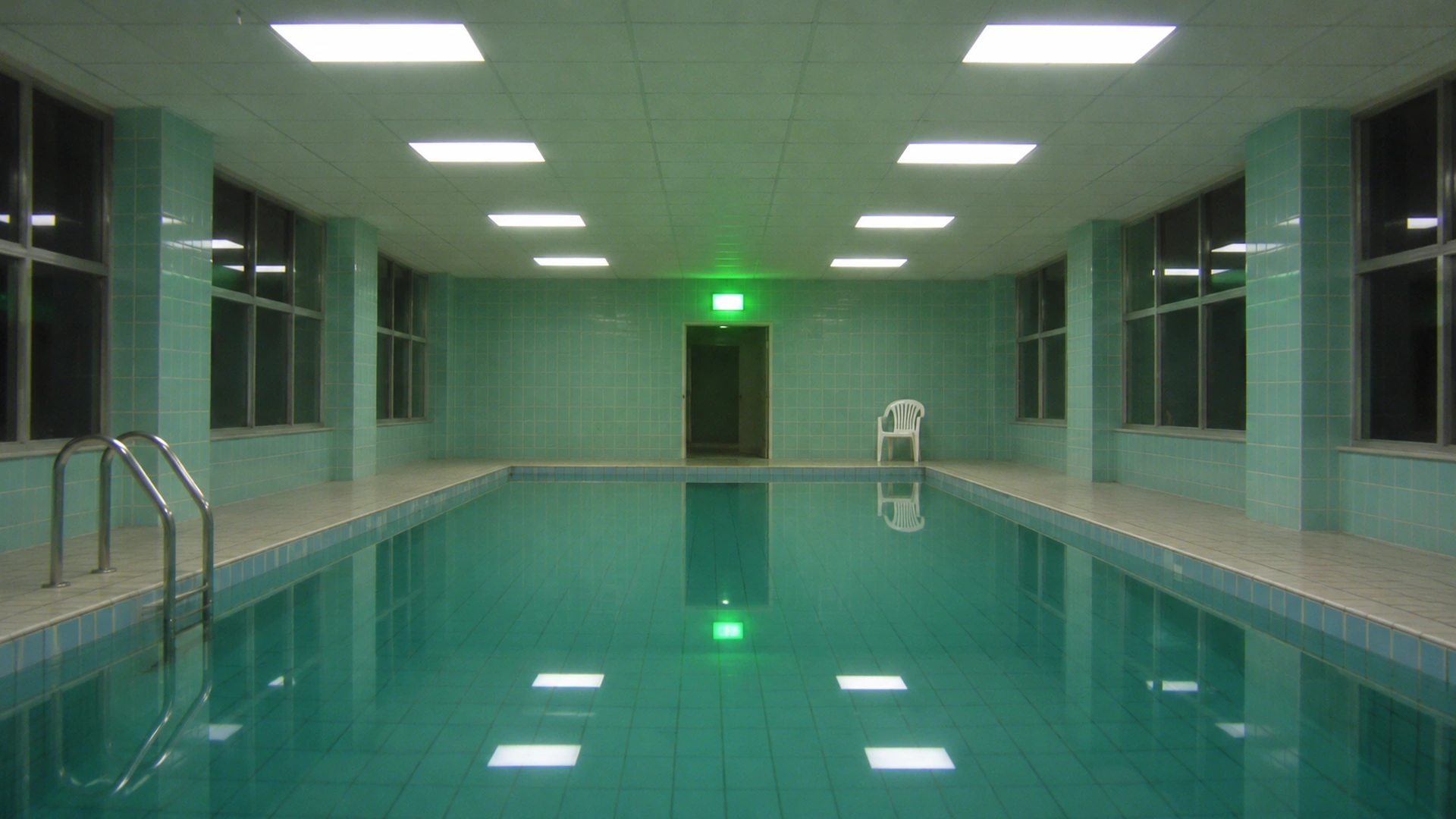
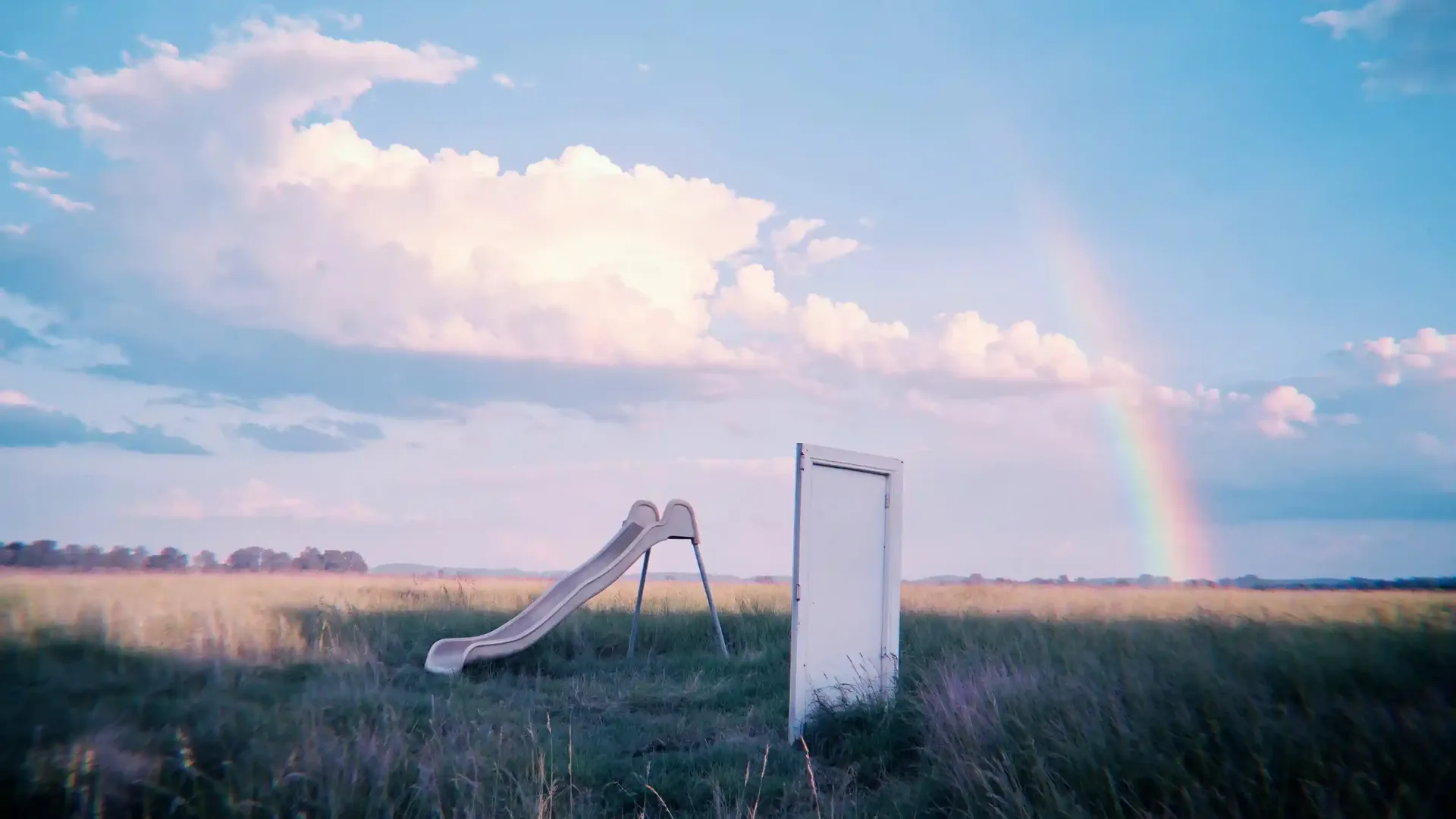
Its typical images are pastel skies and clouds, empty playgrounds and pools, staircases going nowhere, doors in open fields, fields of flowers, glowing rainbows, floating eyes and short lines of text such as 'you've been here before'. Edits add soft glow, oversaturation, blur, pixelation and early-internet fonts.
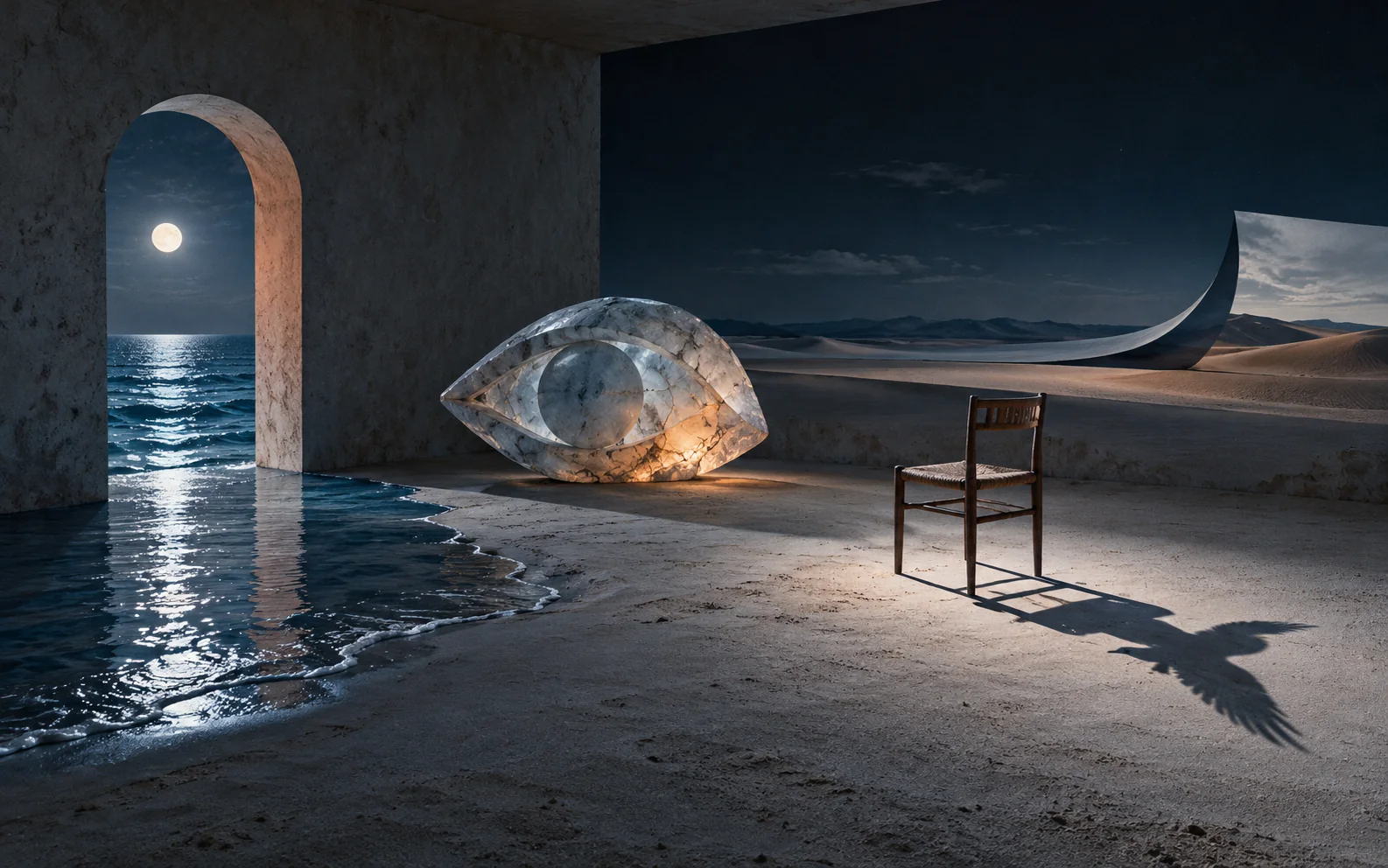
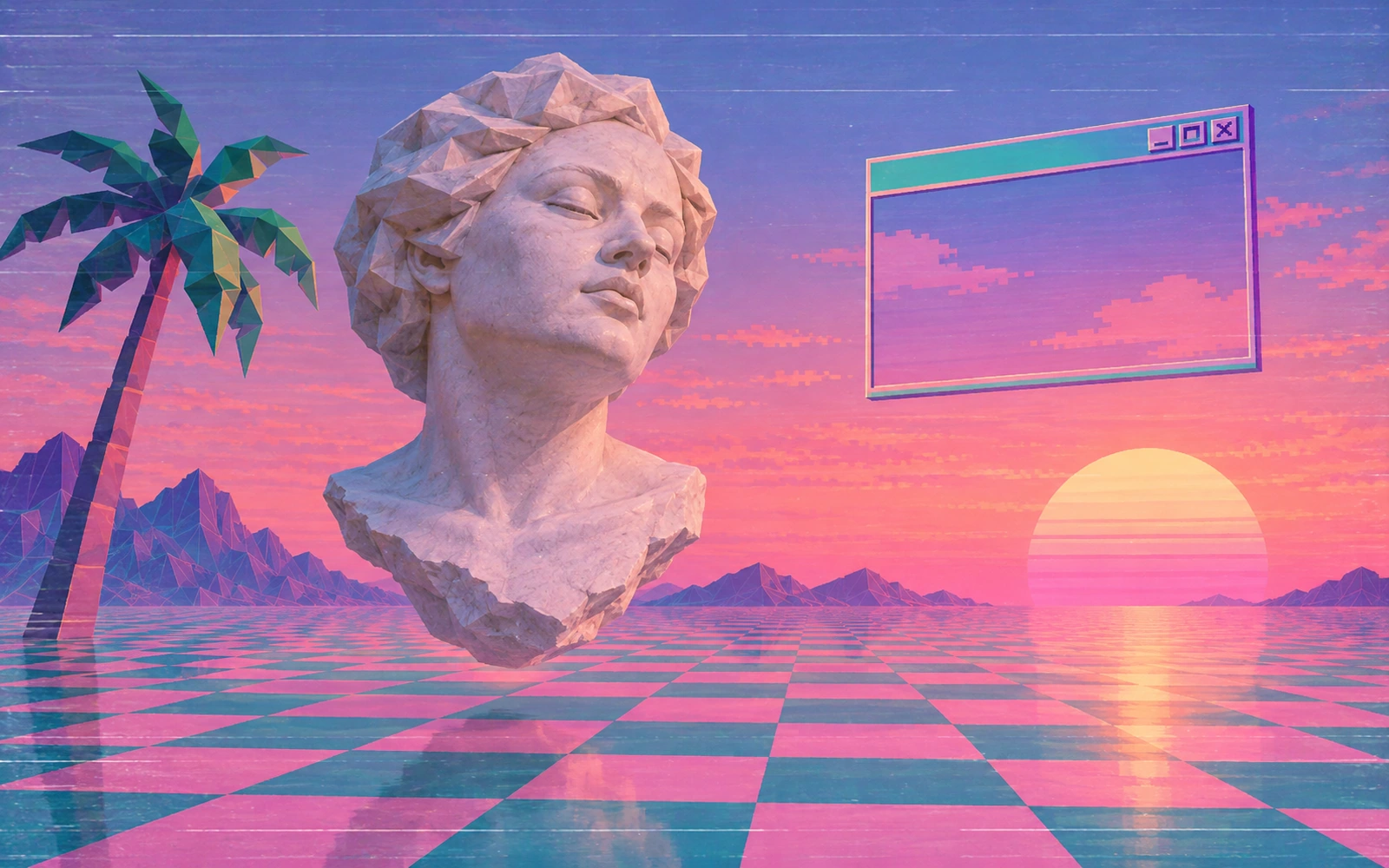
It has roots in Surrealism, especially Magritte's skies and de Chirico's empty squares, and in the visual culture of the 1990s and 2000s: disposable cameras, early digital photos, children's television and old computer graphics. For many young people it is also a way to talk about memory, loneliness and comfort.
Visual anatomy of Dreamcore
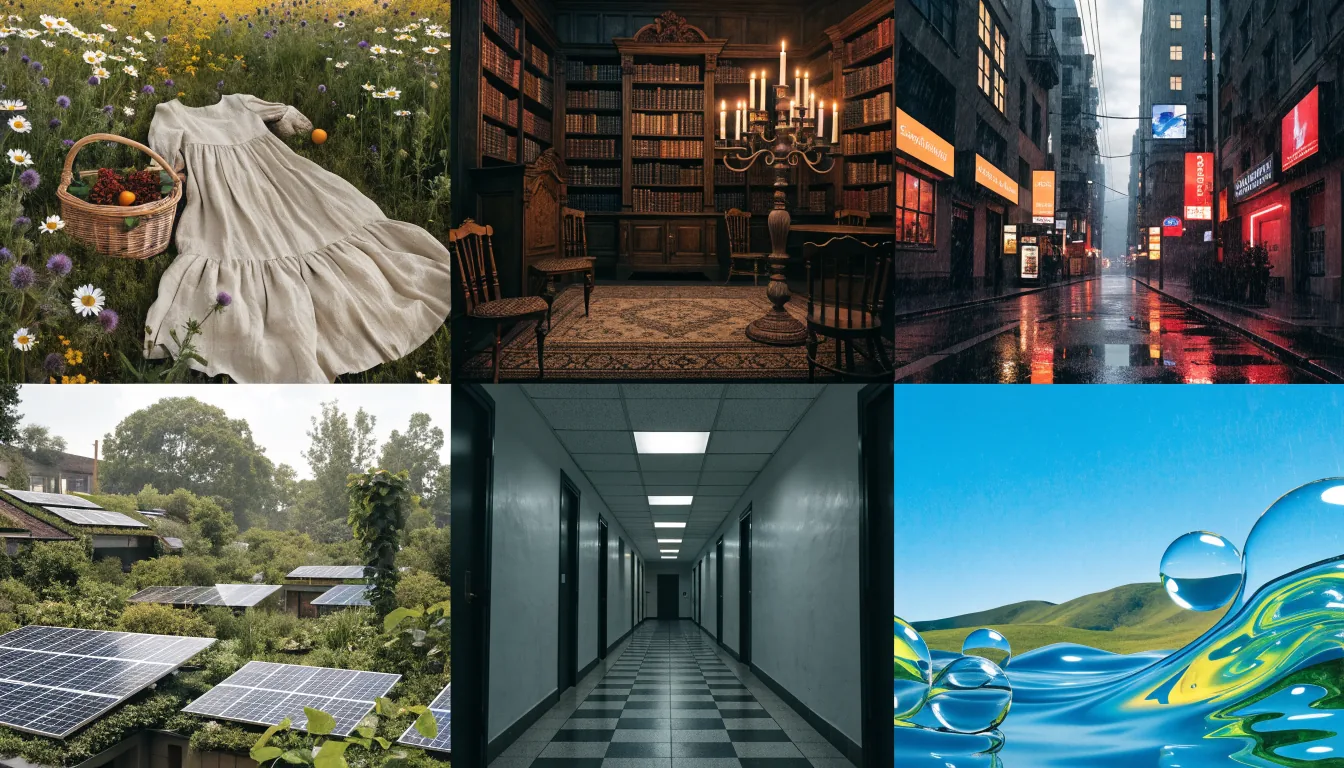
Playgrounds, pools, bedrooms, hallways, fields, staircases; ordinary childhood spaces.
Pastel blue skies with soft clouds, rainbows and odd suns.
Doors, eyes, toys, balloons, stairs and windows placed where they do not belong.
Pastels and soft saturated tones, or washed-out nostalgic colour.
Low-resolution, blurred, grainy or glowing, like old photos or early digital cameras.
Short captions in simple fonts that address the viewer directly.
Words around dreamcore
A close cousin with more unsettling, confusing edits and text.
Empty transitional places, often used inside dreamcore images.
An aesthetic focused on comforting childhood memories.
A brighter, more playful aesthetic of primary colours and childhood objects.
How to recognize Dreamcore
- Pastel skies, clouds and soft light.
- Childhood places: playgrounds, pools, bedrooms.
- Something slightly out of place: a door in a field, an eye in the sky.
- Low-quality, glowing or grainy images.
- A mood of nostalgia mixed with gentle unease.
Where people get it wrong
Dreamcore is often confused with horror or with plain liminal spaces. Liminal spaces are mostly real, empty architecture; dreamcore adds surreal elements, colour and emotional text, and its main feeling is tender nostalgia rather than fear. Weirdcore pushes further into confusion.
Words to describe Dreamcore
Precise words for the qualities above. Combine a few of them instead of naming the style or artist alone.
- dreamcore
- pastel sky
- soft clouds
- empty playground
- door in a field
- floating eye
- rainbow glow
- nostalgic
- low-resolution photo
- early digital camera
- gentle unease
- childhood memory
An empty children's playground in a field of tall grass under a pastel blue sky full of soft clouds, a single white door standing on its own beside the slide, a faint rainbow glow, everything slightly blurred and grainy like an early-2000s digital photo, no people, quiet and nostalgic.
What to take from Dreamcore today
- Start from an ordinary childhood place.
- Add one impossible element, quietly.
- Use pastel sky and soft glow.
- Degrade the image slightly: grain, blur, early digital camera.
Questions about Dreamcore
What is the difference between dreamcore and weirdcore?
Both are surreal, nostalgic internet aesthetics. Dreamcore leans toward soft, pastel, dreamy and comforting imagery. Weirdcore is more disorienting and unsettling, with stranger edits, eyes, glitches and confusing text.
Is dreamcore the same as liminal spaces?
No, but they overlap. Liminal spaces are photos of empty transitional places. Dreamcore often uses such places but adds surreal objects, colour, skies and text to evoke the feeling of a dream.
Why is dreamcore popular?
It gives shape to feelings that are hard to describe: nostalgia for a childhood that was not quite like that, the strangeness of memory, gentle loneliness. Its tools, old photos and simple edits, are easy for anyone to use.
Choose a photo of an ordinary place you remember from childhood. Describe it in two sentences as it really was. Then add one impossible but gentle element and describe the new image in two more sentences. What changed in the feeling?
Sources and further reading
- Aesthetics Wiki: Dreamcore and Weirdcore.
- Museum of Modern Art: René Magritte and Giorgio de Chirico collections.
- Mark Fisher, Ghosts of My Life, Zero Books, 2014 (on hauntology and nostalgia).
- Aesthetics Wiki: Liminal Space.