The machine age, extended
Dieselpunk is a retro-futurist genre in fiction, games, film and design that takes the technology and style of roughly 1920 to 1950, diesel engines, early aircraft, radio, Art Deco and streamline design, and imagines it running on into an alternative future. The word is usually credited to game designer Lewis Pollak, who used it in 2001 for his role-playing game Children of the Sun.
Its ancestors include Fritz Lang's Metropolis (1927) and the pulp magazines and serials of the 1930s. Later examples are films such as Sky Captain and the World of Tomorrow (2004) and many video games and comics. Some dieselpunk is glamorous and optimistic, closer to Art Deco; much of it is dark, shaped by war, totalitarian politics and noir.
Visual anatomy of Dieselpunk
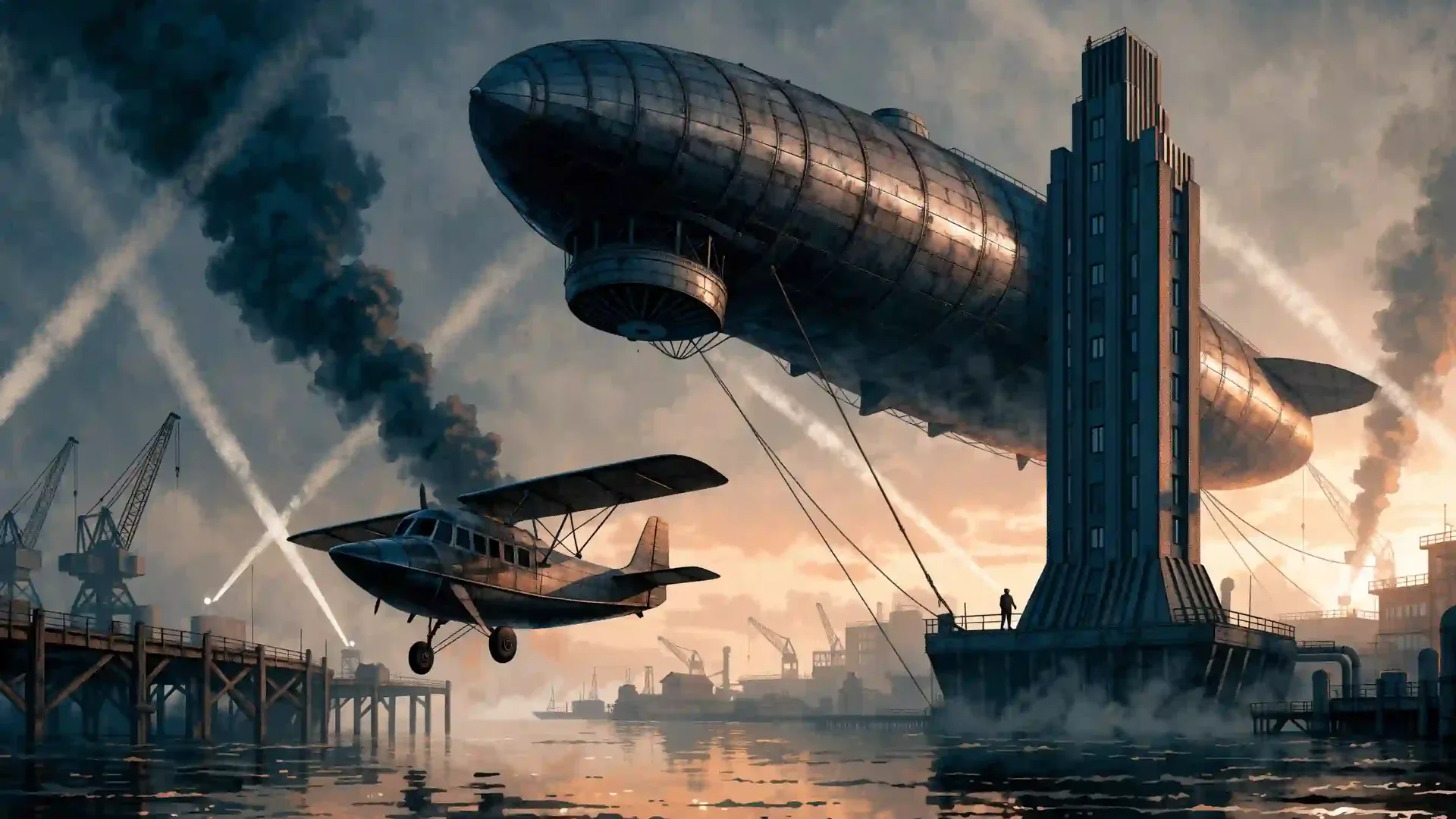
Diesel engines, tanks, airships, flying boats, giant propellers, rivets.
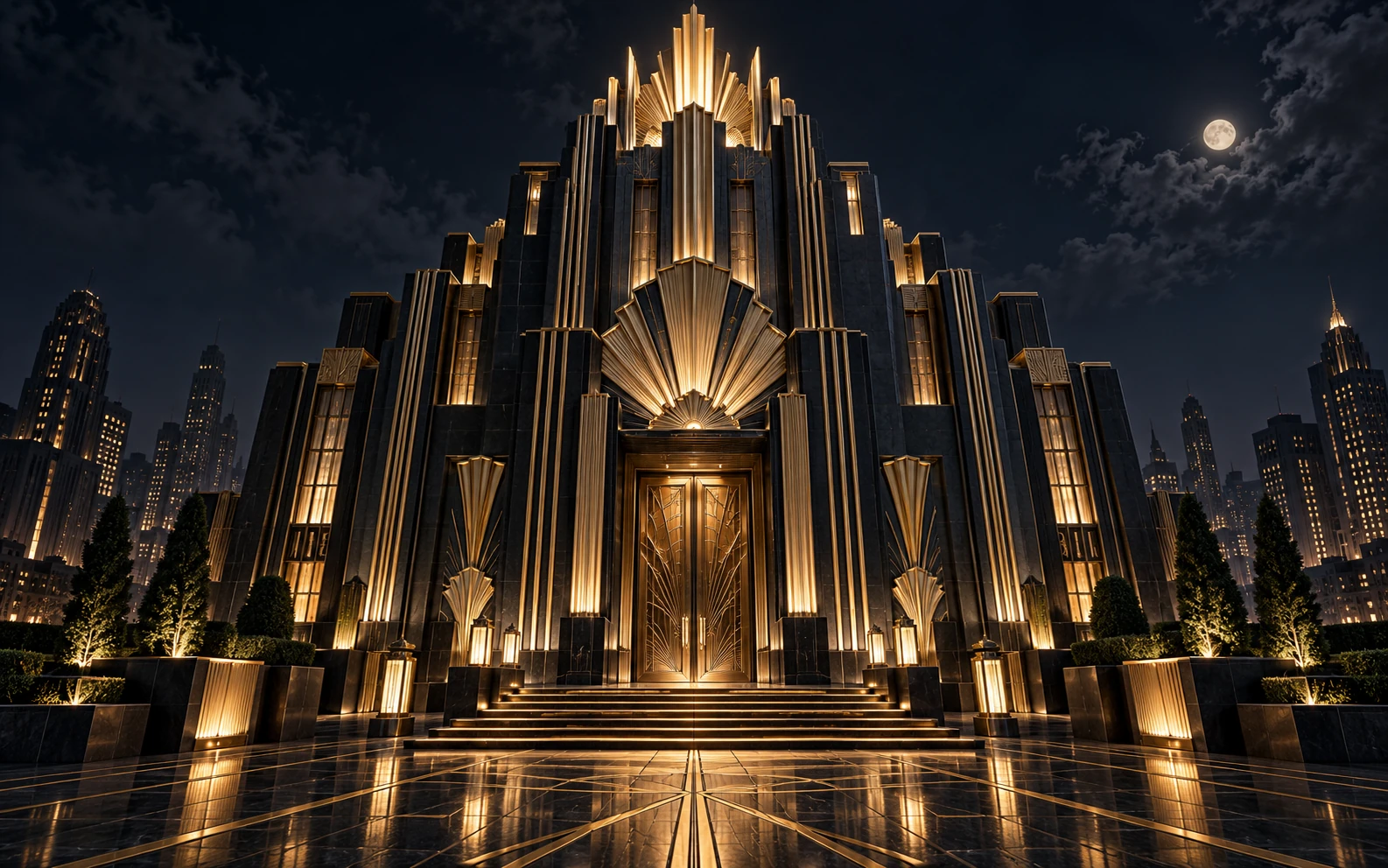
Art Deco and streamline towers, searchlights, huge industrial halls.
Oil black, gunmetal, olive drab, rust, brass, cream, sometimes a single red.
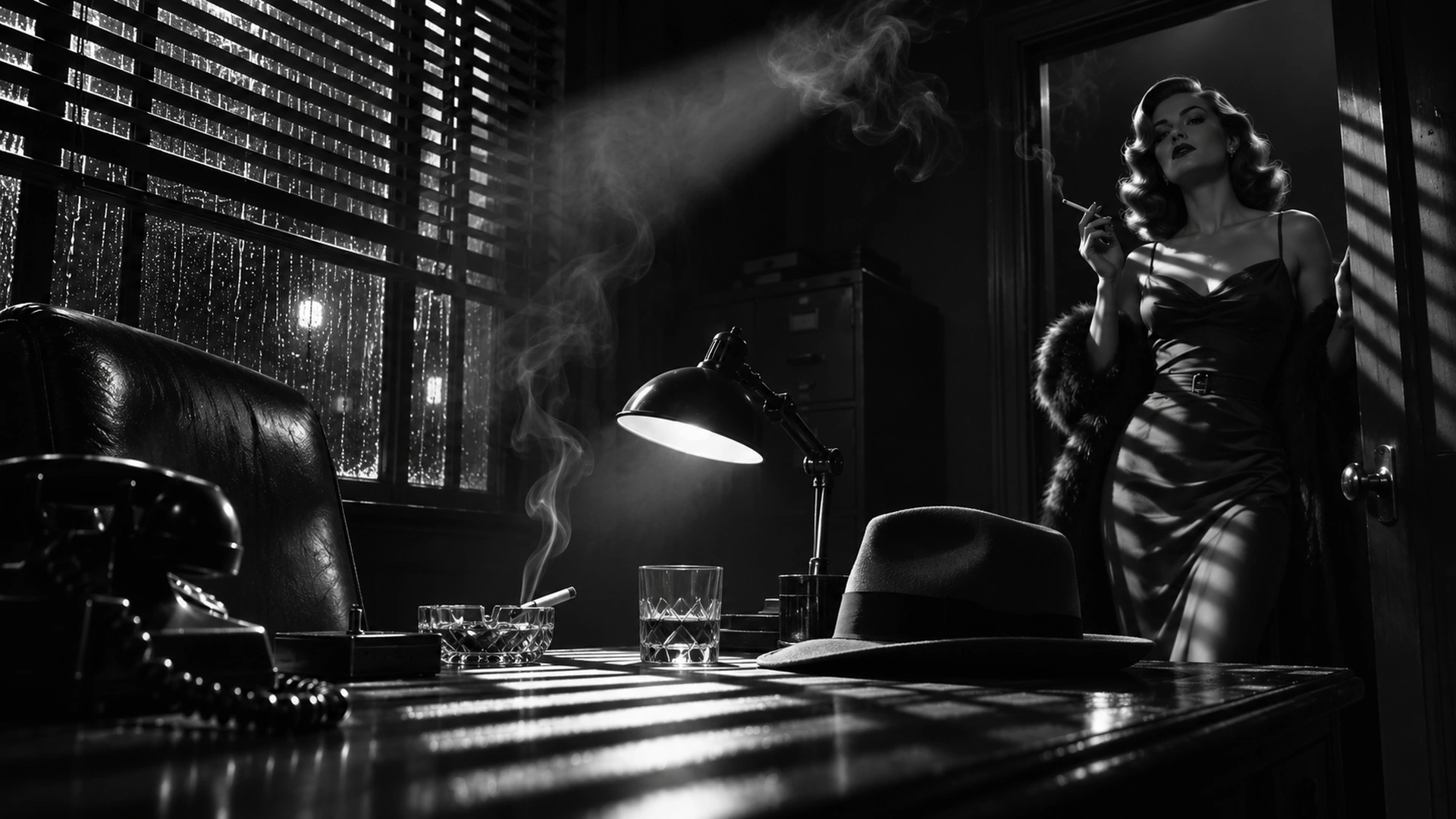
Searchlights, smoke-filtered sun, neon and noir shadows.
Leather flight jackets, goggles, trench coats, uniforms, 1940s tailoring.
Grand, grimy, tense; glamour and menace together.
Words around dieselpunk
Futures imagined in the style of the past.
A cleaner, more glamorous Art Deco variant.
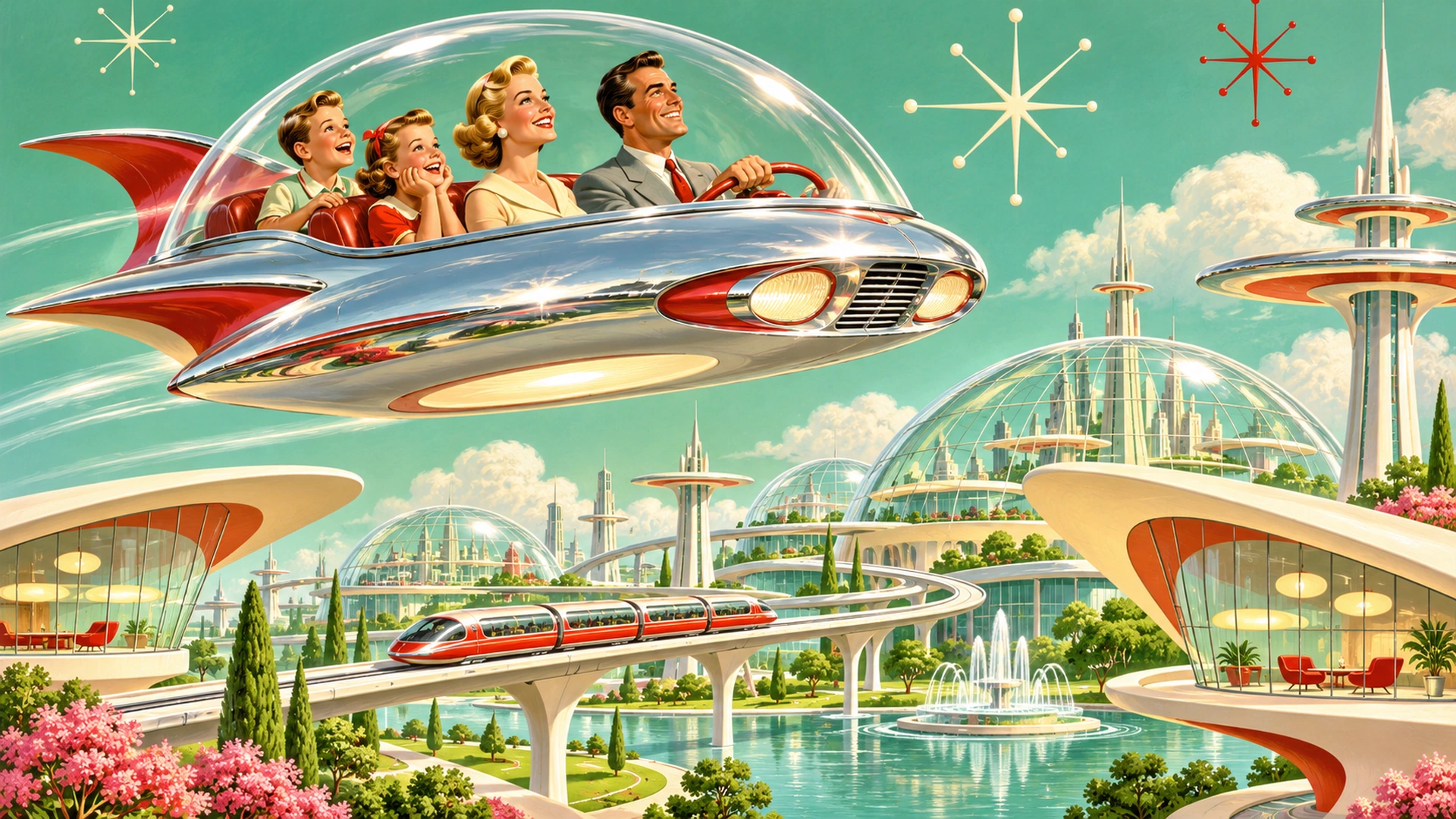
The aerodynamic, curved design of the 1930s.
How to recognize Dieselpunk
- Interwar or wartime machines, exaggerated.
- Art Deco or streamline architecture.
- Smoke, oil, rivets and steel.
- Noir lighting and searchlights.
Where people get it wrong
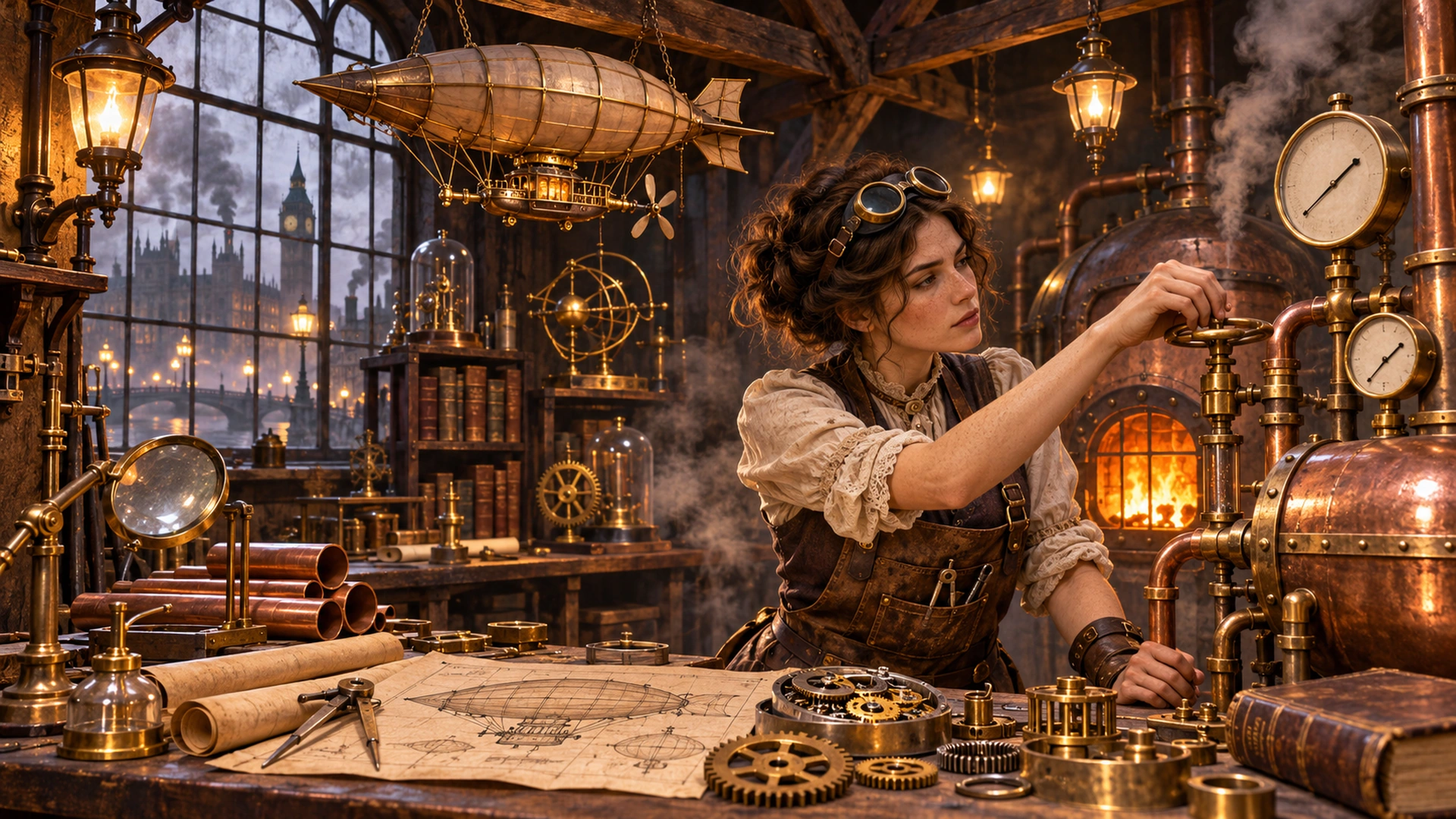
Dieselpunk is often confused with steampunk. Steampunk is Victorian: brass, clockwork, steam and corsets, roughly the 1800s. Dieselpunk is the 20th century: diesel, steel, aircraft and Art Deco. A second caution: because it borrows from the 1930s and 1940s, careless use can glamorise fascist and military imagery; good dieselpunk is aware of that history.
Words to describe Dieselpunk
Precise words for the qualities above. Combine a few of them instead of naming the style or artist alone.
- dieselpunk
- retrofuturism
- Art Deco
- streamline
- airship
- rivets
- searchlight
- noir
- gunmetal
- decopunk
A dieselpunk study: a riveted airship moored to an Art Deco tower at dusk, searchlights crossing a smoky sky, a flying boat landing on oily harbour water, gunmetal, rust and cream, a lone figure in a leather flight jacket.
What to take from Dieselpunk today
- Name the era of the machines: interwar diesel, not Victorian steam.
- Add Deco or streamline architecture.
- Describe smoke, rivets and oil.
- Light it with searchlights and noir shadows.
Nostalgia with a warning
Dieselpunk is a genre that looks back at an era of great machines and great catastrophes. Its best stories hold both at once. When you describe or generate it, say what the machines are for and who they serve; that sentence is the difference between glamour and meaning.
Questions about Dieselpunk
What is dieselpunk?
A retro-futurist genre and aesthetic based on the technology and style of about 1920 to 1950, such as diesel engines, aircraft, radio and Art Deco, imagined as part of an alternative future.
What is the difference between dieselpunk and steampunk?
Steampunk is based on the 19th-century steam and Victorian era; dieselpunk on the 20th-century diesel and interwar era, with steel, aircraft and Art Deco.
What are examples of dieselpunk?
Fritz Lang's Metropolis (1927) as an ancestor, the film Sky Captain and the World of Tomorrow (2004), and many video games, comics and tabletop games.
Describe a city street in dieselpunk style in five sentences: one machine, one building, one light source, one sound and one person.
Sources and further reading
- Fritz Lang, Metropolis, UFA, 1927.
- Elizabeth Guffey and Kate C. Lemay, 'Retrofuturism and Steampunk', in The Oxford Handbook of Science Fiction, Oxford University Press, 2014.
- Victoria and Albert Museum: Art Deco and streamline design collections.