The inside turned outward
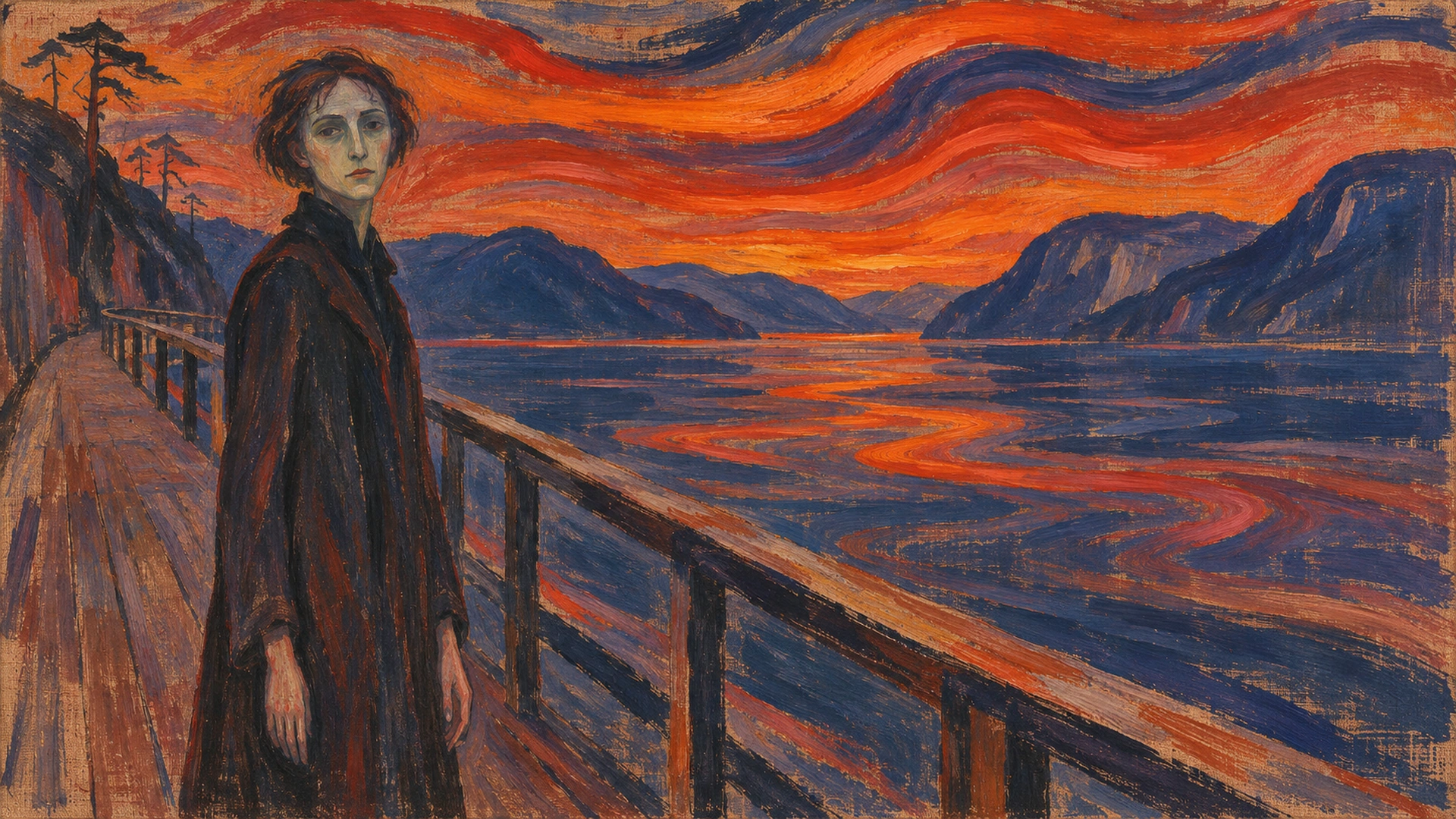
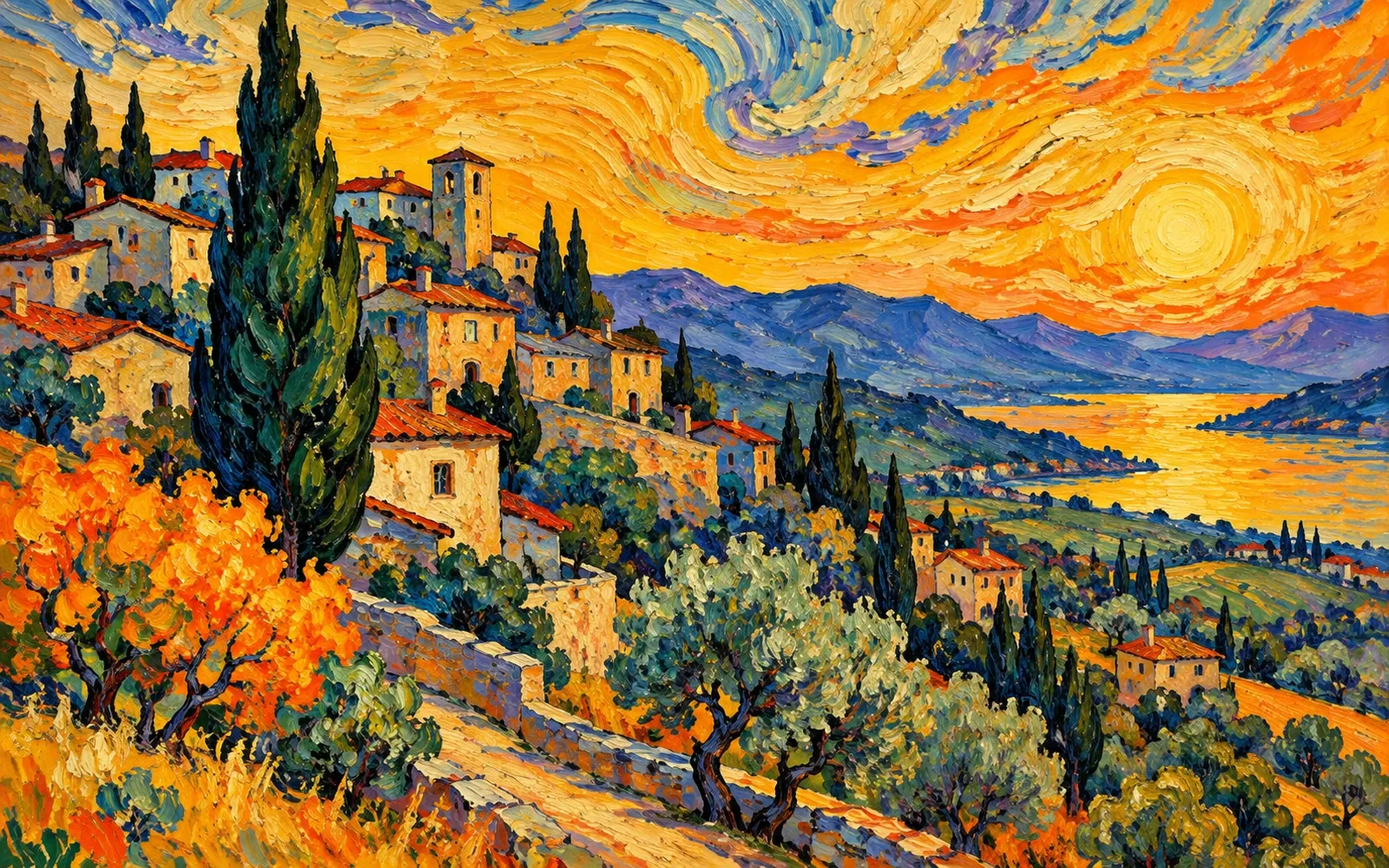
Expressionism grew in Germany in the years before the First World War. In Dresden in 1905 a group of young painters, among them Ernst Ludwig Kirchner, founded Die Brücke; in Munich in 1911 Kandinsky and Franz Marc formed Der Blaue Reiter. Van Gogh and Edvard Munch, with their charged color and anguished figures, were important forerunners.
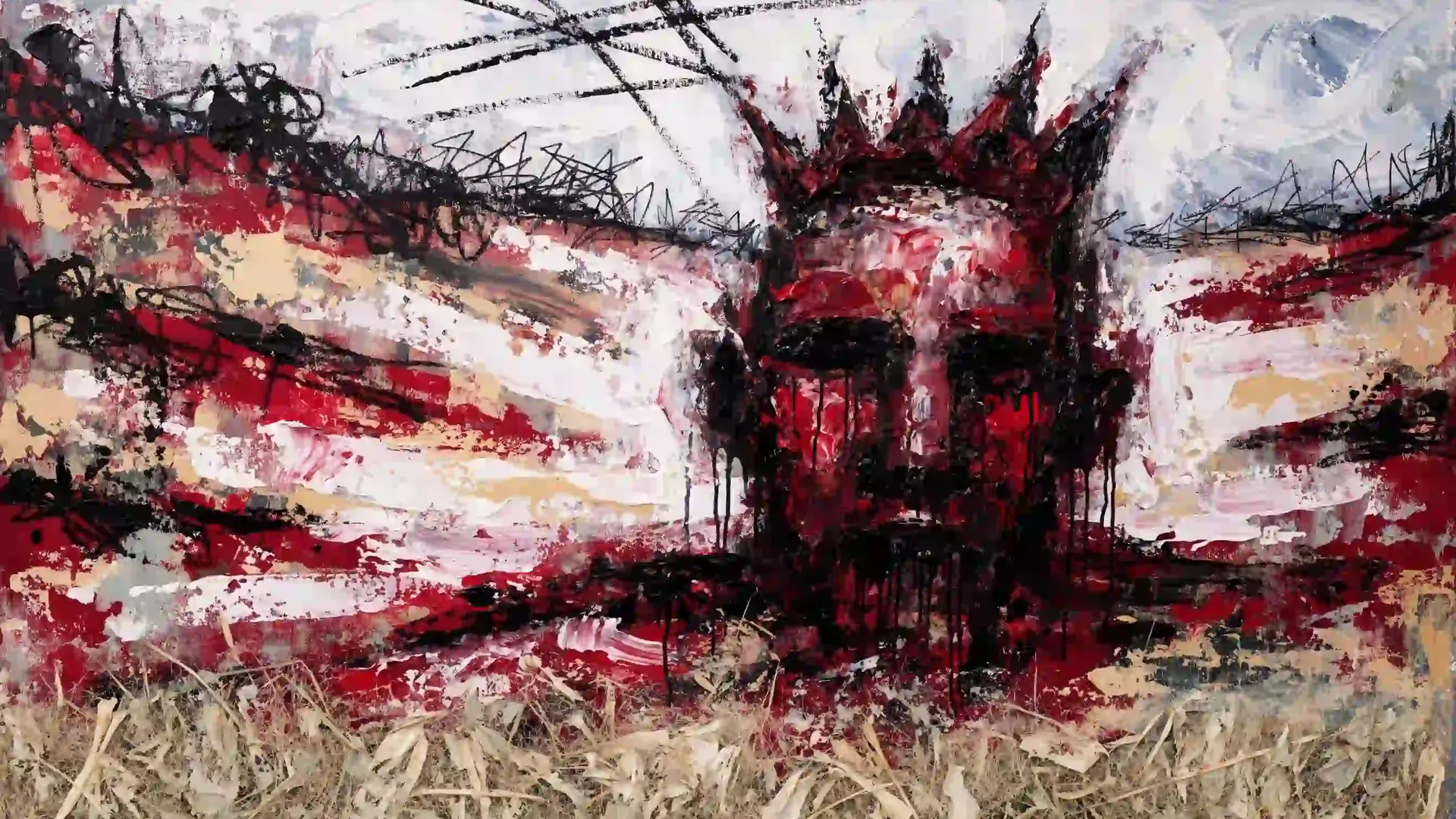
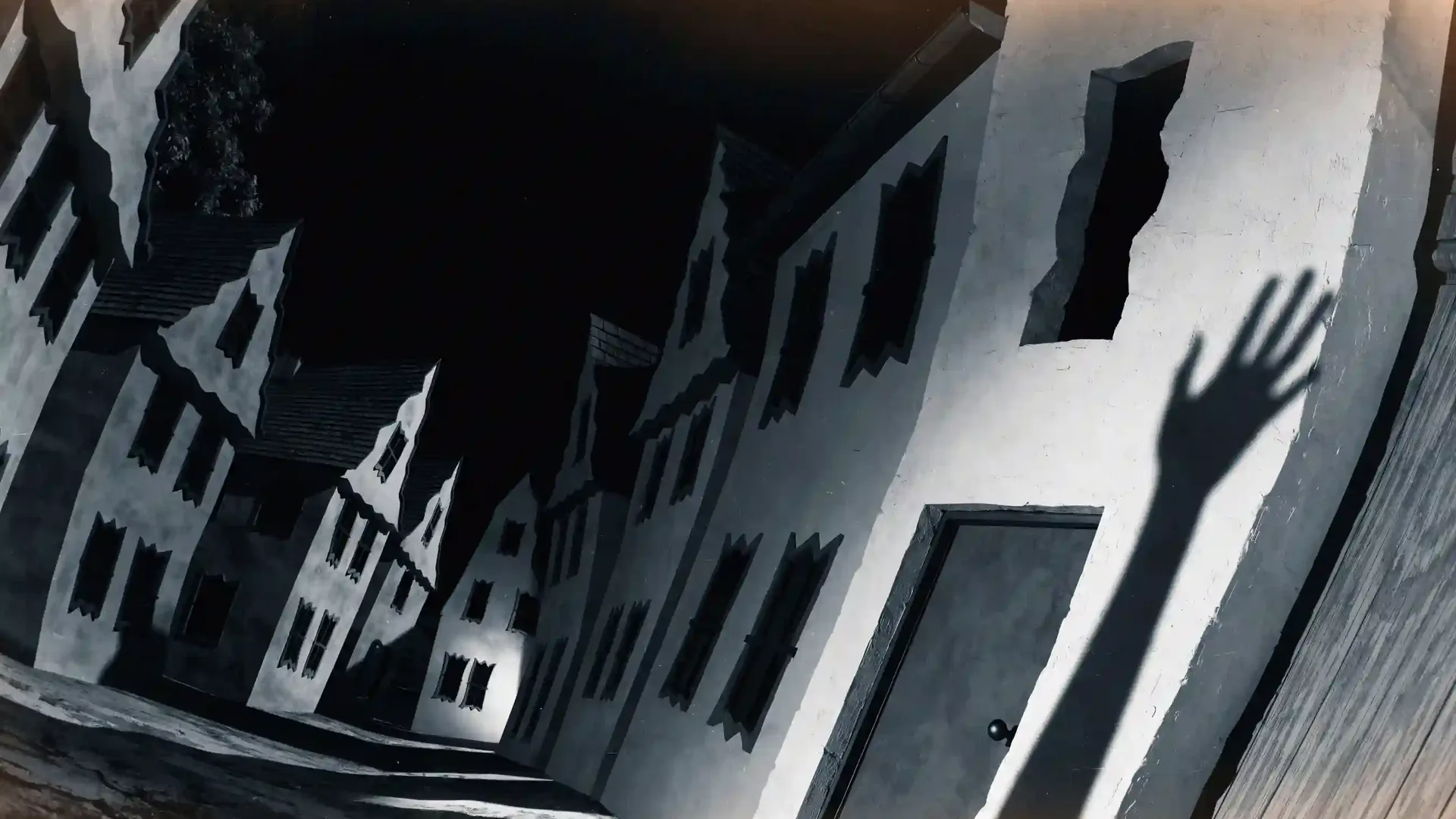
Its painters wanted to show emotional truth rather than surface accuracy. City streets became nervous and crowded, landscapes burned with unnatural color, faces turned mask-like. The same spirit shaped woodcuts, poetry, theater and early cinema, such as the crooked painted sets of 'The Cabinet of Dr. Caligari' (1920).
Visual anatomy of Expressionism
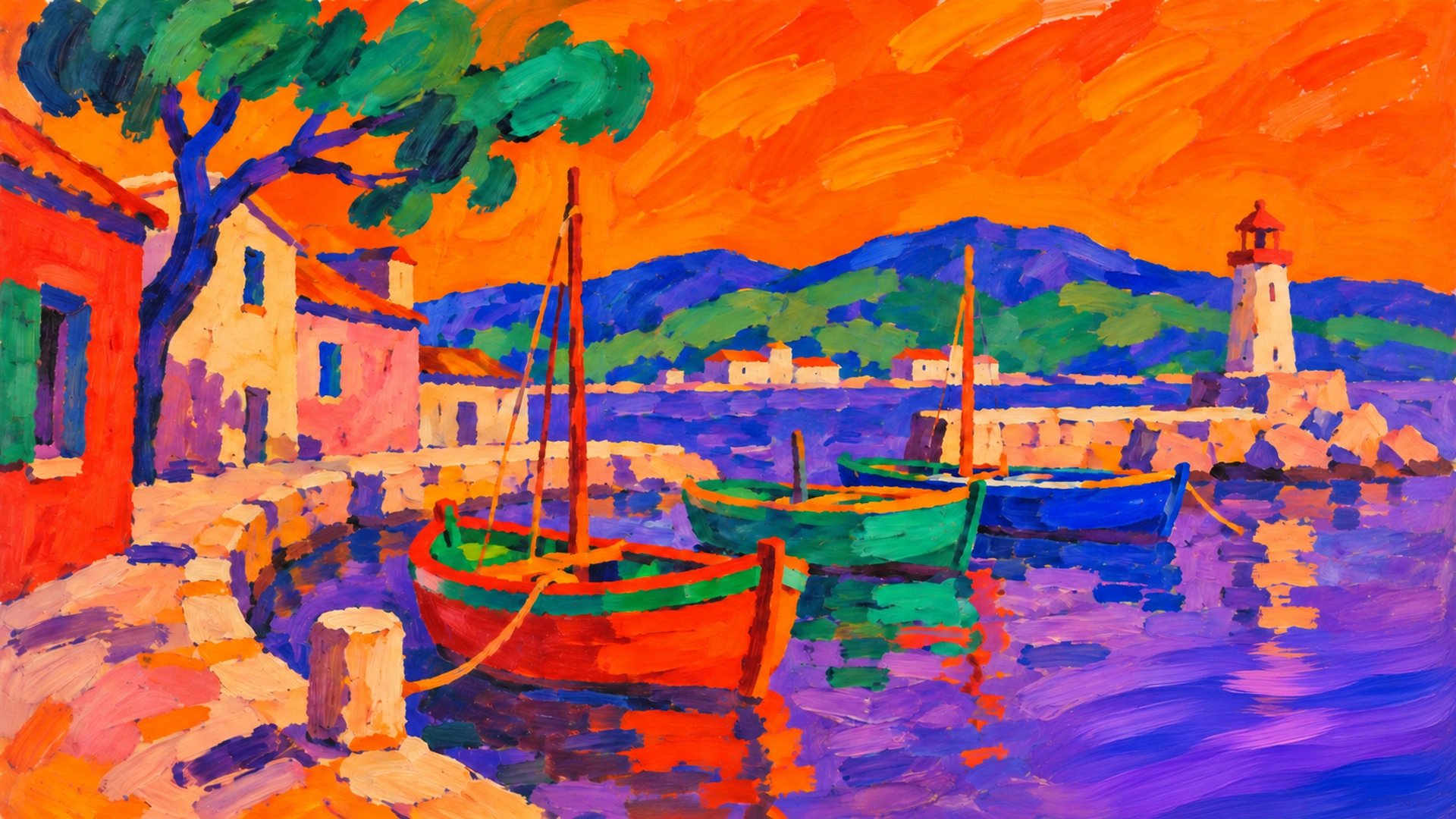
Unnatural and intense: green faces, red skies, colors chosen for feeling, not description.
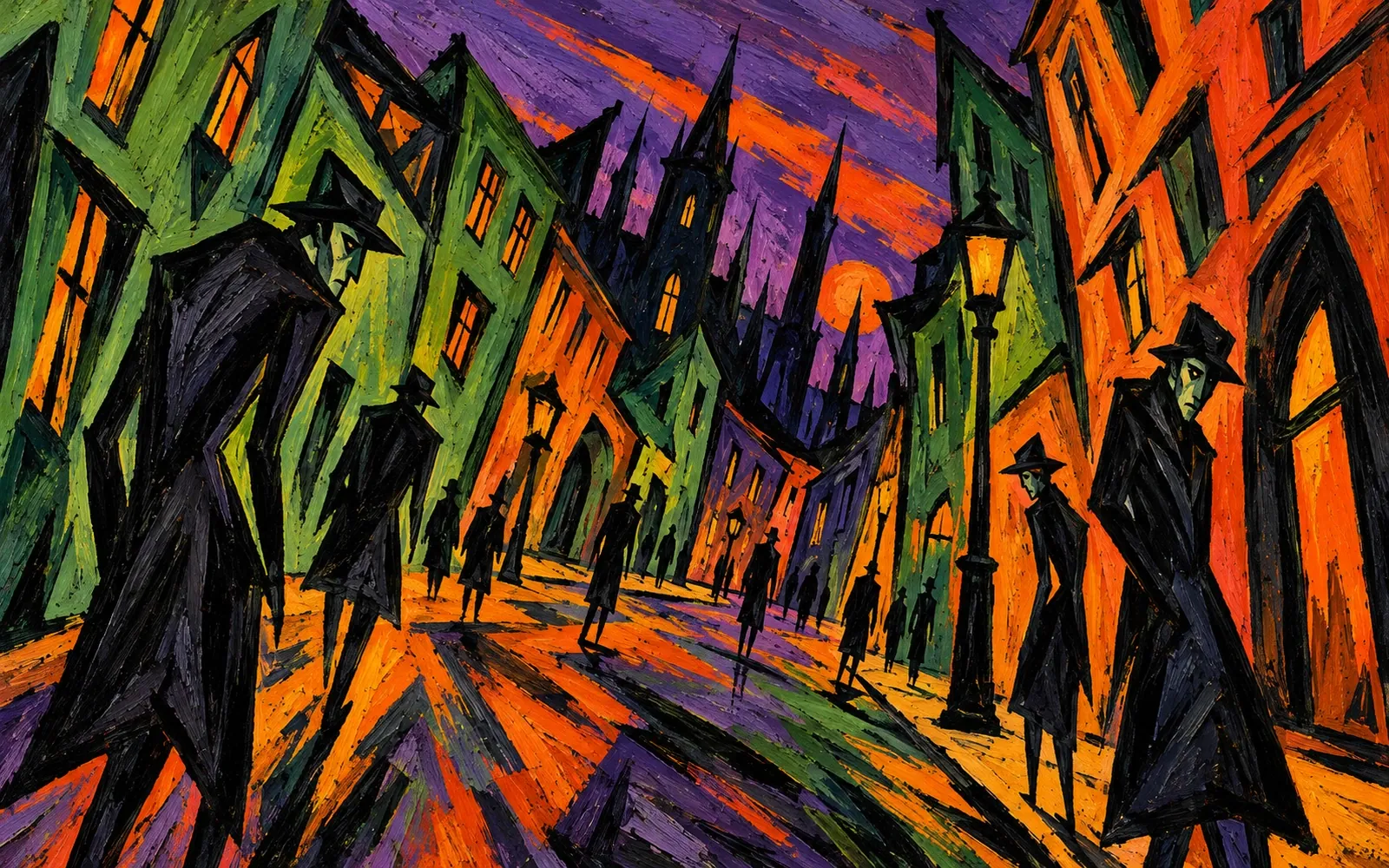
Jagged, angular, nervous lines; contours are thick and often dark.
Bodies and buildings are stretched, tilted or simplified to express a state of mind.
Perspective is steep, compressed or unstable, as if the world is leaning.
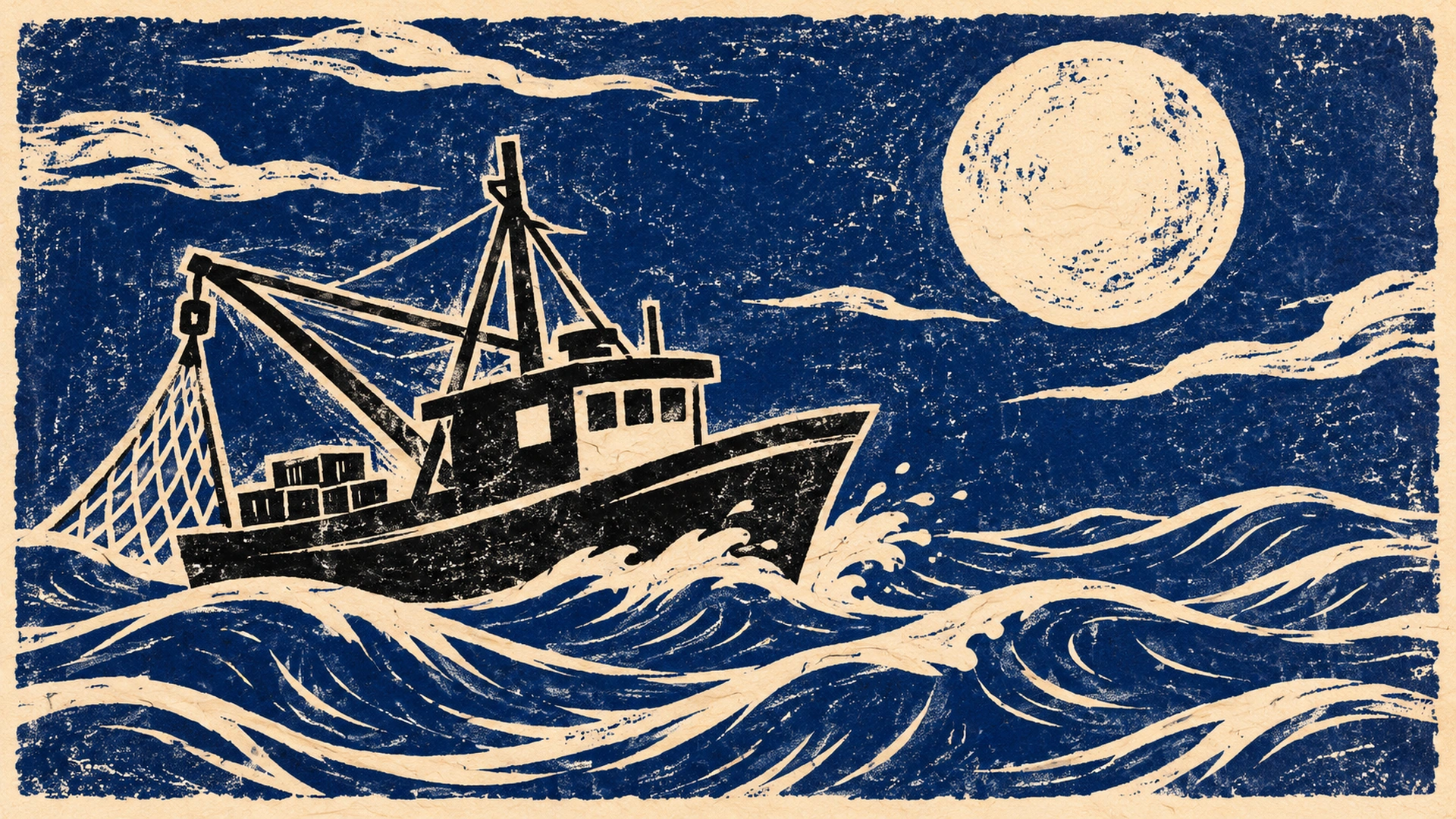
Visible, rough brushstrokes and the hard cuts of woodblock printing.
The city, crowds, nudes, nature, and the anxieties of modern life.
Key artists and groups
The Scream (1893), a forerunner whose anxious colour and line shaped the movement.
Ernst Ludwig Kirchner, Erich Heckel and Karl Schmidt-Rottluff: harsh colour, jagged forms, city and nudes.
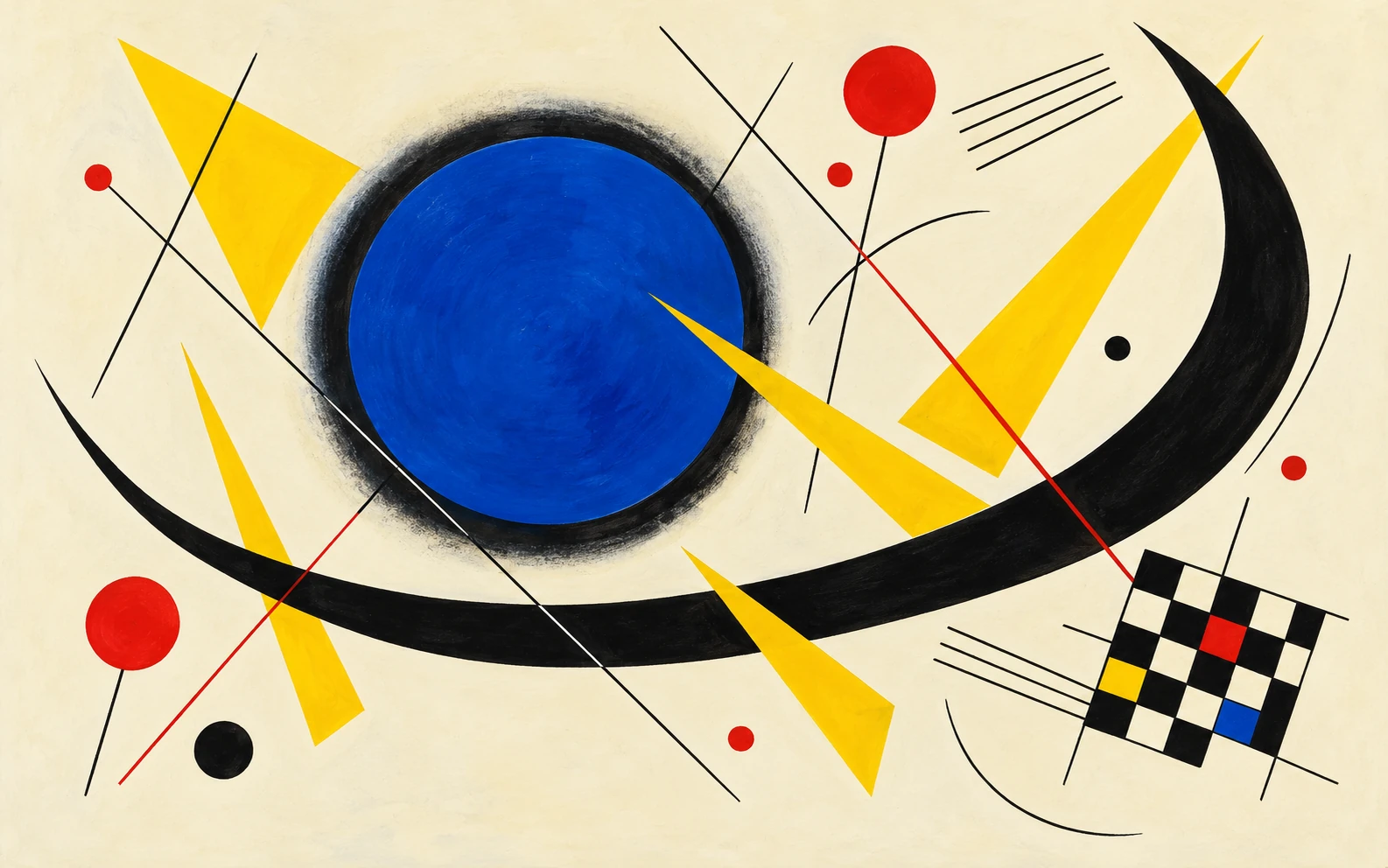
Wassily Kandinsky and Franz Marc: spiritual colour moving toward abstraction.
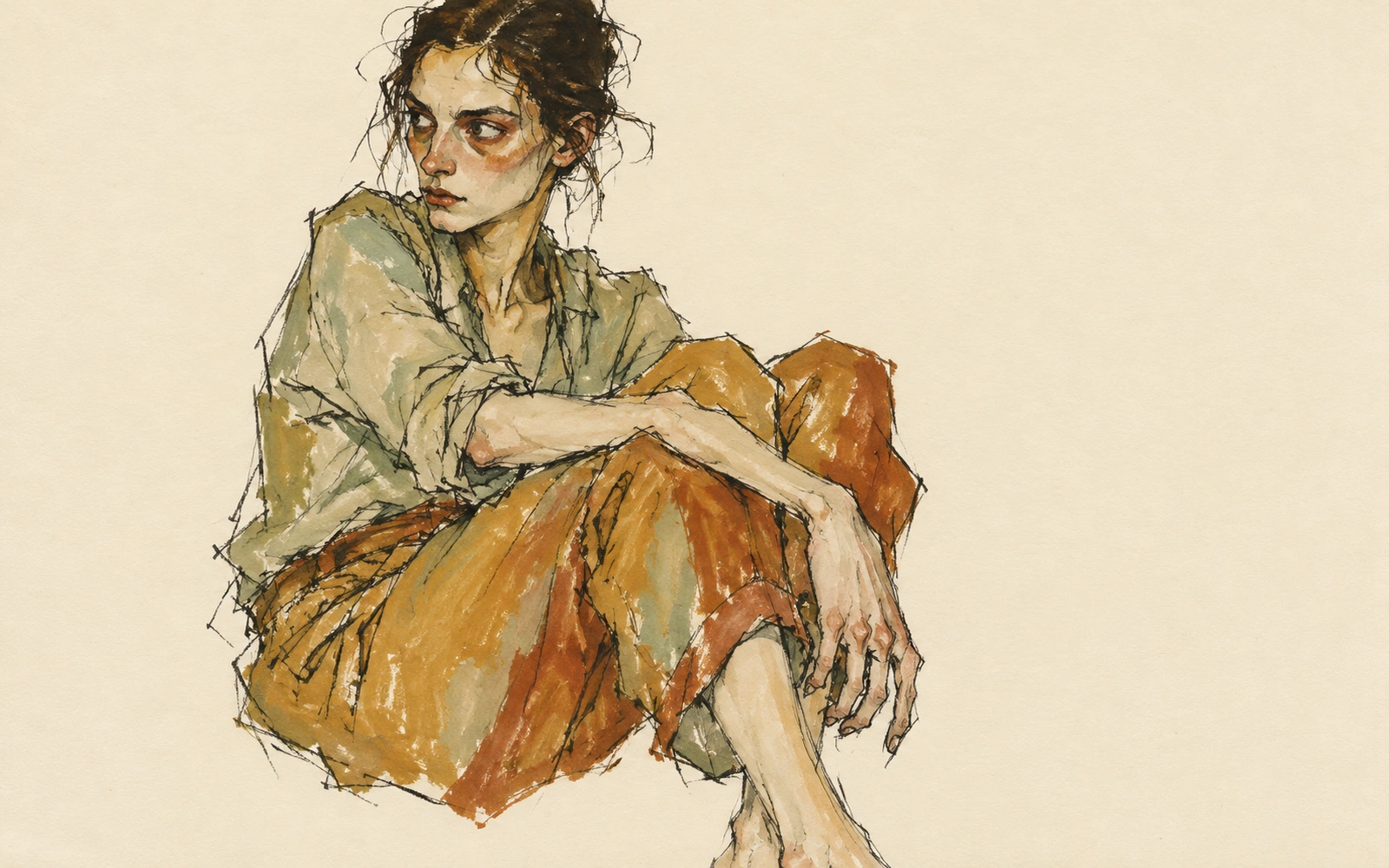
Nervous, angular line and exposed bodies in Vienna.
How to recognize Expressionism
- Colors are emotional rather than realistic.
- Forms are distorted, angular or mask-like.
- The image feels urgent, tense or raw.
Where people get it wrong
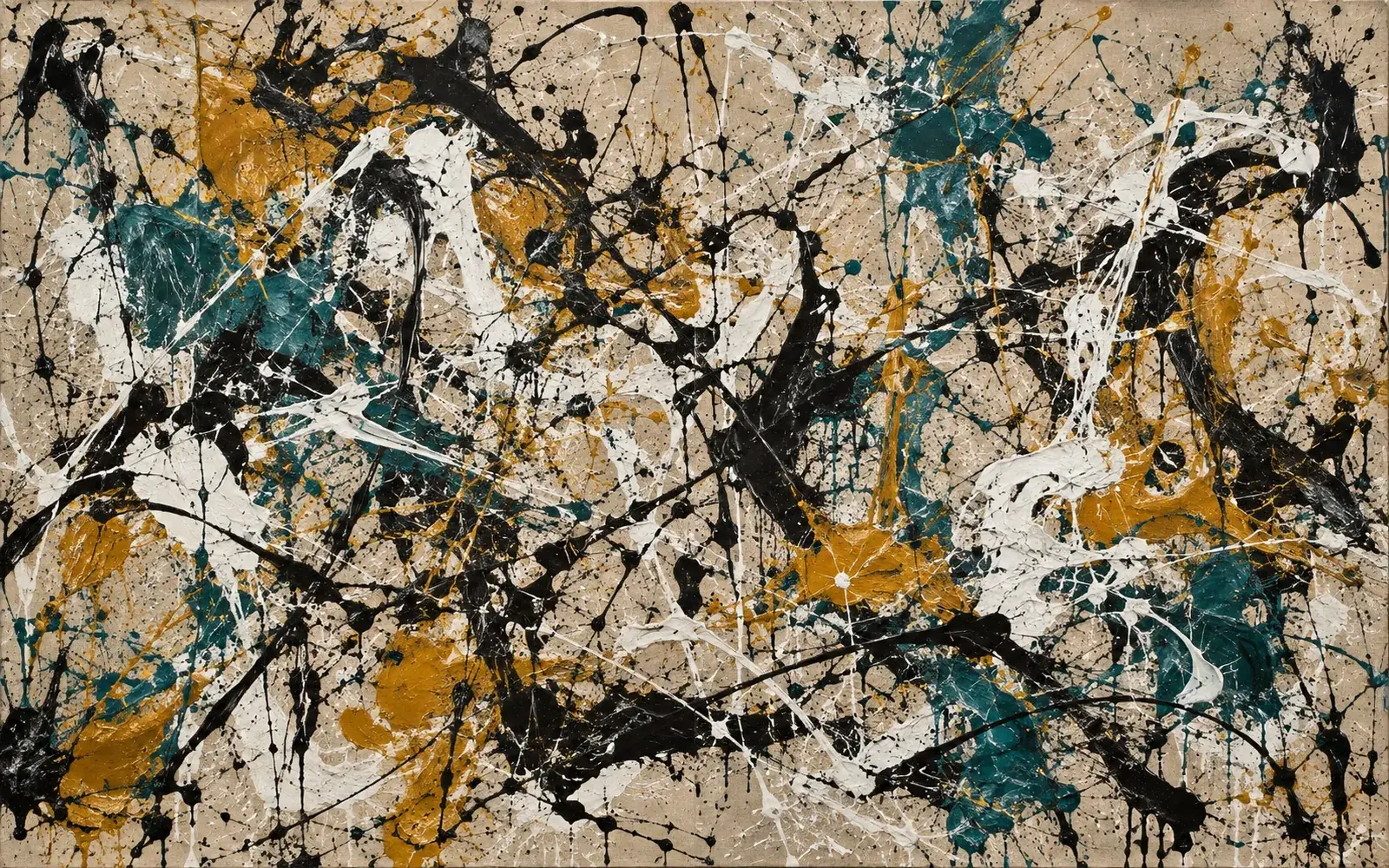
Expressionism is not just 'bright and messy'. Its distortions are deliberate and often bleak. It is also used loosely for any emotional art; historically it refers to specific groups in Germany and Austria, while Abstract Expressionism is a separate American movement of the 1940s–50s.
Words to describe Expressionism
Precise words for the qualities above. Combine a few of them instead of naming the style or artist alone.
- jagged expressive lines
- unnatural acid colors
- distorted figures
- tilted unstable perspective
- raw visible brushwork
- woodcut texture
- mask-like faces
- nervous city street
- heavy dark contours
- emotional intensity
A city street at dusk painted with jagged lines and harsh acid colors: green and orange buildings leaning inward, tall thin figures in dark coats, a violet sky tilted at an angle, rough visible brushwork and thick black contours.
What to take from Expressionism today
- Let one strong emotion choose the colors before the subject does.
- Distort a single element on purpose and see how the mood changes.
- Keep the mark of the tool visible.
Questions about Expressionism
What are the main characteristics of Expressionism?
Distorted or exaggerated forms, intense non-natural colour, rough visible brushwork, emotional or anxious subjects, and the artist's inner experience placed above accurate appearance.
What is the difference between Expressionism and Impressionism?
Impressionism records how light looks at a passing moment, outside, in soft broken colour. Expressionism projects feeling onto the world, distorting form and colour to express an inner state.
Is Abstract Expressionism the same thing?
No. Abstract Expressionism is a later American movement of the 1940s and 50s (Pollock, Rothko). It shares the emphasis on emotion but is mostly non-figurative.
Draw the same room twice: once calm and once anxious. Change only line, color and angle, not the objects. Describe in words what changed.