Less is a bore
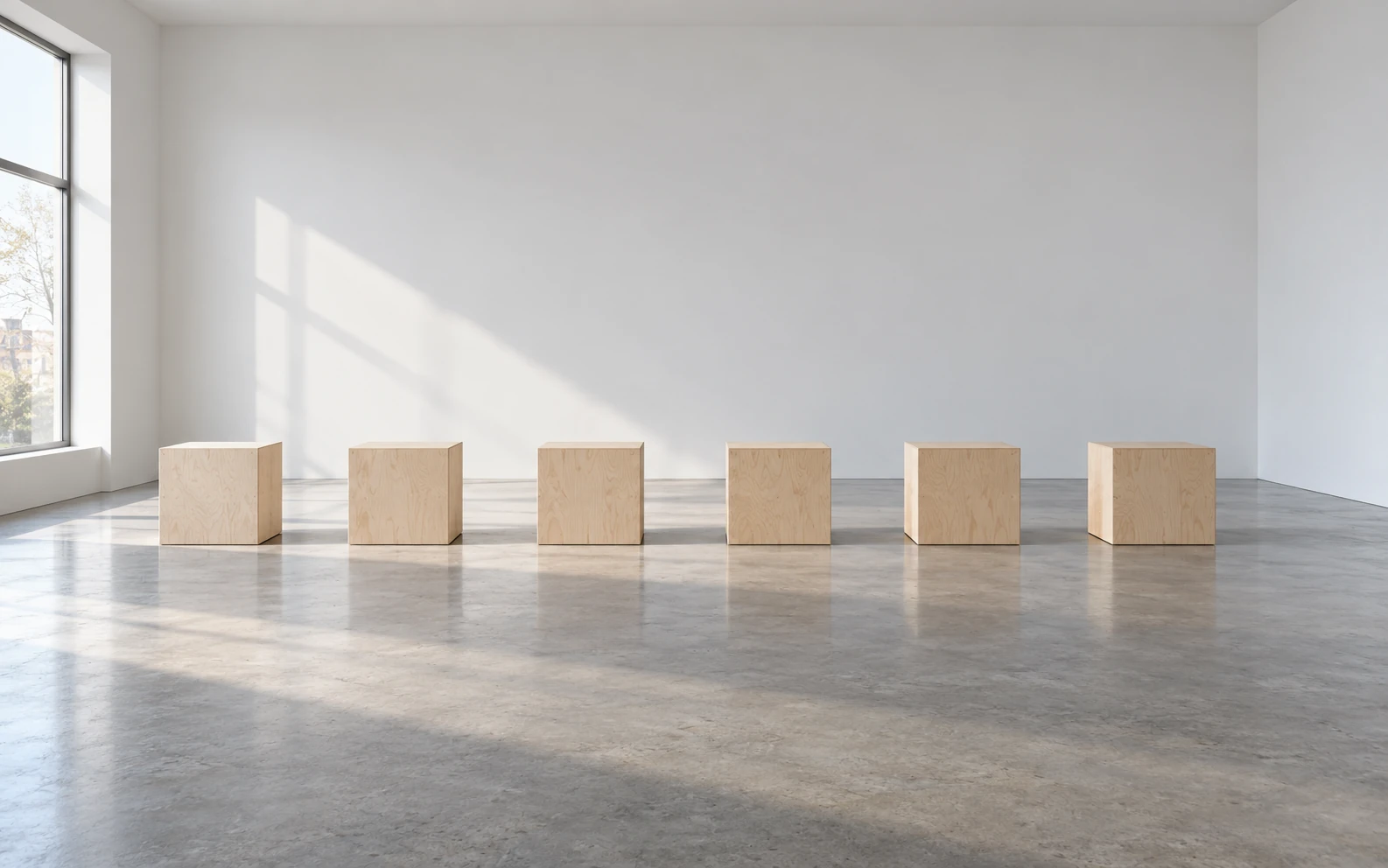
Maximalism defines itself against minimalism. When the architect Ludwig Mies van der Rohe's motto 'less is more' had shaped decades of modern design, Robert Venturi answered in 1966, in Complexity and Contradiction in Architecture: 'Less is a bore.' Postmodern architecture and the Memphis Group in the 1980s embraced colour, ornament and wit again.
Maximalism is older than its name: Victorian parlours, Baroque churches and many traditional interiors were richly layered. In the twentieth century the decorator Dorothy Draper made bold pattern glamorous, and the style icon Iris Apfel summed up the attitude: 'More is more and less is a bore.' In the 2010s it returned in fashion, notably at Gucci under Alessandro Michele, and in interiors and social media as a personal, collected look. Good maximalism is not chaos; it has a palette, a rhythm and a point of view.
Visual anatomy of Maximalism
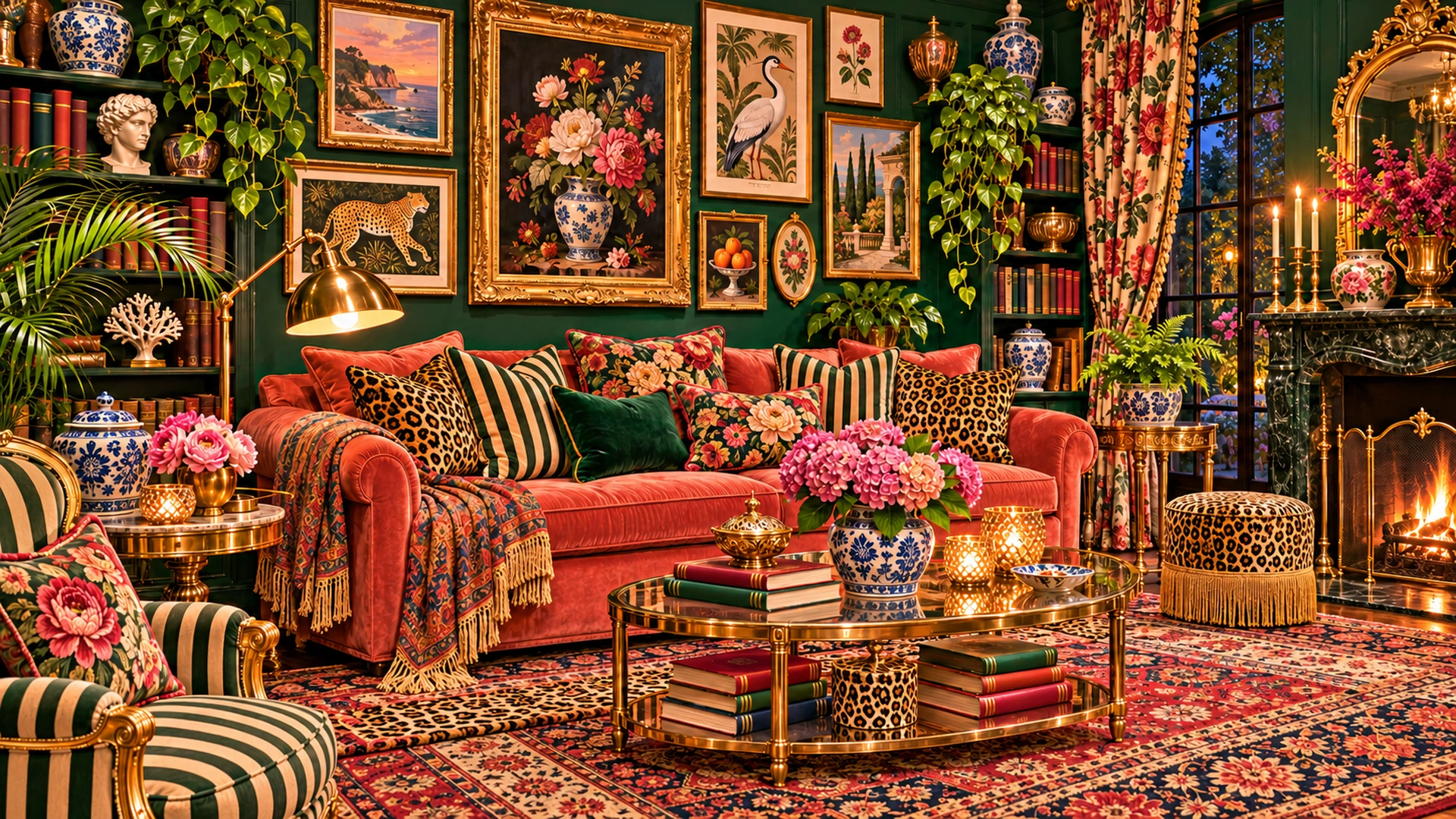
Florals, stripes, animal prints and geometrics layered and mixed.
Saturated jewel tones and bold contrasts, often colour-drenched rooms.
Collections, books, art and souvenirs on every surface.
Gallery walls, bold wallpaper, painted ceilings.
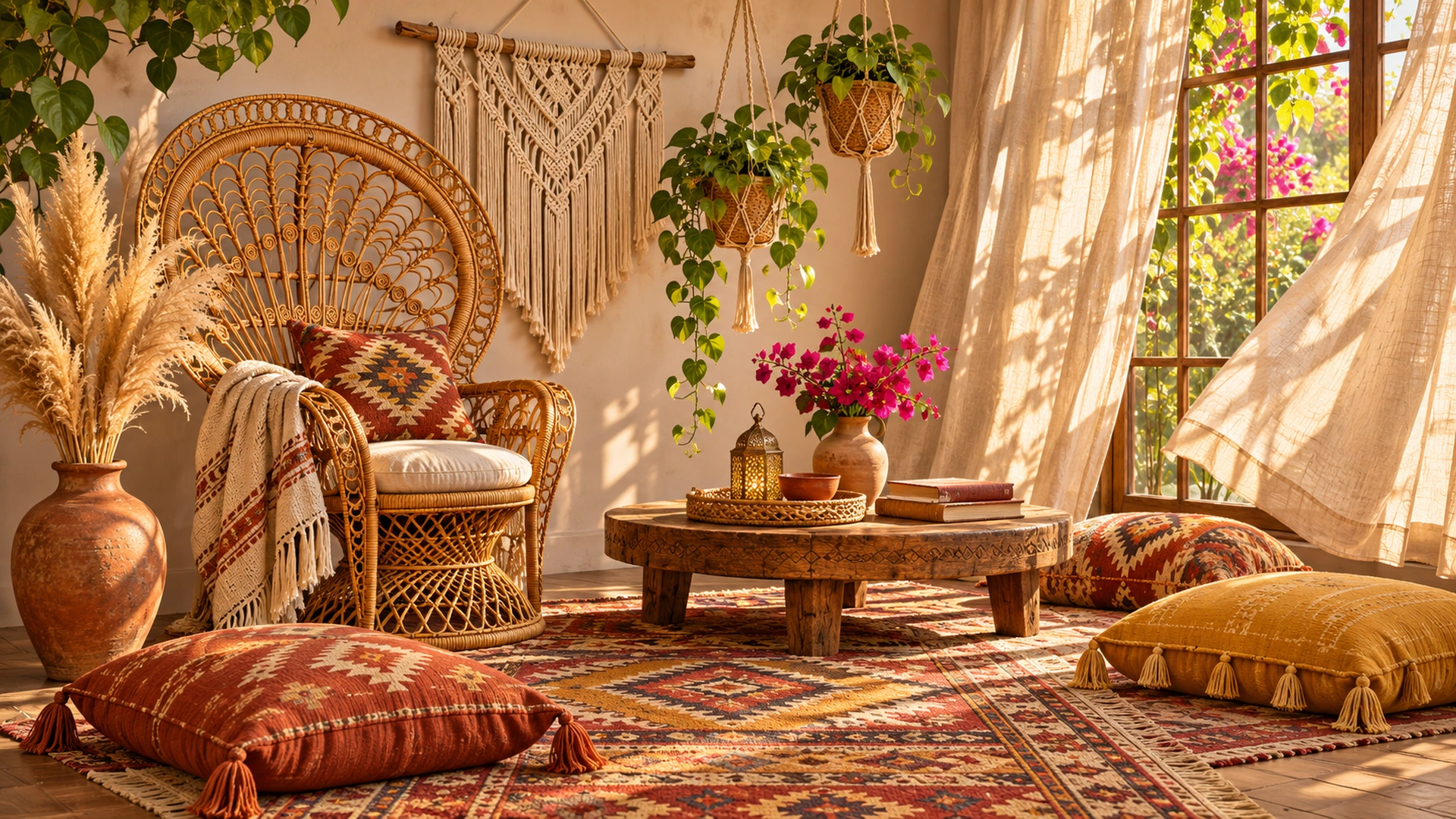
Velvet, tassels, lacquer, rattan, brass, glass.
A repeated colour or motif that ties the abundance together.
Key names
'Less is a bore' (1966), the founding quip.
Mid-century decorator of bold stripes, cabbage roses and black-and-white floors.
'More is more and less is a bore': the personal motto of maximalism in fashion.
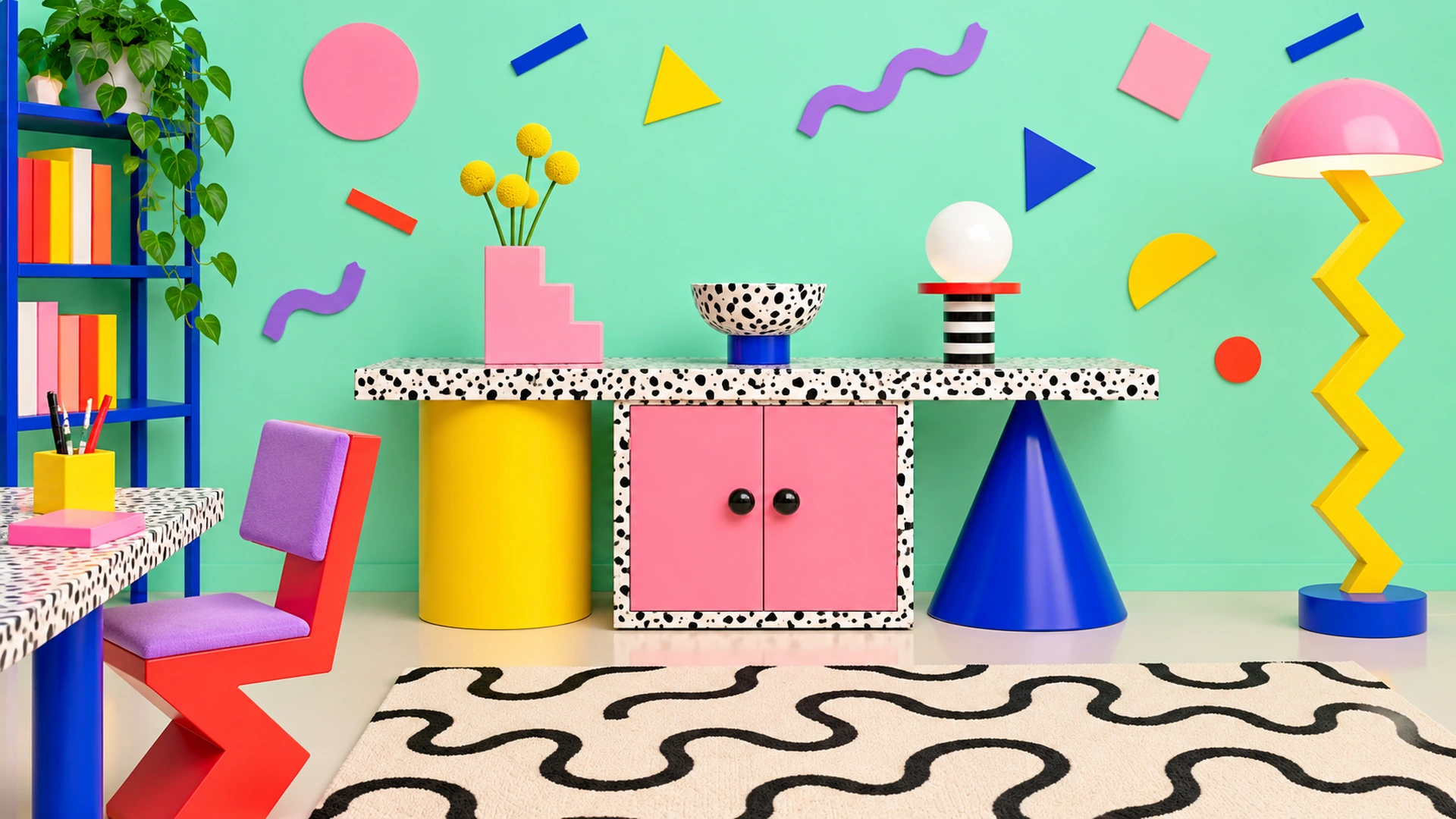
1980s Milan design of clashing colour and pattern.
How to recognize Maximalism
- Several patterns in the same frame.
- No empty wall or surface.
- Strong saturated colour throughout.
- Personal collections and eclectic objects.
Where people get it wrong
Confusing maximalism with clutter. A maximalist room is edited: colours repeat, patterns share a scale or a palette, objects are chosen. Without that, abundance becomes a junk shop. In prompts, 'lots of stuff' gives mess; name the palette and two or three patterns that recur.
Words to describe Maximalism
Precise words for the qualities above. Combine a few of them instead of naming the style or artist alone.
- maximalism
- more is more
- layered patterns
- pattern clash
- colour drenching
- jewel tones
- gallery wall
- bold wallpaper
- velvet and tassels
- eclectic collections
- curated abundance
- personal style
An original maximalist interior study: a sitting room with emerald walls covered in framed prints, a coral velvet sofa piled with cushions in leopard, stripes and florals, a brass lamp, stacks of art books, a patterned rug on a patterned rug, plants and ceramics on every shelf, warm evening light, gold accents tying it together.
What to take from Maximalism today
- Name the palette that ties everything: emerald, coral and gold.
- List two or three patterns and where they sit.
- Say what is collected: books, plates, prints.
- Add rich textures: velvet, brass, lacquer.
Questions about Maximalism
What is maximalism in design?
An approach that celebrates abundance: bold colour, layered patterns, collections and ornament, held together by a personal style.
Who said 'less is a bore'?
The architect Robert Venturi, in Complexity and Contradiction in Architecture (1966), replying to Mies van der Rohe's 'less is more'.
Describe a maximalist reading corner in six lines: name a palette of three colours, two patterns, one collection and three textures, and say how they repeat.
Sources and further reading
- Robert Venturi, Complexity and Contradiction in Architecture (1966).
- Iris Apfel, Accidental Icon (2018).