Grease and water
Alois Senefelder invented lithography in Munich in 1796. The artist draws on a flat limestone with a greasy crayon or ink; the stone is treated so that the drawn areas attract ink and the blank areas, kept damp, repel it. Because the surface is flat, artists could draw freely, with the softness of crayon or the wash of ink, instead of carving or engraving.
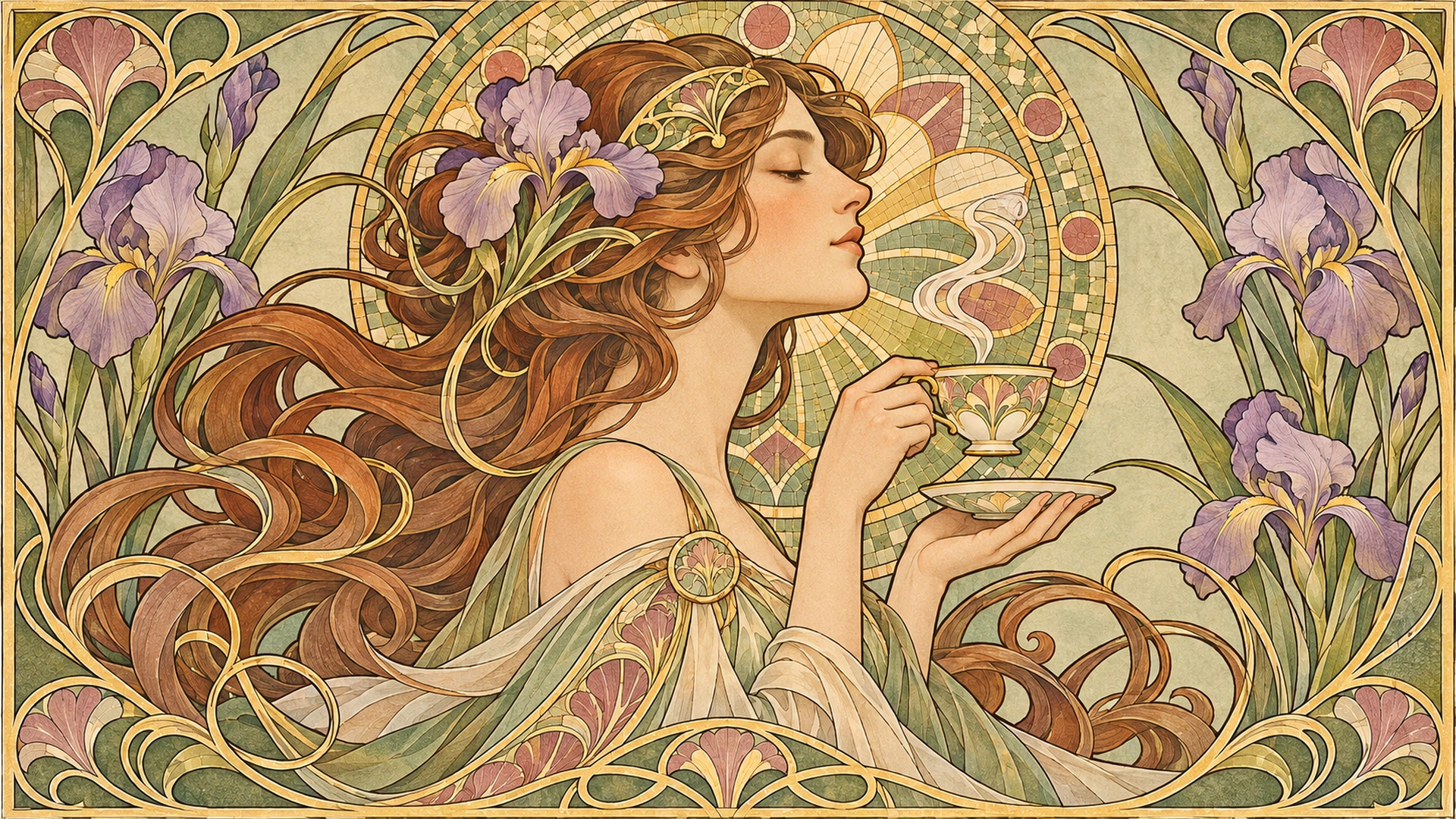
Colour lithography, or chromolithography, made the 19th-century poster possible. Jules Chéret, Henri de Toulouse-Lautrec and Alphonse Mucha turned Paris walls into galleries. Artists from Goya to Munch made lithographs, and in the 20th century offset lithography, using metal plates and a rubber blanket, became the standard way to print almost everything, from magazines to packaging.
Visual anatomy of lithography
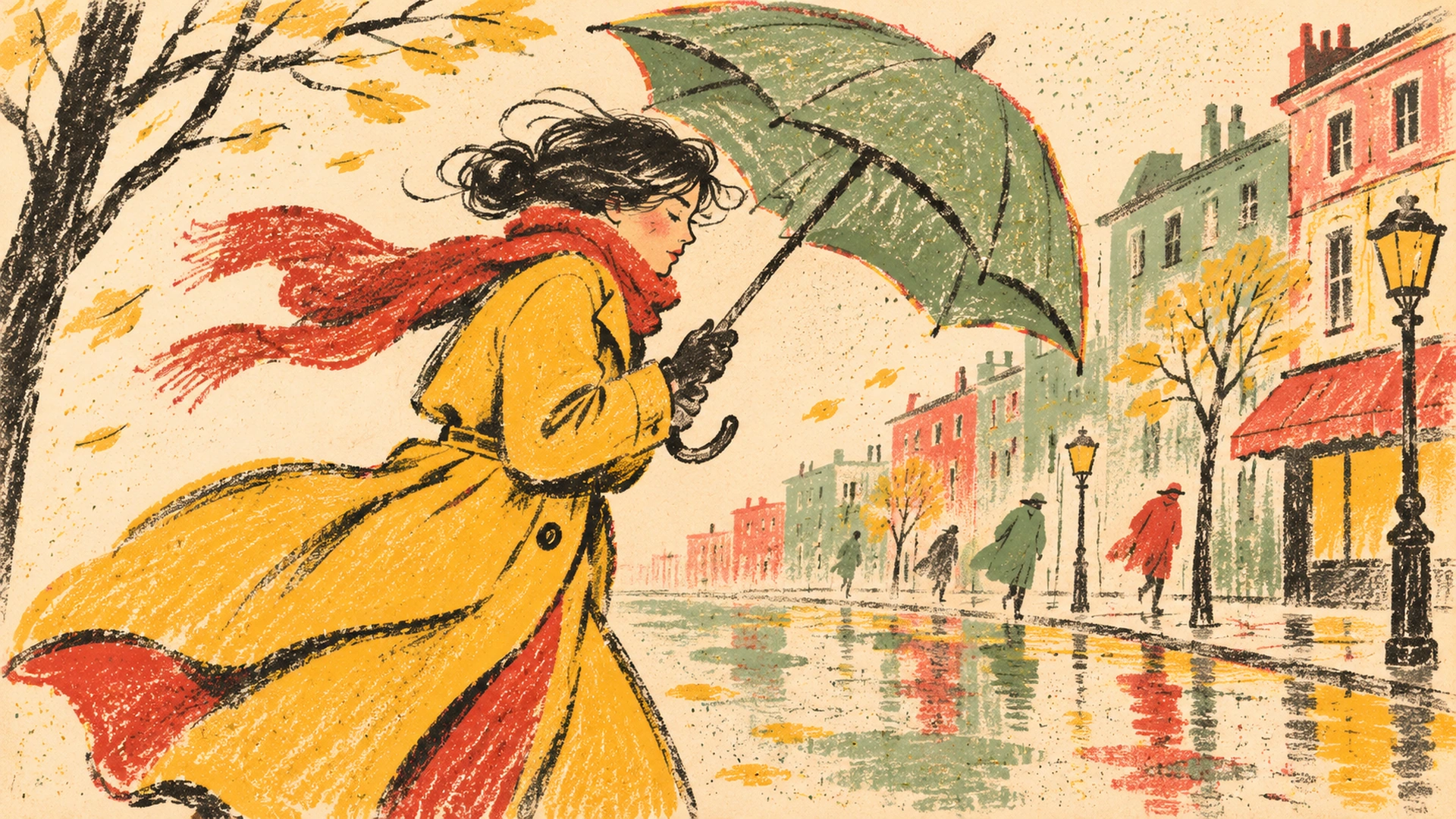
Grainy crayon marks that follow the stone's surface, and soft washes.
Flat areas of colour, each from a separate stone or plate, sometimes overprinted.
Free, drawn lines, from fine to broad, without the stiffness of engraving.
Slight shifts between colours, visible as thin gaps or overlaps.
Soft, slightly absorbent paper, often off-white or tinted.
From small prints to large street posters.
Key terms in lithography
Colour lithography using several stones, one per colour.
A spatter technique used by poster artists for speckled texture.
Industrial version that transfers ink from plate to rubber blanket to paper.
Greasy liquid ink used to paint washes on the stone.
How to recognize lithography
- Grainy crayon textures and soft washes.
- Flat colour shapes with slight registration shifts.
- Free drawn lines on soft paper.
Where people get it wrong
Lithography is often confused with any old print. Its signature is the grain of crayon on stone and the freedom of a drawn line, together with flat colour. A clean vector poster with a paper texture misses that grain.
Words to describe lithography
Precise words for the qualities above. Combine a few of them instead of naming the style or artist alone.
- lithograph
- crayon grain on stone
- flat colour areas
- chromolithography poster
- soft ink washes
- slight misregistration
- spatter texture
- free drawn line
- off-white poster paper
- belle epoque poster
An original colour lithograph study: a woman in a long coat holding an umbrella against the wind on a city street, drawn with free black crayon lines, flat areas of mustard yellow, sage green and red, visible crayon grain and a little spatter texture, slight shifts between the colours, soft off-white paper. Not a copy of any existing print. No text.
What to take from lithography today
- Describe the crayon grain and the washes.
- Name the colours and how they overlap.
- Mention the paper and any registration shifts.
Questions about lithography
What is lithography?
Printing from a flat stone with grease and water: soft crayon textures, washes and bold colour, from Toulouse-Lautrec's posters to modern offset printing.
How do you recognize lithography?
Grainy crayon textures and soft washes. Flat colour shapes with slight registration shifts. Free drawn lines on soft paper.
How do you describe lithography in words or a prompt?
Describe the crayon grain and the washes. Name the colours and how they overlap. Mention the paper and any registration shifts.
Describe a poster for a concert in 1890s Paris style lithography: which drawn figure, which three flat colours, where the crayon grain shows, and how the text area is left for lettering added later.