Photographing time
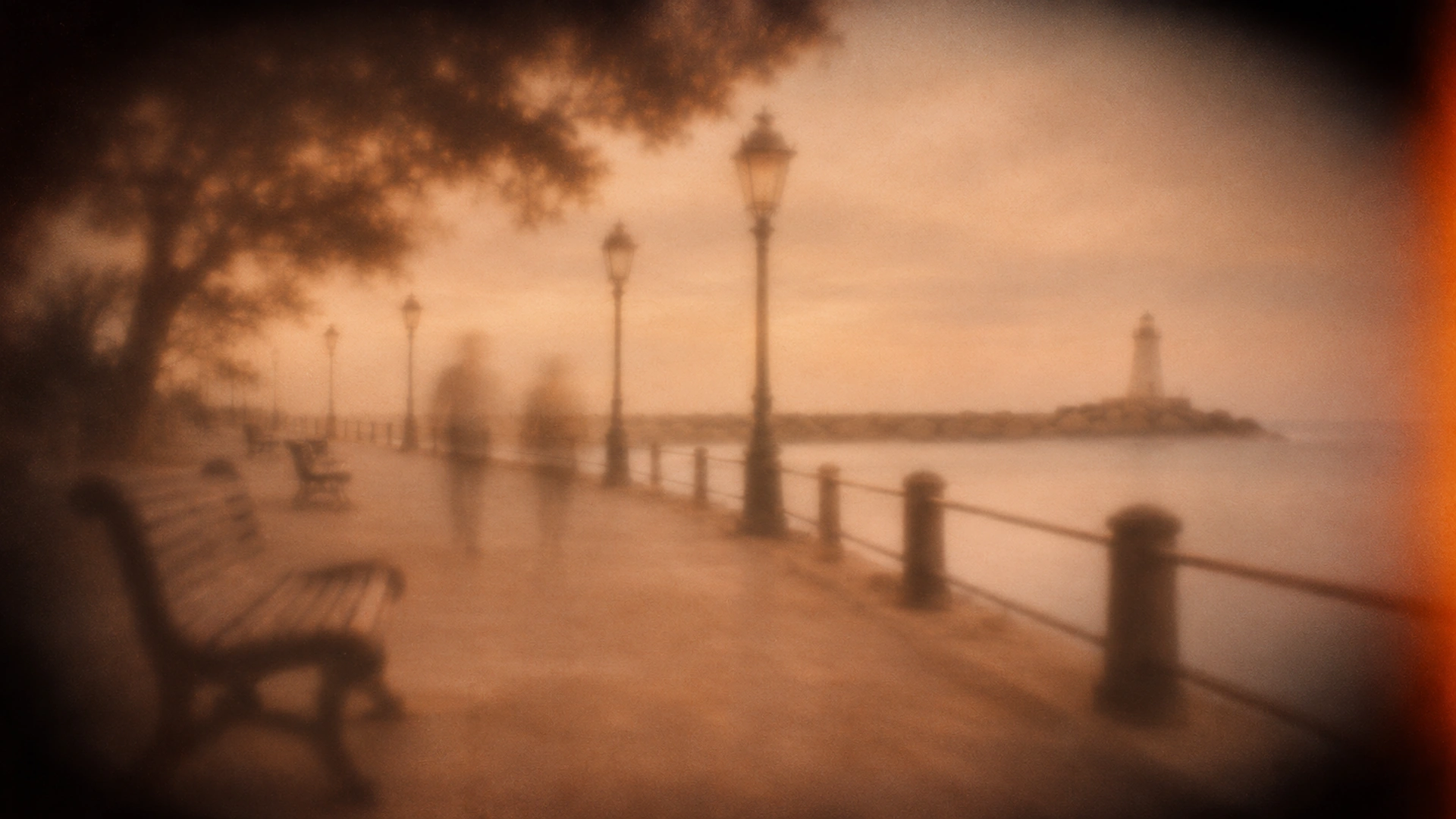
The earliest photographs were long exposures by necessity: Nicéphore Niépce's view from his window in the 1820s needed hours, and early street photographs show empty boulevards because walkers moved too fast to register. As cameras became faster, photographers began to choose long exposures deliberately, to show what the eye cannot: the path of movement over time.
Today the technique is everywhere: misty seascapes, rivers of red and white car lights, star trails, light painting. In 1949 the photographer Gjon Mili famously photographed Pablo Picasso drawing in the air with a light. Neutral density filters, tripods and remote releases make even daylight long exposures possible, and the look of time-blur has become a staple of travel, architecture and fine-art photography.
Visual anatomy of long exposure photography
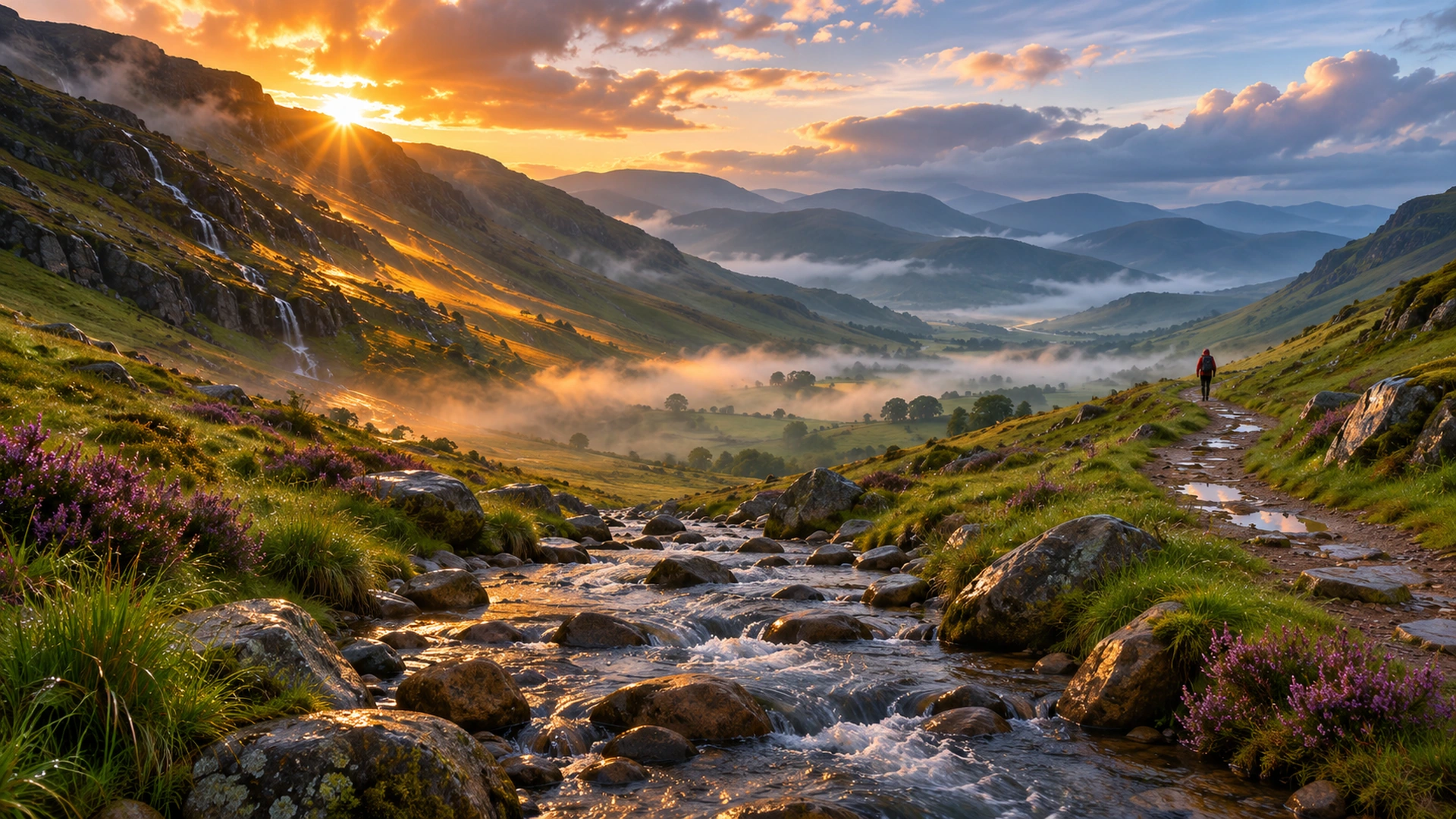
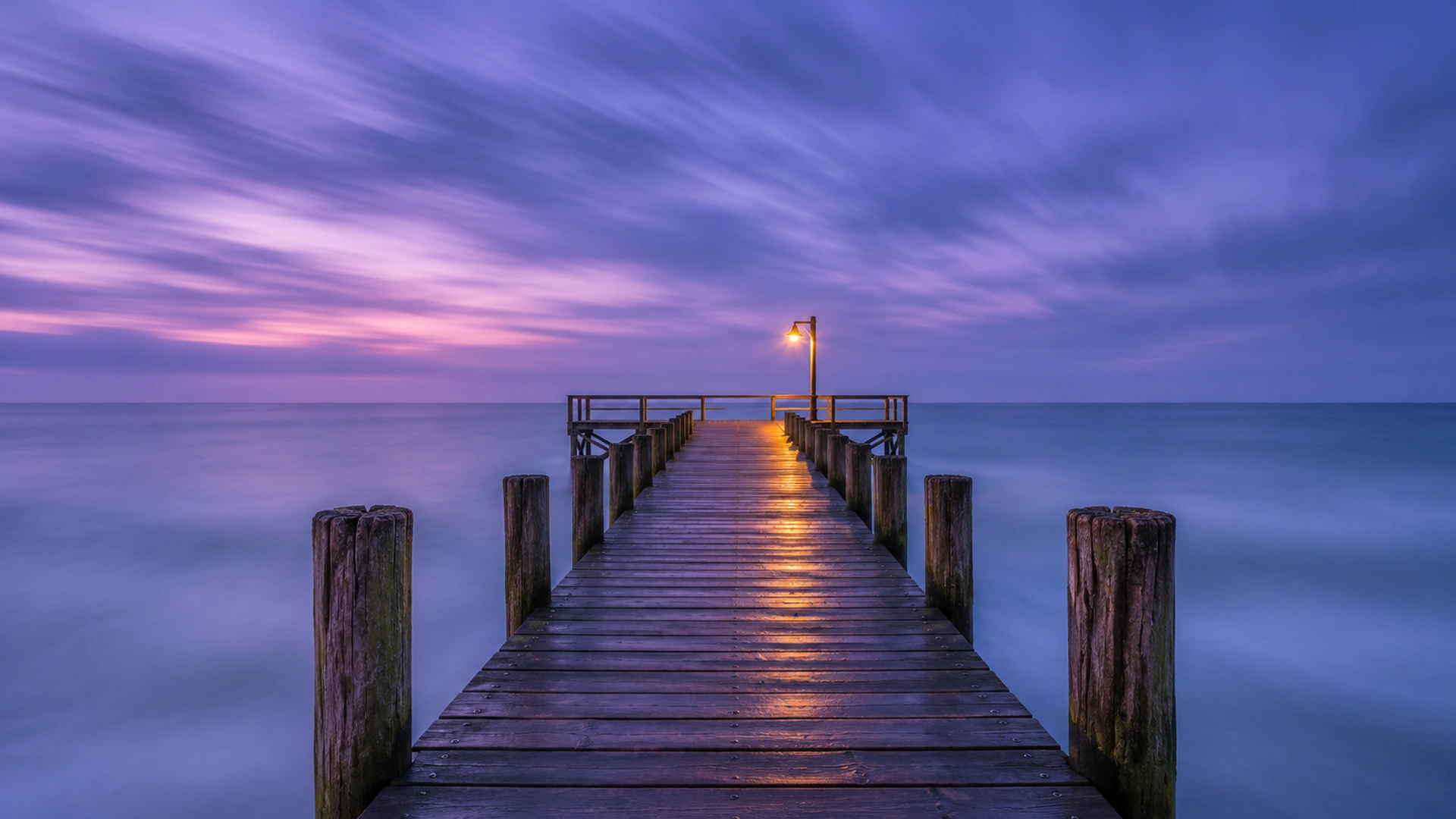
Waves and waterfalls smoothed into mist, glass or fog.
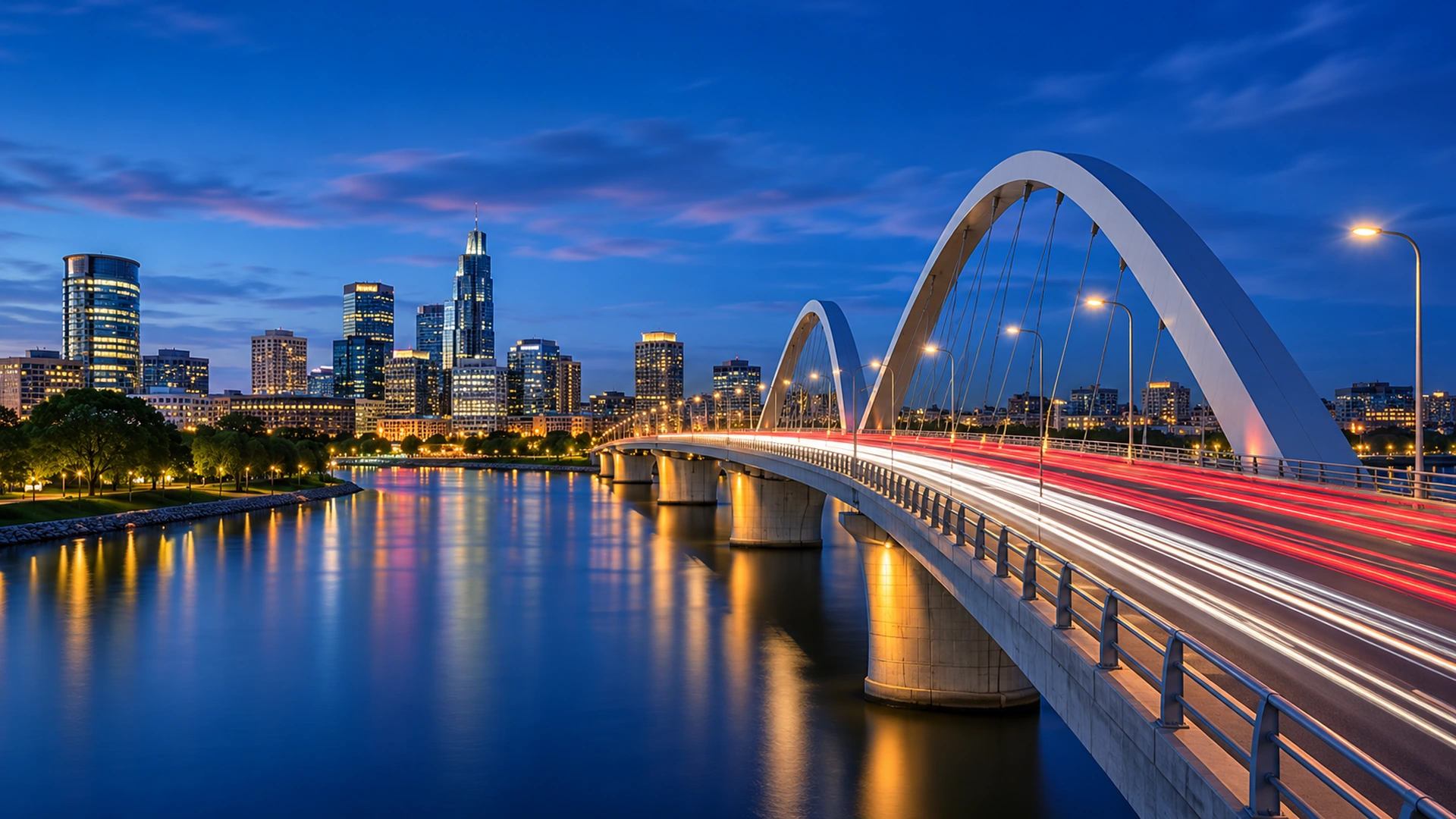
Moving lights drawn as continuous lines: cars, trains, fireworks, torches.
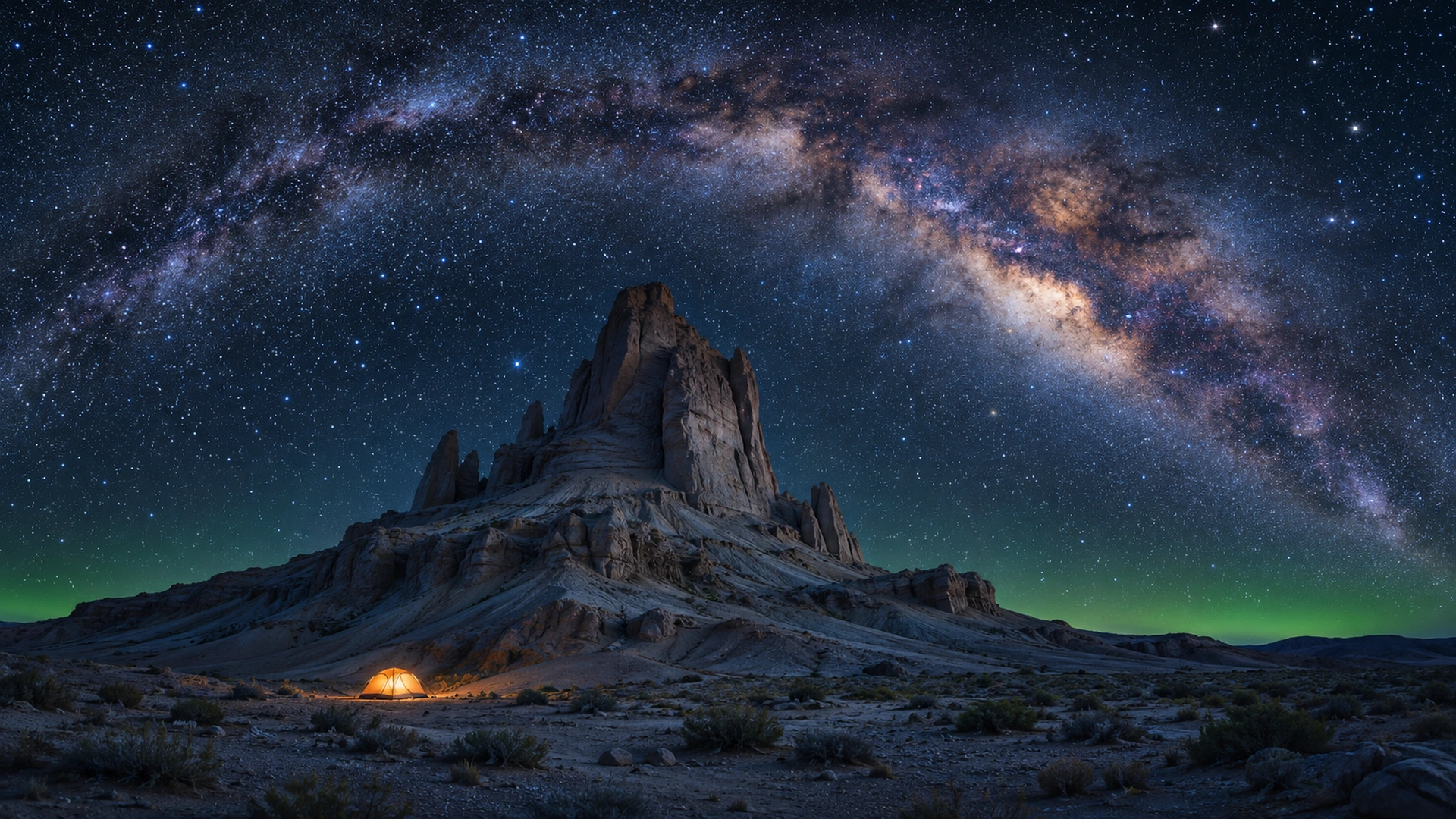
Clouds stretched into streaks; at night, stars drawn into arcs or circles.
Moving figures become ghosts or disappear; still ones stay sharp.
Buildings, rocks and piers stay sharp, so contrast with motion is the point.
Calm, dreamlike, timeless, or electric in city scenes.
Key terms in long exposure photography
How long the sensor is exposed: from a second to many minutes.
A neutral grey filter that cuts light, allowing long exposures in daylight.
Drawing with a moving light during the exposure.
Arcs left by stars as the earth turns, often from exposures of an hour or more.
How to recognize long exposure photography
- Smooth water or streaked clouds.
- Lines of light where things moved.
- Sharp static objects against motion blur.
Where people get it wrong
Long exposure is not general blur. The camera stays perfectly still, so static things are sharp and only moving things blur. A blurry whole frame is camera shake, not long exposure.
Words to describe long exposure photography
Precise words for the qualities above. Combine a few of them instead of naming the style or artist alone.
- long exposure photography
- silky smooth water
- red and white light trails
- streaked clouds
- star trails
- ghosted moving figures
- sharp static architecture
- neutral density filter
- tripod-stable frame
- time made visible
An original long exposure photograph: a wooden pier stretching into the sea at blue hour, the water smoothed into milky mist, clouds streaked across a pale violet sky, the pier posts perfectly sharp, a single warm light at the end of the pier. No people, no text.
What to take from long exposure photography today
- Say what moves and how it is drawn: mist, streaks, ghosts.
- Say what stays still and sharp.
- Name the time of day and the length of the exposure.
Questions about long exposure photography
What is long exposure photography?
Keeping the shutter open for seconds, minutes or hours: water turns to mist, headlights to ribbons, crowds disappear and stars draw circles.
How do you recognize long exposure photography?
Smooth water or streaked clouds. Lines of light where things moved. Sharp static objects against motion blur.
How do you describe long exposure photography in words or a prompt?
Say what moves and how it is drawn: mist, streaks, ghosts. Say what stays still and sharp. Name the time of day and the length of the exposure.
Choose a place near you with something moving and something still, a road and a bridge, a fountain and a statue. Describe a long exposure: what blurs, what stays sharp, and how long the shutter stays open.