Clothes as a language
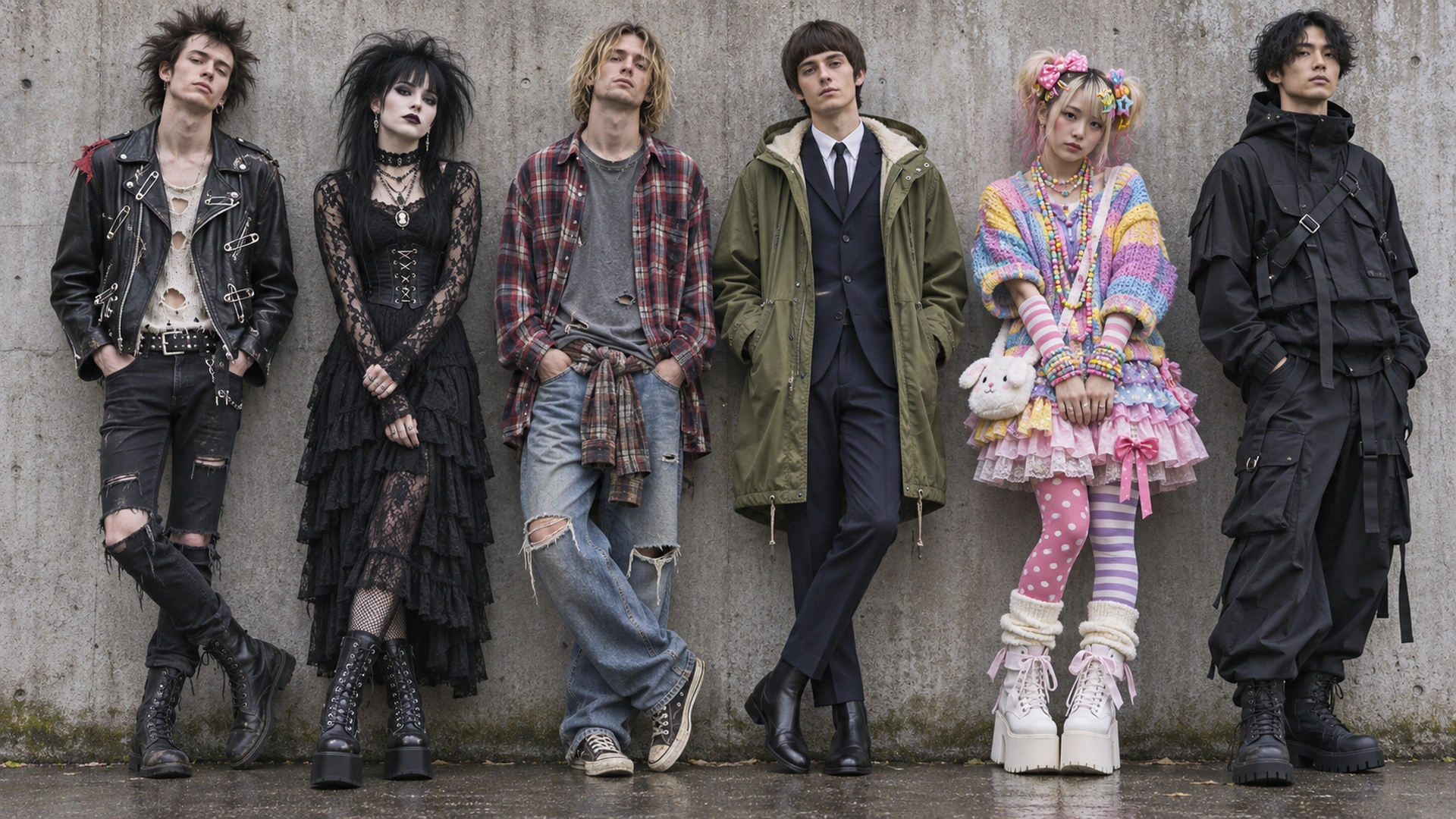
Subcultures use clothes as a shared language: a safety pin, a flannel shirt or black lace tells others which music, values and community you belong to. Many of these looks started in streets, clubs and concerts before fashion houses copied them.
For image-makers they are ready-made character design. Naming the subculture, its decade and a few signature pieces gives a figure a whole history in one line.
1950s–70s
1960s London: slim tailored suits, parkas, scooters and sharp, clean lines.
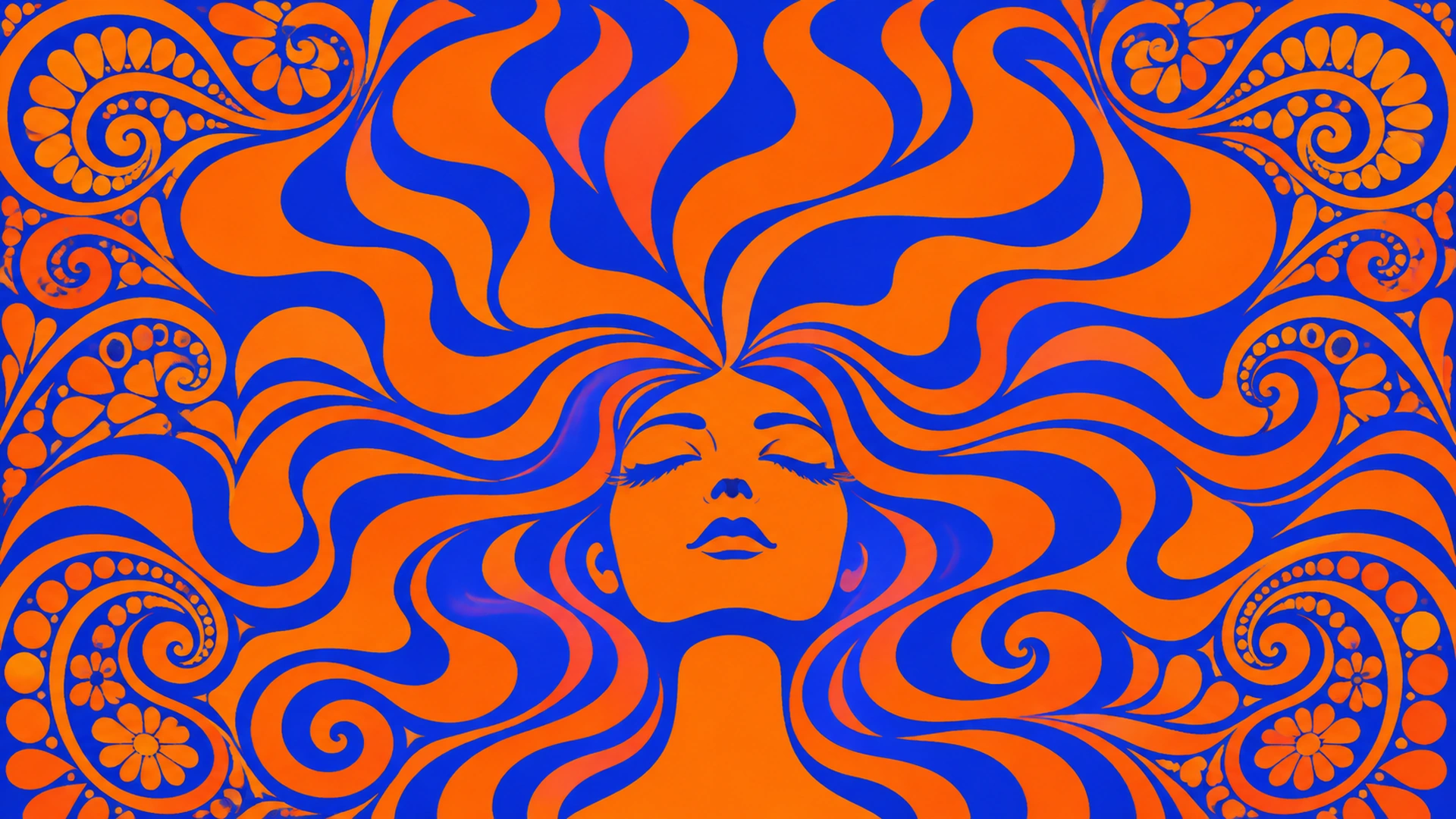
Late 1960s: flowing fabrics, flowers, fringe, tie-dye and long hair.
1970s London and New York: torn clothes, safety pins, leather, tartan, studs and DIY.
1970s: glitter, platform boots, make-up and androgynous drama.
1980s–90s
Black clothes, lace, velvet, Victorian and romantic details, pale make-up.
Tracksuits, sneakers, oversized fits, gold chains and caps.
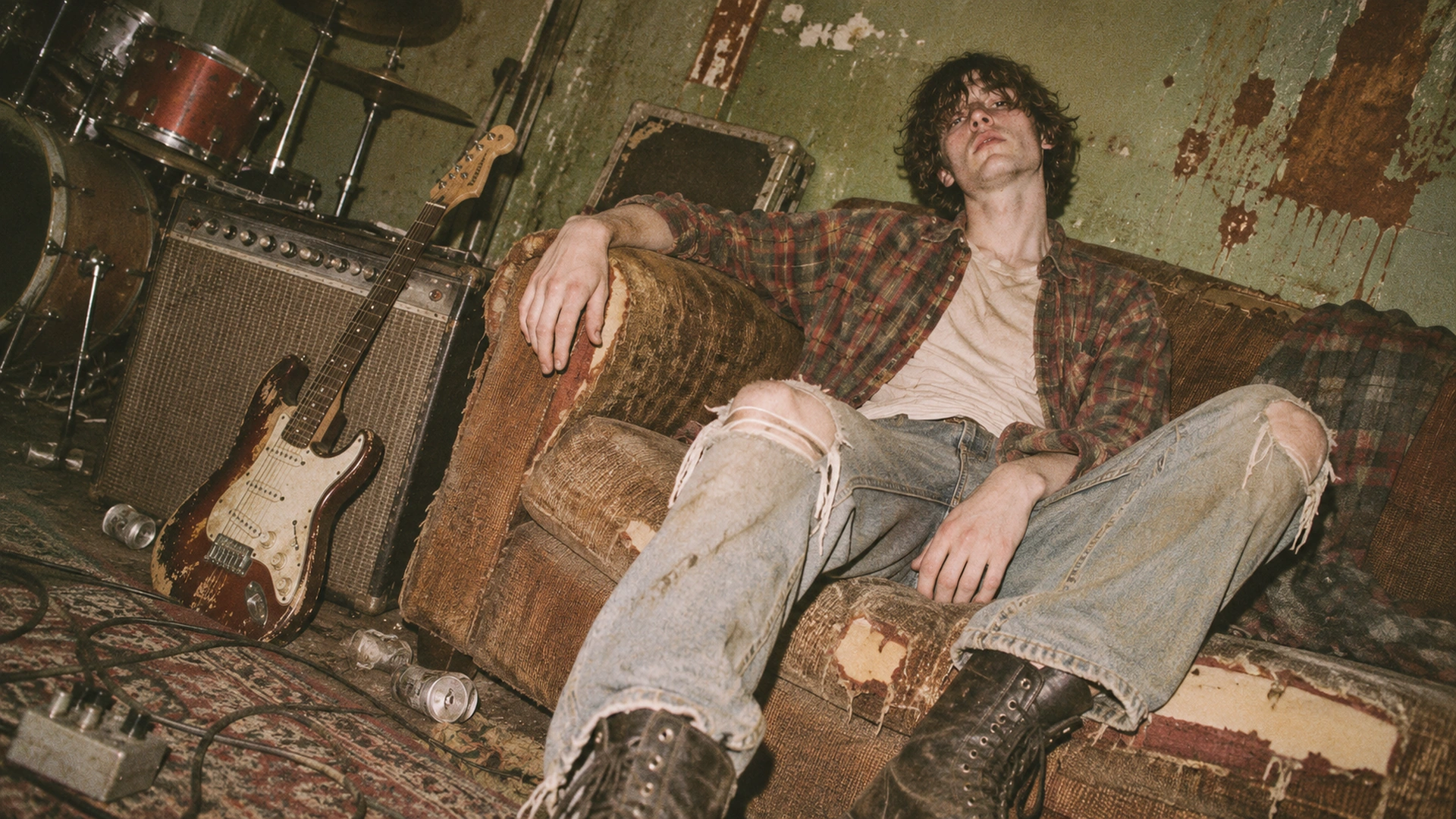
Early 1990s Seattle: flannel shirts, ripped jeans, worn boots, layered and careless.
1990s: neon, baggy clothes, smiley faces and bright, playful accessories.
Collegiate polish: polo shirts, blazers, loafers and knitwear.
Japan
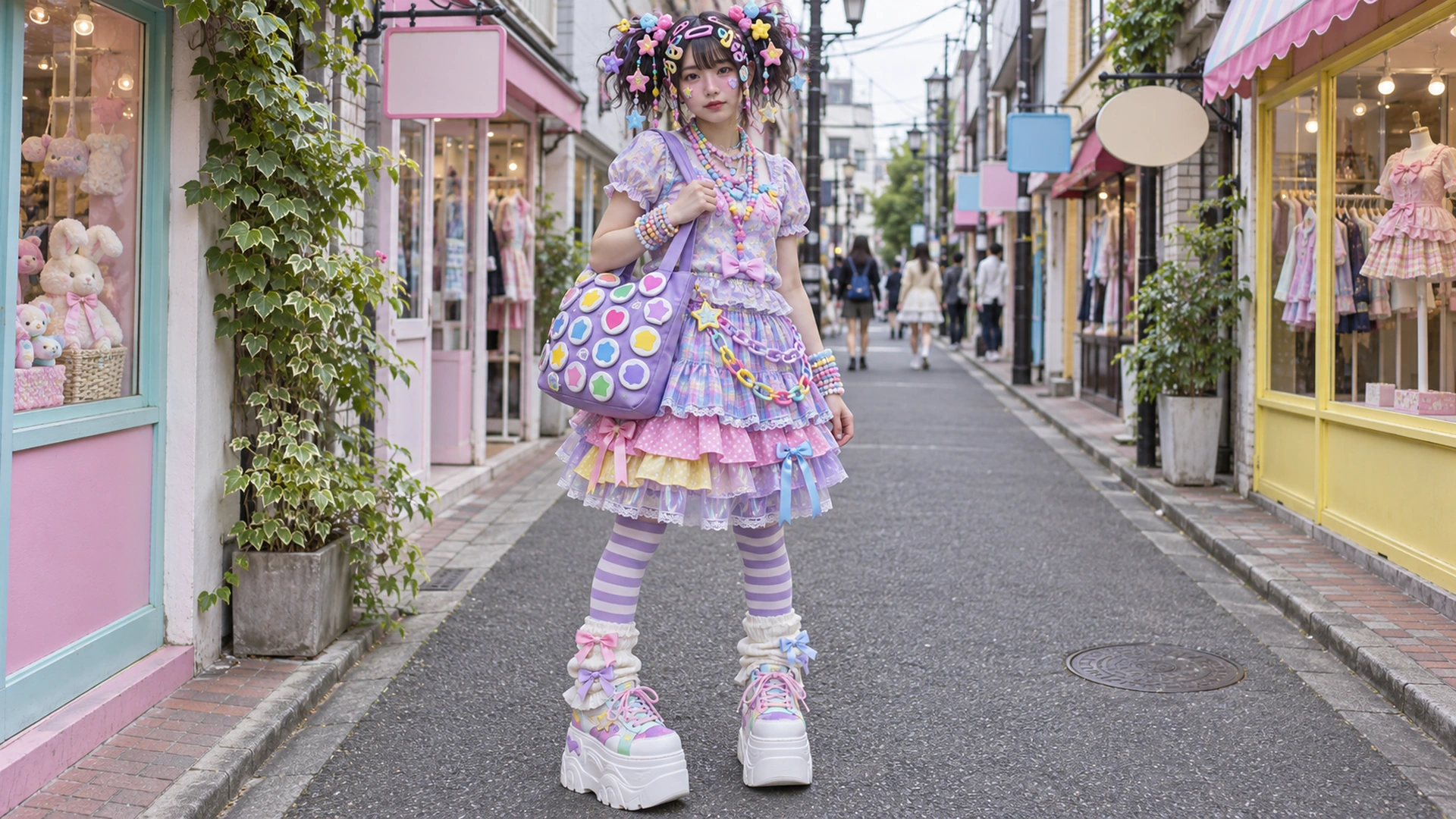
Tokyo street fashion of bold layering and colour, home to many substyles.
Covered in bright hair clips, plastic accessories and colour.
Victorian- and Rococo-inspired dresses with petticoats, lace and bows.
2000s–now
2000s: dark skinny jeans, band T-shirts, side-swept fringe; scene adds bright colour.
Low-rise jeans, baby tees, metallics and butterfly clips from around 2000.
Functional black technical clothing: waterproof shells, straps and many pockets.
Outdoor hiking gear worn in the city.
Deliberately plain, anonymous everyday clothes.
Hoodies, sneakers and graphic tees with skate and hip hop roots.
Words to describe fashion styles and subcultures
Precise words for the qualities above. Combine a few of them instead of naming the style or artist alone.
- 1970s punk leather and safety pins
- goth black lace and velvet
- 90s grunge flannel
- mod tailored suit and parka
- Harajuku layered street fashion
- techwear black waterproof shell
- Y2K metallics and butterfly clips
- hip hop oversized tracksuit
- hippie flowing fabrics
- normcore plain outfit
A street portrait of a young man in early 1990s grunge style: an oversized faded flannel shirt over a band T-shirt, ripped jeans, worn boots, messy shoulder-length hair, standing by a graffiti-covered wall on an overcast day, film grain.
How to describe fashion styles and subcultures in words
- Name the subculture and its decade.
- List three signature pieces and one accessory.
- Add colour, fit and attitude: tight or baggy, polished or worn.
Where we usually get it wrong
Subculture looks are often reduced to costume. A punk is not just a mohawk, and goth is not only black. Each look has a history, a music and values; borrowing it for an image works better when you choose specific, believable details instead of a cliché.
Questions about fashion styles and subcultures
What is fashion styles and subcultures?
Mod, punk, goth, grunge, Harajuku, techwear: the fashion tribes that shaped how people look, and the clothes, colours and attitude of each.
How do you describe fashion styles and subcultures in words or a prompt?
Name the subculture and its decade. List three signature pieces and one accessory. Add colour, fit and attitude: tight or baggy, polished or worn.
Describe the same person in three subcultures: mod, grunge and techwear. Change only clothes, colours, fit and one accessory, and see how the character changes.