Appetite on camera
Food photography grew with cookbooks, magazines and advertising in the 20th century and exploded with blogs and social media. Professionals work in teams: a photographer, a food stylist who prepares and arranges the food for the camera, and a prop stylist who chooses plates, linens and surfaces. Much of the craft is invisible: undercooked vegetables stay bright, a brush of oil adds shine, a spray of water adds freshness.
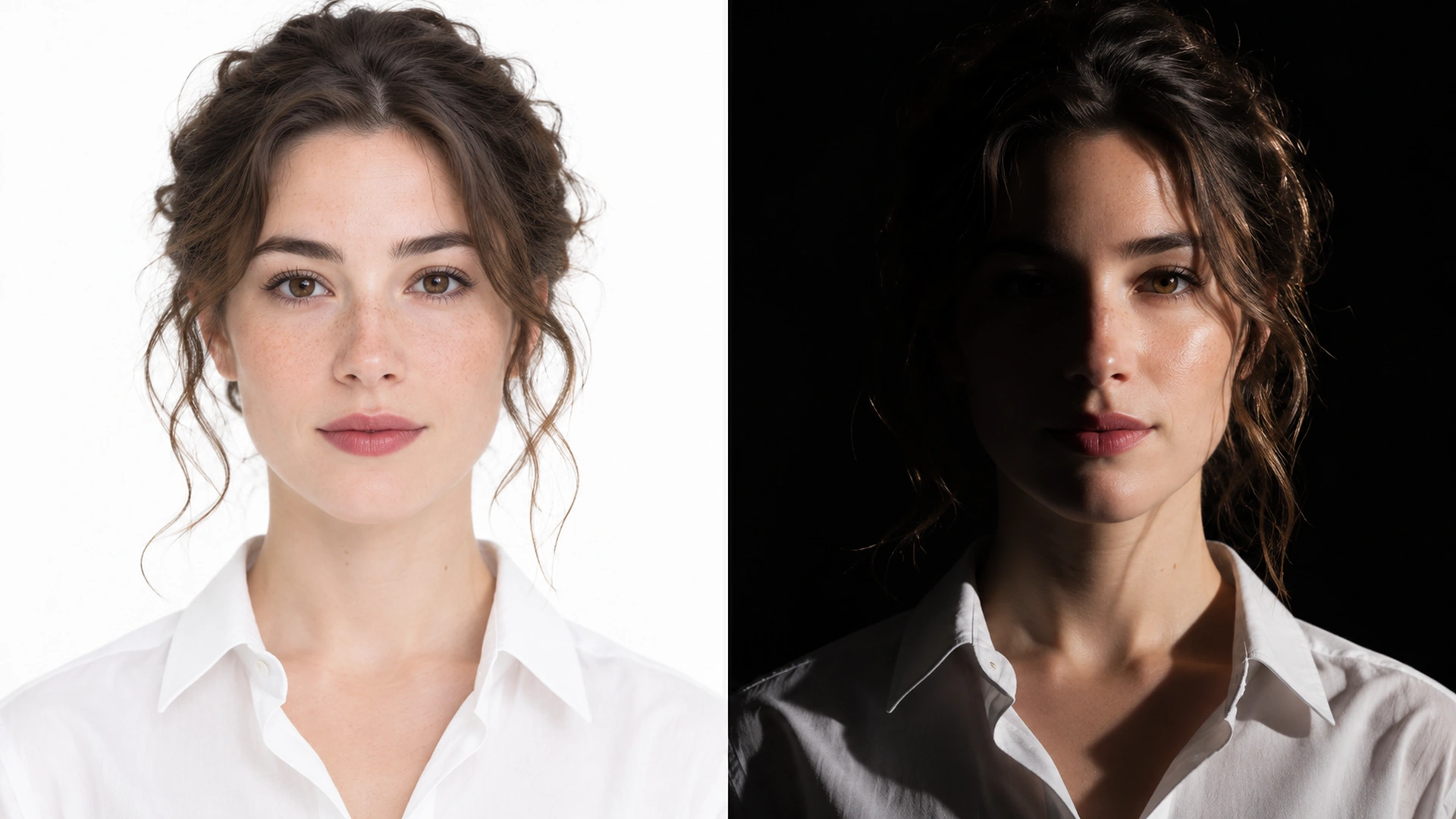
Two looks dominate today: bright and airy, with white surfaces and soft daylight, and dark and moody, with deep backgrounds and directional side light borrowed from Dutch still-life painting. Both depend on the same choices of angle, light and storytelling detail.
Visual anatomy of food photography
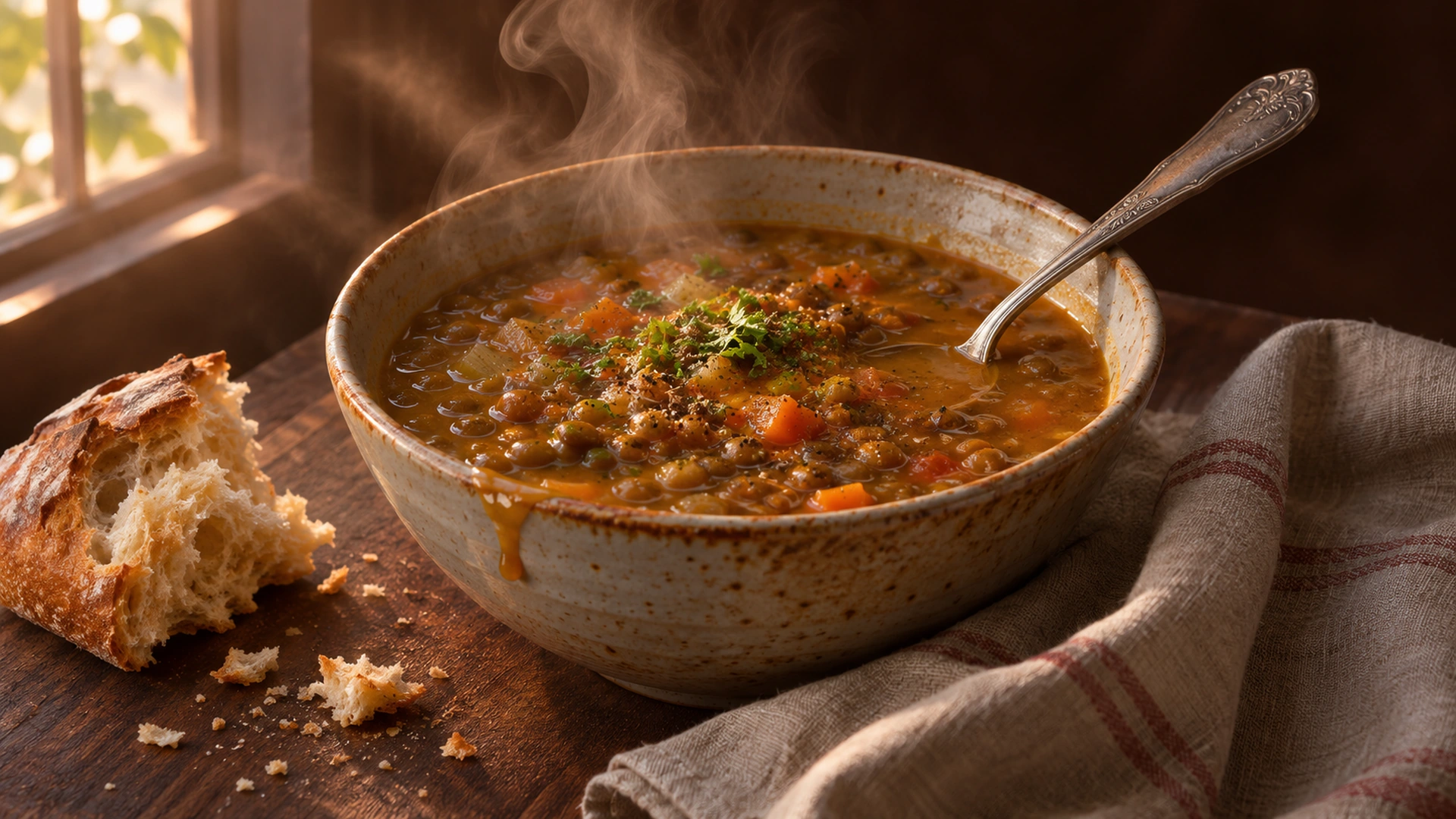
Soft side light or backlight from a window; backlight makes liquids glow and steam visible.
Overhead flat lay for tables and bowls, 45 degrees for plates, straight-on for burgers and layer cakes.
Food arranged for the camera: height, odd numbers, garnish, a deliberate imperfection.
Plates, cutlery, linen and surfaces that match the dish's story and period.
Crumbs, drips, sauce, condensation and steam show freshness and taste.
Negative space for text, and a hand or a bitten piece to suggest life.
Key terms in food photography
The main dish, placed and lit as the focal point.
Shot from directly above, arranged like a graphic composition.
Low-key style with dark surfaces and directional light.
High-key style with white surfaces and soft daylight.
How to recognize food photography
- Window-like side or back light.
- A clear hero with supporting props.
- Real texture: crumbs, steam, drips.
Where people get it wrong
Food photos are often over-styled into plastic perfection. Appetite comes from signs of real food and real eating: a crumb, a spoon in the bowl, a drip running down the glass. Perfect symmetry with nothing touched rarely looks delicious.
Words to describe food photography
Precise words for the qualities above. Combine a few of them instead of naming the style or artist alone.
- food photography
- soft window backlight
- 45-degree angle
- overhead flat lay
- dark and moody food styling
- bright and airy food styling
- steam rising
- crumbs and drips
- rustic linen and ceramics
- hero dish in focus
An original food photograph: a bowl of steaming lentil soup on a dark wooden table, shot at 45 degrees, soft backlight from a window on the left making the steam glow, a torn piece of bread with crumbs, a linen napkin, a spoon resting in the bowl, a drip on the rim, deep brown background. No text.
What to take from food photography today
- Name the angle and the light direction.
- Describe the hero dish and its surface textures.
- Add one sign of life: a hand, a bite, a spill.
Questions about food photography
What is food photography?
Making food look as good as it tastes: styling, props, side and back light, three classic angles, and the crumbs, drips and steam that make a plate feel real.
How do you recognize food photography?
Window-like side or back light. A clear hero with supporting props. Real texture: crumbs, steam, drips.
How do you describe food photography in words or a prompt?
Name the angle and the light direction. Describe the hero dish and its surface textures. Add one sign of life: a hand, a bite, a spill.
Photograph or describe your breakfast three ways: overhead flat lay, 45 degrees and straight-on. For each, write where the light comes from and one imperfect detail you would keep.