Selling a feeling
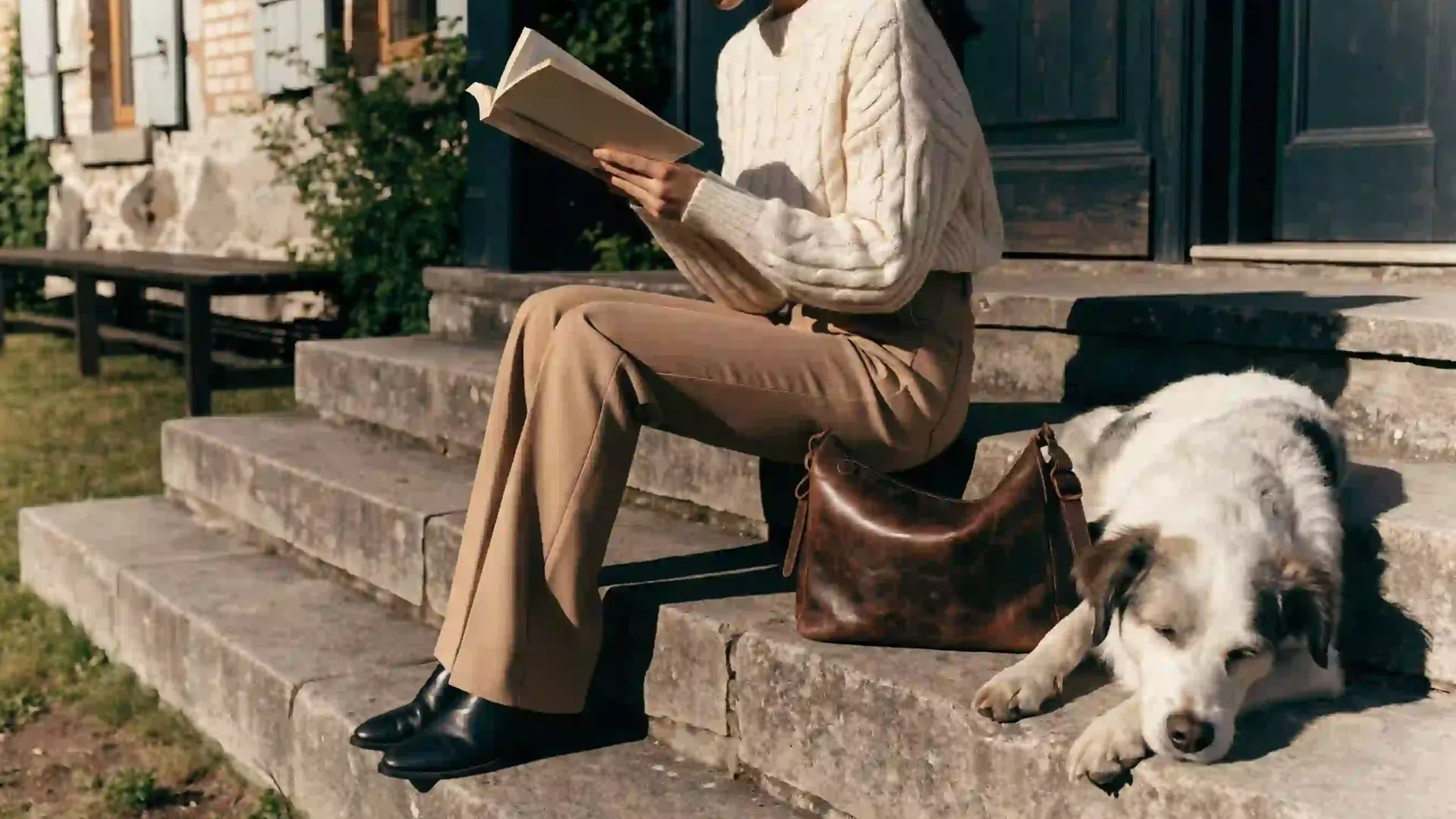
Fashion photography shows clothes, but its real subject is an attitude: a way of standing, a mood, a world the viewer would like to enter. It grew with magazines such as Vogue and Harper's Bazaar. Edward Steichen's photographs of Paul Poiret dresses in 1911 are often called the first modern fashion photographs, and Martin Munkácsi's 1933 picture of a model running on a beach brought movement and the outdoors into the genre.
After the war Richard Avedon made fashion move and laugh, while Irving Penn stripped it down to a figure against plain paper. Later photographers took it in very different directions: the cool, provocative glamour of Helmut Newton, the surreal saturated colour of Guy Bourdin, the natural black and white of Peter Lindbergh and the blunt flash snapshots of Juergen Teller.
Visual anatomy of fashion photography
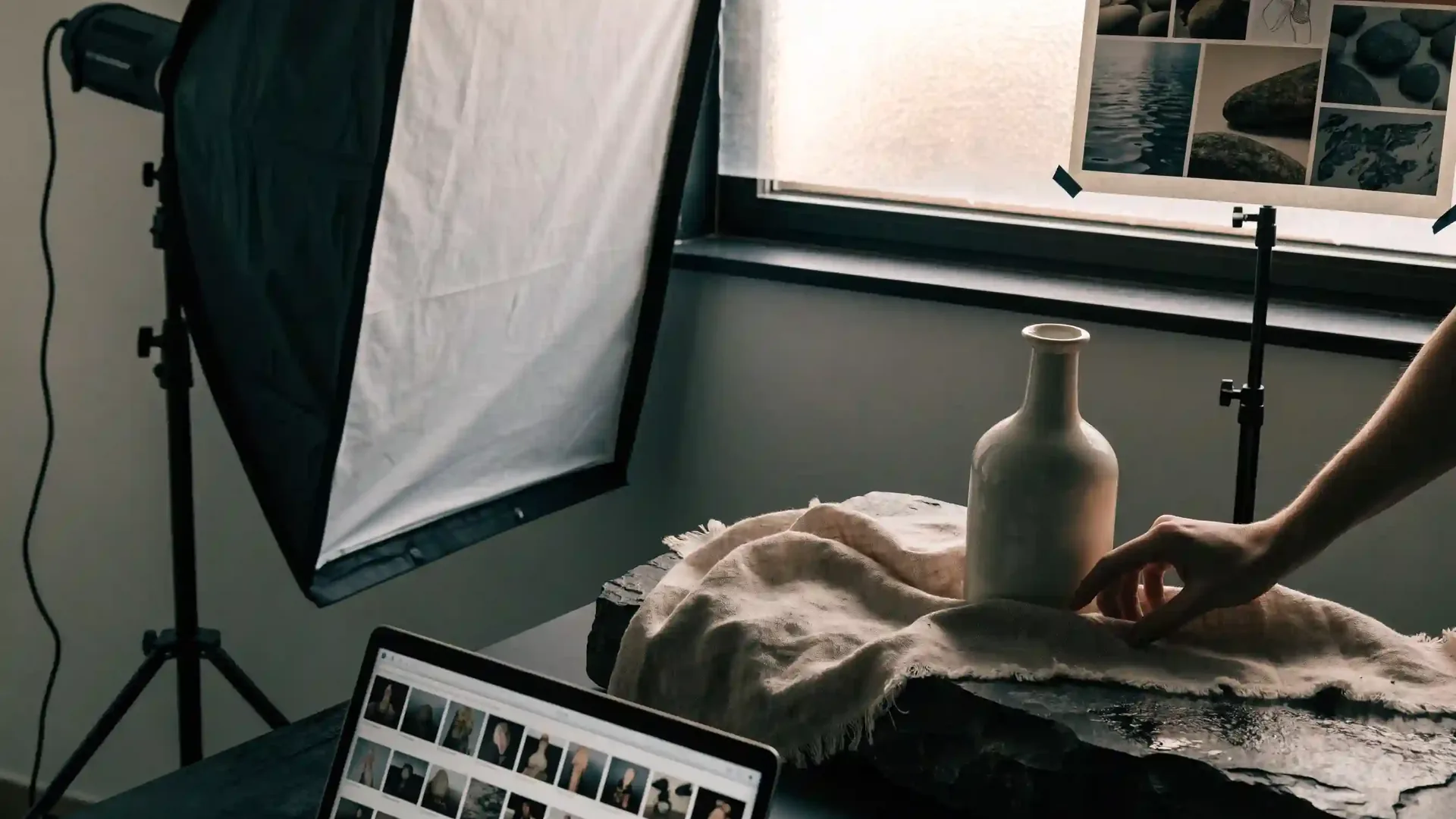
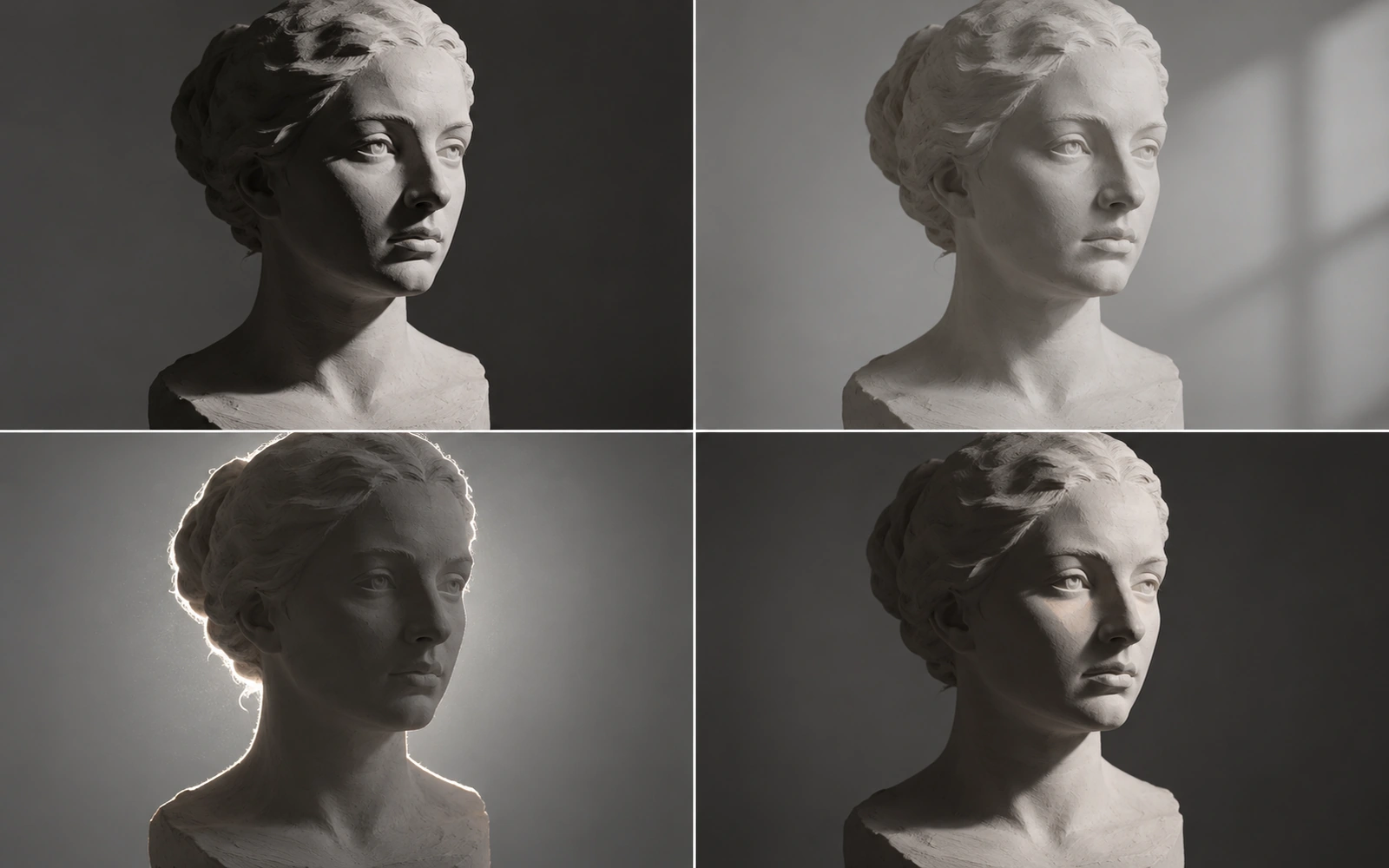
Either very controlled studio light (softboxes, beauty dish, hard flash) or natural light used with intent.
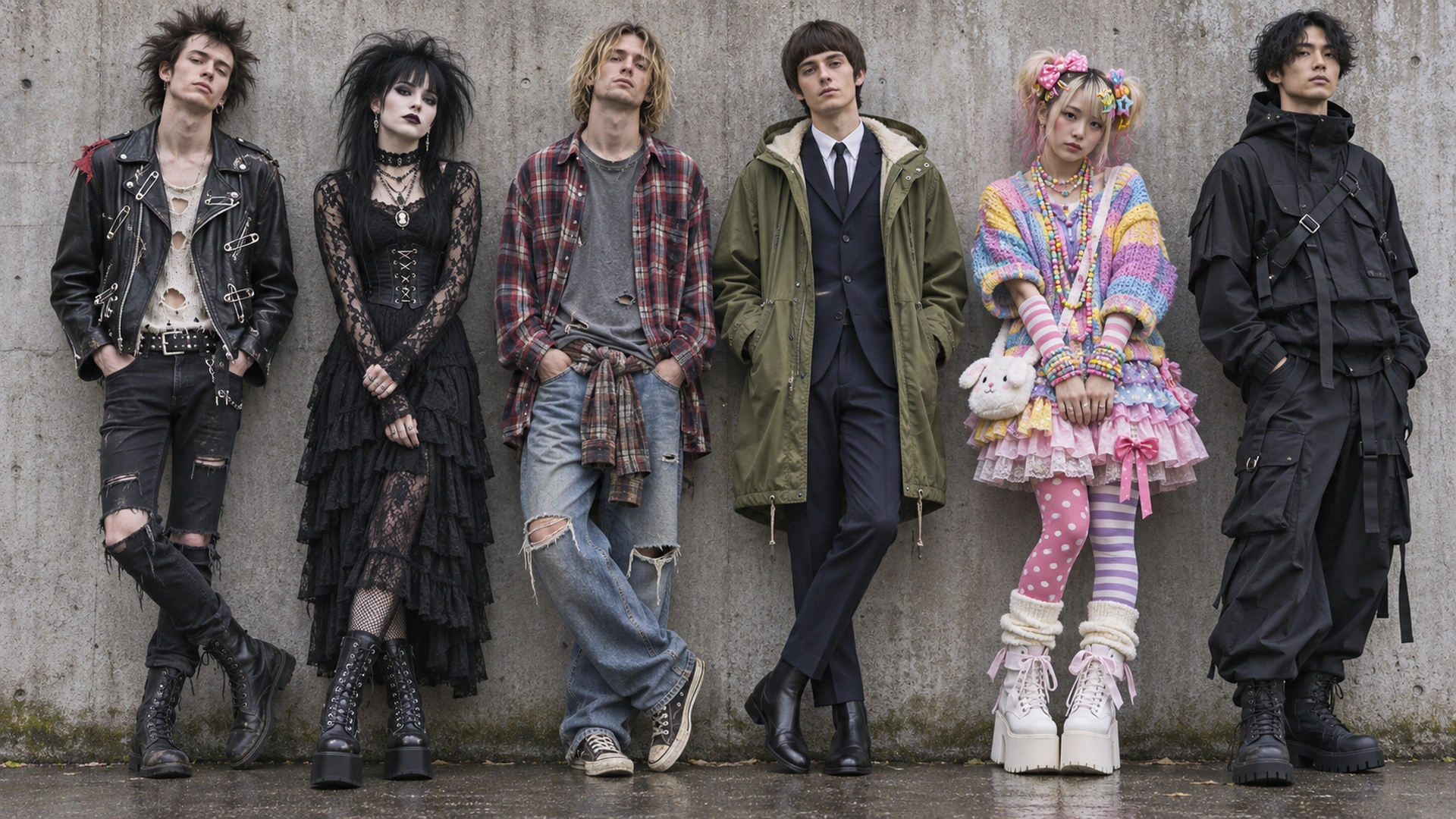
The body as a shape: angles, lines, tension, attitude; rarely relaxed by accident.
Clothes, hair, make-up and props chosen together as one look.
A seamless studio backdrop, a real location, or a built set that suggests a story.
Graded for mood: clean and bright, warm film-like, cold and metallic, or black and white.
Editorials are sequences: several pages that build a character or a narrative.
Retouched skin and fabric, from polished and glossy to deliberately raw.
Kinds of fashion photography
Photographs for a magazine story; the most creative and narrative kind.
Advertising for a brand: one strong image, the product always clear.
A collection shown look by look, simple and consistent.
Clothes on a plain background, evenly lit, for online shops.
Close-ups of face, skin, make-up and hair.
Unposed moments around shows and people's own outfits in the street.
How to recognize fashion photography
- Clothes and styling are central, even when the image tells a story.
- A deliberate pose and attitude.
- Controlled light and a carefully chosen setting.
Where people get it wrong
'Fashion photo' alone usually brings back a generic glossy model on a white background. The genre is much wider, from documentary-like editorials to theatrical sets. Naming the kind (editorial, campaign, lookbook) and the photographer's choices matters more than the word 'fashion'.
Words to describe fashion photography
Precise words for the qualities above. Combine a few of them instead of naming the style or artist alone.
- high fashion editorial
- seamless white backdrop
- hard on-camera flash
- beauty dish portrait
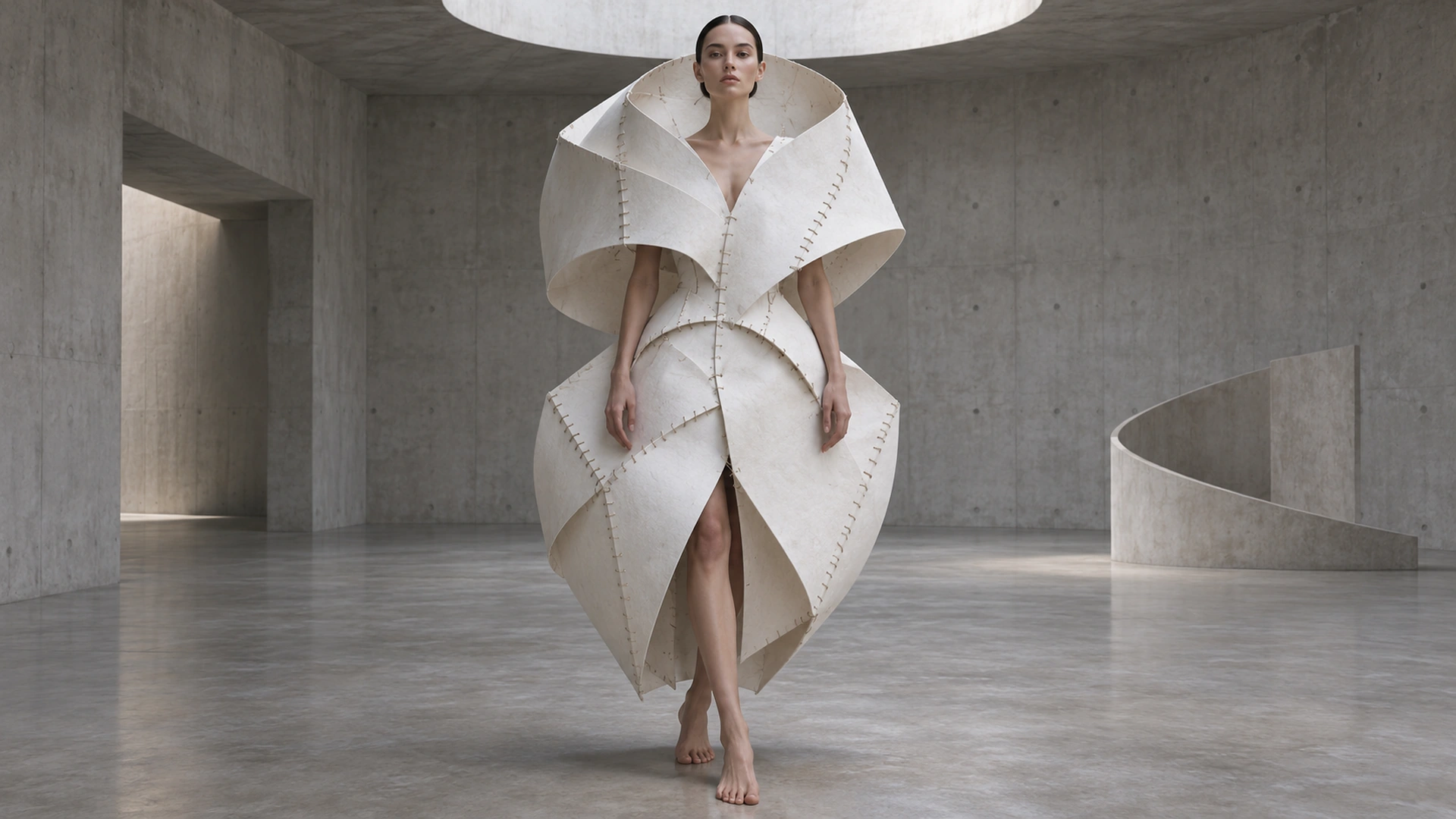
- sculptural pose
- location shoot at golden hour
- saturated surreal colour
- film-like colour grade
- black and white editorial
- styled look
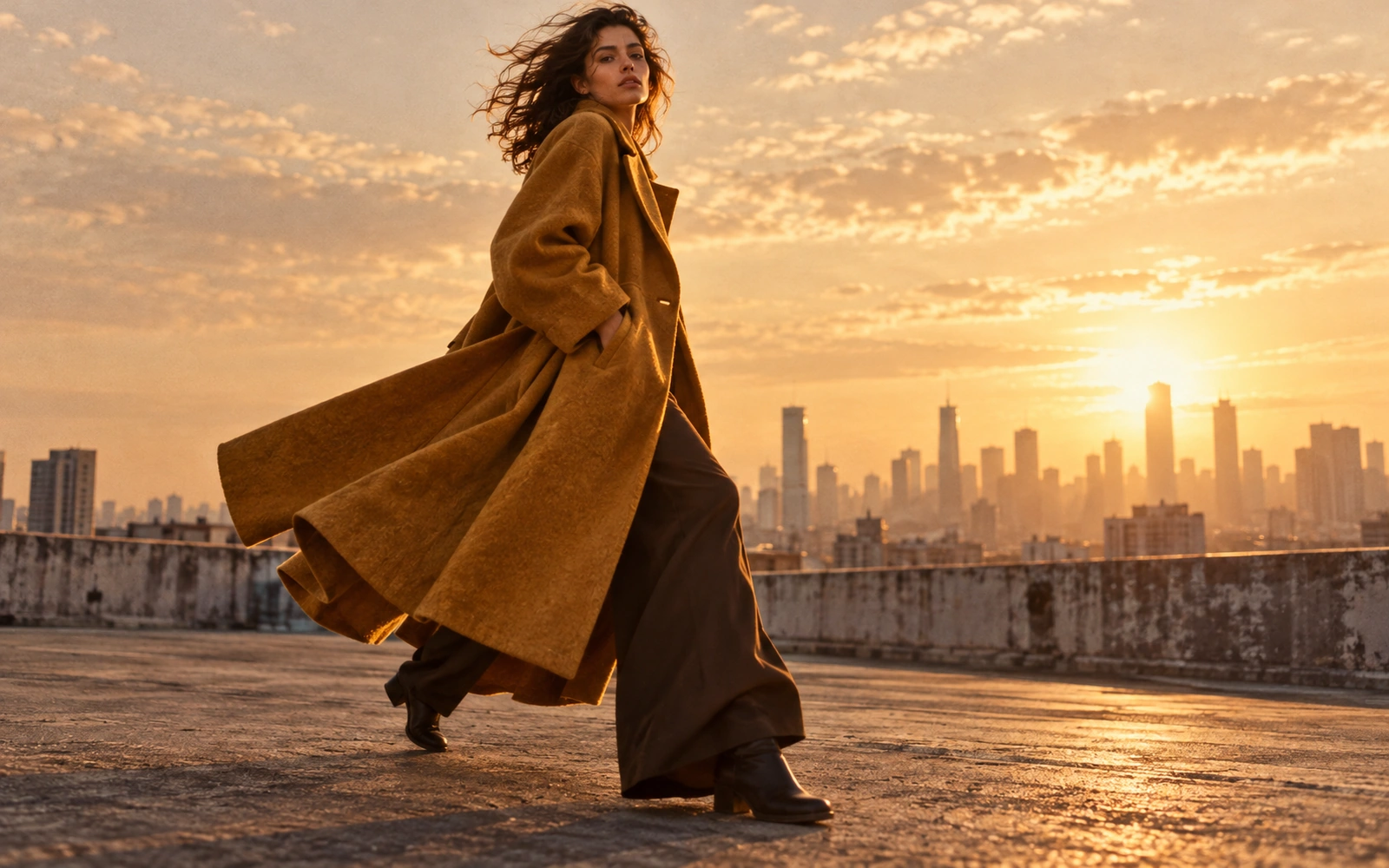
A fashion editorial on an empty rooftop at golden hour: a model in an oversized ochre coat caught mid-stride, wind lifting the fabric, low camera angle, warm backlight with a soft flash fill, city haze behind, film-like grain and muted warm grade.
What to take from fashion photography today
- Name the kind first: editorial, campaign, beauty, lookbook.
- Describe light, pose and set as three separate decisions.
- Say what attitude the image should have: cool, playful, severe, romantic.
Questions about fashion photography
What is fashion photography?
Photographs that sell clothes and, more often, a feeling: from studio portraits on white paper to editorials that tell a story.
How do you recognize fashion photography?
Clothes and styling are central, even when the image tells a story. A deliberate pose and attitude. Controlled light and a carefully chosen setting.
How do you describe fashion photography in words or a prompt?
Name the kind first: editorial, campaign, beauty, lookbook. Describe light, pose and set as three separate decisions. Say what attitude the image should have: cool, playful, severe, romantic.
Take one outfit you own and describe two shoots for it: a clean e-commerce photo and a magazine editorial with a story. Change only light, pose, set and colour grade.