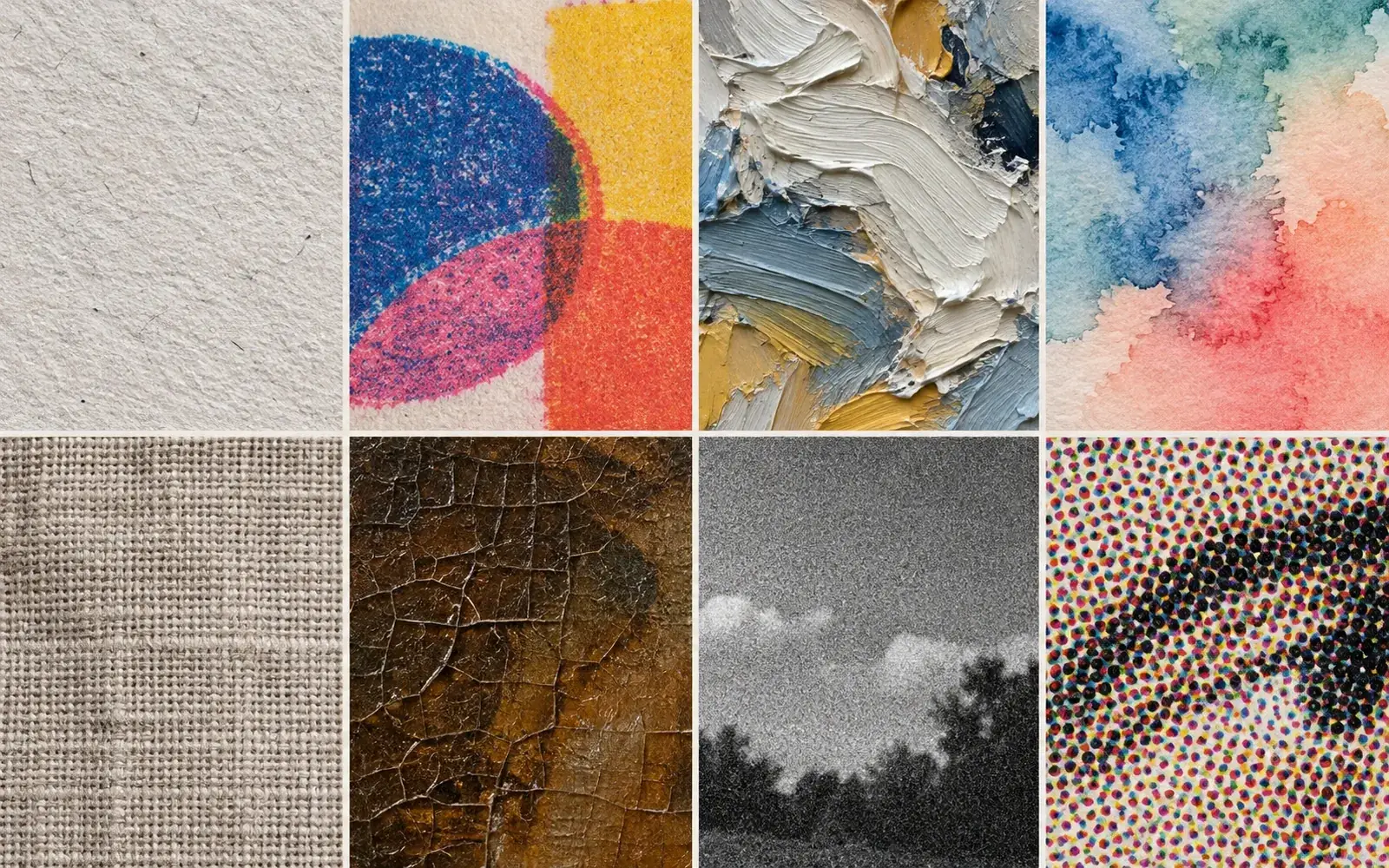
The surface tells a story
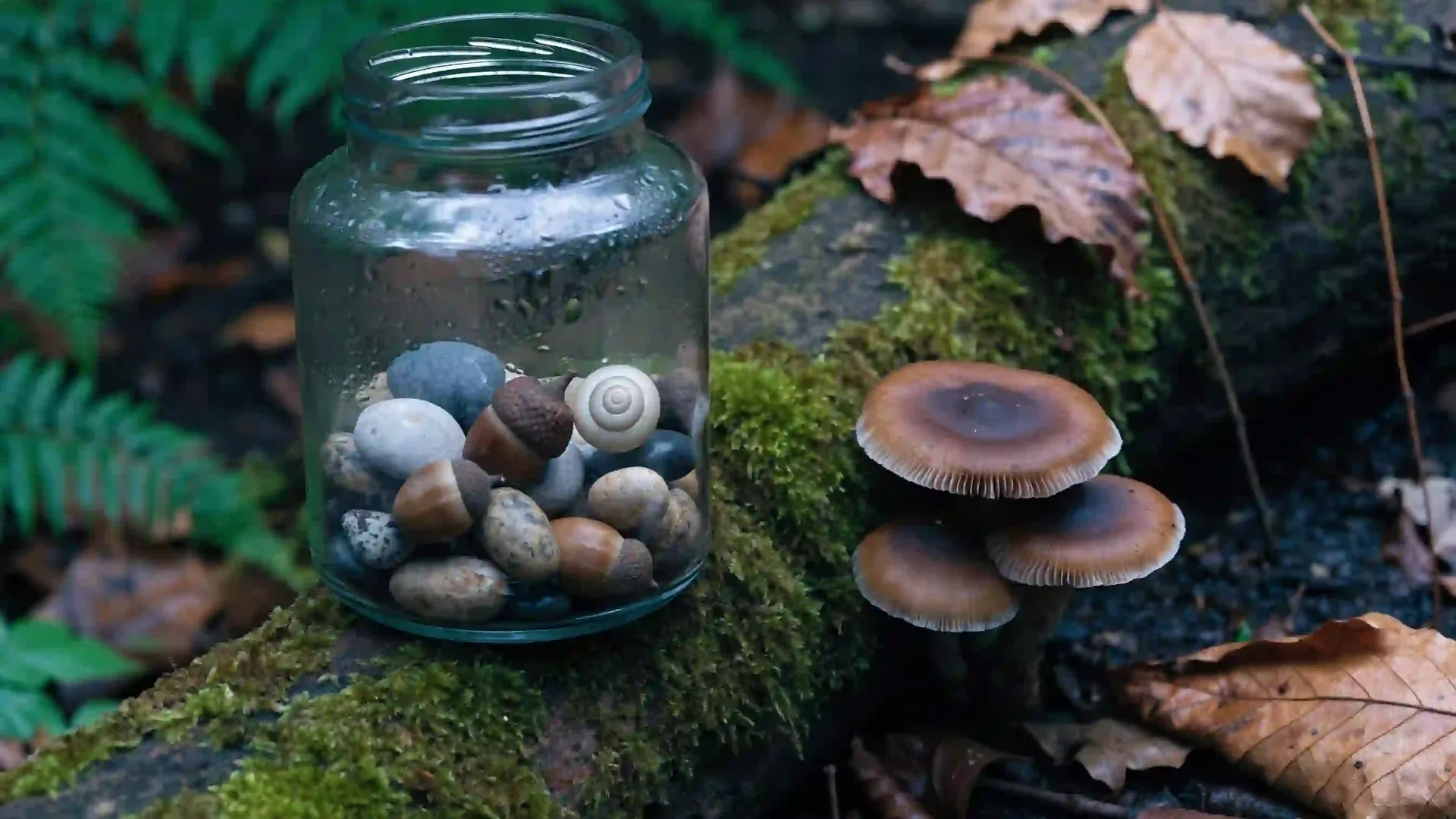
Texture is how an image seems to feel to the touch, and it says where the image comes from: a cheap print, an old photograph, a sketchbook, a glossy screen. The same illustration printed in risograph, painted in gouache or rendered in glossy 3D carries three different moods.
In digital and AI work, texture is often what separates a flat, generic image from one with character. Naming the exact texture, rather than 'vintage' or 'artistic', gives control over that character.
Photographic and screen
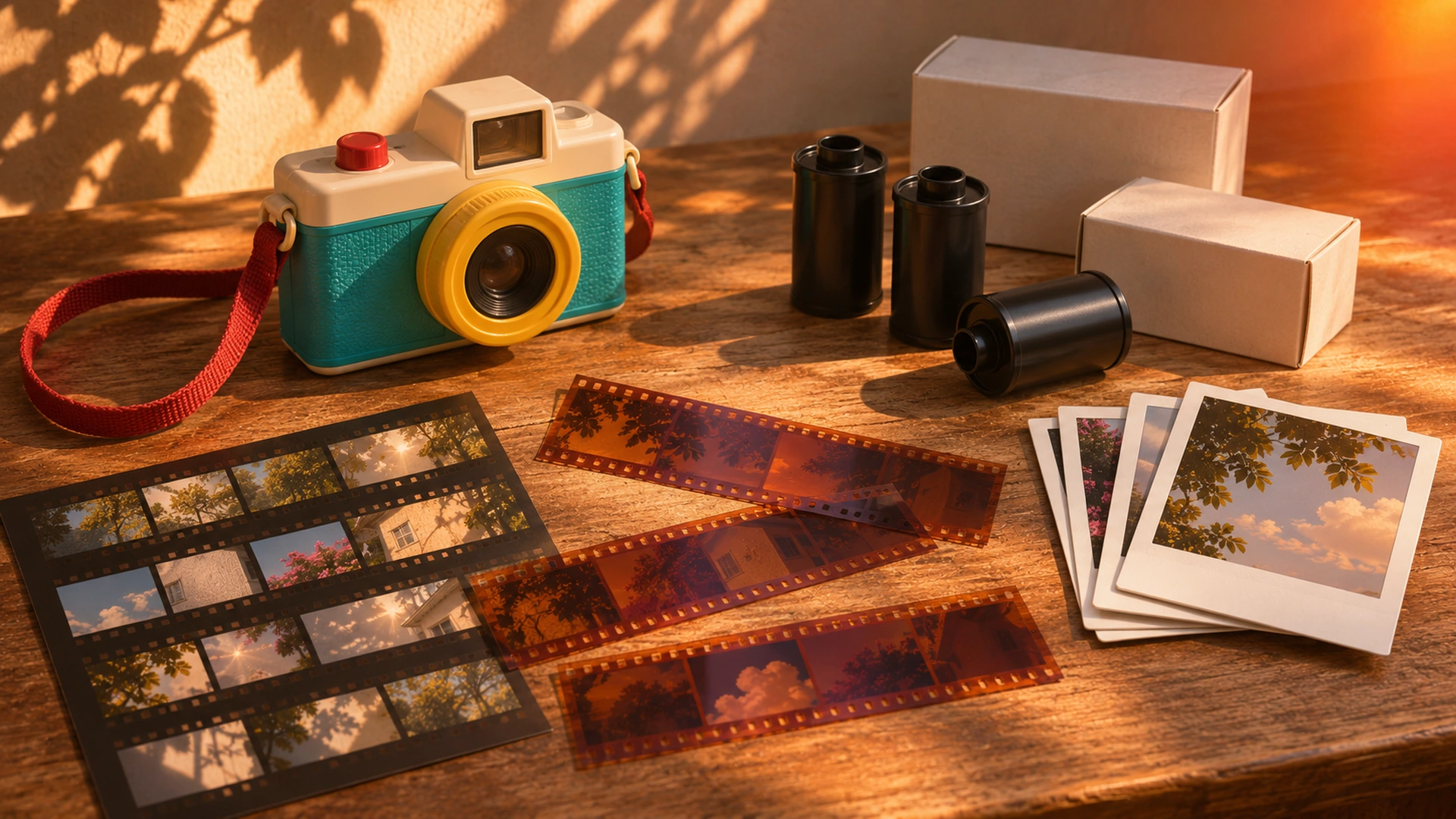
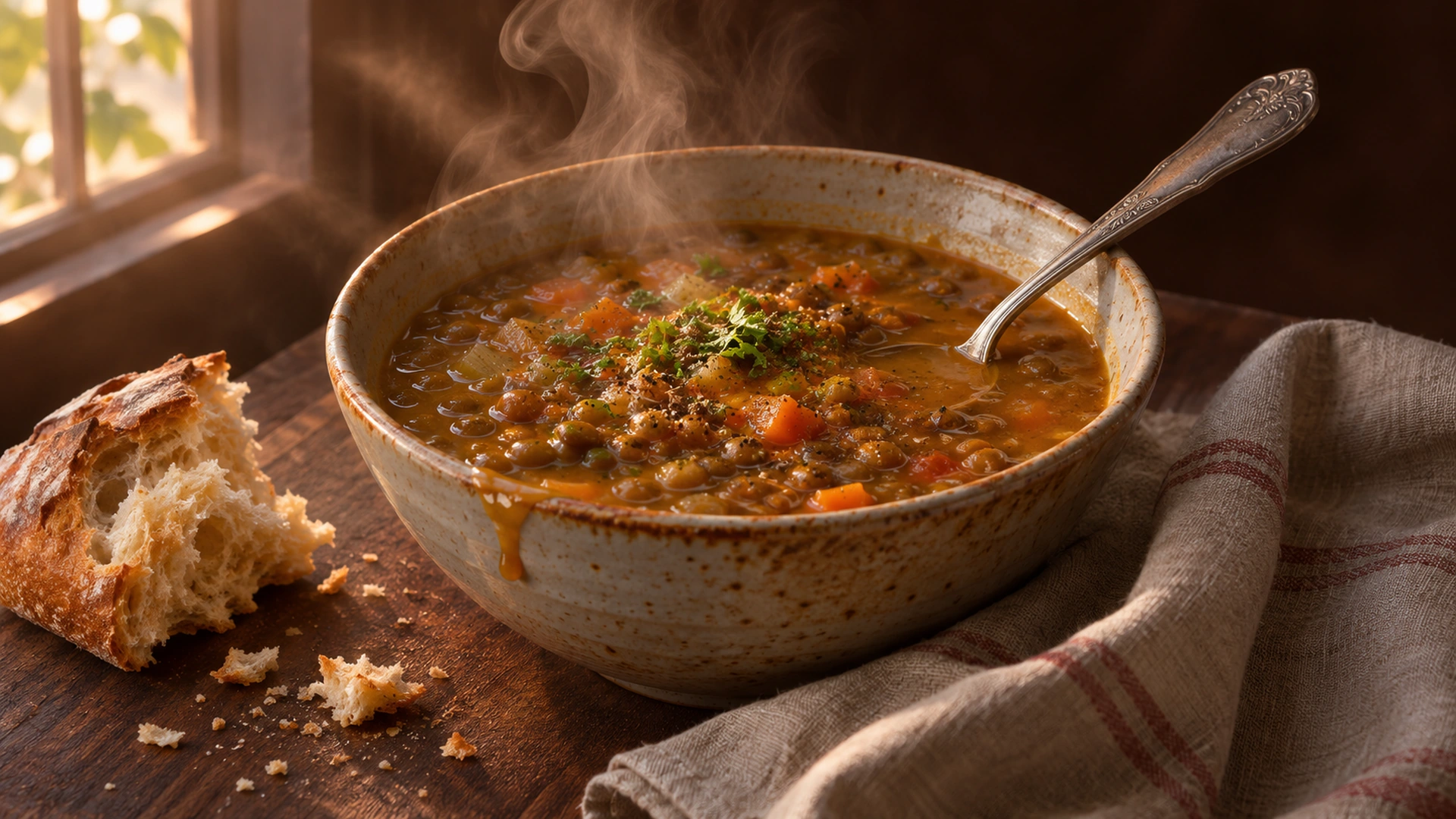
Fine random grain of analog film; warmth and memory.
A red glow around bright highlights, typical of some film stocks.
Color bleeding, scan lines, wobble and tracking noise.
High-contrast black and white with toner specks and lost midtones.
Print textures
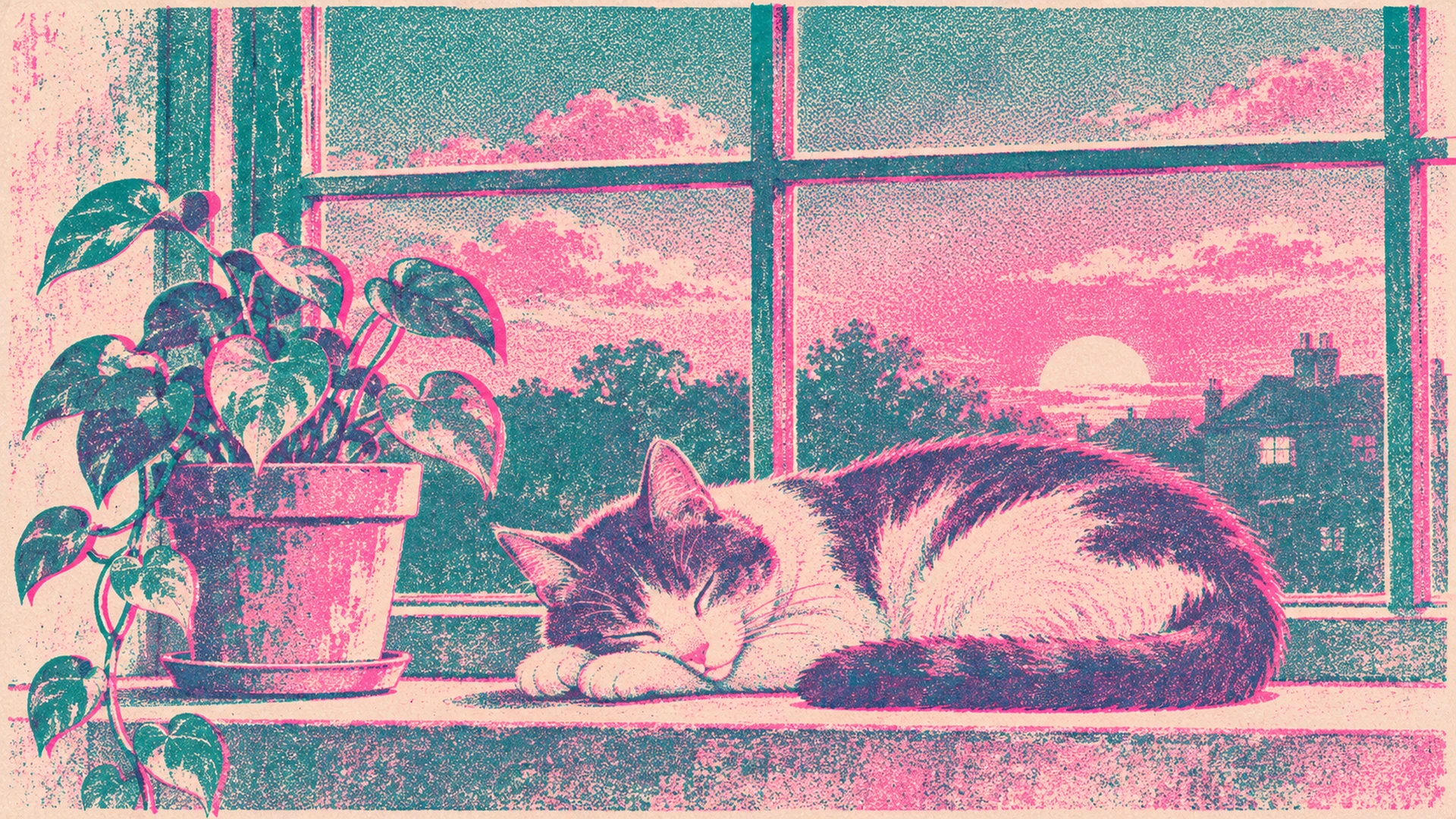
Bright spot colors, visible grain and slight misregistration between layers.
Dots of varying size that create tones, as in newspapers and comics.
Flat, opaque layers of ink with crisp edges and occasional gaps.
Bold carved lines and the grain or marks of the block.
Ink pressed into paper, with a slight bite and uneven density.
Paint and drawing
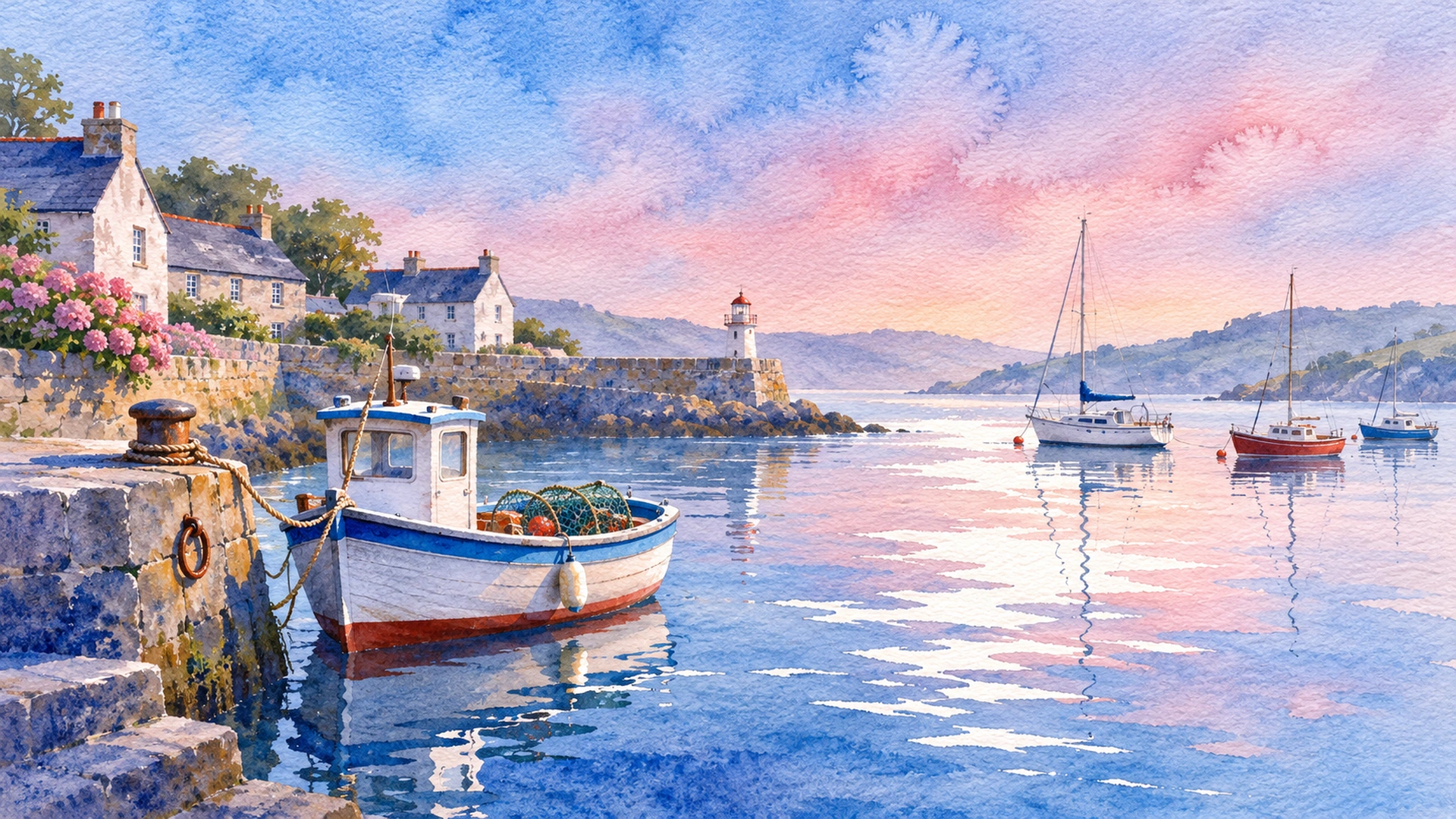
Soft edges where wet pigment spreads and pools.
Matte, opaque, chalky flat color.
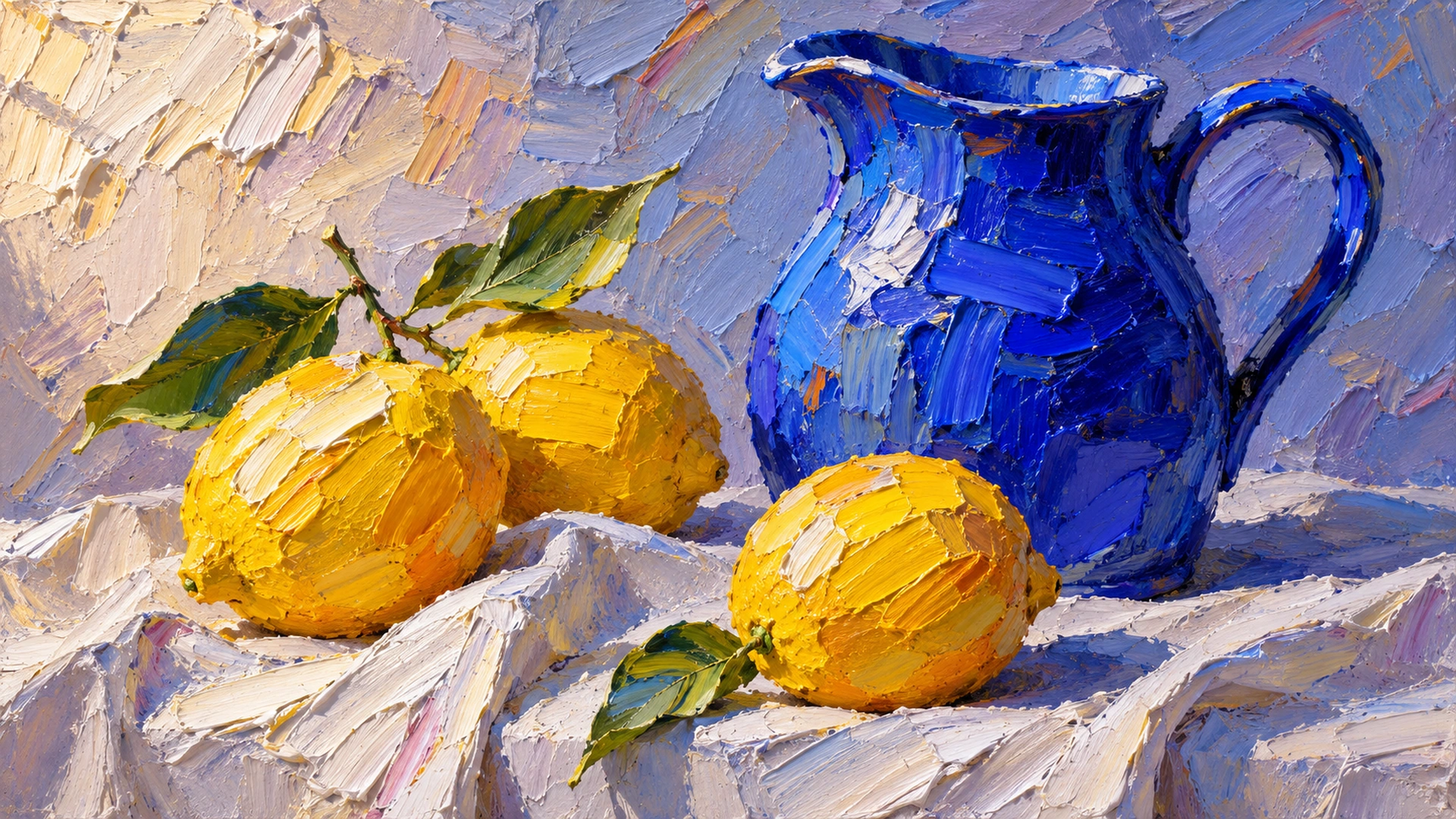
Thick paint with visible ridges of the brush or knife.
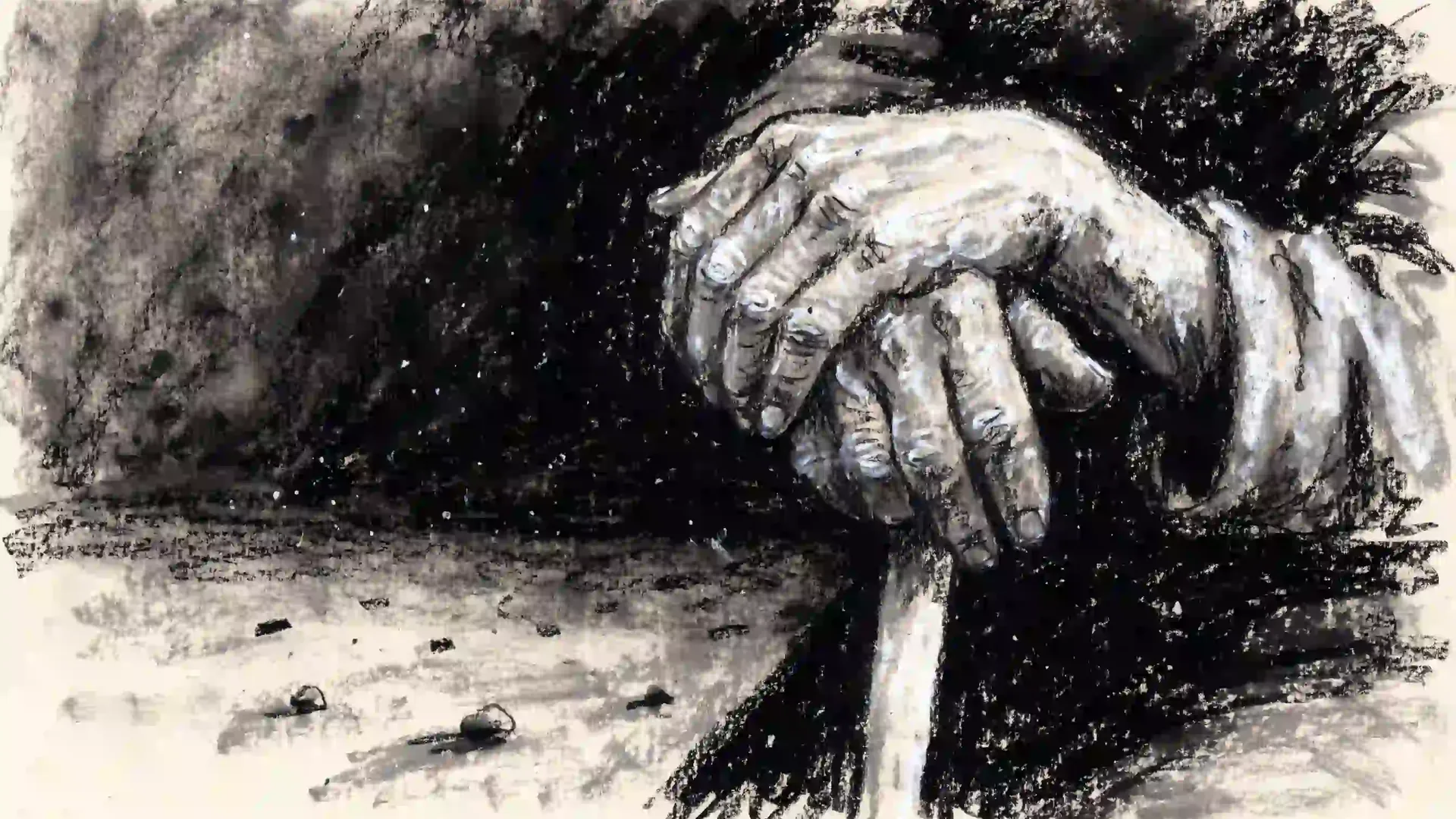
Soft dark marks with smudged, dusty edges.
Waxy, broken strokes that catch the paper grain.
Material surfaces
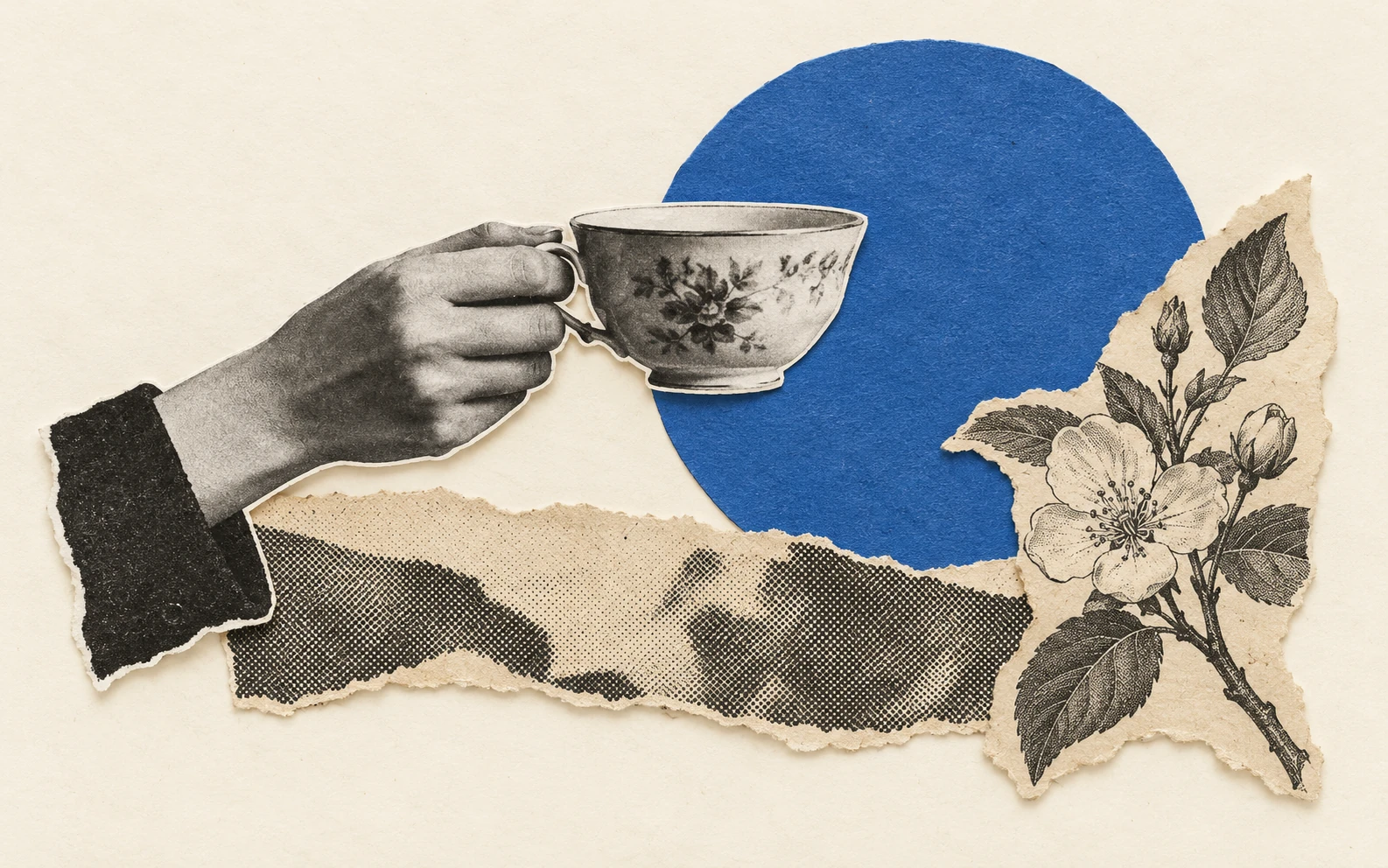
The fibers and tooth of paper visible in flat areas.
Fine cracks in old paint or varnish.
Woven or stitched surfaces with thread texture.
Soft, slightly uneven, fingerprinted matte surface.
Smooth, reflective surface with bright highlights.
Surfaces that shift color with angle, like oil on water.
Words to describe textures
Precise words for the qualities above. Combine a few of them instead of naming the style or artist alone.
- subtle film grain
- risograph print with misregistration
- halftone dot pattern
- screen print flat ink
- linocut carved texture
- watercolor bleed edges
- matte gouache
- thick oil impasto
- visible paper grain
- iridescent holographic surface
An illustration of a lemon printed in risograph: two spot colors, fluorescent yellow and teal, slightly misregistered, visible grain in the flat areas, small specks of ink, on off-white textured paper.
How to describe textures in words
- Name the exact texture rather than 'vintage' or 'artistic'.
- Say how strong it is: subtle, visible, heavy.
- Say where it appears: everywhere, only in shadows, only on edges.
Where people get it wrong
Texture added on top of everything at full strength becomes noise. Real textures behave differently in light and dark areas; subtle, consistent texture usually looks more convincing than a heavy overlay.
Questions about textures
What is textures?
The surface of an image: grain, paper, print, paint and material textures, what each one suggests, and how to name them precisely.
How do you describe textures in words or a prompt?
Name the exact texture rather than 'vintage' or 'artistic'. Say how strong it is: subtle, visible, heavy. Say where it appears: everywhere, only in shadows, only on edges.
Take one simple drawing or photo and describe it in four textures: risograph, gouache, film grain and embroidery. For each, write what feeling the texture adds.