Sets made of feeling
After the First World War, German film studios, especially UFA, produced films that applied Expressionist painting and theatre to cinema. The Cabinet of Dr. Caligari (1920, directed by Robert Wiene) is the defining example: its town is painted on canvas flats with jagged streets, crooked doors and light and shadow painted directly onto the sets.
Other key films include The Golem (1920), F. W. Murnau's Nosferatu (1922) and Fritz Lang's Metropolis (1927). Many of their filmmakers and cinematographers later emigrated, especially after 1933, and brought low-key lighting, deep shadows and odd angles to Hollywood, where they shaped horror films and film noir. Lotte Eisner's The Haunted Screen and Siegfried Kracauer's From Caligari to Hitler are two classic, very different readings of the period.
Visual anatomy of German Expressionist Film
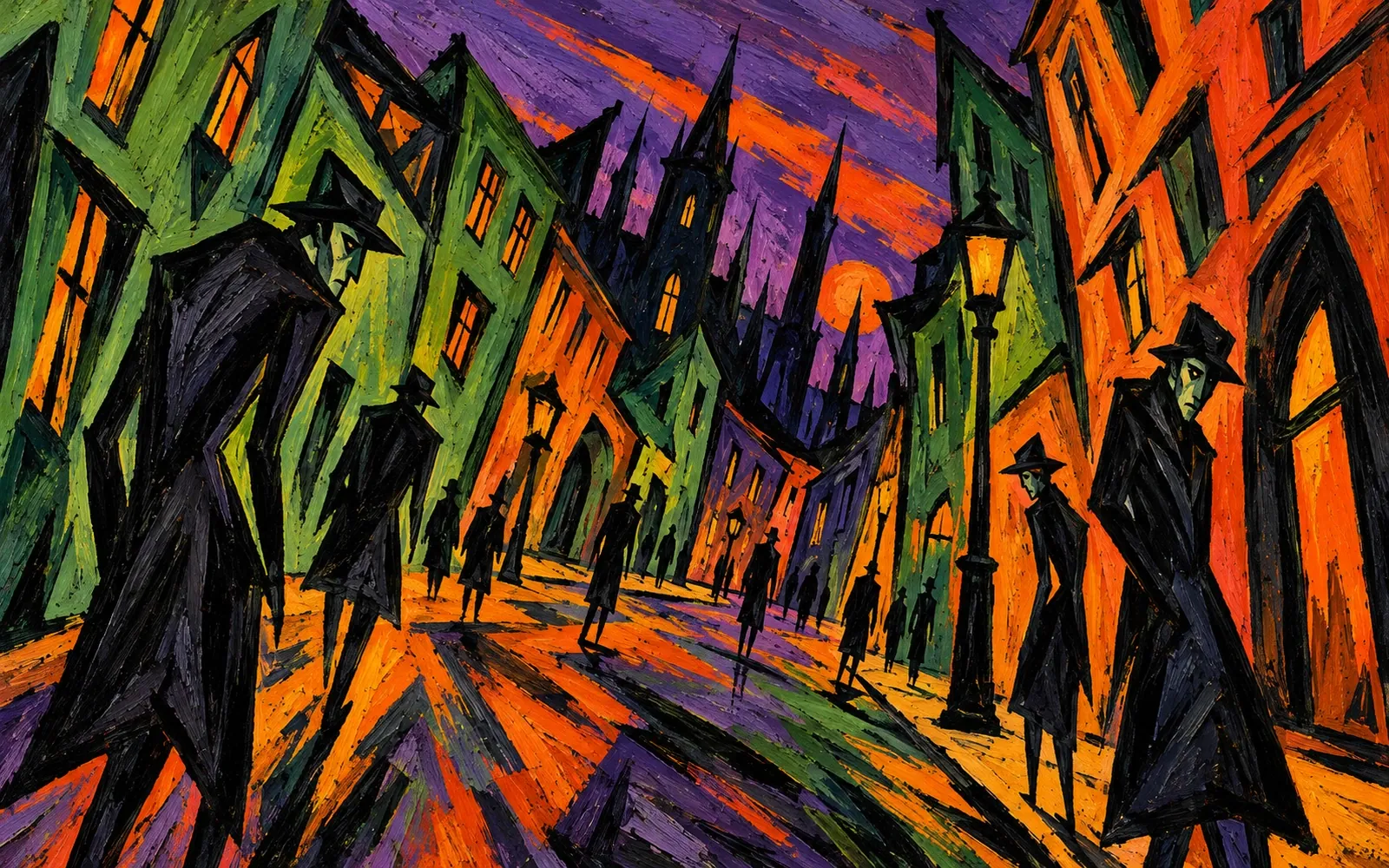
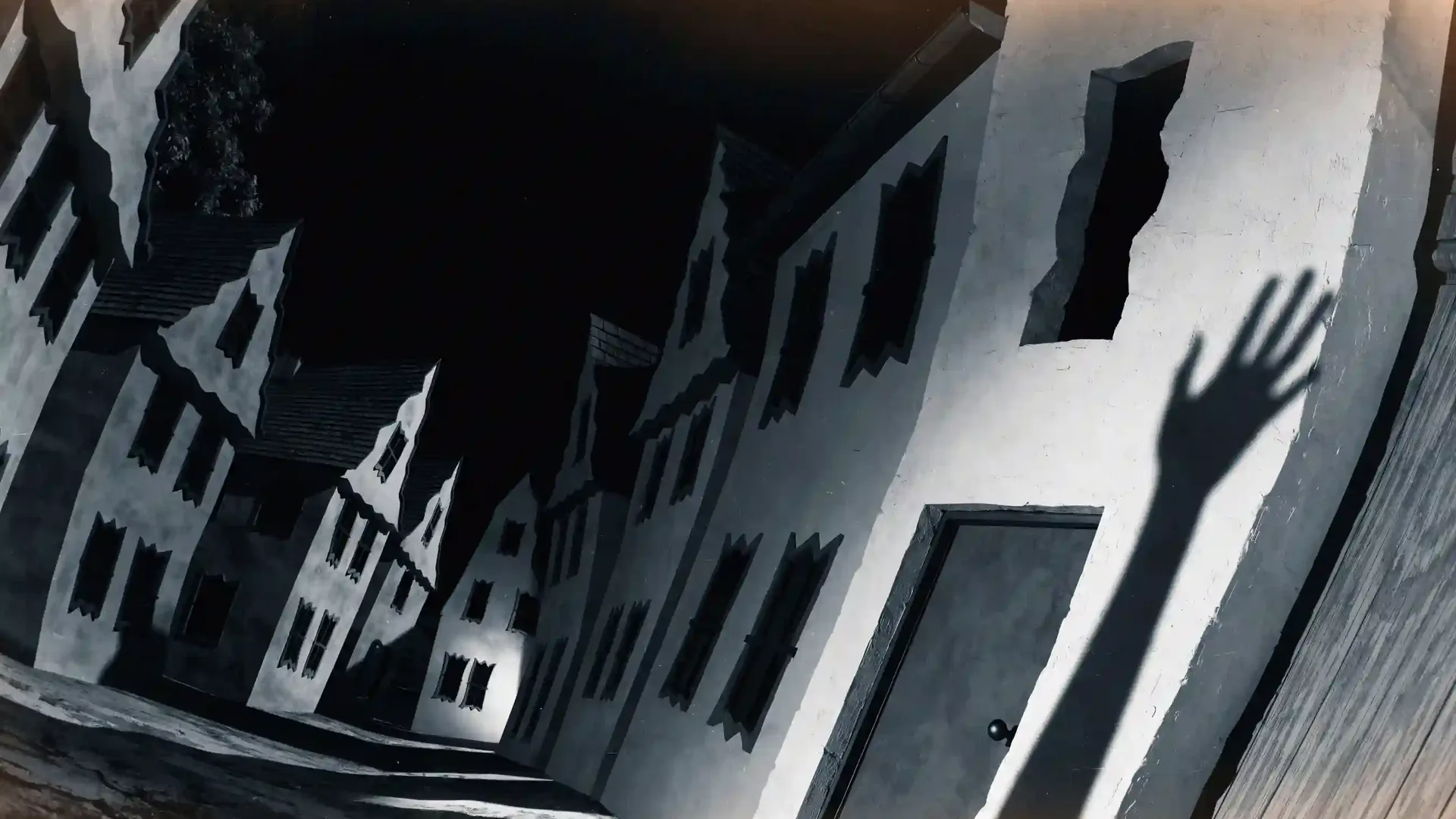
Painted, slanted, distorted architecture; no straight lines, no real perspective.
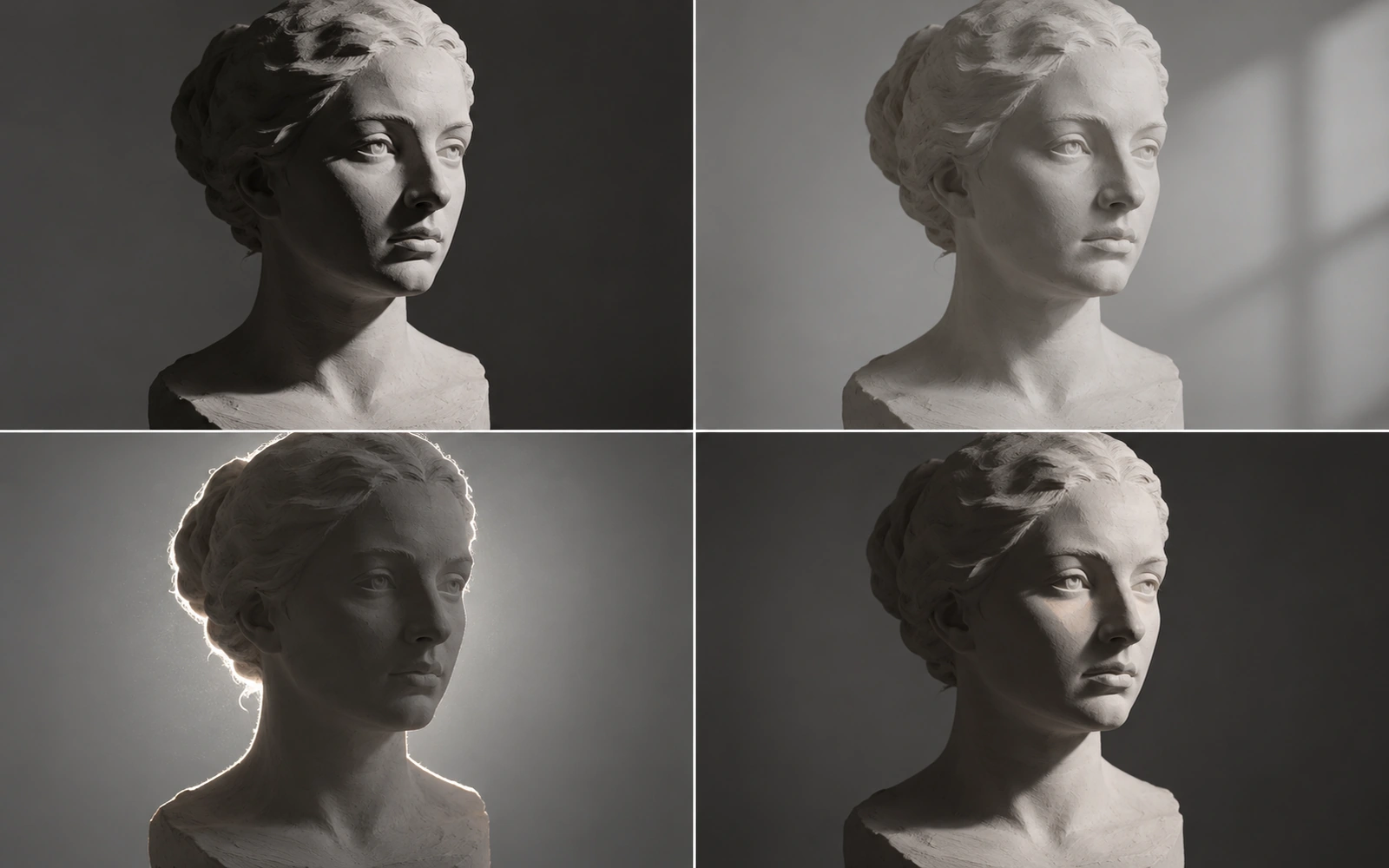
Hard, low-key lighting with deep black shadows; shadows sometimes painted on.
Silhouettes and cast shadows used as characters: Nosferatu's hand on the stairs.
Stylised, exaggerated movement and make-up.
Black and white, often tinted (amber, blue, green) in original prints.
Madness, dread, paranoia, the crowd and the machine.
Key films
Painted, jagged sets for a story told by a madman.
F. W. Murnau's vampire film of shadows and real locations.
Fritz Lang's vast futurist city, workers and a machine-woman.
How to recognize German Expressionist Film
- Slanting, painted, unreal sets.
- Hard light and huge shadows.
- Stylised performance and heavy make-up.
- Black and white, sometimes tinted.
Where people get it wrong
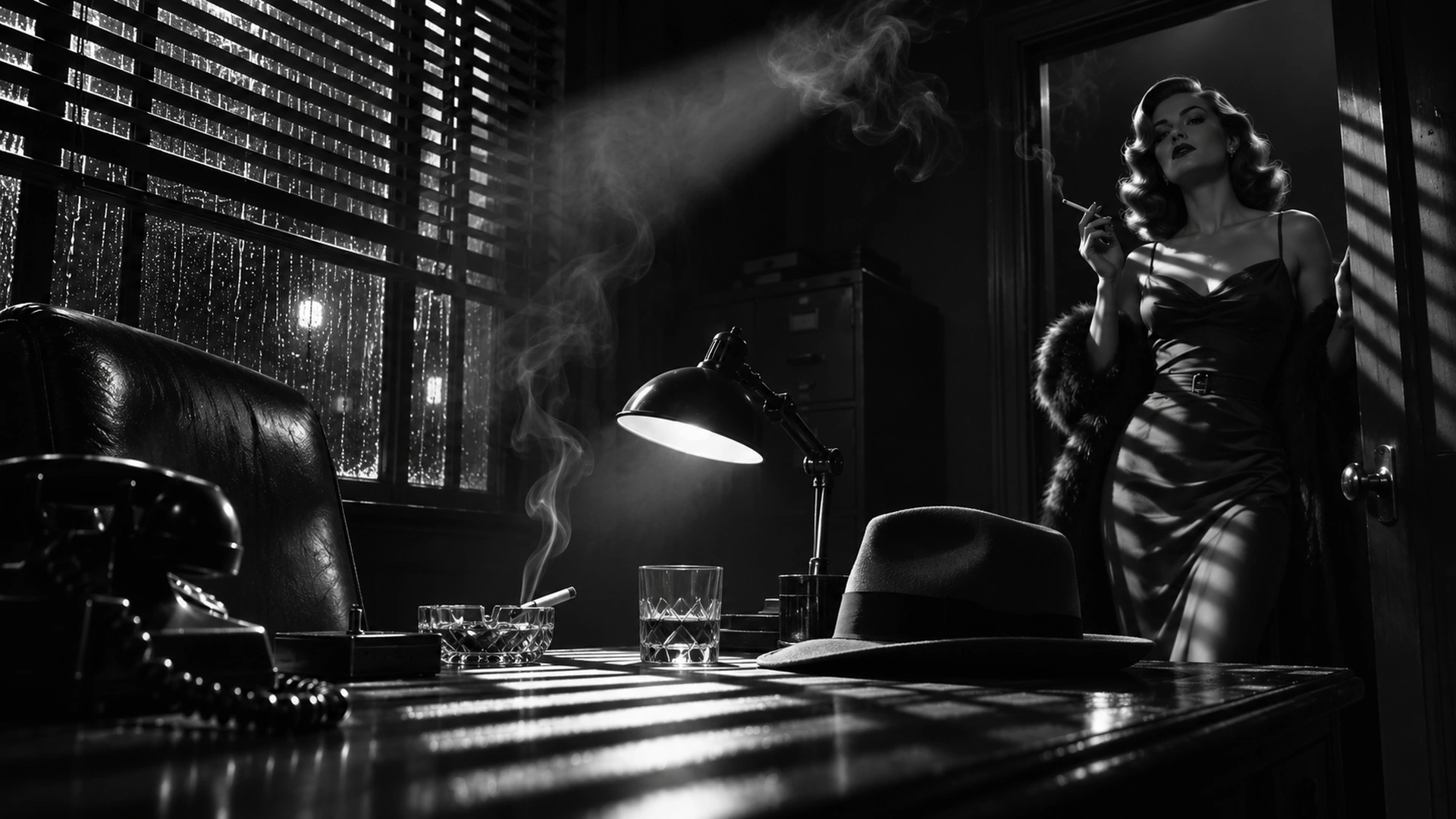
Every dark, shadowy film is not German Expressionism. The movement is specific: Weimar Germany, around 1919 to the early 1930s, with stylised sets and theatrical design. Its influence on noir is real, but noir uses realistic city locations, while Caligari built a painted dream.
Words to describe German Expressionist Film
Precise words for the qualities above. Combine a few of them instead of naming the style or artist alone.
- German Expressionism
- Caligari
- low-key lighting
- cast shadow
- painted set
- UFA
- Weimar cinema
- tinting
- stylised acting
- chiaroscuro
A German Expressionist film still study: a narrow street of crooked, leaning houses painted on flats, jagged windows, a long black shadow of a hand climbing a white wall, harsh single light, amber tint.
What to take from German Expressionist Film today
- Describe the set as painted and slanting.
- Name the hard light source and the shadow it throws.
- Use black and white or a single tint.
- Say what fear the space expresses.
Space as an unreliable narrator
Caligari is told by a narrator who turns out not to be trustworthy, and the sets are his mind. It is a perfect example of point of view in images: the world looks the way the teller feels. When you prompt a scene, ask whose eyes are building the room.
Questions about German Expressionist Film
What is German Expressionist film?
A film movement in Weimar Germany from about 1919 to the early 1930s known for stylised, distorted sets, hard lighting and deep shadows that express characters' inner states.
What are the most famous German Expressionist films?
The Cabinet of Dr. Caligari (1920), The Golem (1920), Nosferatu (1922) and Metropolis (1927).
How did German Expressionism influence film noir?
Many German filmmakers and cinematographers moved to Hollywood and brought low-key lighting, strong shadows and unusual angles, which became core to horror and film noir.
Take a photograph of a staircase. Describe how you would rebuild it as a German Expressionist set: which lines would lean, where a painted shadow would fall, and whose fear the space would show.
Sources and further reading
- Lotte H. Eisner, The Haunted Screen, University of California Press, 1969 (French original 1952).
- Siegfried Kracauer, From Caligari to Hitler, Princeton University Press, 1947.
- Friedrich Wilhelm Murnau Stiftung: Nosferatu and Metropolis restorations.
- BFI: German Expressionism collections.