Pictures in sequence
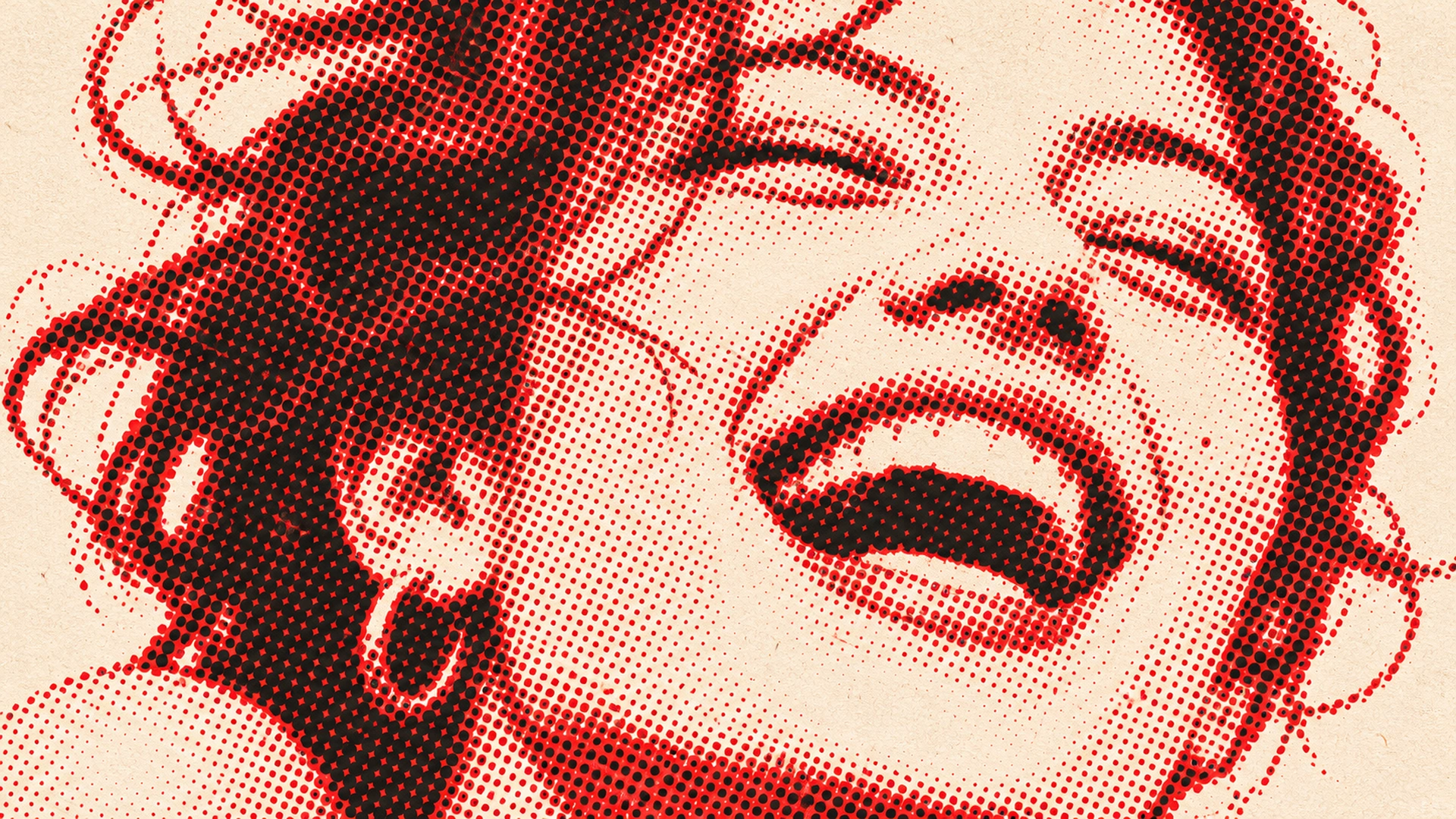
Comics tell stories in a sequence of images, usually arranged in panels on a page with words in speech balloons and captions. American comic books took their modern form in the 1930s; Action Comics #1, with Jerry Siegel and Joe Shuster's Superman, appeared in 1938. Printing on cheap paper with limited colour shaped the look: strong black ink lines and flat colours made from dot screens such as Ben-Day dots.
Other traditions developed their own lines. In Belgium, Hergé's The Adventures of Tintin, begun in 1929, became the model for ligne claire, the 'clear line' of even outlines and flat colour, a term coined in 1977 by Dutch cartoonist Joost Swarte. Japanese manga developed its own grammar of speed lines and expressive faces. Will Eisner called the medium 'sequential art', and Scott McCloud's Understanding Comics (1993) explained how readers fill the gaps between panels.
Visual anatomy of Comic Book Art
Confident inked outlines; brush or pen; thick-to-thin for weight and depth.
Flat fills, limited palettes, dot screens or digital flats.
Frames of varying size; borders broken for impact.
The gap between panels where time passes.
Speech balloons, captions, sound effects drawn as images.
Speed lines, impact bursts, exaggerated poses and foreshortening.
Words around comics
The space between panels.
A single large image filling a whole page.
The artist who goes over pencils in ink; in many studios separate from the penciller.
Even, clean outlines with flat colour and little shading, as in Tintin.
How to recognize Comic Book Art
- Black ink outlines around everything.
- Flat colour or visible dots.
- Panels, balloons and drawn sound effects.
- Exaggerated motion and expression.
Where people get it wrong
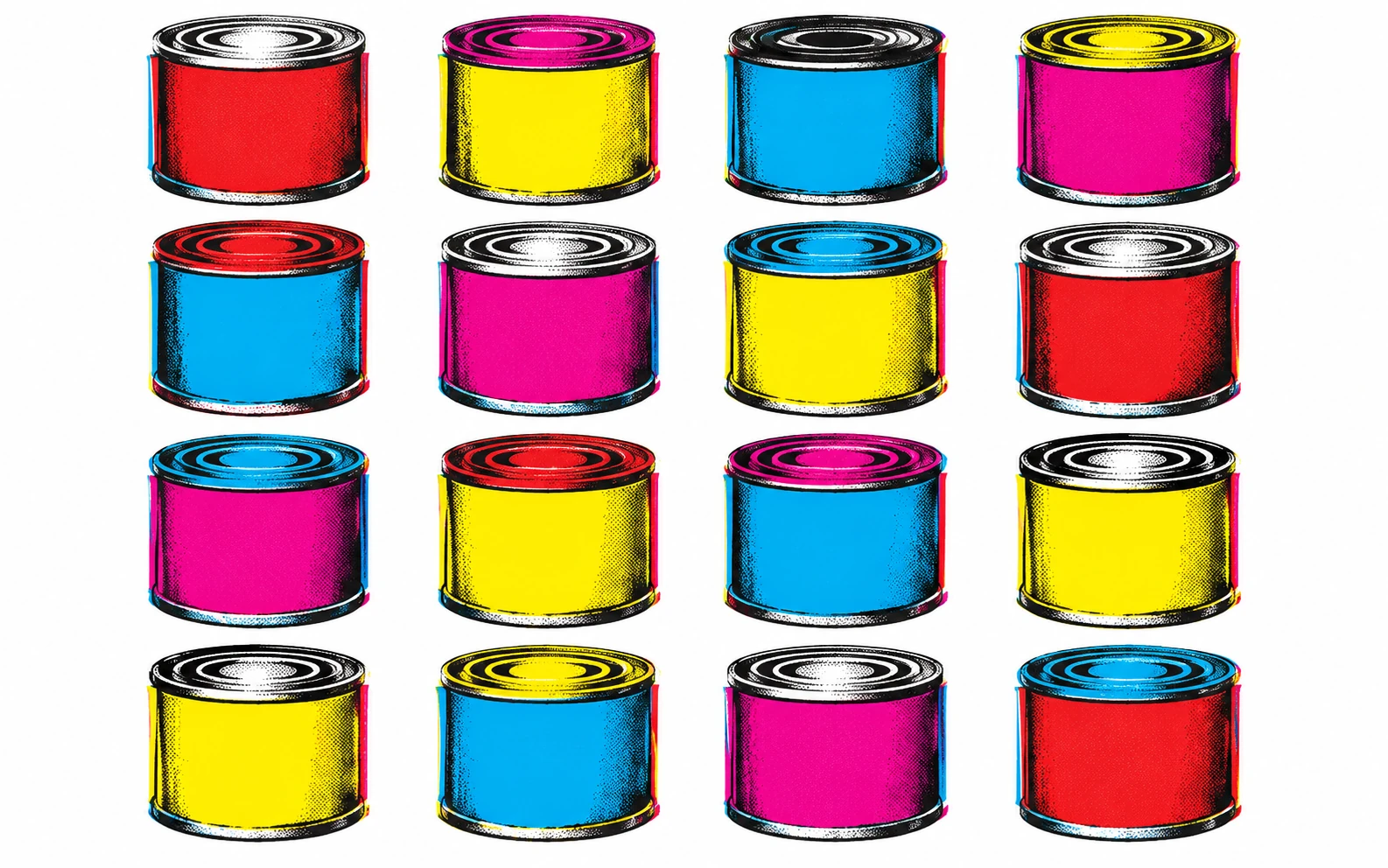
People often reduce comics to Ben-Day dots and 'POW!'. That is how pop art quoted comics, not how most comics look. Describe the actual tradition: clear-line European, American superhero inking, manga, indie black-and-white.
Words to describe Comic Book Art
Precise words for the qualities above. Combine a few of them instead of naming the style or artist alone.
- panel
- gutter
- splash page
- inking
- flats
- Ben-Day dots
- ligne claire
- speech balloon
- speed lines
- foreshortening
A comic book page in a clear-line style: three panels of a cyclist crossing a rainy bridge, even black outlines, flat blue and ochre colour, one empty speech balloon, the last panel breaking its border as the bike splashes through a puddle.
What to take from Comic Book Art today
- Name the tradition: ligne claire, superhero, manga, indie.
- Describe the line: brush, pen, even, tapered.
- Say how colour is made: flats, dots, watercolour.
- Think in panels: what happens in the gap.
The gutter is where the story happens
Two panels, a hand raised and then a broken vase: the reader writes the fall. Comics make the reader a co-author through what is left out, which is the same thing a good short story does with a line break.
Questions about Comic Book Art
What is comic book art style?
A way of drawing built for printed storytelling: inked outlines, flat colour, panels, speech balloons and dynamic poses.
What are Ben-Day dots?
Small coloured dots, named after printer Benjamin Henry Day Jr., used to create tones and colours cheaply in printing; they became famous through comics and pop art.
What is ligne claire?
French for 'clear line': a comic style with even outlines, flat colours and little shading, associated with Hergé's Tintin.
Draw or describe one action in three panels: before, during and after. Then remove the middle panel and see whether the reader still understands what happened.
Sources and further reading
- Scott McCloud, Understanding Comics: The Invisible Art, 1993.
- Will Eisner, Comics and Sequential Art, 1985.
- Library of Congress: Comic book collections.