The beauty of the overlooked
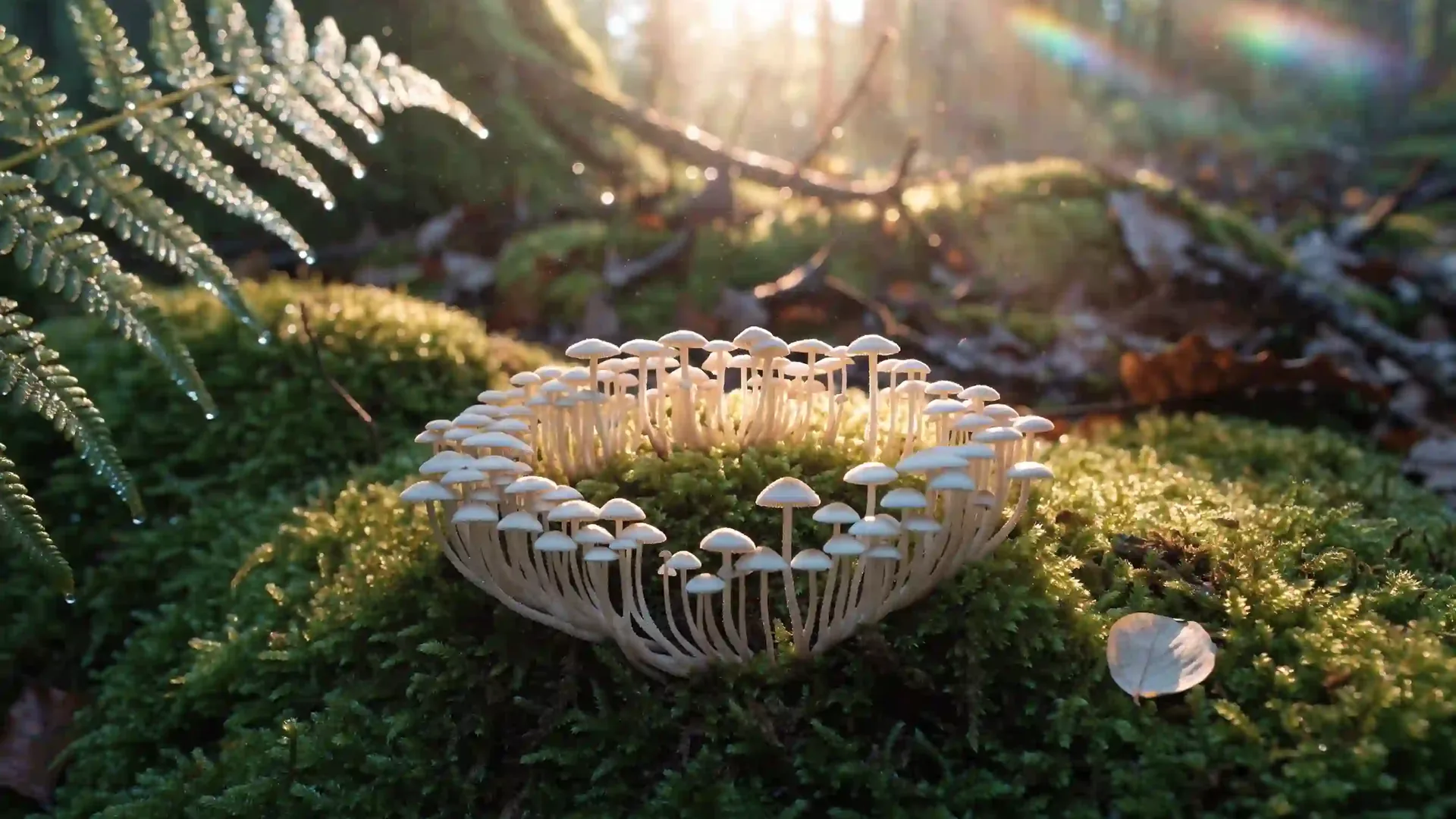
Goblincore grew on Tumblr and TikTok around 2020, as a muddier cousin of cottagecore and fairycore. Where those idealise a pretty countryside, goblincore loves damp leaves, rotting logs, insects, snails, toads, lichen, bones, rocks and the things a goblin of folklore might hoard.
Its clothing is practical and thrifted: oversized knits, corduroy, patched trousers, rain boots and many pockets, in moss green, brown, rust and mushroom beige. Many people connect it with an interest in foraging, mycology and simply being outside, without needing to look polished.
Visual anatomy of Goblincore
Moss green, mud brown, rust, ochre, mushroom beige, stone grey.
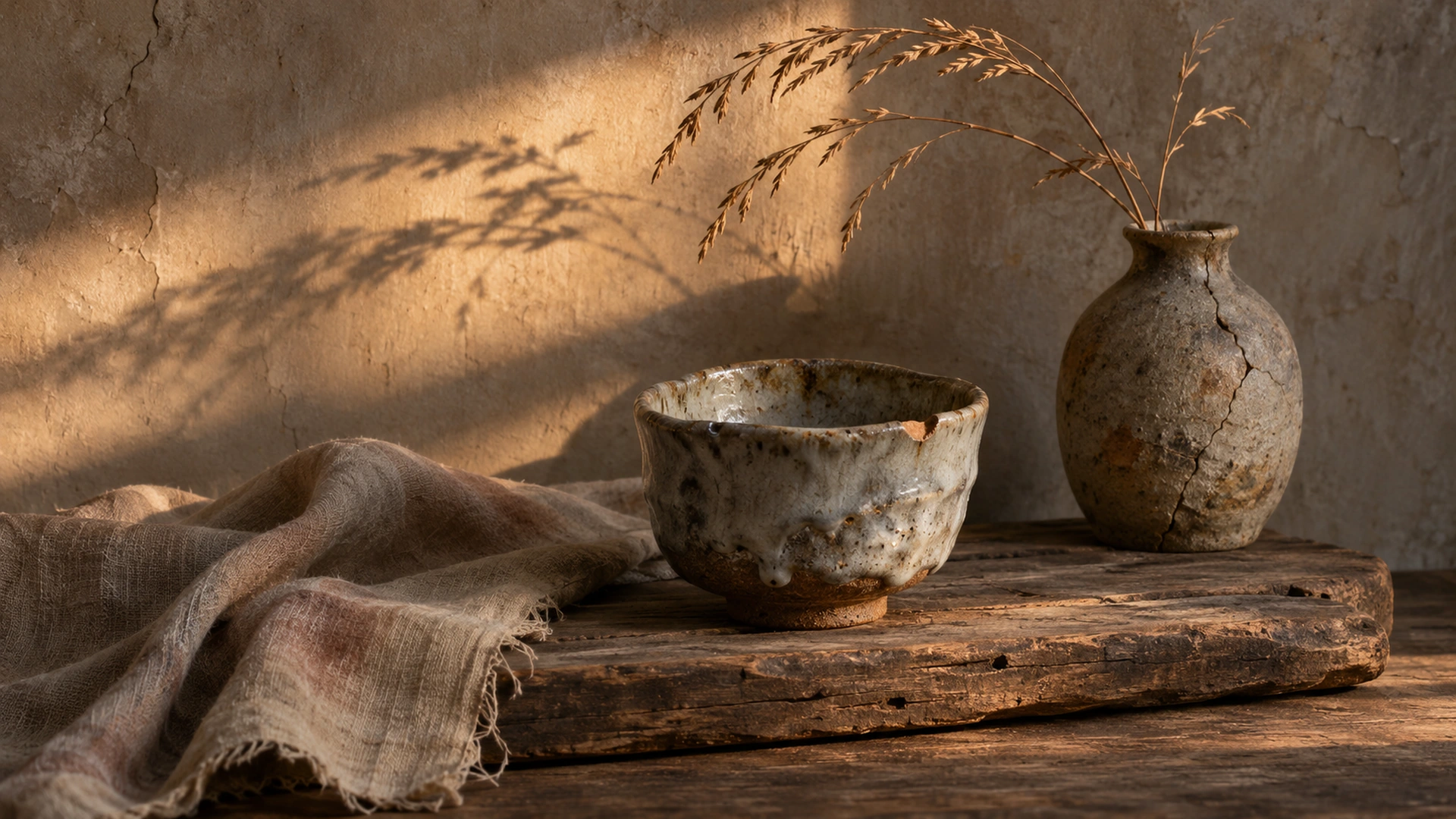
Damp, rough, lumpy, worn: bark, lichen, wool, corduroy.
Mushrooms, moss, frogs, snails, beetles, roots, stones, fallen leaves.
Jars of found things, old keys, shells, feathers, pressed leaves.
Thrifted, oversized, layered, practical, full of pockets.
Curious, cosy, unpolished, a little mischievous.
Words around Goblincore
A collection of small, odd treasures, often found outdoors.
Gathering wild food or materials, often linked to the aesthetic.
The study of fungi, a popular interest within goblincore.
The tidier, more pastoral aesthetic goblincore is often contrasted with.
How to recognize Goblincore
- Earthy, muddy colour palette.
- Mushrooms, moss, frogs and snails.
- Collections of stones, bones and found objects.
- Thrifted, layered, practical clothes.
- Beauty in the messy and overlooked.
Where people get it wrong
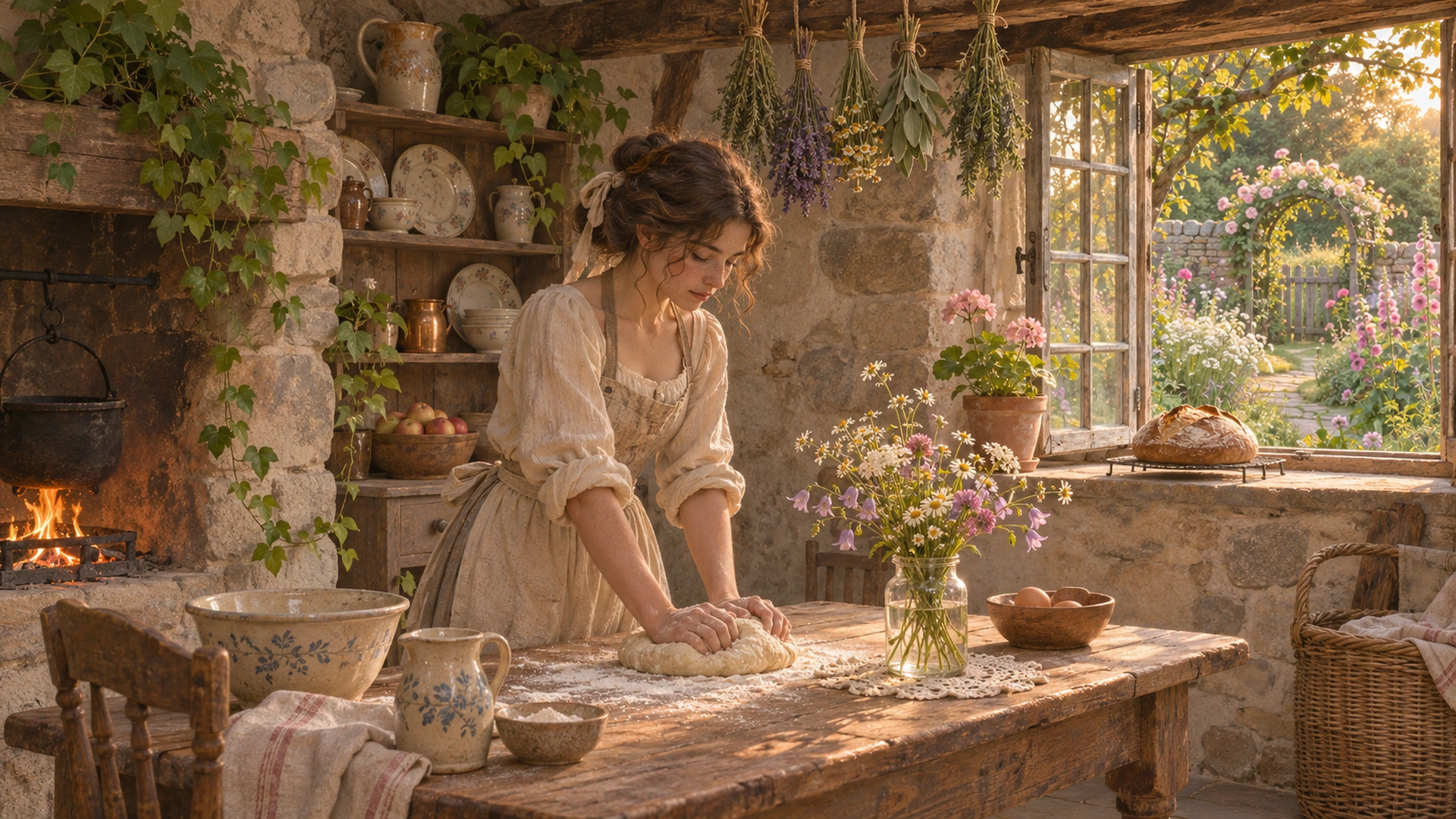
Goblincore is often confused with fairycore or cottagecore. Fairycore is shimmering and ethereal, cottagecore is tidy and domestic; goblincore is damp, earthy and unpolished. Another mistake is to make it dirty in a careless way; it is about attention and affection for small things, not about mess for its own sake.
Words to describe Goblincore
Precise words for the qualities above. Combine a few of them instead of naming the style or artist alone.
- goblincore
- moss
- lichen
- mushroom
- toad
- snail
- foraging
- mycology
- thrifted
- hoard
- earthy palette
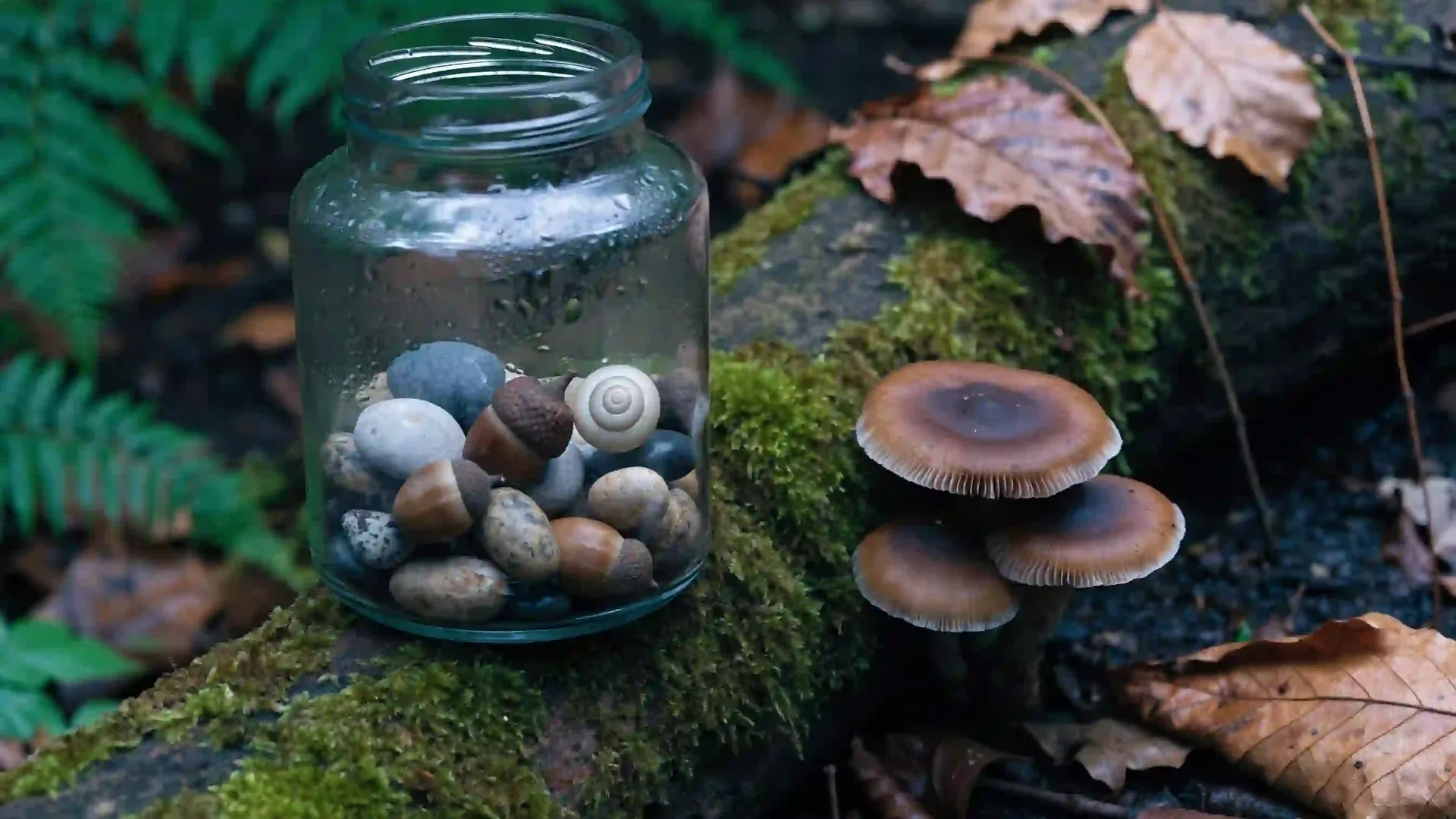
A goblincore still life: a glass jar of pebbles, acorns and a snail shell on a mossy log, small brown mushrooms with frilled gills beside it, damp fallen leaves, soft overcast light after rain.
What to take from Goblincore today
- Name the damp and rough textures.
- Put small creatures and fungi in the scene.
- Use earthy, muted colour.
- Include a found object or a small collection.
Thick description of the small
Goblincore is close attention made into a style. The beauty is in the detail most people walk past: the frill under a mushroom cap, the shine on a snail's trail. That is the thick description the library keeps returning to: look closer, name exactly, and an 'ugly' thing becomes particular.
Questions about Goblincore
What is goblincore?
An internet aesthetic popular since around 2020 that celebrates the earthy, messy and overlooked parts of nature, such as mud, moss, mushrooms, frogs, snails and stones, along with thrifted, practical clothing.
What is the difference between goblincore and cottagecore?
Cottagecore idealises a neat, pastoral home life. Goblincore loves the wilder, damp and unpolished side of nature and the habit of collecting odd found objects.
What colours are goblincore?
Earthy, muted colours: moss green, brown, rust, ochre, mushroom beige and stone grey.
Collect five small things on a walk: a stone, a leaf, a seed, anything. Lay them on a table and describe each in two sentences so precisely that someone could pick it out from a hundred similar ones.
Sources and further reading
- Aesthetics Wiki (fan-run catalogue): Goblincore entry.
- Merlin Sheldrake, Entangled Life: How Fungi Make Our Worlds, Random House, 2020.
- Robin Wall Kimmerer, Gathering Moss, Oregon State University Press, 2003.