An old dream, reposted
Fairycore spread on Tumblr, Pinterest and TikTok around 2020, close to cottagecore but more magical: less baking bread, more glittering wings in a forest. It mixes thrifted pastel clothing, flower crowns, sheer fabrics, crystals and photographs of moss, mushrooms and soft forest light.
Its images have a long history. Victorian Britain loved fairy painting, from Richard Dadd's obsessive The Fairy Feller's Master-Stroke (1855–64, Tate) to the illustrations of Arthur Rackham and Cicely Mary Barker's Flower Fairies (from 1923). The Cottingley Fairies photographs of 1917, made by two girls with paper cut-outs and believed by many, including Arthur Conan Doyle, show how much people have wanted fairies to be real. A darker variant, 'fairy grunge', mixes the same motifs with worn layers and darker colour.
Visual anatomy of Fairycore
Pastel green, lilac, blush, cream, with iridescent shimmer.
Tulle, chiffon, lace, crochet, sheer layers, ribbons.
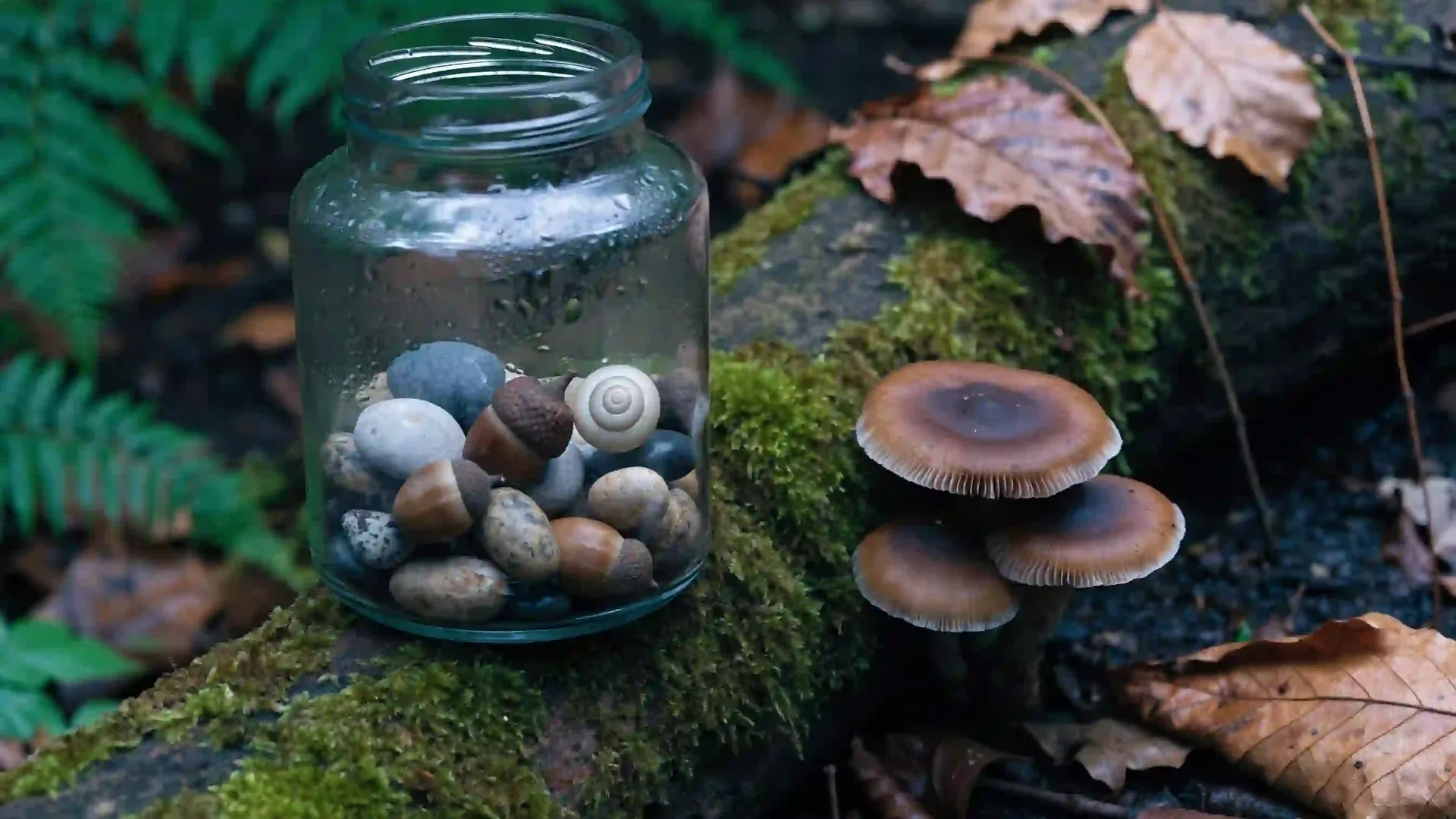
Moss, ferns, mushrooms, wildflowers, dew, butterflies, small streams.
Dappled forest light, golden mist, glints of sparkle.
Crystals, pressed flowers, old books of fairy tales, glass bottles, wings.
Gentle, dreamy, innocent, a little mischievous.
Words around Fairycore
A Victorian genre of fairy scenes, often detailed and strange.
A darker, layered, thrifted version of the look.
Light, airy and otherworldly; a word often used for the style.
Famous 1917 hoax photographs of 'fairies' in an English garden.
How to recognize Fairycore
- Sheer pastel fabrics and wings.
- Moss, mushrooms and wildflowers.
- Soft, dappled or misty forest light.
- Glitter, iridescence and small magical objects.
Where people get it wrong
Fairycore is often treated as the same as cottagecore. Cottagecore is domestic and practical, about home, baking and gardens; fairycore is about the wild edge of the woods and the magical. It is also sometimes mixed with childlike styles; most fairycore imagery is made by and for adults and should be kept that way.
Words to describe Fairycore
Precise words for the qualities above. Combine a few of them instead of naming the style or artist alone.
- fairycore
- ethereal
- tulle
- iridescent
- moss
- toadstool
- fairy ring
- dappled light
- fairy grunge
- folklore
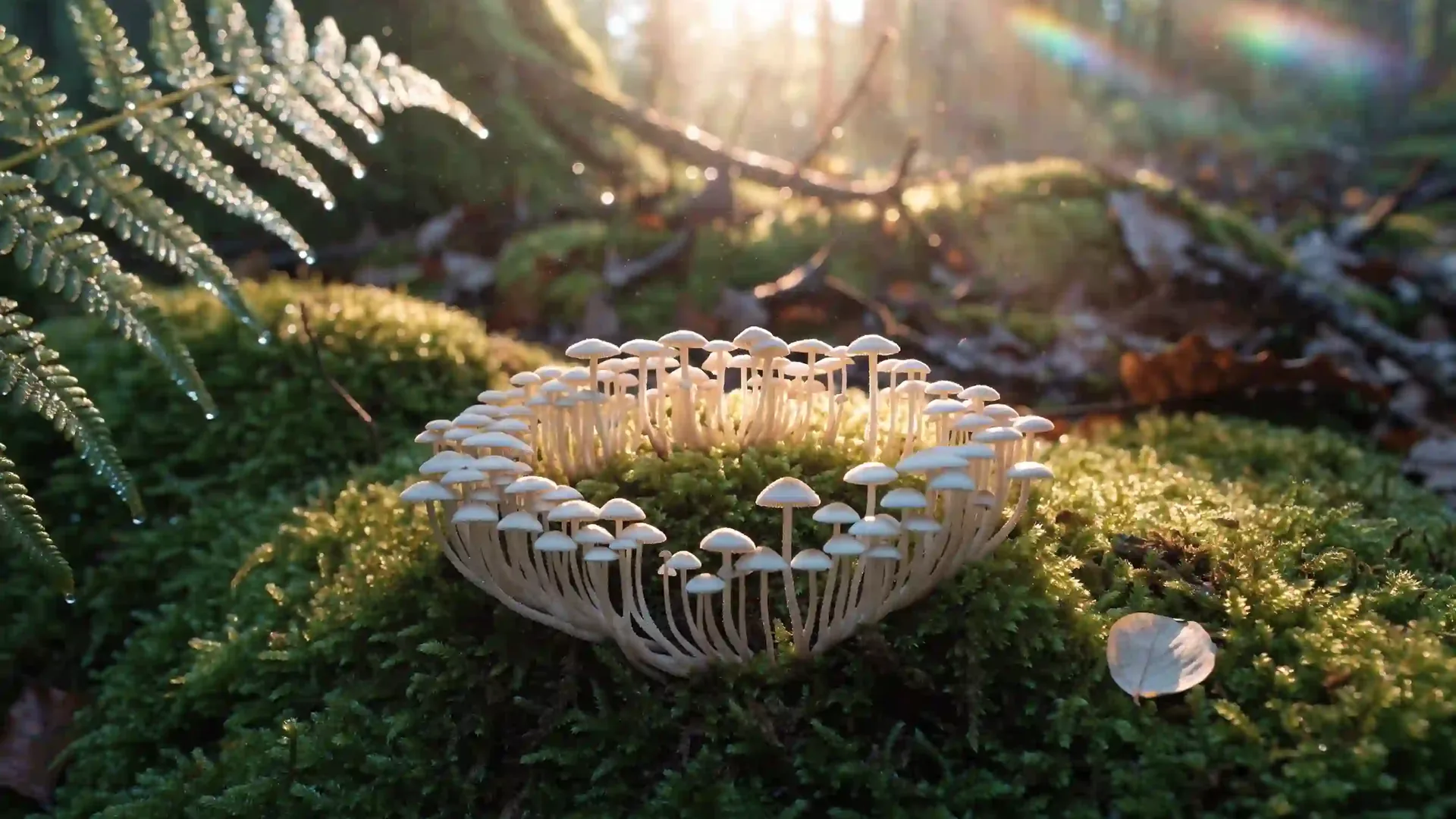
A fairycore still life: a ring of small pale mushrooms on deep green moss, a strand of dewdrops on a fern, a fallen petal like a tiny dress, misty golden forest light, faint iridescent shimmer in the air. No people.
What to take from Fairycore today
- Name the fabric: tulle, chiffon, lace.
- Set the scene in moss, ferns and mushrooms.
- Describe the light as dappled or misty.
- Add one small magical detail, not many.
Wanting the world to be stranger
The Cottingley photographs were not convincing because they were good; they were convincing because people wanted them to be true. Fairycore is honest about that wish: it is an aesthetic of choosing to see magic. In description, the punctum of a fairy image is usually one small impossible detail in an otherwise real place.
Questions about Fairycore
What is fairycore?
An internet aesthetic popular since around 2020 that draws on fairy folklore and nature: pastel sheer fabrics, wings, flower crowns, moss, mushrooms and soft forest light.
What is the difference between fairycore and cottagecore?
Cottagecore is about cosy rural home life; fairycore is about the magical forest beyond it, with wings, glitter and folklore.
What colours are fairycore?
Pastel greens, lilac, soft pink, cream and white, often with iridescent or glittering details.
Photograph a small patch of moss or a mushroom at ground level in soft light. Describe it as if a fairy lived there, using only real details you can see, plus one impossible one.
Sources and further reading
- Tate: Richard Dadd, The Fairy Feller's Master-Stroke.
- Cicely Mary Barker, Flower Fairies of the Spring, Blackie, 1923.
- Leeds University Library: Cottingley Fairies collection.
- Aesthetics Wiki (fan-run catalogue): Fairycore entry.