An old dream with a new name
Cottagecore is an internet aesthetic that took shape on Tumblr around 2017 and 2018 and spread widely in 2020, when lockdowns kept people indoors and images of gardens, baking and quiet country life felt like an escape. It celebrates simplicity, handwork, nature and self-sufficiency, usually seen through a soft, nostalgic filter.
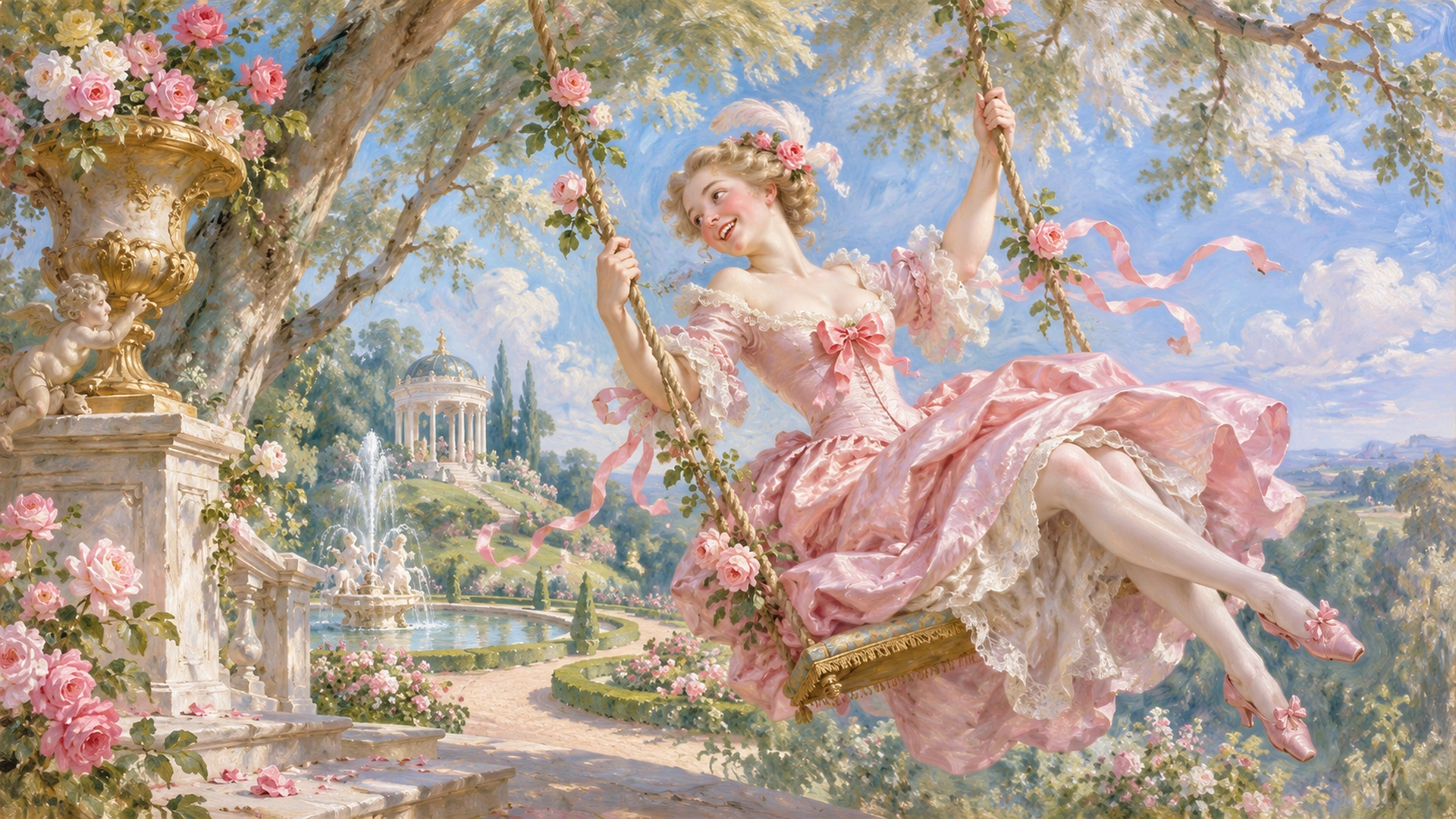
The dream itself is ancient. Greek and Roman pastoral poetry, from Theocritus to Virgil's Eclogues, idealised shepherds' lives; in the 1780s Marie Antoinette had a rustic hamlet built at Versailles to play at farm life. Cottagecore belongs to that pastoral tradition, along with the Arts and Crafts movement's love of handmade things. Like the pastoral, it is a fantasy of the countryside more than a record of rural work, and it is worth knowing that.
Visual anatomy of Cottagecore
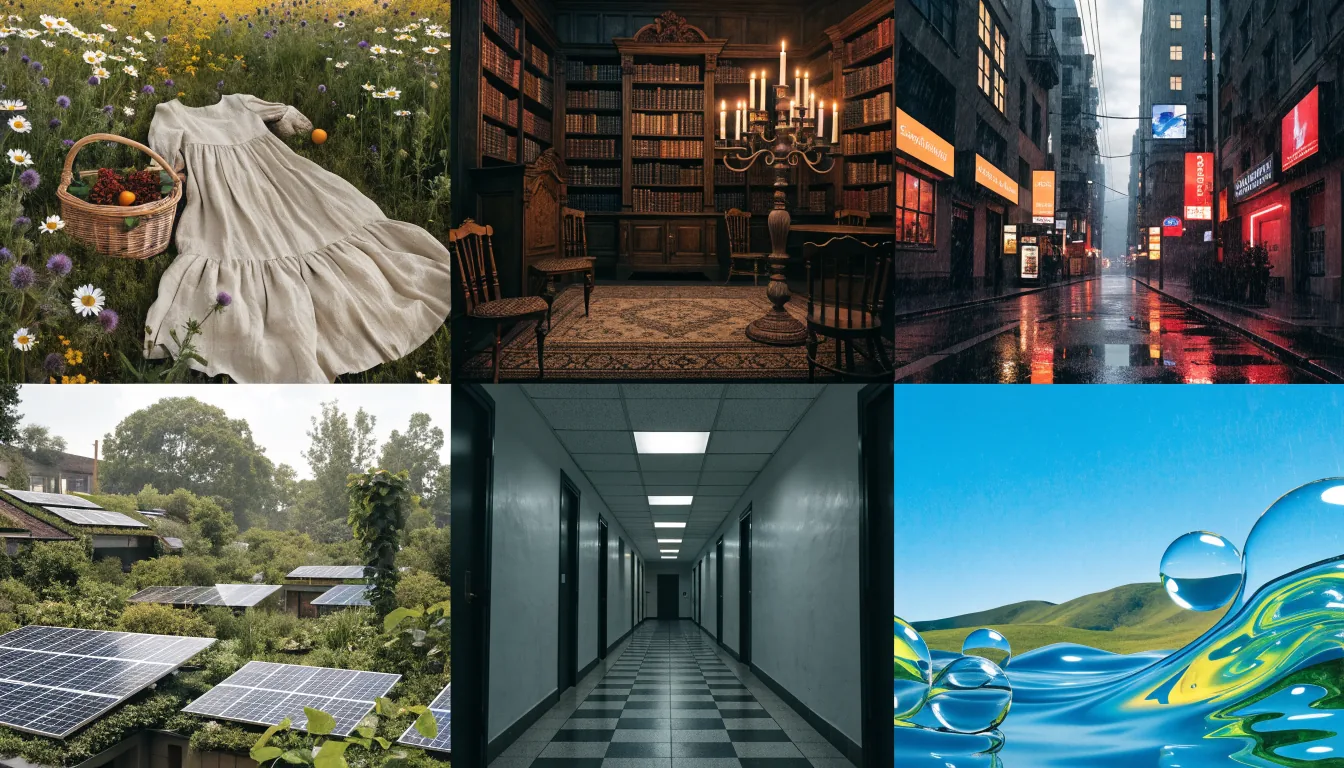
Prairie and milkmaid dresses, puff sleeves, aprons, linen, knitwear, straw hats.
Wildflowers in jars, fresh bread, jam, teapots, baskets, embroidery, old books.
Stone cottages, kitchen gardens, meadows, orchards, woodland edges.
Mushrooms, bees, hens, berries, herbs drying in bunches.
Cream, sage, butter yellow, faded rose, wheat, soft brown.
Soft, warm afternoon light; hazy, slightly faded film tones.
Relatives
Its indoor cousin: libraries, tweed and candlelight instead of meadows.
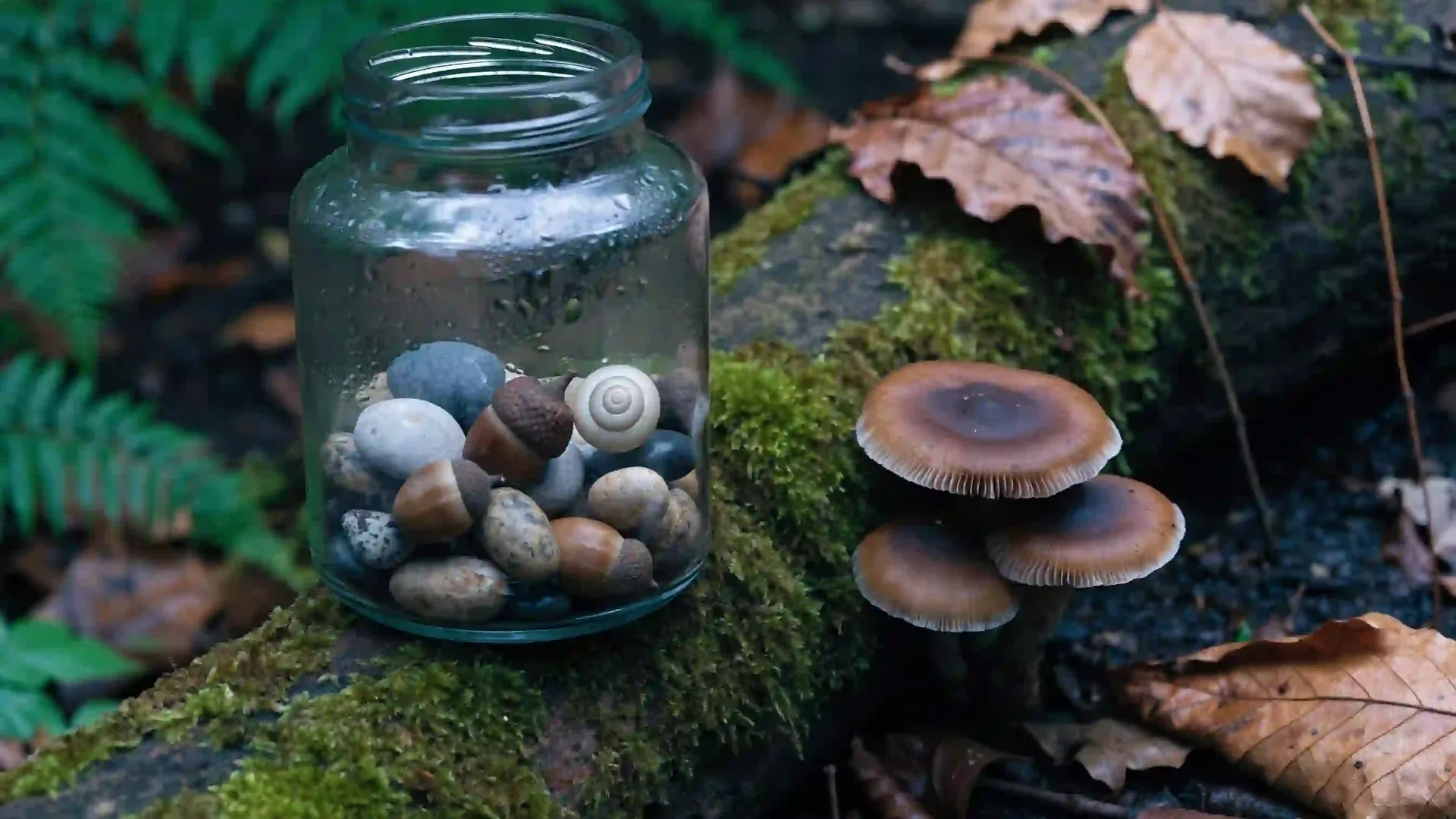
The muddier side: moss, mushrooms, frogs, found objects.
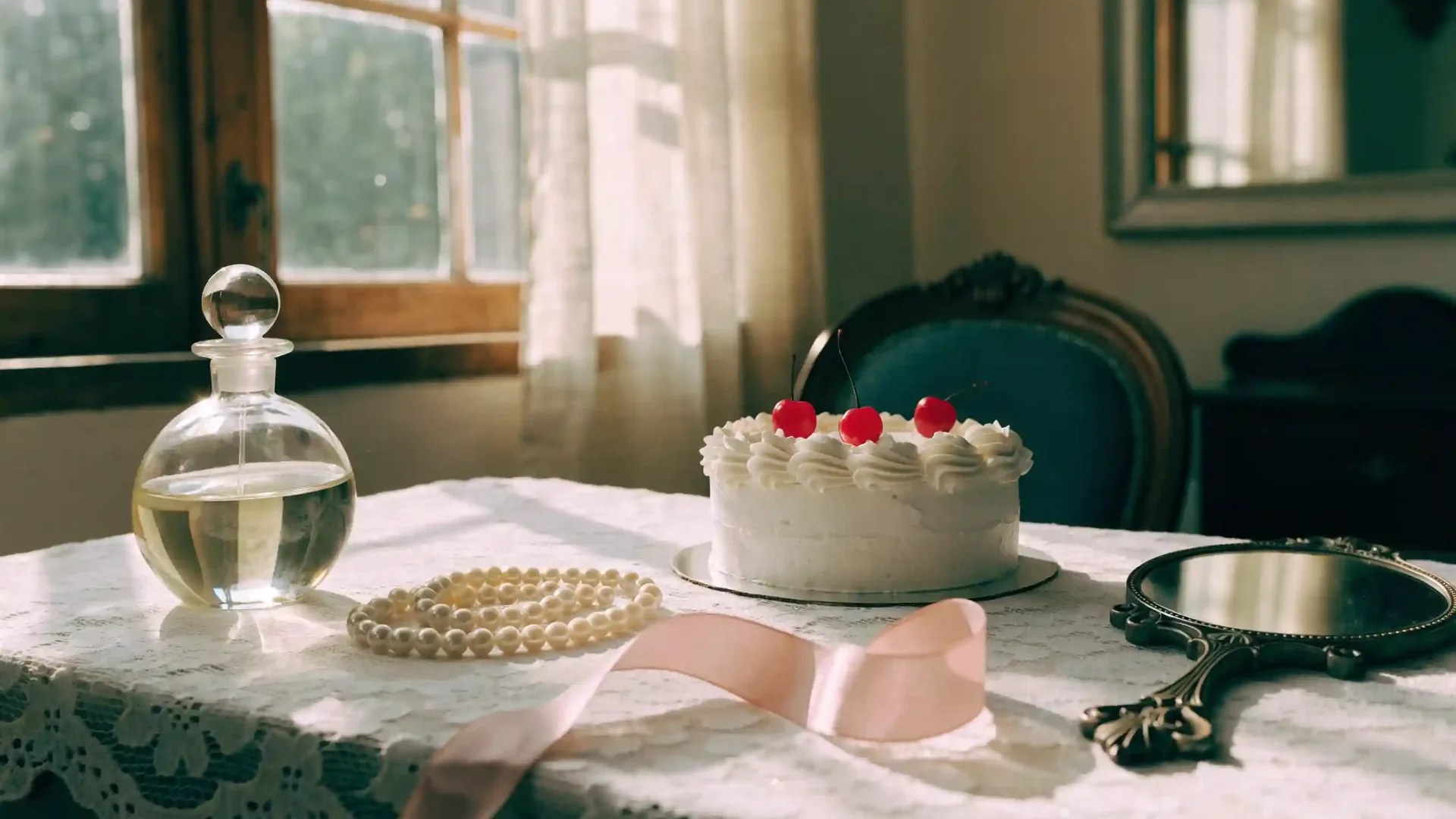
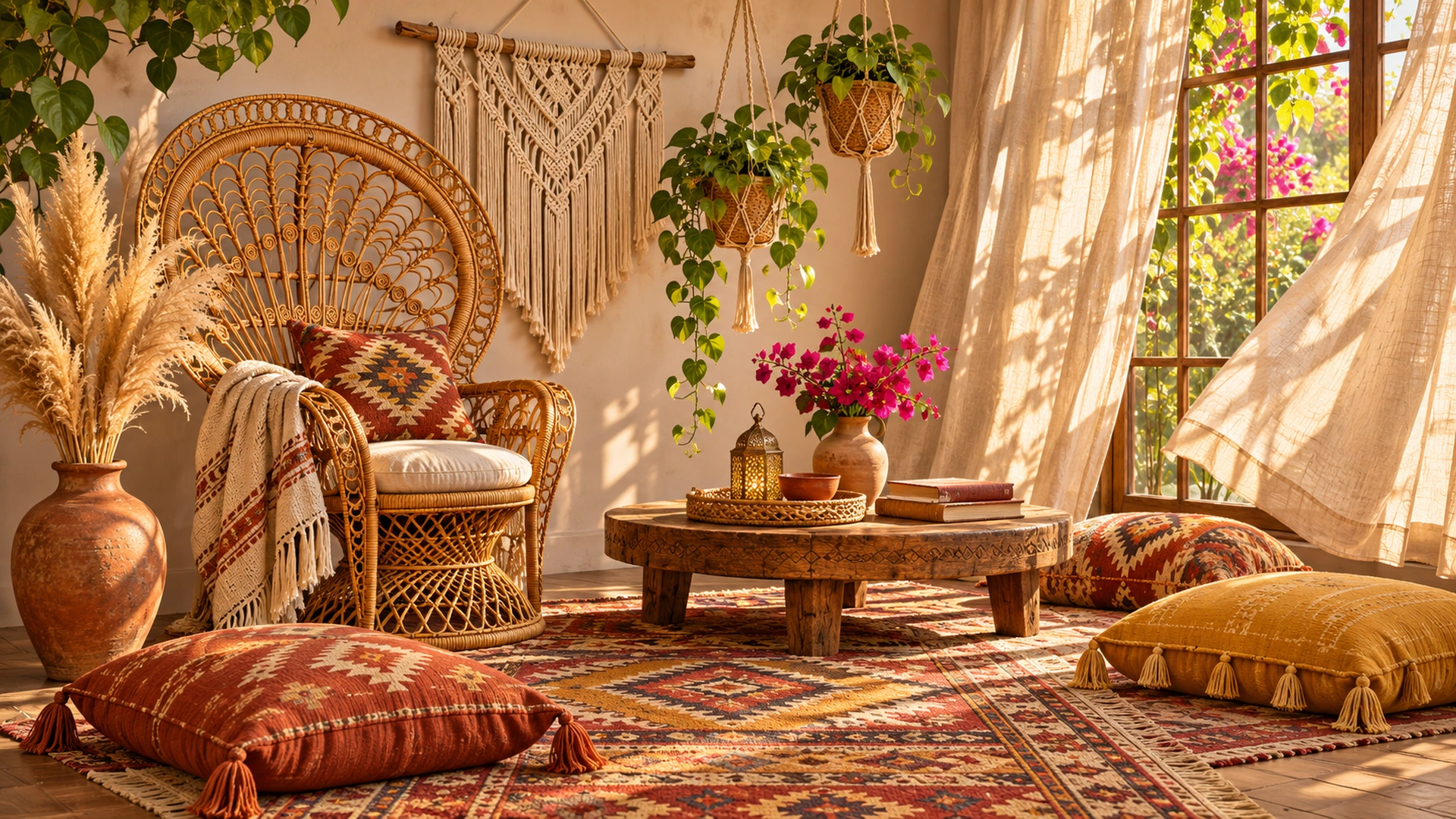
Granny chic in interiors: florals, chintz and needlepoint.
The literary and painting tradition cottagecore descends from.
How to recognize Cottagecore
- Handwork and homemade food in the frame.
- Flowing natural fabrics and floral prints.
- A small, cosy, rural place.
- Soft, warm, slightly faded light.
Where people get it wrong
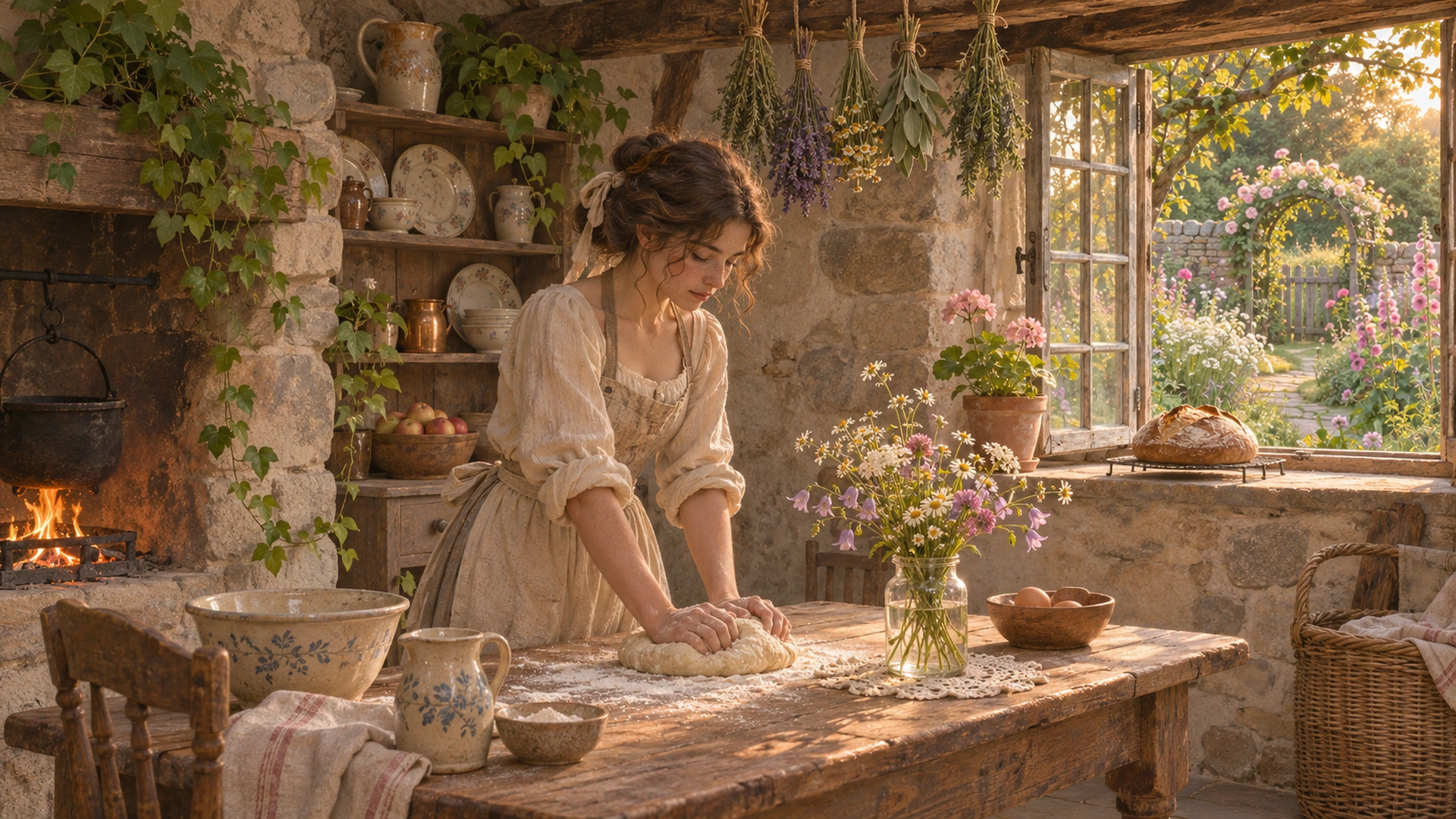
Making it a generic 'farmhouse' interior. Cottagecore is about activity and texture: hands kneading dough, flowers being picked, a dress with flour on it. A spotless showroom with a rustic sign on the wall misses the point.
Words to describe Cottagecore
Precise words for the qualities above. Combine a few of them instead of naming the style or artist alone.
- cottagecore
- prairie dress
- puff sleeves
- linen and lace
- wildflowers in a jar
- fresh bread
- kitchen garden
- stone cottage
- dried herbs
- soft afternoon light
- faded film tones
- pastoral
An original cottagecore study: a stone cottage kitchen in late afternoon, a young woman in a cream linen dress and apron kneading dough at a wooden table, wildflowers in a glass jar, herbs drying from a beam, a loaf cooling on the open windowsill, a garden glowing outside, soft warm light and faded colours.
What to take from Cottagecore today
- Show a handmade activity: baking, picking, sewing.
- Name the fabrics: linen, cotton lawn, wool.
- Fill the frame with small natural things.
- Use soft afternoon light and faded colour.
Questions about Cottagecore
What does cottagecore mean?
It is an aesthetic that romanticises simple rural life: gardening, baking, handcraft and nature, shown in soft, nostalgic images.
What is the difference between cottagecore and dark academia?
Cottagecore is outdoors, sunny and domestic. Dark academia is indoors, scholarly and moody: libraries, tweed and candlelight.
Describe a cottagecore morning in six lines without using the words 'cosy' or 'cottage'. Use only things that can be seen, touched or smelled.
Sources and further reading
- Theocritus, Idylls (3rd century BCE); Virgil, Eclogues (c. 39 BCE).
- Raymond Williams, The Country and the City (1973).