Beauty in what is worn
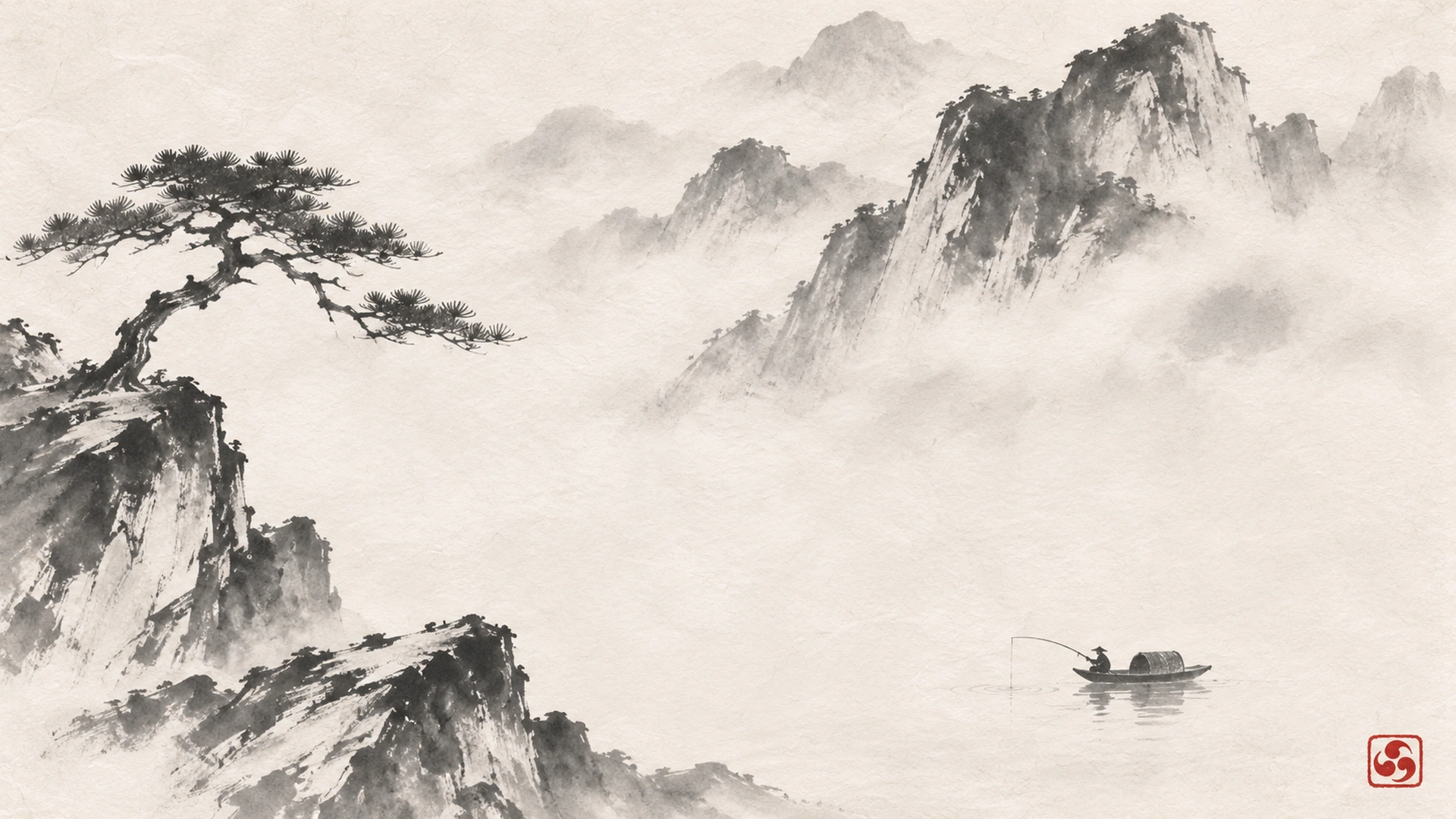
Wabi-sabi joins two Japanese words. Wabi once meant the loneliness of living far from society; it came to mean a quiet, rustic simplicity. Sabi meant to wither or rust; it came to mean the beauty that age and use bring to things. Together they describe an aesthetic that finds beauty in what is imperfect, impermanent and incomplete, rooted in Zen Buddhist ideas of transience.
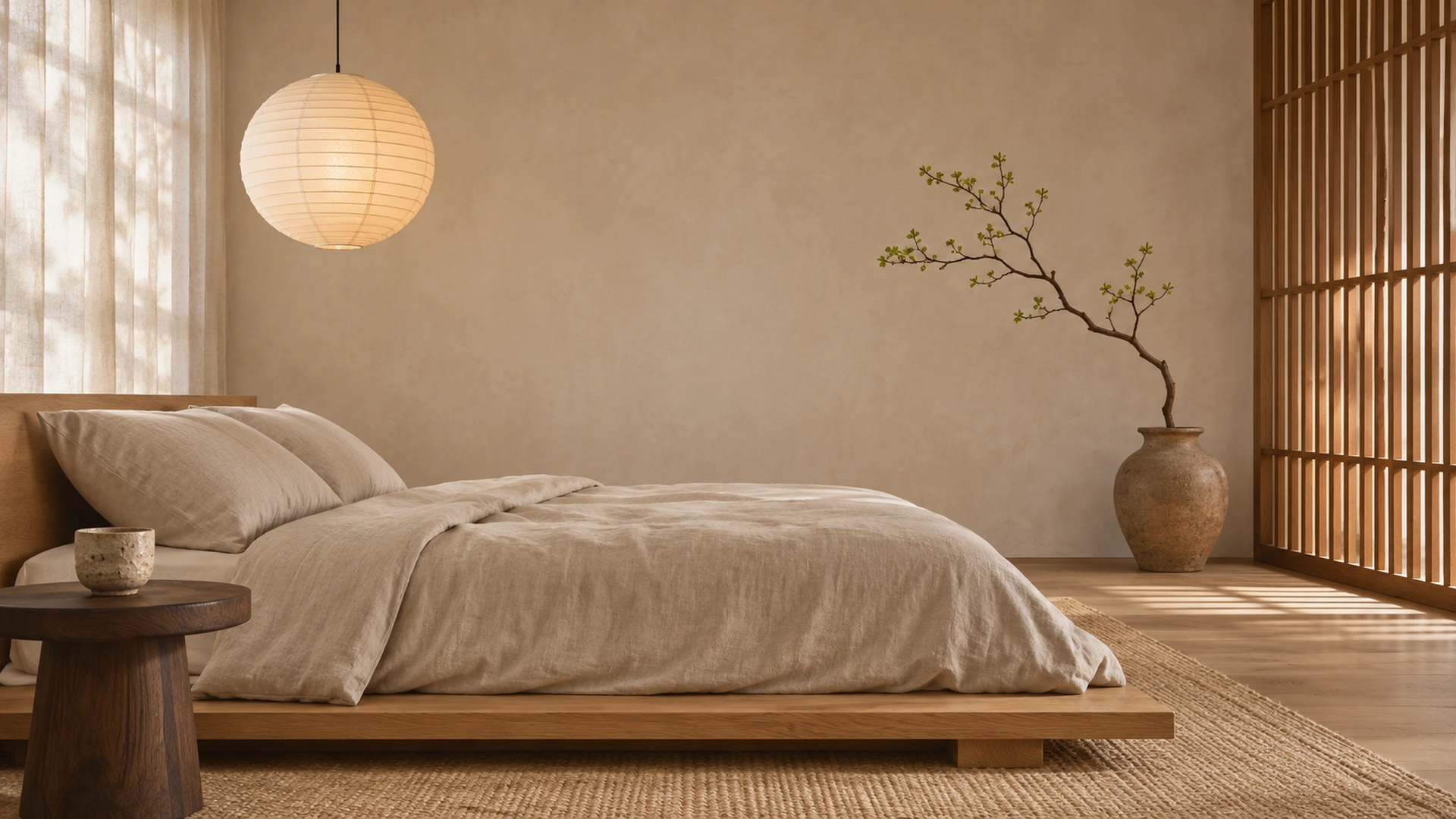
It took visible form in the tea ceremony of the fifteenth and sixteenth centuries. Tea masters such as Murata Jukō and later Sen no Rikyū turned away from perfect imported Chinese porcelain toward rough local bowls, small thatched tea rooms and bare materials. In 1933 the novelist Jun'ichirō Tanizaki praised dim rooms, lacquer and patina in In Praise of Shadows; in 1994 Leonard Koren's short book introduced wabi-sabi to Western designers, who often reduce it to a beige interior style. The idea is larger: an attitude toward time, wear and modesty.
Visual anatomy of Wabi-Sabi
Irregular, asymmetrical, handmade; nothing perfectly straight or round.
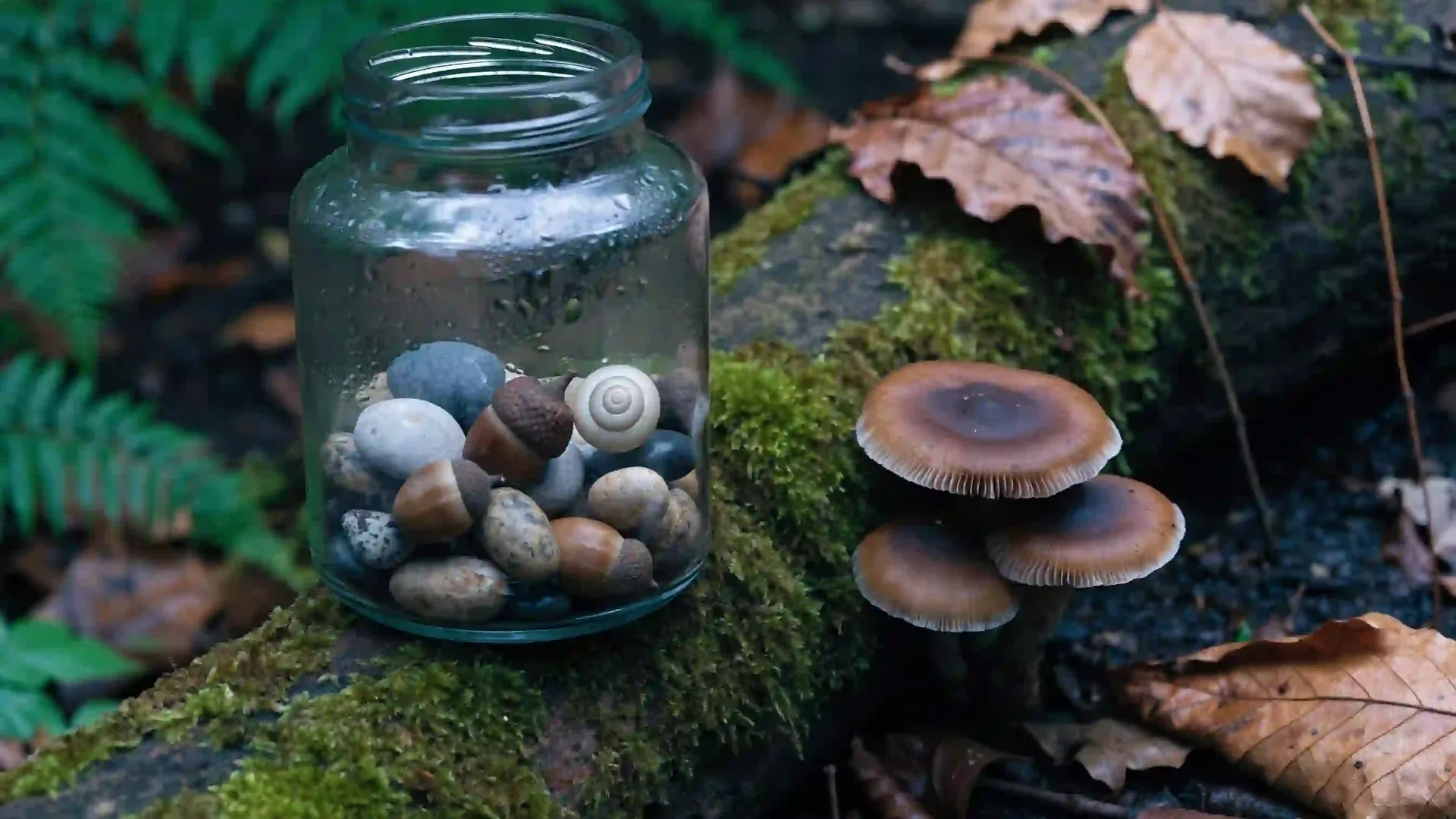
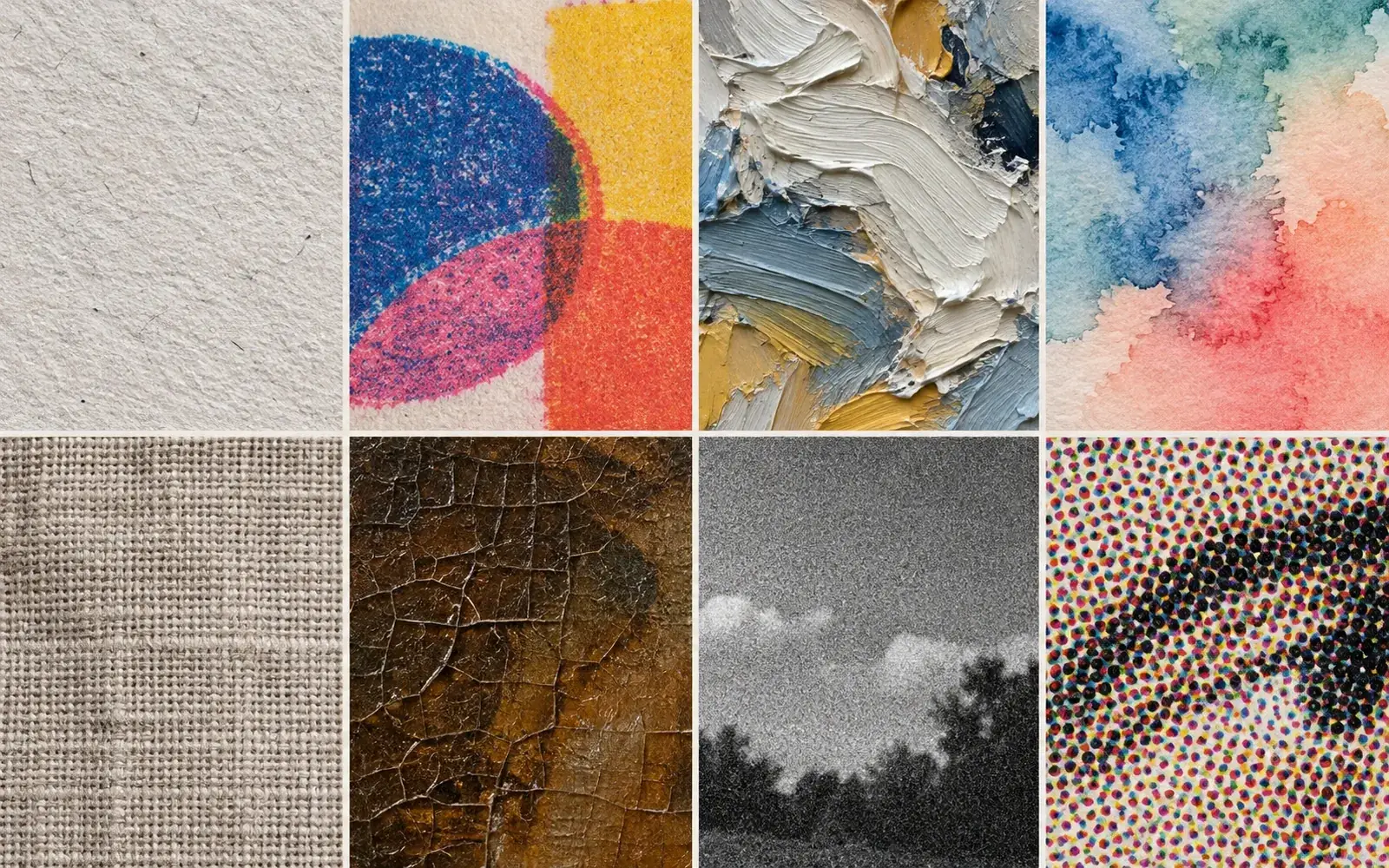
Rough, weathered, cracked, patinated; marks of time and use.
Clay, unpainted wood, stone, linen, paper, iron, moss.
Muted earth tones: ash, clay, rust, moss, charcoal, undyed cream.
Low, soft, partial; shadows as important as light.
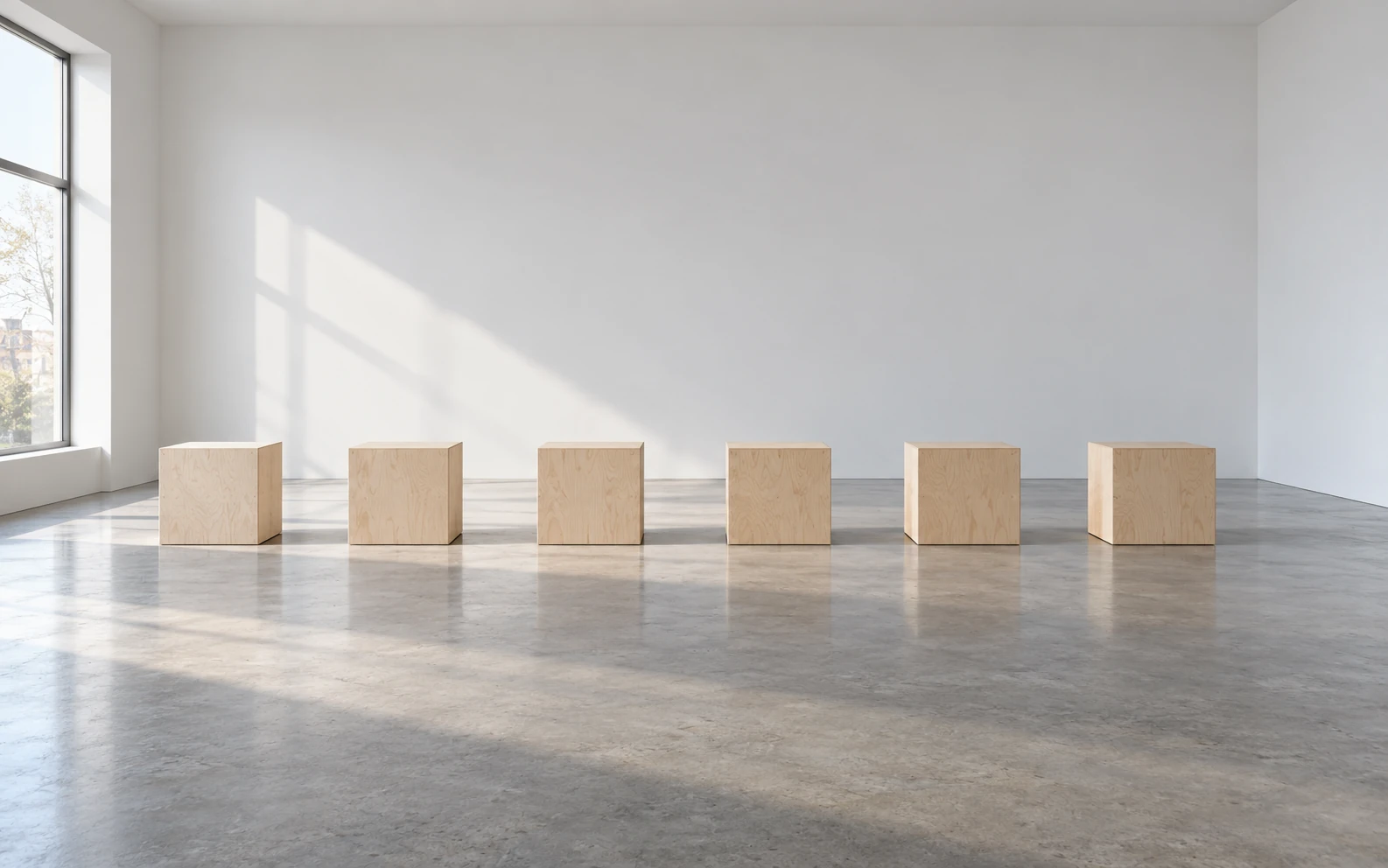
Sparse but not clinical; a few humble objects with room around them.
Key ideas
Rustic, quiet simplicity; contentment with little.
The beauty of age, wear and patina.
A gentle sadness at the passing of things.
Subtle, mysterious depth that is suggested rather than shown.
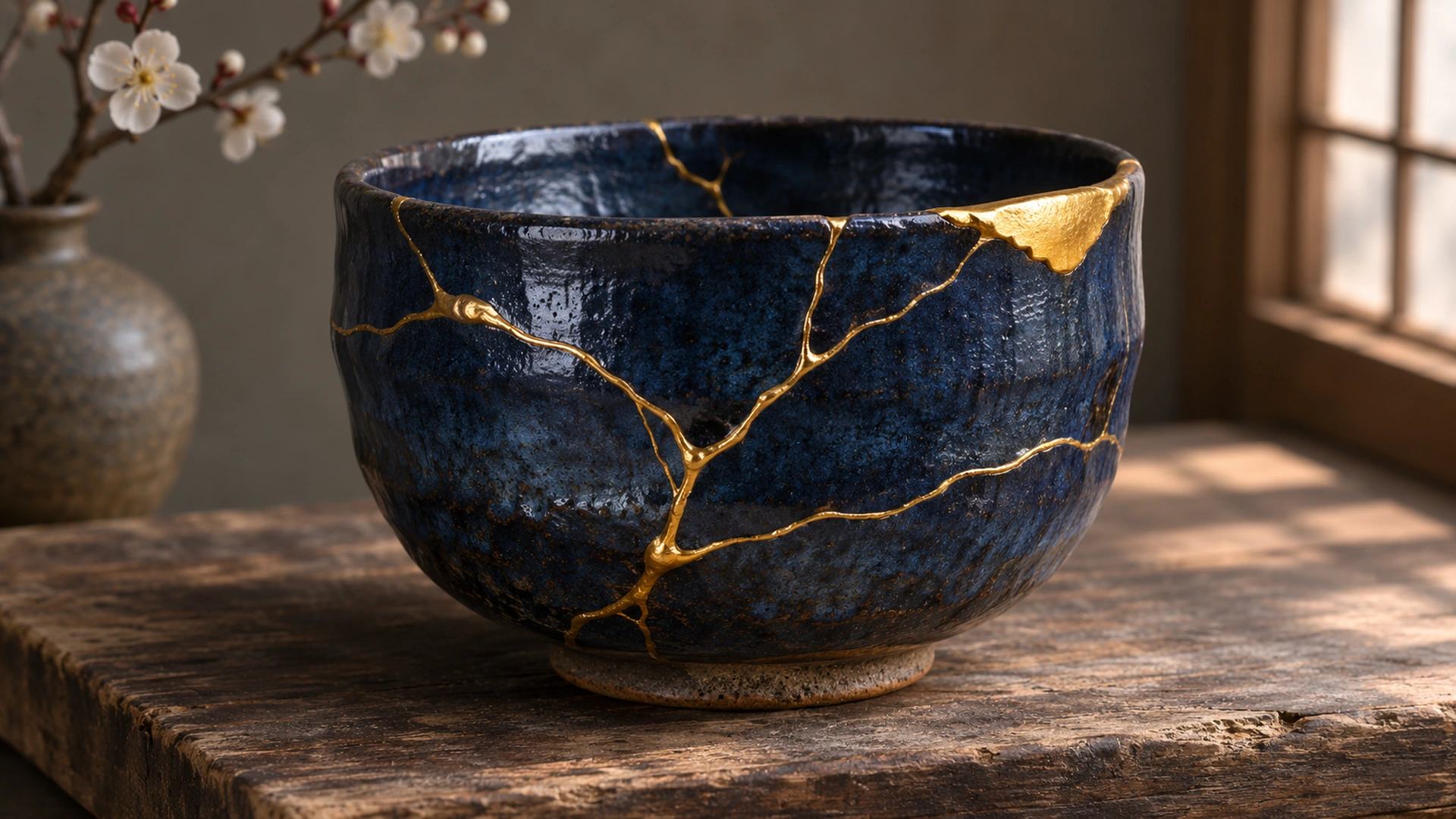
Hand-shaped tea bowls favoured by Sen no Rikyū, irregular and warm.
How to recognize Wabi-Sabi
- Handmade, uneven objects.
- Visible wear: cracks, rust, faded fabric, moss.
- Earthy, muted colour and soft low light.
- Few objects, unpolished, in a calm space.
Where people get it wrong
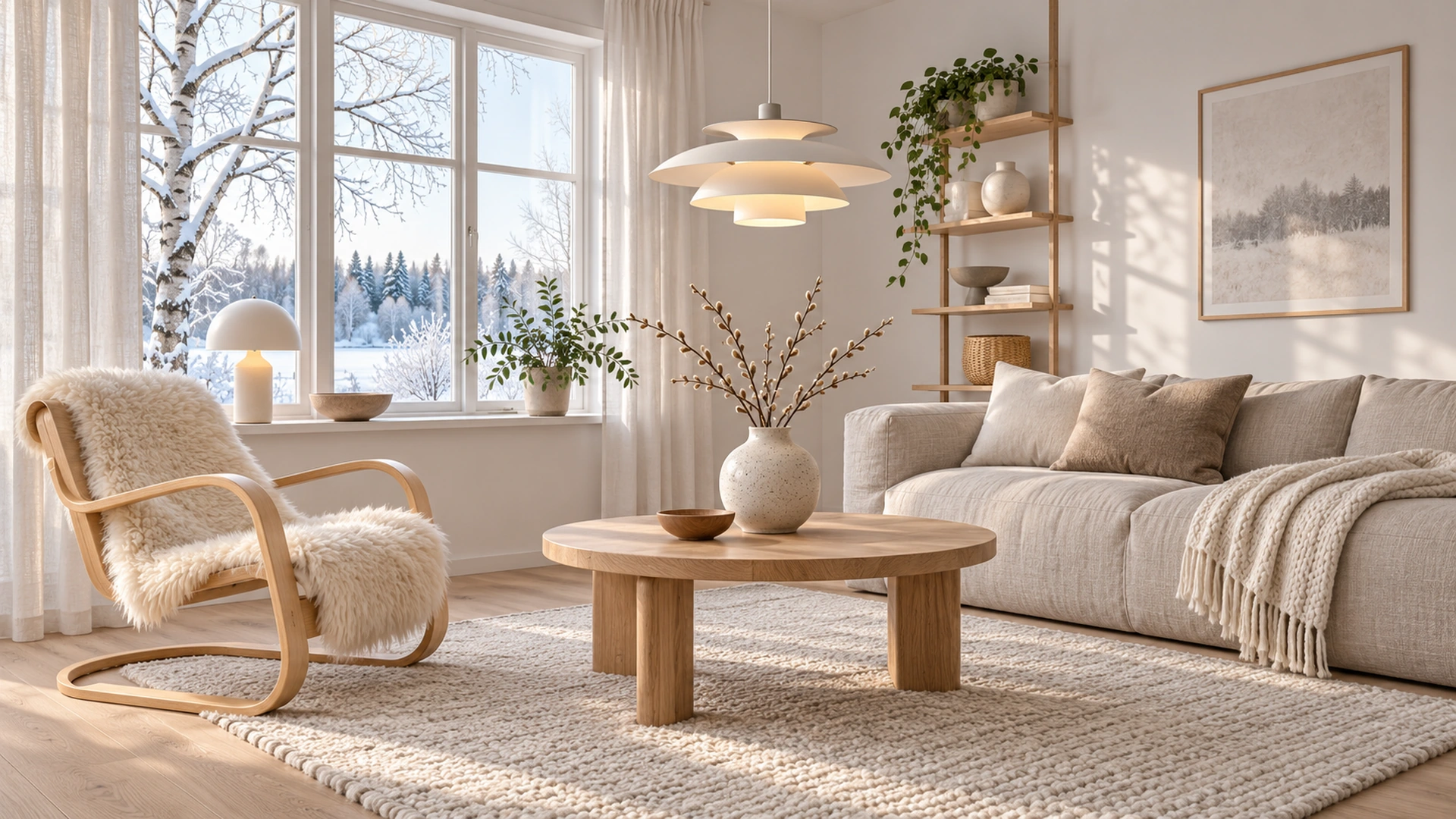
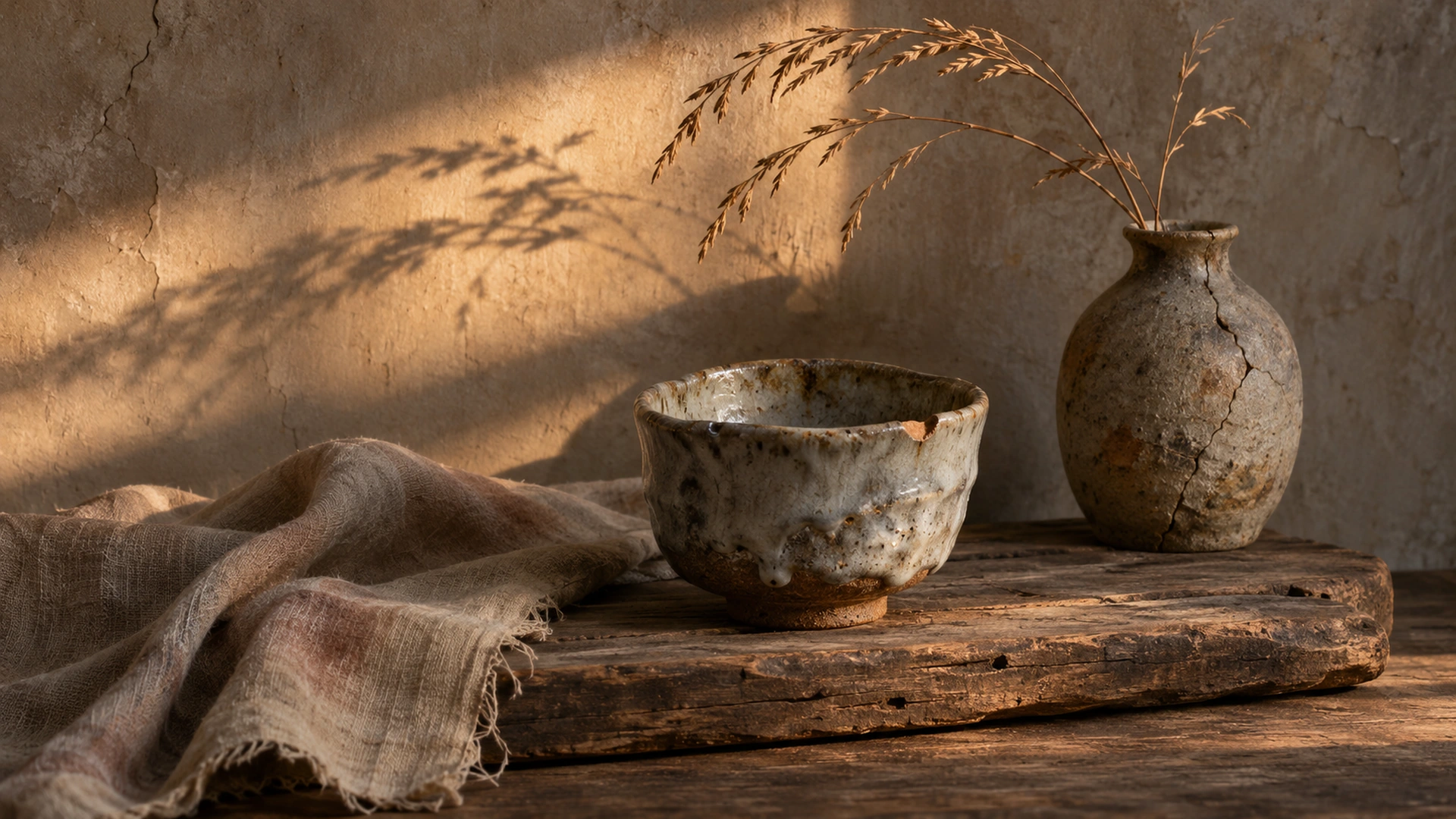
Treating wabi-sabi as minimalism in beige. Minimalism is about clean, perfect, often industrial surfaces; wabi-sabi is about organic, aged, imperfect ones. A spotless white room with one perfect vase is minimalist. The same room with a chipped clay bowl, a faded linen cloth and late light on a cracked plaster wall is closer to wabi-sabi.
Words to describe Wabi-Sabi
Precise words for the qualities above. Combine a few of them instead of naming the style or artist alone.
- wabi-sabi
- handmade irregular form
- chipped rim
- uneven glaze
- weathered wood
- patina
- raku tea bowl
- undyed linen
- moss on stone
- muted earth tones
- soft low light
- asymmetry
An original wabi-sabi still life: a handmade clay tea bowl with an uneven ash glaze and a small chip on the rim, on a weathered wooden board, a sprig of dried grass in a cracked stoneware vase, a faded linen cloth, late afternoon light falling low across a rough plaster wall, deep soft shadows.
What to take from Wabi-Sabi today
- Name the imperfection: chipped rim, uneven glaze, weathered grain.
- Use natural, humble materials.
- Ask for soft, low, partial light and real shadow.
- Keep the space sparse but lived in.
Questions about Wabi-Sabi
What does wabi-sabi mean?
A Japanese aesthetic of beauty in imperfection, impermanence and simplicity. Wabi is rustic quiet; sabi is the beauty of age and wear.
What is the difference between wabi-sabi and minimalism?
Both are sparse, but minimalism prefers clean, perfect and often industrial surfaces, while wabi-sabi prefers natural, aged and imperfect ones.
Choose one old object you own: a mug, a book, a wooden spoon. Describe it in five lines, only through its signs of age and use. Then describe the light you would show it in.
Sources and further reading
- Jun'ichirō Tanizaki, In Praise of Shadows (1933).
- Leonard Koren, Wabi-Sabi for Artists, Designers, Poets & Philosophers (1994).