From the cathedral outward
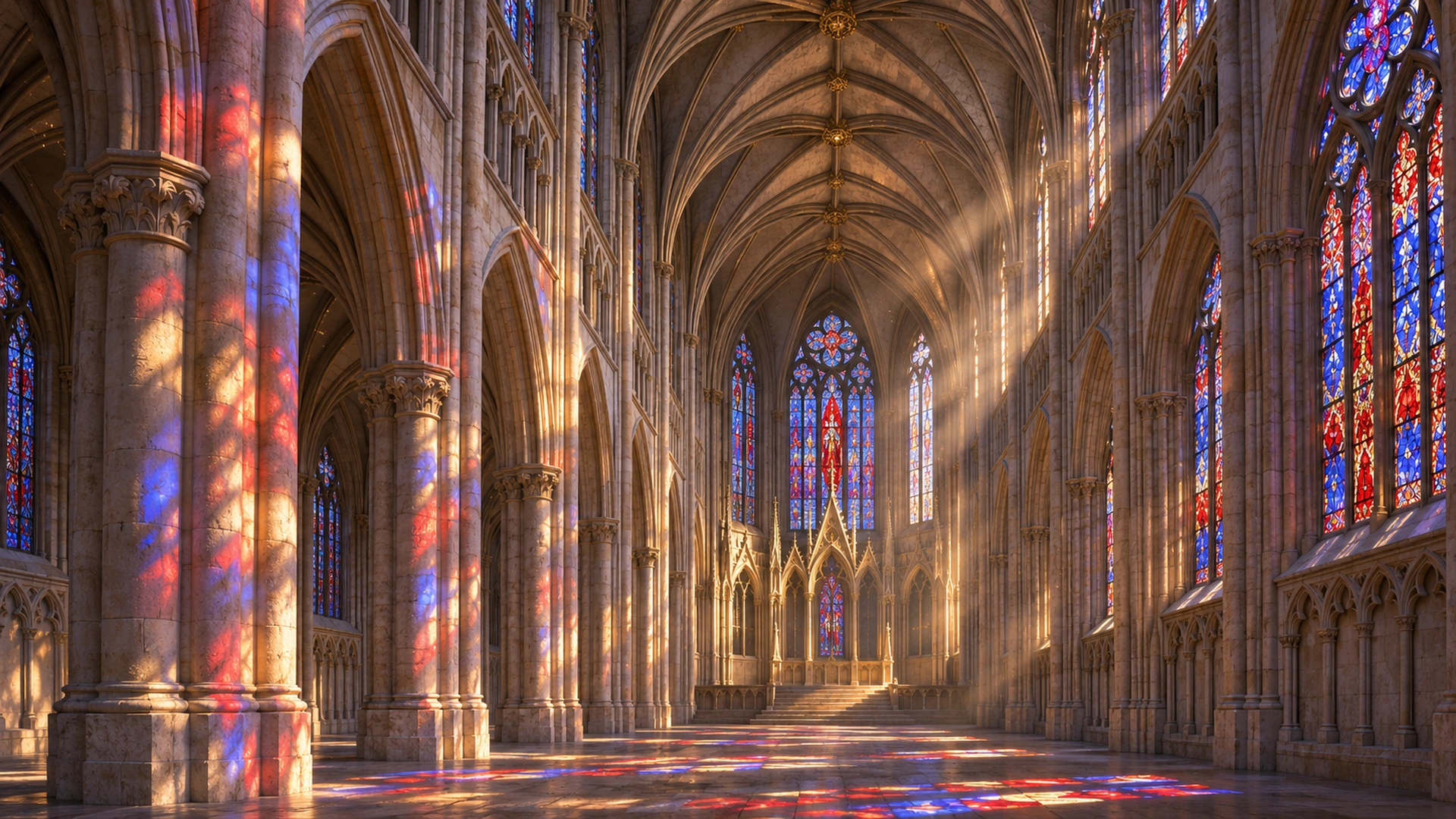
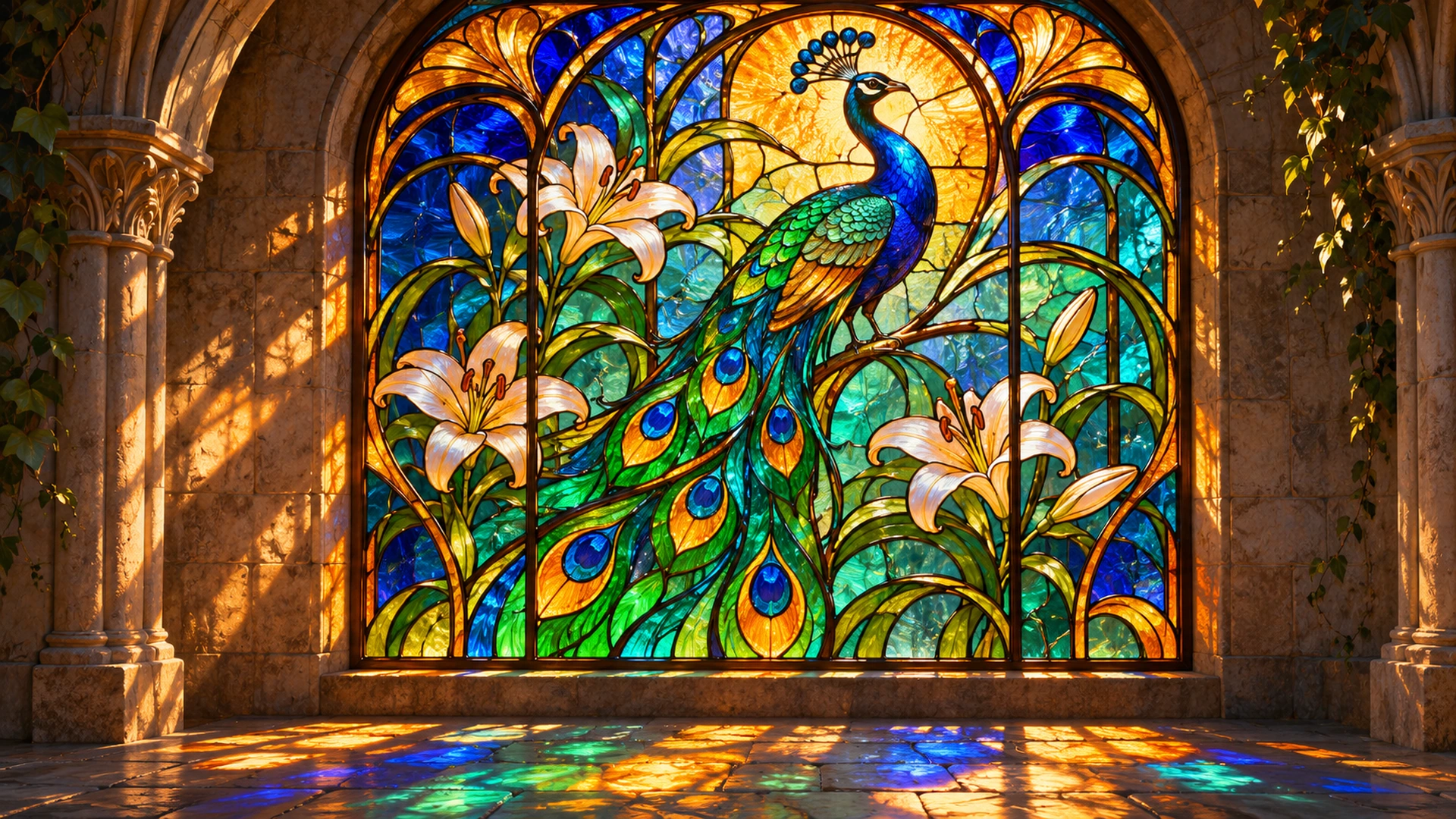
Gothic art was born with Gothic architecture around 1140 at the abbey of Saint-Denis near Paris, where Abbot Suger wanted a church filled with 'wonderful and uninterrupted light'. As walls opened up, stained glass became the great picture medium of the age, at Chartres, Sainte-Chapelle and Canterbury. Sculpture moved onto the portals, figures stepping slowly out of the columns.
Painting flourished in illuminated manuscripts, books of hours and psalters, decorated with gold leaf, bright mineral blues and margins full of grotesques. In Italy, Cimabue, Giotto, Duccio and Simone Martini painted gold-ground altarpieces in egg tempera, and Giotto began giving figures real weight and feeling.
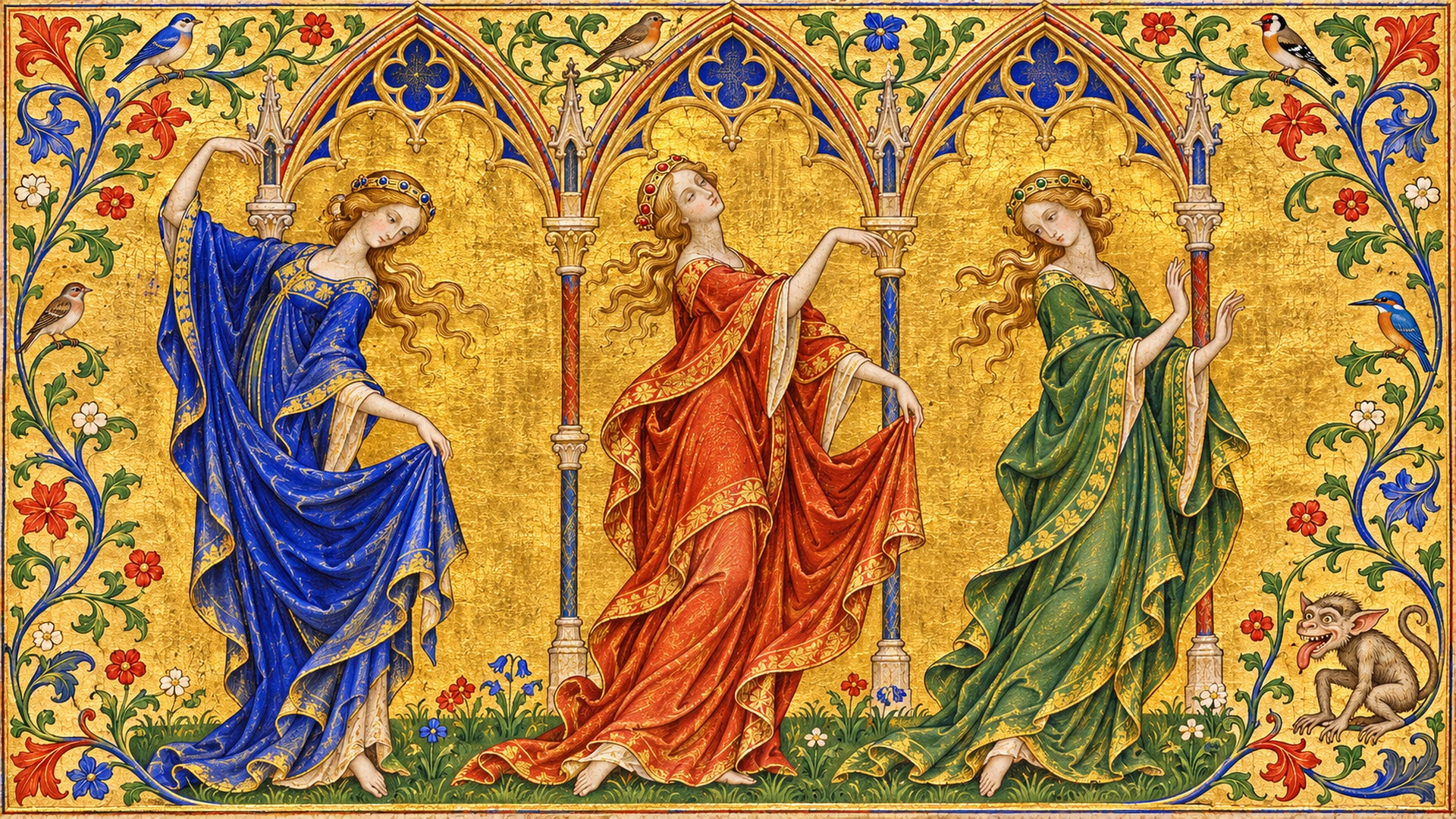
Around 1400 the courtly International Gothic style spread across Europe: slender figures in flowing robes, rich patterns and fairy-tale detail, at its height in the Limbourg brothers' Très Riches Heures. The word 'Gothic' itself was an insult invented in the Renaissance, meaning barbaric. It became a term of praise only in the 18th and 19th centuries.
Visual anatomy of Gothic Art
Coloured light through glass; in painting, gold leaf grounds that shine instead of a sky.
Tall, slender, gently swaying in an S-curve, with small heads and long hands.
Long, flowing robes in deep, cascading folds.
Ultramarine, vermilion, emerald green and gold, flat and jewel-like.
Shallow and symbolic: size shows importance, architecture frames each scene like a shrine.
Pointed arches, tracery, vines, gilded borders, and grotesques and drôleries in the margins.
Words around Gothic art
A handwritten book decorated with gold, silver and colour.
A personal prayer book, often lavishly illuminated, for lay readers.
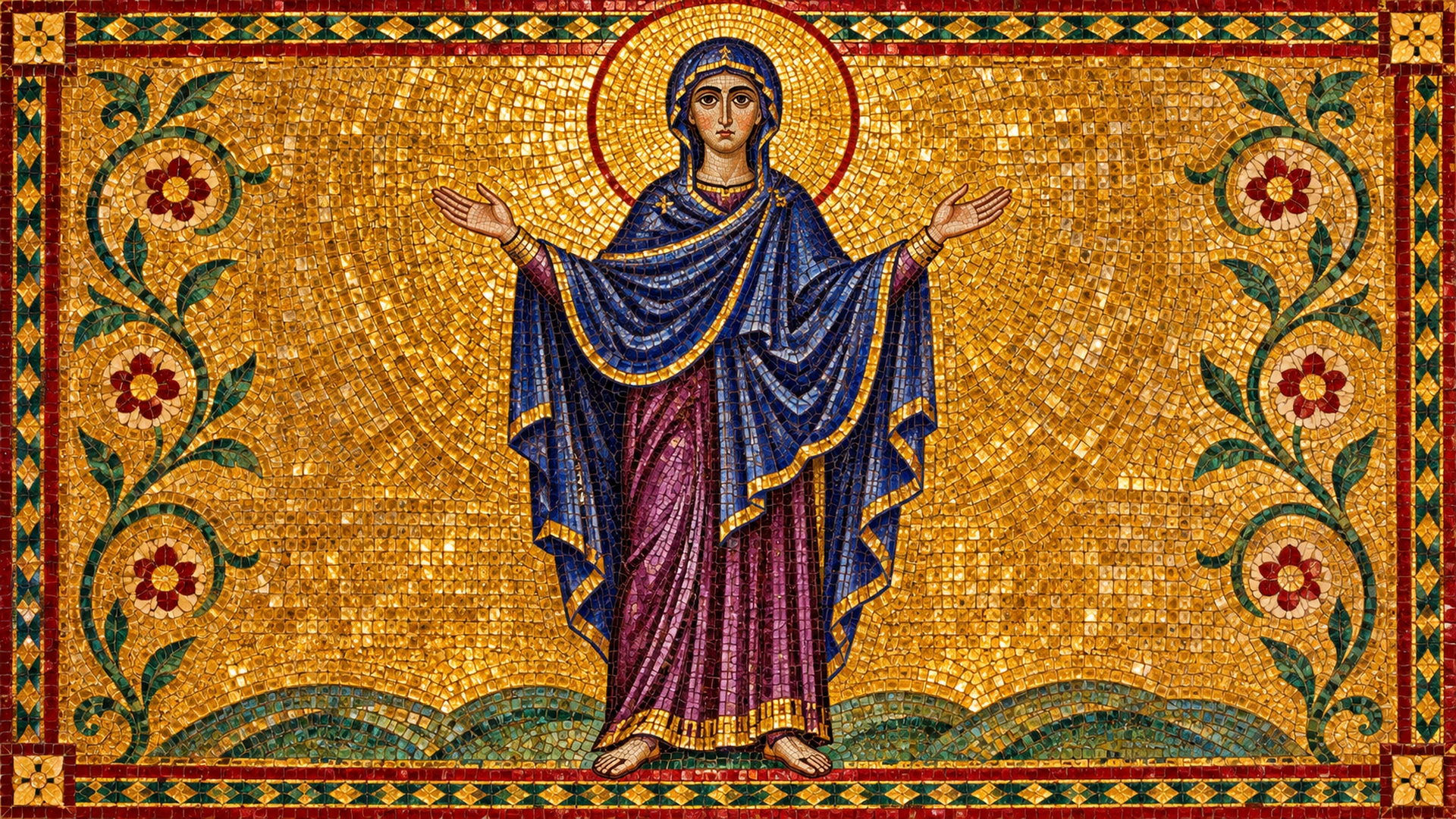
A background of gold leaf instead of a landscape or sky.
The elegant courtly style that spread across Europe around 1380–1450.
How to recognize Gothic Art
- A gold background instead of a sky.
- Tall, slender figures in long flowing robes with a gentle sway.
- Pointed arches and tracery framing the scene.
- Jewel colours: deep blue, red, green and gold.
- Flat, shallow space where size shows importance.
Where people get it wrong
'Gothic' in art history has little to do with the goth subculture or gothic horror novels; those borrowed the word much later. Gothic art is about light, colour and devotion, often bright and joyful. It is also not 'primitive' art that failed at perspective: its flat gold space was a deliberate way to show a sacred world.
Words to describe Gothic Art
Precise words for the qualities above. Combine a few of them instead of naming the style or artist alone.
- gold leaf ground
- stained glass light
- pointed arch
- tracery
- illuminated manuscript
- ultramarine and vermilion
- slender swaying figure
- cascading drapery
- International Gothic
- marginal grotesques
- egg tempera
- devotional
A small illuminated manuscript page: a slender figure in a deep ultramarine robe with cascading folds stands under a pointed Gothic arch, a flat burnished gold background behind her, a border of curling vines, tiny birds and one strange grotesque creature, painted in egg tempera with crisp outlines.
What to take from Gothic Art today
- Replace a sky with a flat field of gold or one colour.
- Let a frame of arches or a border become part of the image.
- Give figures a slow S-curve and long hands.
- Hide small strange creatures in the margins.
Questions about Gothic Art
What is the difference between Gothic and Romanesque art?
Romanesque art (c. 1000–1150) is heavier, with thick walls, round arches and stiff, frontal figures. Gothic art brings pointed arches, huge windows, more light and slender, more natural, swaying figures.
Is Gothic art the same as goth aesthetics?
No. Gothic art is medieval European art from about 1140 to 1500. The goth aesthetic of the 1980s took its name, darkness and some of its imagery from 19th-century gothic novels and Gothic Revival, not from the luminous medieval works.
Who are famous Gothic artists?
Most cathedral glaziers and sculptors are anonymous. Named painters include Cimabue, Giotto, Duccio, Simone Martini, Jean Pucelle and the Limbourg brothers.
Find one page of the Très Riches Heures online. Describe the main scene in two sentences, then describe only the margin or border in two more. Which part tells you more about the world it came from?
Sources and further reading
- The Met Cloisters, New York: Gothic collection.
- Musée de Cluny, Paris.
- Musée Condé, Chantilly: Très Riches Heures du Duc de Berry.
- Michael Camille, Image on the Edge: The Margins of Medieval Art, Reaktion, 1992.