A new way of framing
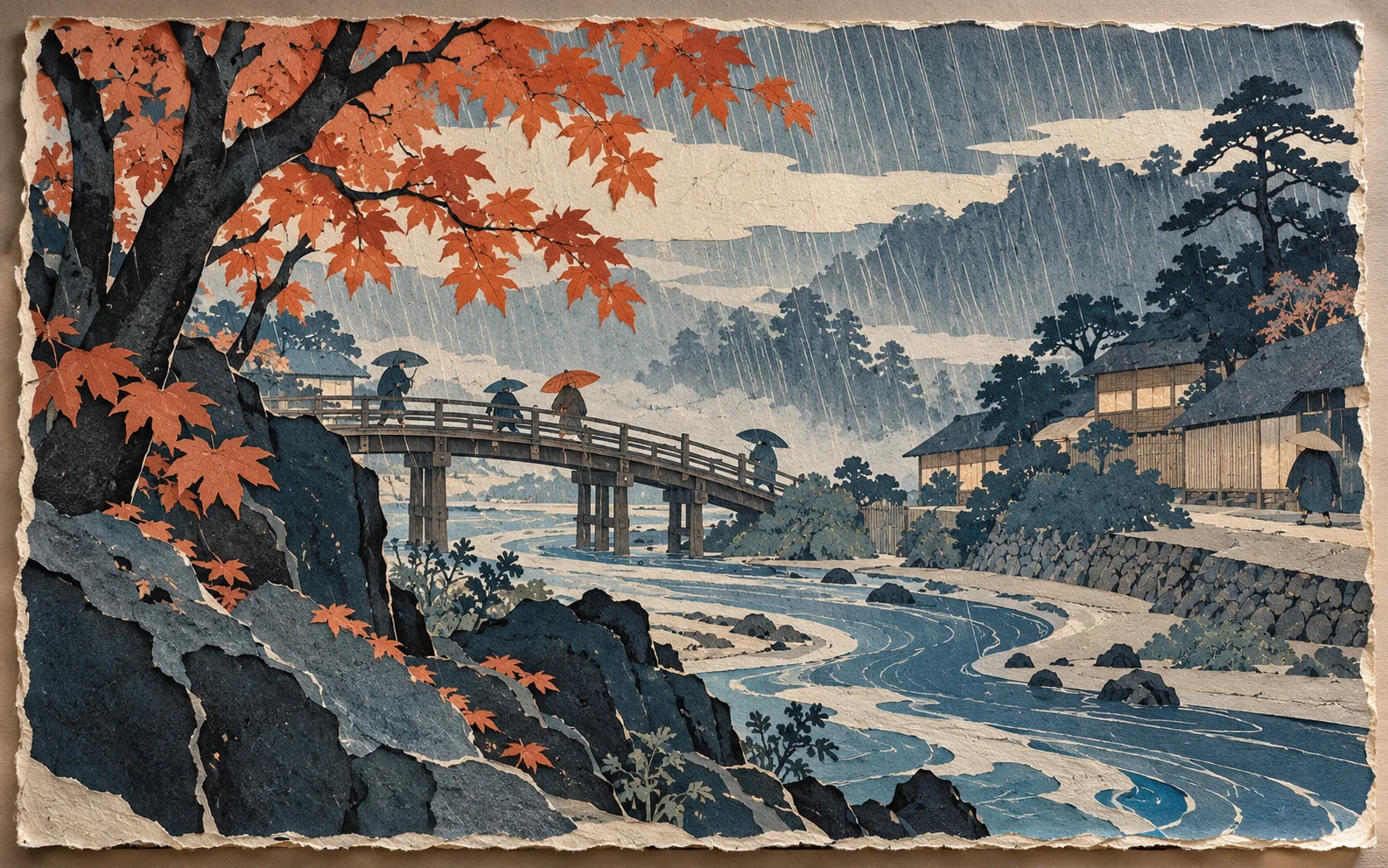
After Japan opened to Western trade in the 1850s, Japanese art reached Europe in large quantities, and Japanese displays at the 1867 Paris Exposition Universelle drew great interest. The French critic Philippe Burty used the word 'Japonisme' in 1872 for the craze. Dealers such as Siegfried Bing, who published the magazine Le Japon artistique (1888–91), spread it further.
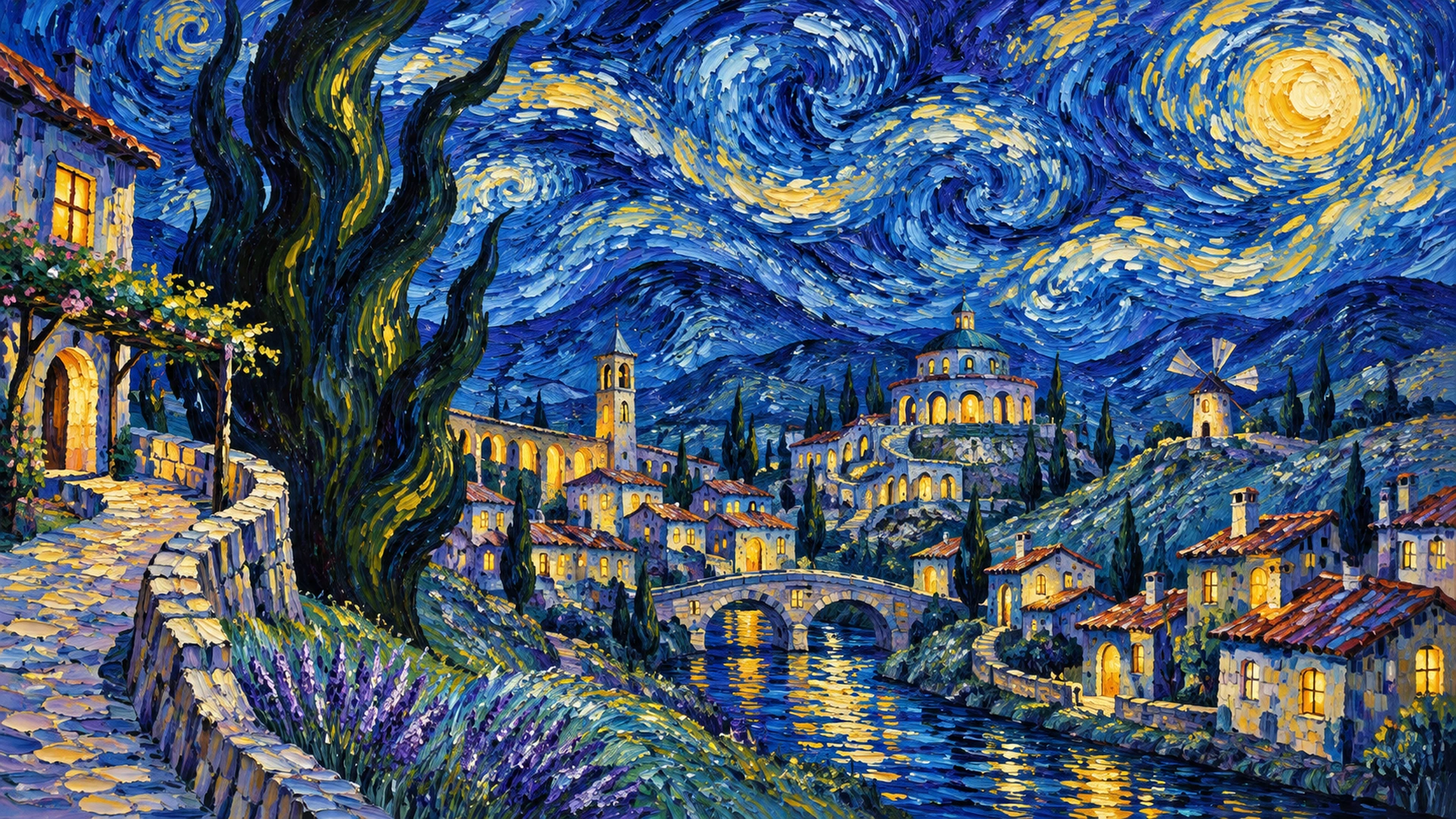
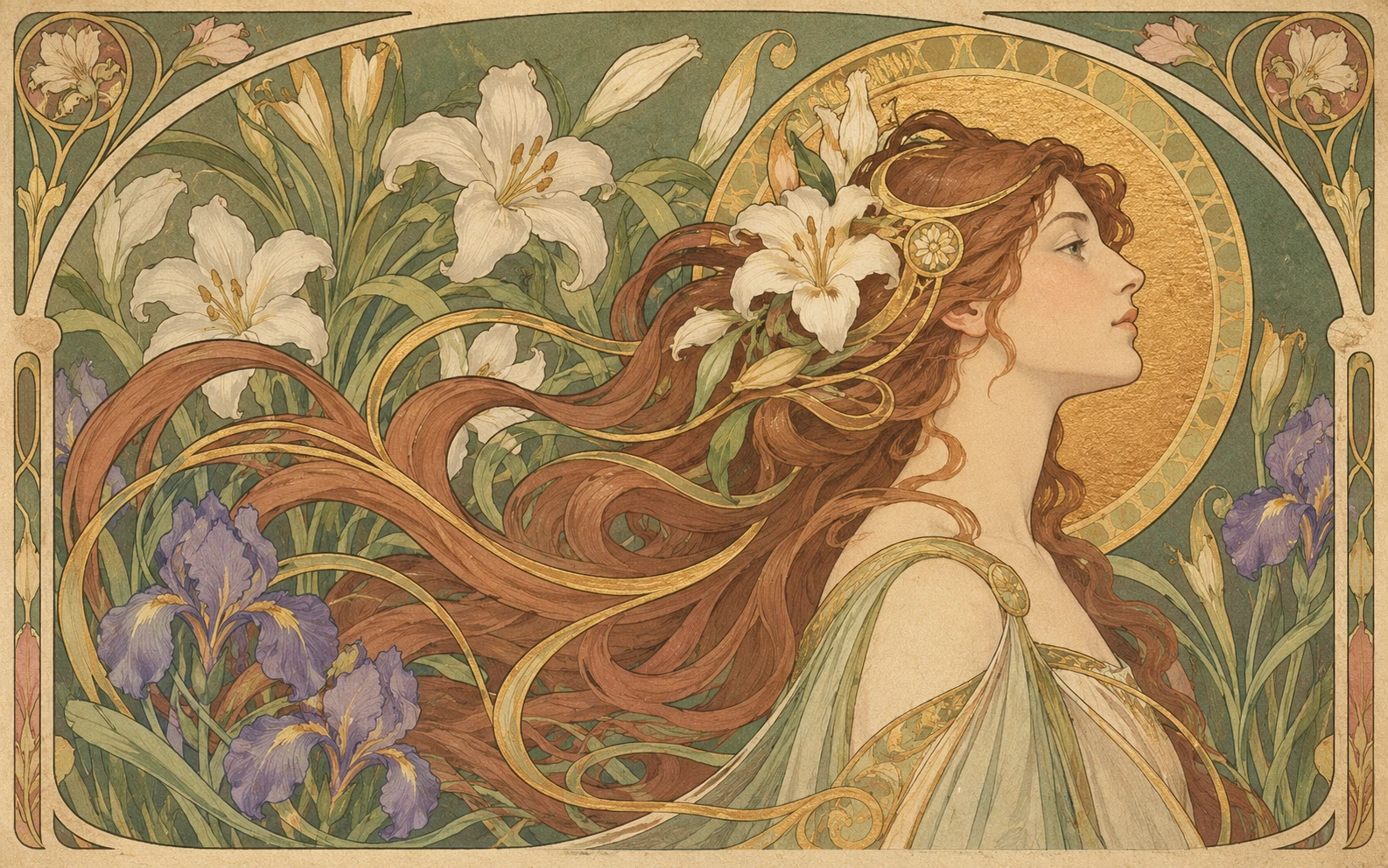
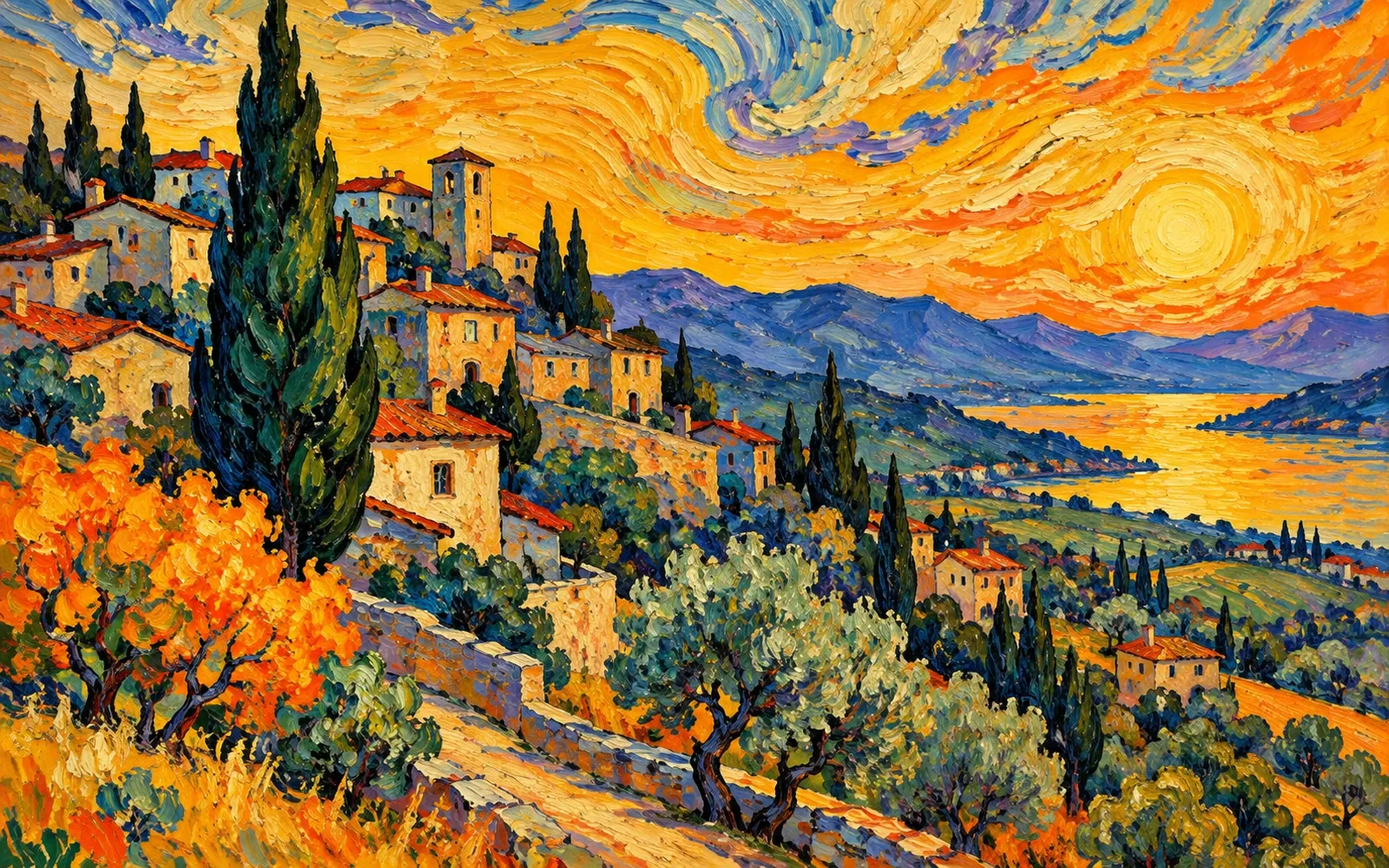
Artists collected ukiyo-e prints and borrowed from them. Vincent van Gogh copied Hiroshige's Plum Park in Kameido as Flowering Plum Orchard (1887); Claude Monet painted his wife in a kimono in La Japonaise (1876) and built a Japanese-style bridge at Giverny; Whistler, Degas, Toulouse-Lautrec and Mary Cassatt, whose colour prints of 1890–91 respond to Utamaro, all learned from Japanese composition. Art Nouveau's flat, flowing line owes much to it.
Visual anatomy of Japonisme
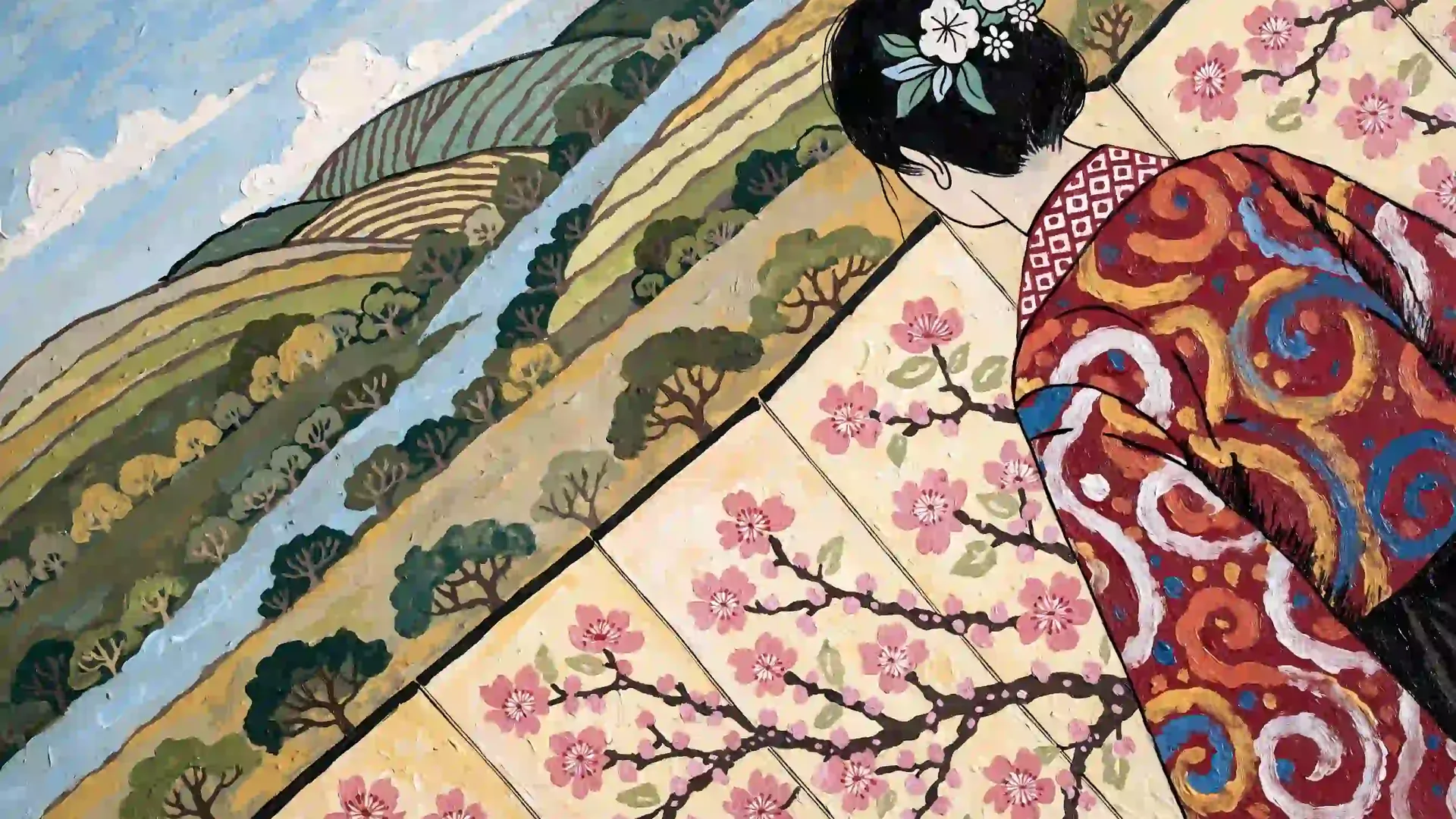
Asymmetry, high or unusual viewpoints, strong diagonals, empty space.
Figures and objects cut off by the edge of the picture.
Flat areas of colour with little modelling or shadow.
Bold outlines and decorative contours.
Fans, kimonos, screens, cherry and plum blossom, waves, bridges.
Tall narrow formats, borrowed from hanging scrolls and pillar prints.
Words around Japonisme
Japanese woodblock prints of the Edo period, the main source.
Van Gogh's word for his Japanese-inspired paintings.
Siegfried Bing's illustrated magazine about Japanese art, 1888–91.
Cutting a subject at the frame edge, a habit Western painters took from prints.
How to recognize Japonisme
- Western paintings with flat colour and bold outlines.
- Unusual viewpoints and cropped figures.
- Japanese objects such as fans, screens and kimonos.
- Asymmetric composition with open space.
Where people get it wrong
Japonisme is often treated as simple copying of Japanese art. Most artists absorbed principles of composition rather than copying images. Another mistake is to forget the imbalance: Japan was seen through a Western lens, and Japanese art was often collected as exotic decoration rather than understood on its own terms.
Words to describe Japonisme
Precise words for the qualities above. Combine a few of them instead of naming the style or artist alone.
- Japonisme
- ukiyo-e
- japonaiserie
- cropping
- flat colour
- asymmetry
- high viewpoint
- kimono
- Le Japon artistique
- Art Nouveau
A Japonisme-style study: a woman in a patterned robe seen from above at a tilted angle, cropped at the shoulder by the frame, a folding screen of plum blossom behind her, flat areas of colour and dark outlines.
What to take from Japonisme today
- Ask for flat colour and bold outline.
- Use a high or unusual viewpoint.
- Crop the subject at the frame edge.
- Leave asymmetric empty space.
Learning a grammar, not a vocabulary
The deepest Japonisme borrowed grammar, not words: how to crop, where to leave space, how to tilt the ground. That is the difference between naming a style and understanding it. When you describe an image 'in the Japanese manner', name the compositional decisions, not only the kimono.
Questions about Japonisme
What is Japonisme?
The influence of Japanese art and design on Western artists from the 1860s to around 1910, especially through ukiyo-e woodblock prints, seen in Impressionism, Post-Impressionism and Art Nouveau.
How did Japanese prints influence Van Gogh?
Van Gogh collected hundreds of Japanese prints, copied works by Hiroshige, and took from them bright flat colour, bold outlines and unusual compositions.
What is the difference between Japonisme and Chinoiserie?
Chinoiserie is an earlier European decorative fantasy of China. Japonisme, from the 1860s, is mainly about Western artists learning compositional ideas from real Japanese art.
Find Van Gogh's Flowering Plum Orchard and Hiroshige's Plum Park in Kameido online. Describe three things Van Gogh kept and three things he changed.
Sources and further reading
- Metropolitan Museum of Art, Heilbrunn Timeline of Art History: Japonisme.
- Van Gogh Museum, Amsterdam: Van Gogh and Japan.
- Museum of Fine Arts, Boston: Claude Monet, La Japonaise.
- Siegfried Wichmann, Japonisme: The Japanese Influence on Western Art since 1858, Thames & Hudson, 1981.