Not a group, a direction
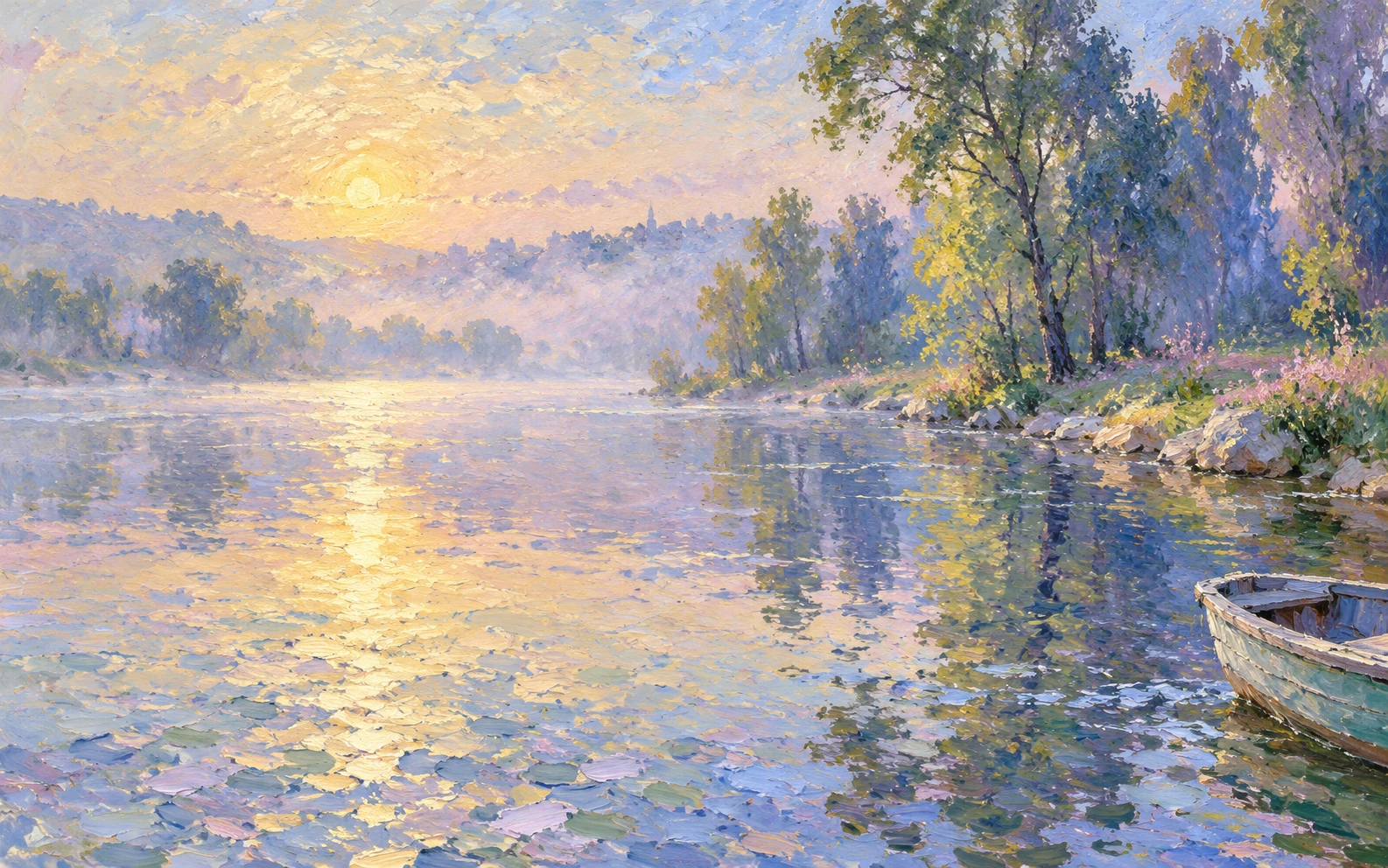
The term was coined in 1910 by the English critic Roger Fry for a London exhibition, 'Manet and the Post-Impressionists'. It groups artists who, from the mid-1880s, kept Impressionism's bright color but wanted more than a passing moment of light.
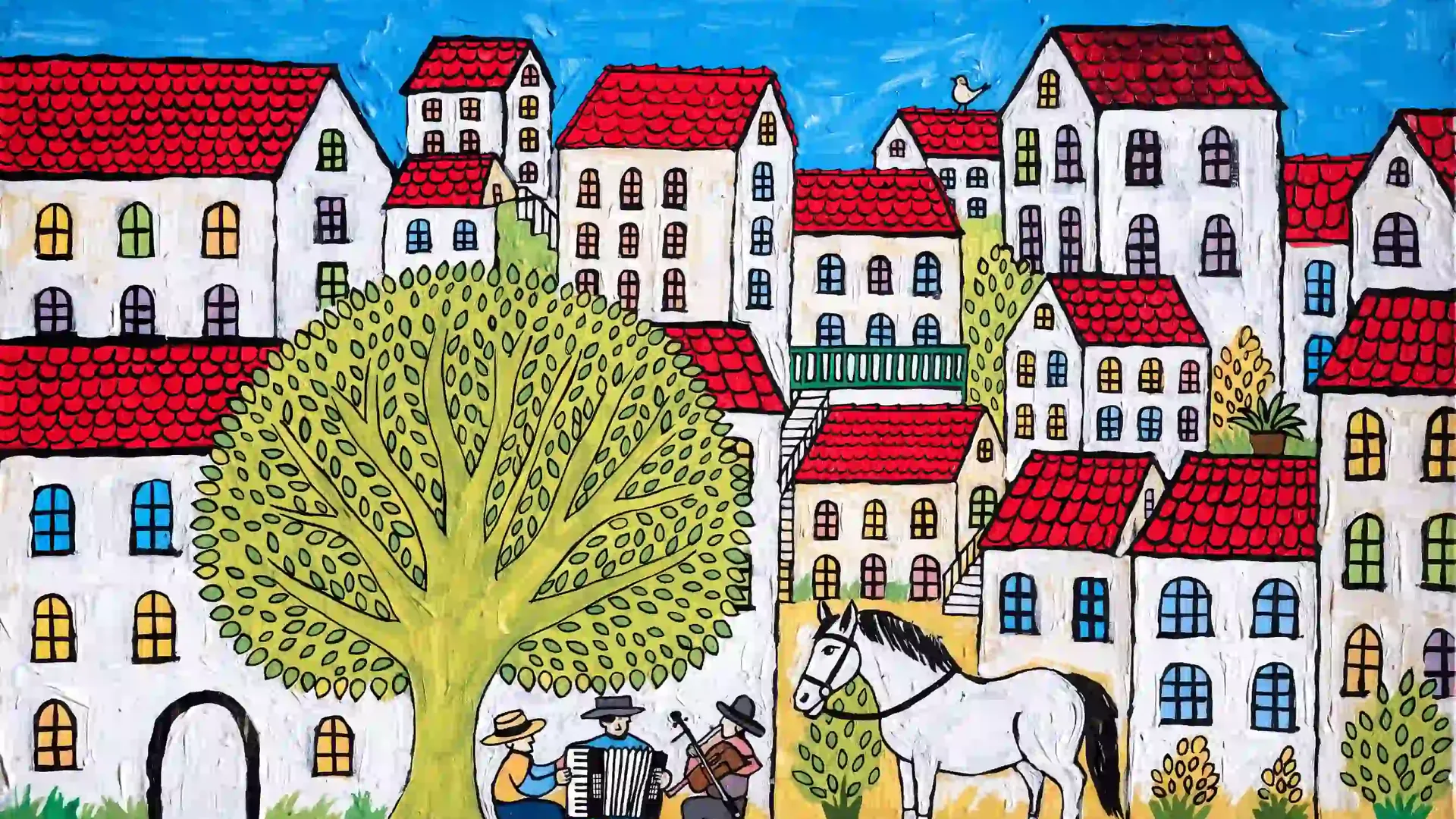
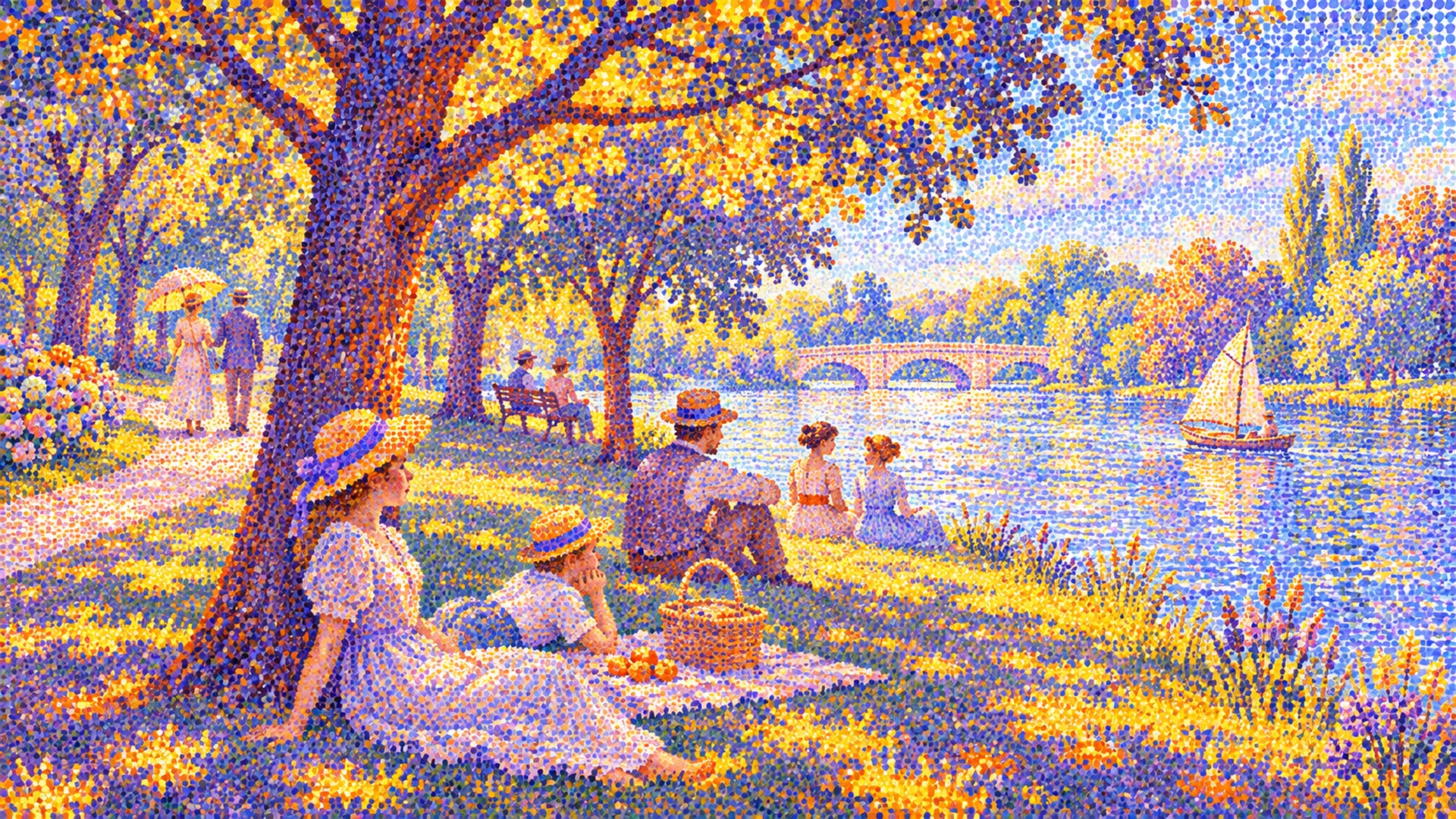
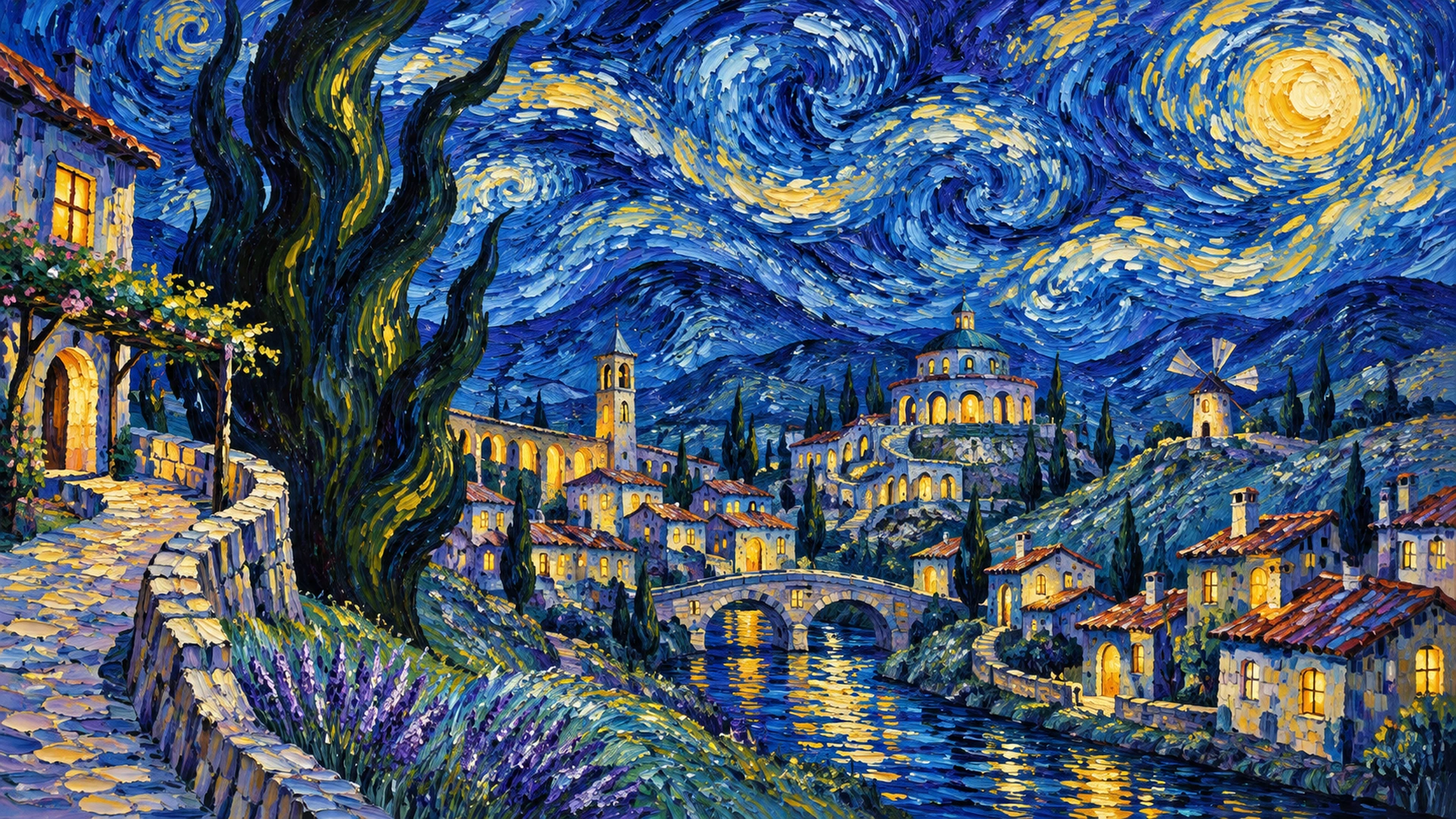
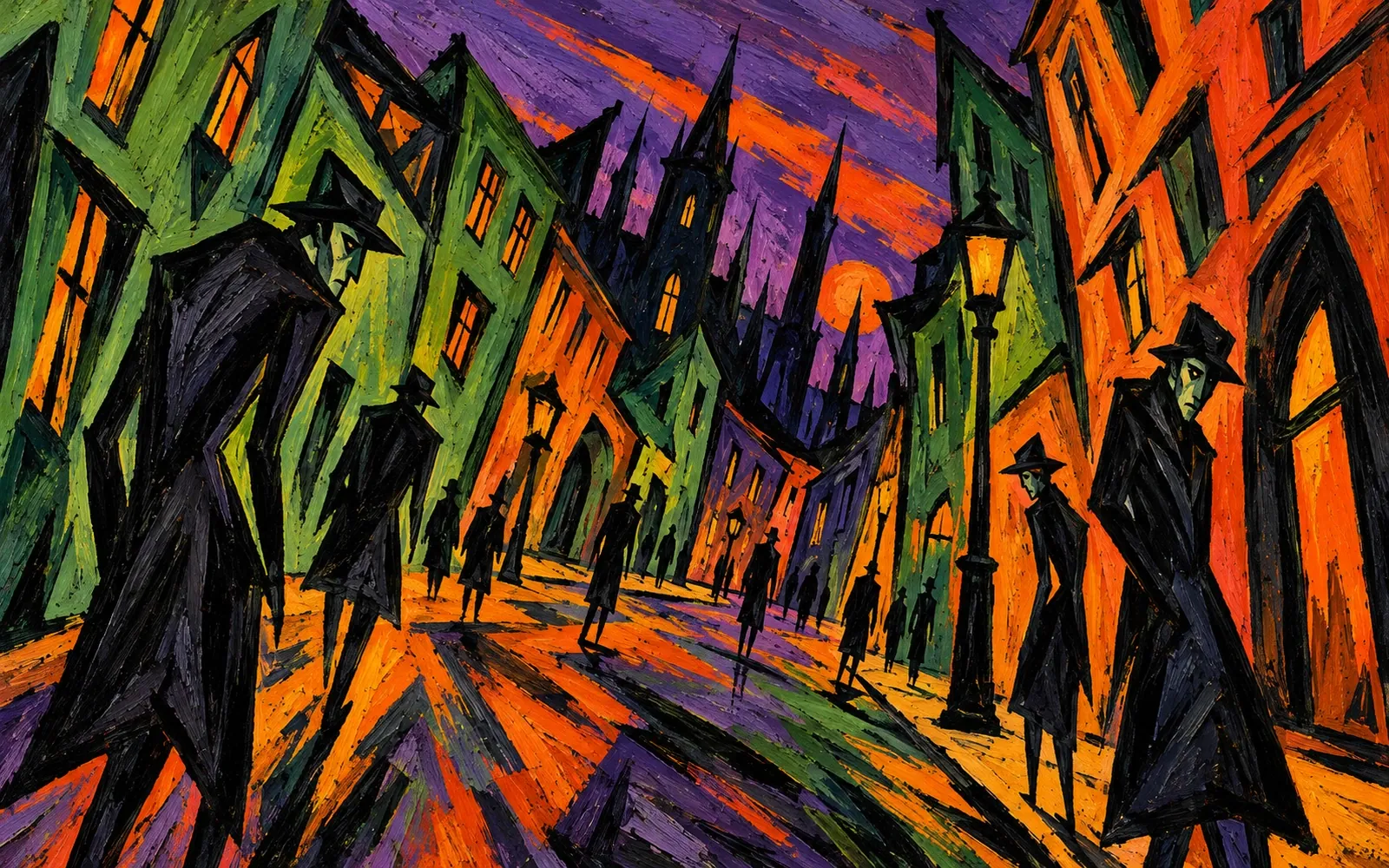
Paul Cézanne rebuilt nature from simple volumes and patient strokes; Vincent van Gogh used swirling brushwork and intense color for emotion; Paul Gauguin flattened color into symbolic, decorative areas; Georges Seurat applied color in small systematic dots (Pointillism). Their different paths led straight to Fauvism, Expressionism and Cubism.
Visual anatomy of Post-Impressionism
Bold and deliberate; color is chosen for structure, emotion or symbol.
Varies by painter: Cézanne's blocks, Van Gogh's swirls, Seurat's dots.
Simplified, solid forms with clearer outlines than Impressionism.
Flattened or tilted; perspective bends to the needs of the picture.
Landscapes, still lifes, portraits, everyday and imagined scenes.
Meaning or structure beyond the fleeting impression.
How to recognize Post-Impressionism
- Bright color with firmer forms and outlines.
- Brushwork that is part of the expression.
- Space that is slightly flattened or tilted.
Where people get it wrong
Post-Impressionism is not one style but several personal directions under a label given later. Calling everything 'Van Gogh style' misses Cézanne's structure, Seurat's method and Gauguin's flat symbolic color.
Words to describe Post-Impressionism
Precise words for the qualities above. Combine a few of them instead of naming the style or artist alone.
- bold expressive color
- thick impasto
- swirling brushstrokes
- pointillist dots
- simplified solid forms
- dark outlines
- flattened perspective
- symbolic color
- structured brushwork
- vivid complementary contrast
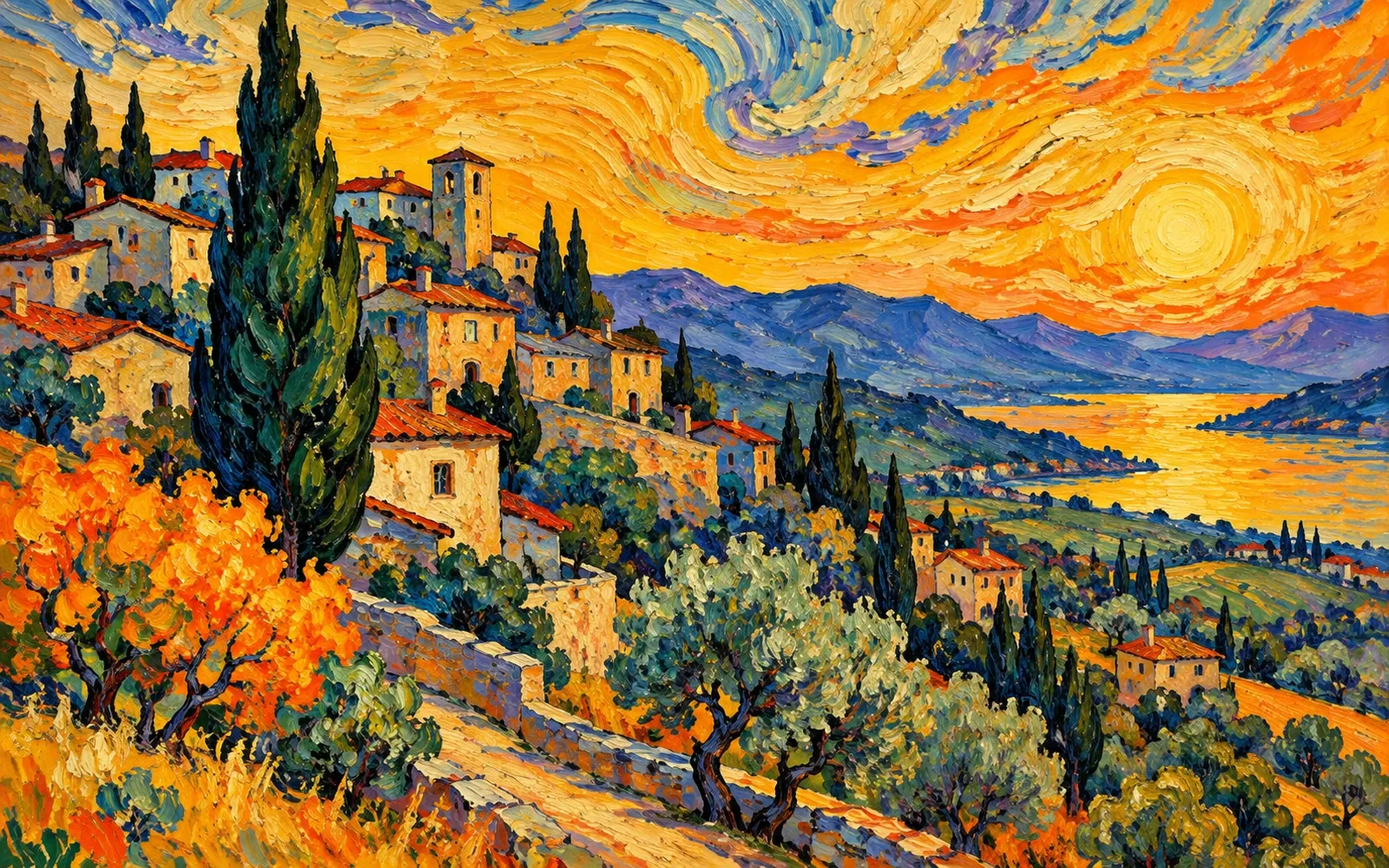
A hillside village under a yellow evening sky, painted in thick swirling strokes and bold blocks of color, dark blue outlines around the houses, a tall cypress tree like a green flame, complementary orange and blue vibrating side by side.
What to take from Post-Impressionism today
- Decide whether color should build structure, feeling or symbol.
- Let the brushmark carry part of the meaning.
- Simplify a form until it feels solid.
Questions about Post-Impressionism
What is Post-Impressionism?
Painters who started from Impressionism and pushed it in very different directions: structure, emotion, symbol and systematic color.
How do you recognize Post-Impressionism?
Bright color with firmer forms and outlines. Brushwork that is part of the expression. Space that is slightly flattened or tilted.
How do you describe Post-Impressionism in words or a prompt?
Decide whether color should build structure, feeling or symbol. Let the brushmark carry part of the meaning. Simplify a form until it feels solid.
Paint or draw one apple three times: as solid volume built from blocks, as an emotional swirl, and as a flat symbol with a dark outline. Describe each version in one line.