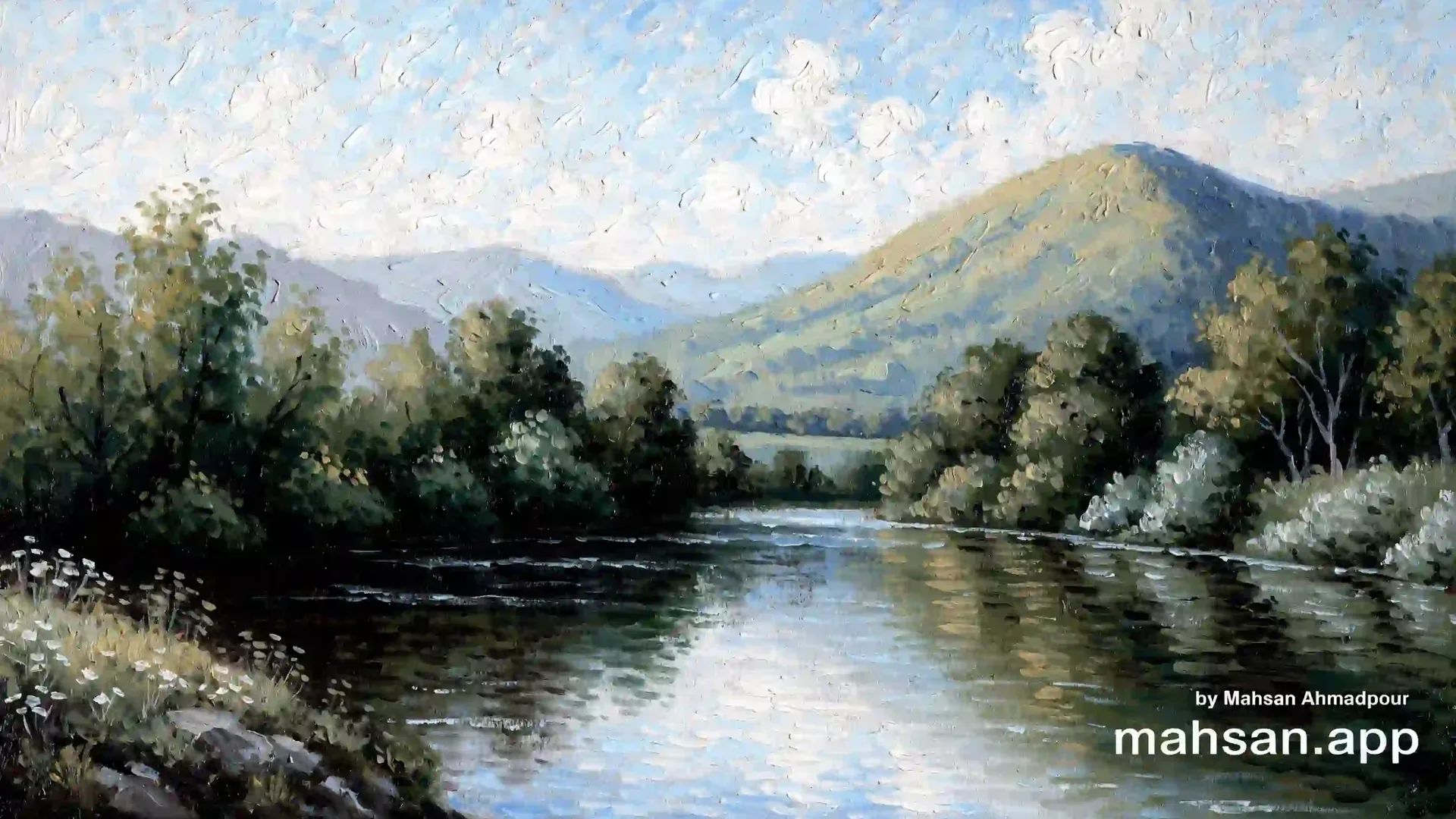
Six centuries of oil
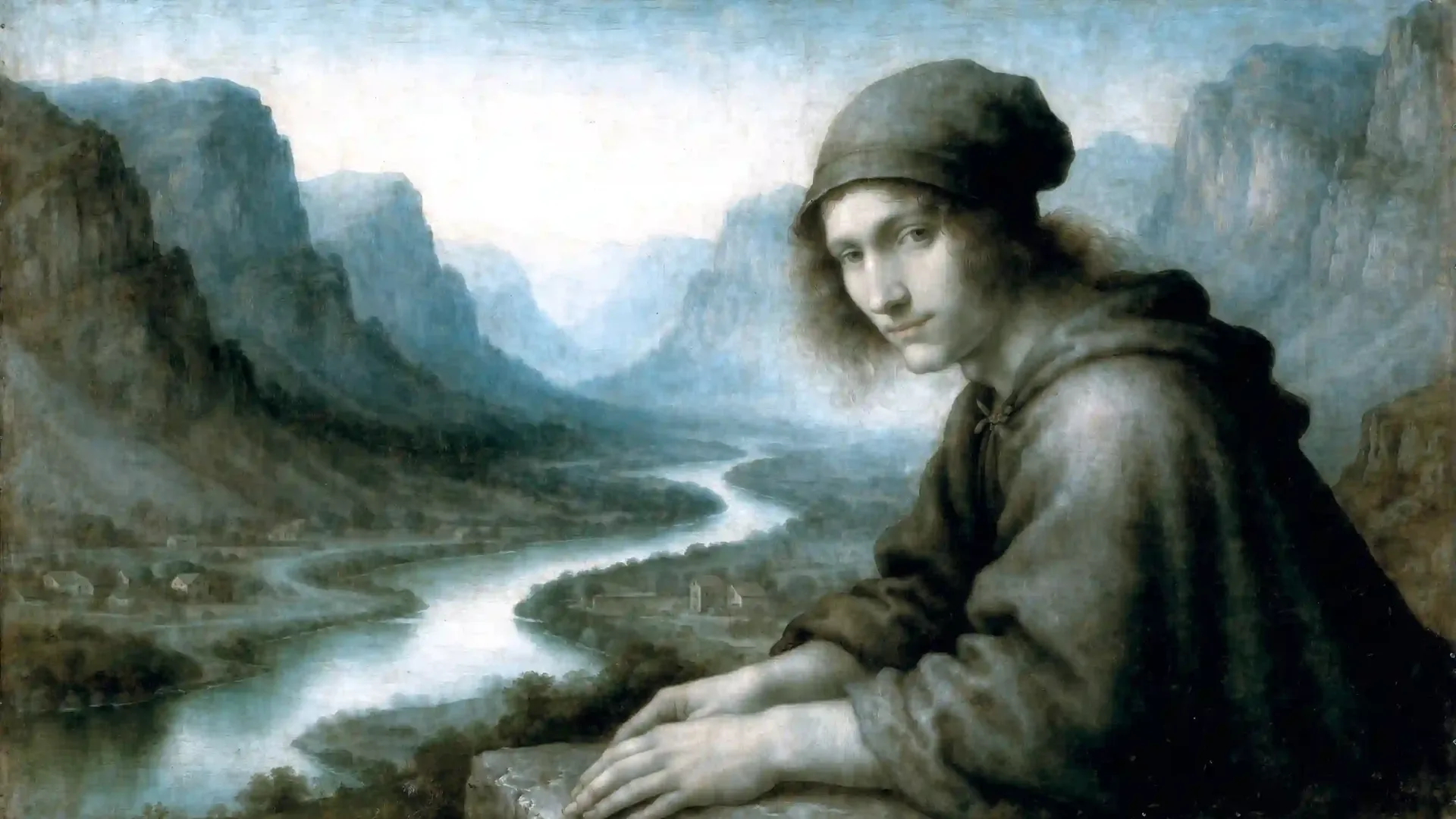
Oil-based paints existed earlier, including in Buddhist cave paintings in Afghanistan from around the 7th century, but oil painting as a fine art took shape in 15th-century Flanders. Jan van Eyck and his contemporaries built up thin, transparent layers over a white ground to reach a jewel-like glow and minute detail that egg tempera could not match.
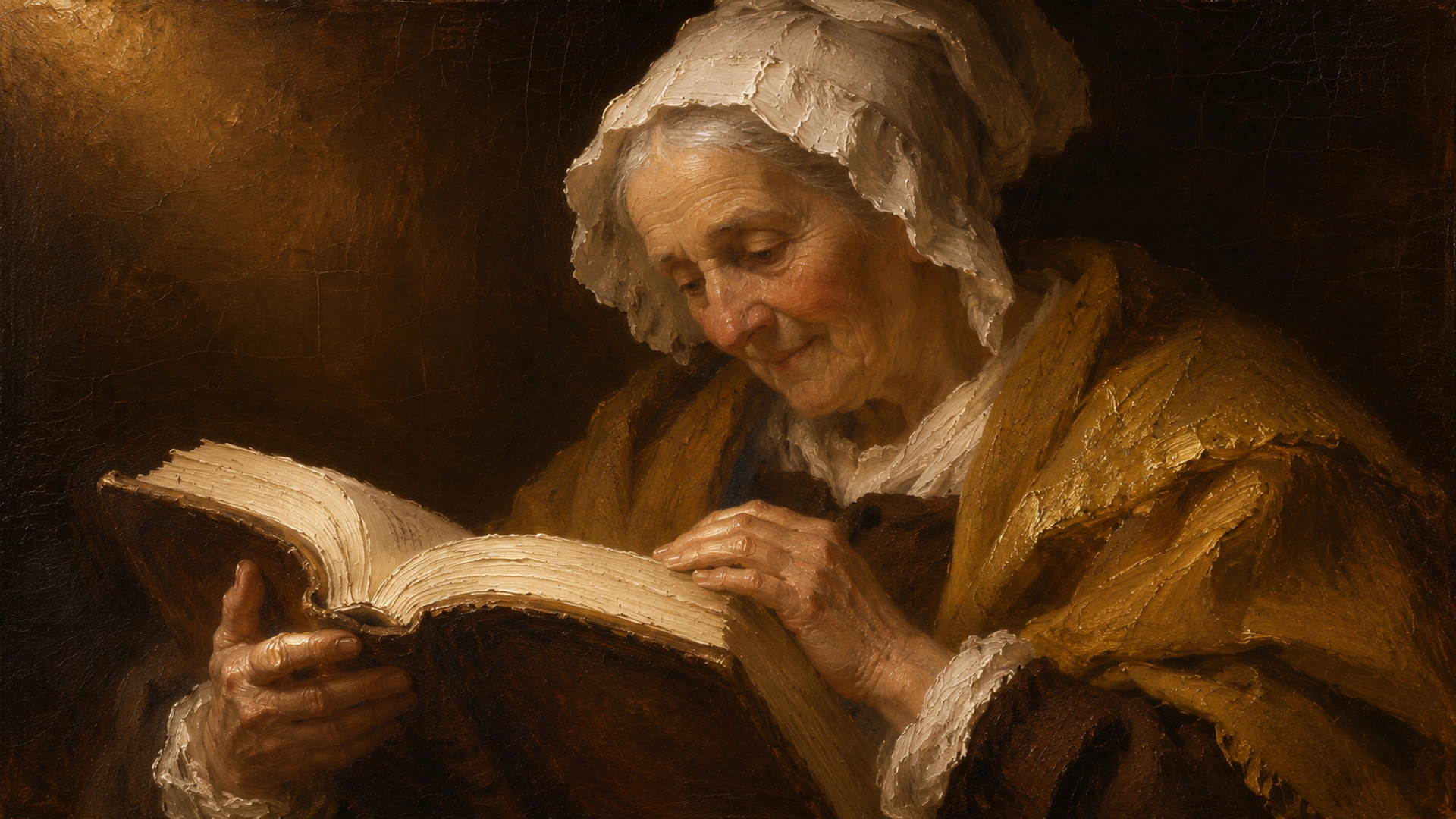
Italian painters adopted it, and in Venice Titian moved from wooden panels to canvas, painting with looser, thicker strokes and rich colour. Through the Baroque, Rubens, Velázquez and Rembrandt explored everything the medium could do, from transparent shadows to sculpted highlights.
In the 19th century paint in metal tubes (1841) let painters work outdoors, and the Impressionists painted wet into wet in one sitting. Today oil sits beside acrylic and digital painting, and many digital brushes are designed to imitate its blending, its thickness and its marks.
Visual anatomy of oil painting
A primed surface, white or toned, on canvas, linen or panel; it glows through thin paint.
'Fat over lean': each layer has more oil than the one below so the painting does not crack.
Thin transparent layers over dry paint, giving depth and luminous colour.
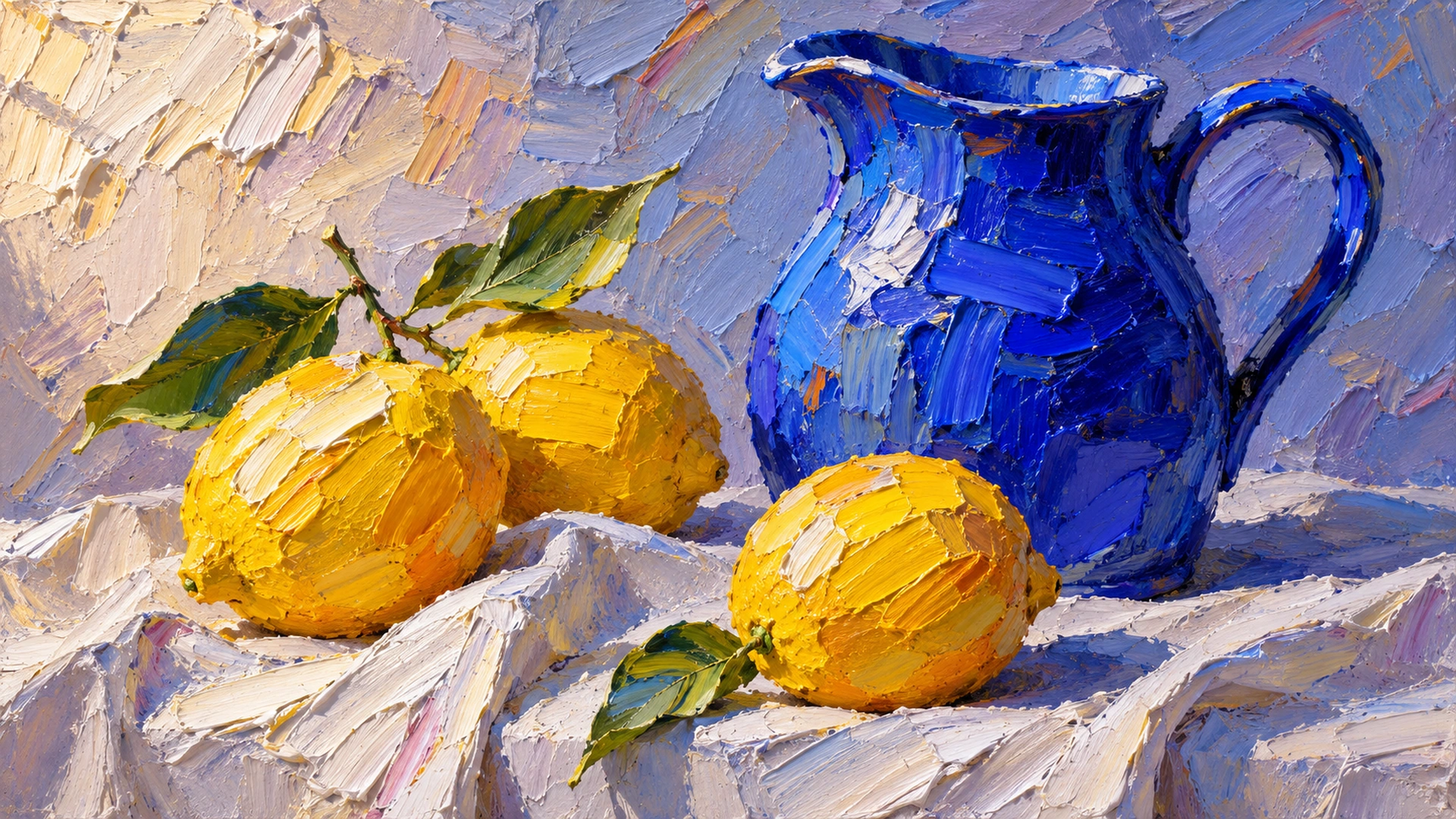
Thick paint that holds the mark of brush or knife and catches real light.
Slow drying lets edges be softened for hours, from smooth to broken.
Varnish saturates colours; aged varnish yellows and darkens.
Words for oil painting
Painting wet into wet in one session, without waiting for layers to dry.
A first monochrome or simplified layer that sets up values.
Dragging a thin, opaque, light layer over a darker one to soften and veil.
The rule that upper layers contain more oil than lower ones.
How to recognize oil painting
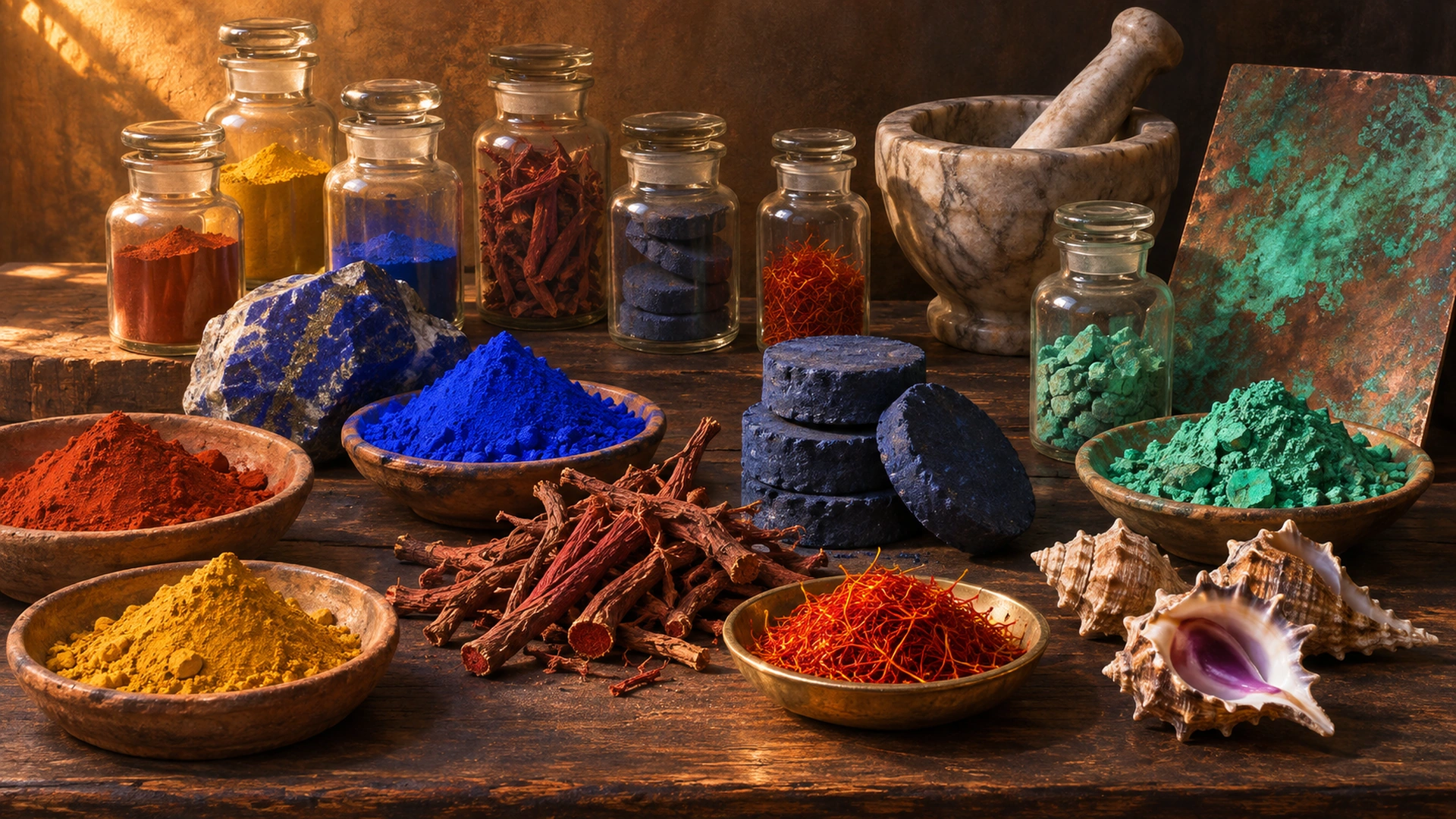
- Rich, deep, saturated colour with a soft sheen.
- Smooth blended transitions or thick, raised brush marks.
- Visible canvas weave in thin passages.
- Translucent shadows and solid, opaque lights.
- Fine craquelure (cracking) in older paintings.
Where people get it wrong
'Oil painting' in prompts often produces a generic glossy look with random texture. Oil paintings differ enormously: a thin glazed Flemish panel, a Titian canvas, a Rembrandt impasto and an Impressionist alla prima sketch share a medium, not a look. Name the method and the era, not just the medium.
Words to describe oil painting
Precise words for the qualities above. Combine a few of them instead of naming the style or artist alone.
- oil on canvas
- thin transparent glazes
- thick impasto
- alla prima
- visible brushstrokes
- smooth blended transitions
- linen canvas texture
- underpainting
- scumbling
- craquelure
- varnish sheen
- painterly
A still life of pears and a pewter jug painted in oil on linen canvas: shadows in thin transparent umber glazes, the canvas weave showing through, highlights on the pewter in thick buttery impasto, soft blended edges on the pears, a warm brown background with a faint varnish sheen.
What to take from oil painting today
- Choose a method: glazed layers, alla prima, or heavy impasto.
- Describe where paint is thick and where it is thin.
- Mention the support: linen canvas weave, smooth wood panel.
- Name the light and the edges: soft blended, or broken strokes.
Questions about oil painting
What is the difference between oil and acrylic painting?
Oil paint dries slowly, over days, and allows long blending and transparent glazes; colours keep their depth when dry. Acrylic is water-based and dries in minutes, which suits fast layering but makes soft blending harder, and colours often shift slightly darker as they dry.
What does 'fat over lean' mean?
Each upper layer of an oil painting should contain more oil than the layer below it. Lean layers dry faster; if a lean layer sits on a fat one, it can crack as the slower layer underneath keeps moving.
How do you describe an oil painting's style?
Start with the method (glazed, alla prima, impasto), then the brushwork (smooth, broken, loose), the light, the palette and the surface (canvas weave, varnish, cracks). Mentioning a period or painter's approach adds precision.
Find one Flemish painting by Jan van Eyck and one late Impressionist oil sketch. Describe each surface in two sentences: thickness, edges, how the light sits on it. Then list three words that fit one but not the other.
Sources and further reading
- National Gallery, London: Art in the Making series and technical bulletins.
- Ralph Mayer, The Artist's Handbook of Materials and Techniques, 5th ed., Viking, 1991.
- Getty Conservation Institute: Oil paint research.
- Philip Ball, Bright Earth: The Invention of Colour, Viking, 2001.