The land as subject
Landscape was among the first subjects of photography, because it held still. In the 1860s Carleton Watkins hauled a mammoth-plate camera into Yosemite, and his images helped persuade the US Congress to protect the valley in 1864. Timothy O'Sullivan photographed the American West for government surveys. The genre inherited the conventions of landscape painting, from the classical arrangements of Claude Lorrain to the sublime of the Romantics.
In the twentieth century Ansel Adams made landscape photography a fine art of tone and precision, and co-founded Group f/64 in 1932 around sharp, unmanipulated images. In 1975 the exhibition New Topographics showed a quieter, more critical view: suburbs, roads and car parks as landscapes. Today the genre ranges from grand golden-hour vistas to intimate details of bark and ice, and the main tools remain the same: choice of light, of weather, of viewpoint and of what goes in the foreground.
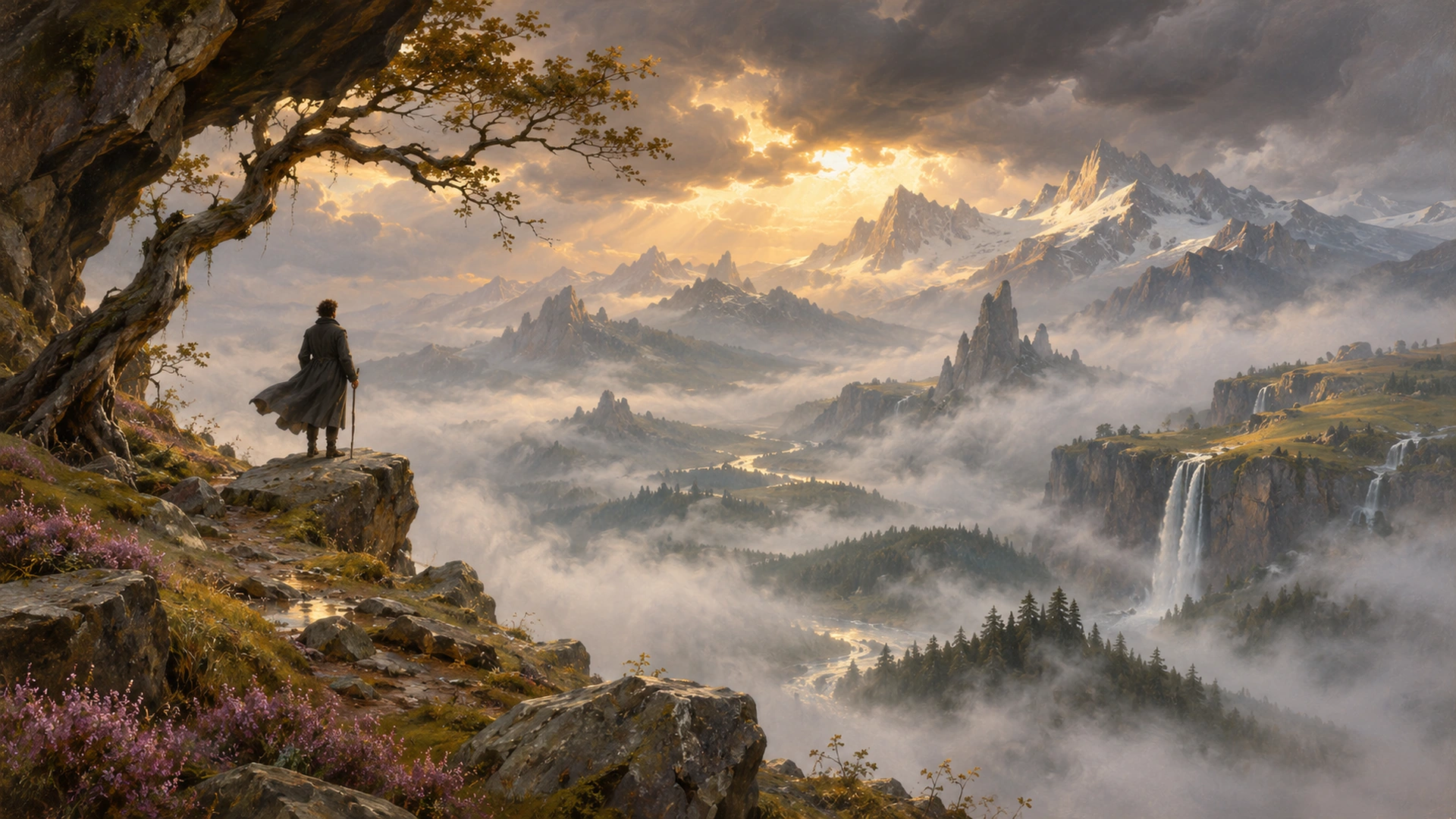
Visual anatomy of landscape photography
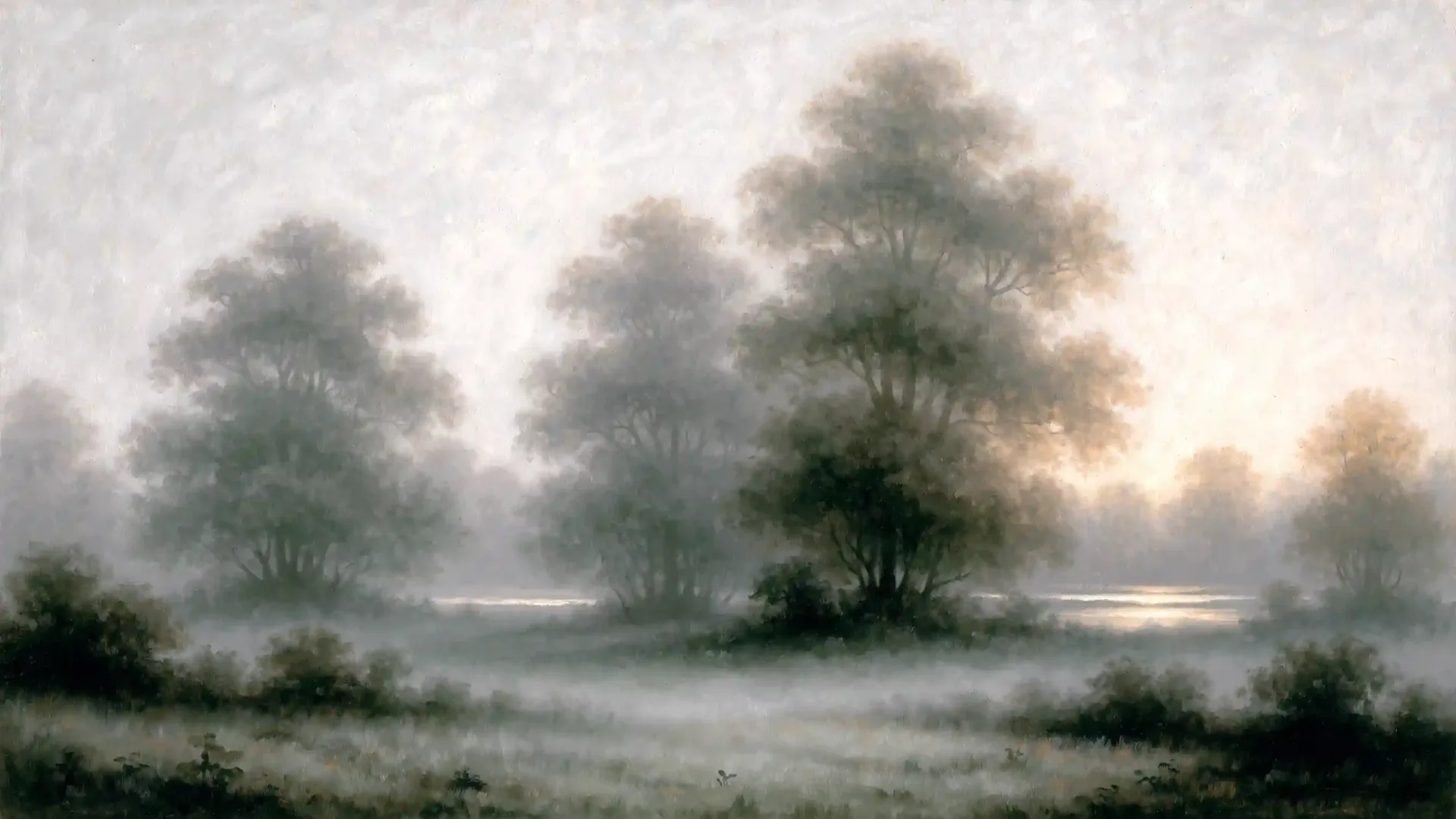
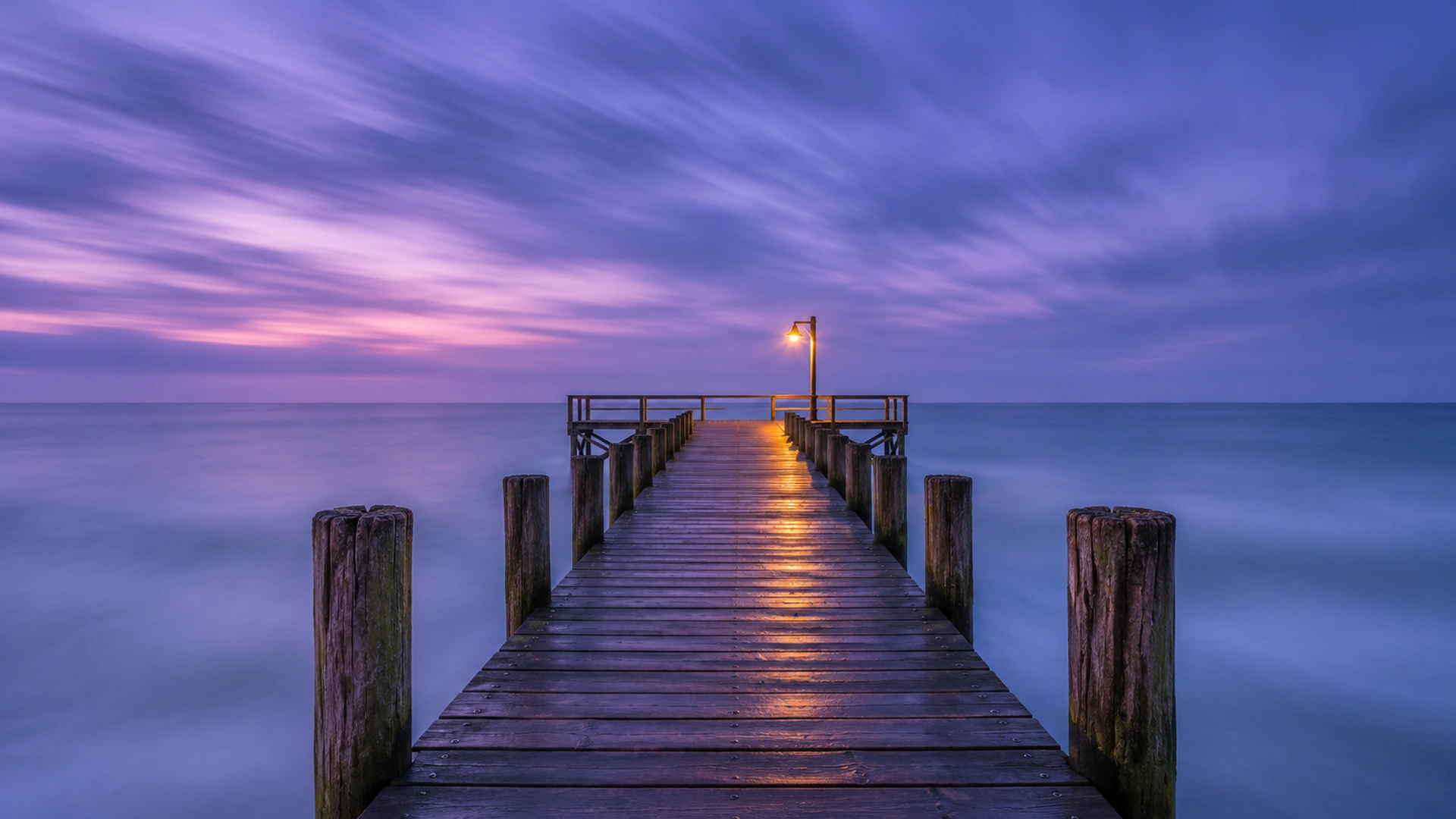
Golden hour, blue hour, storm light, mist; the hour matters most.
Rocks, flowers or water lines that lead the eye into the frame.
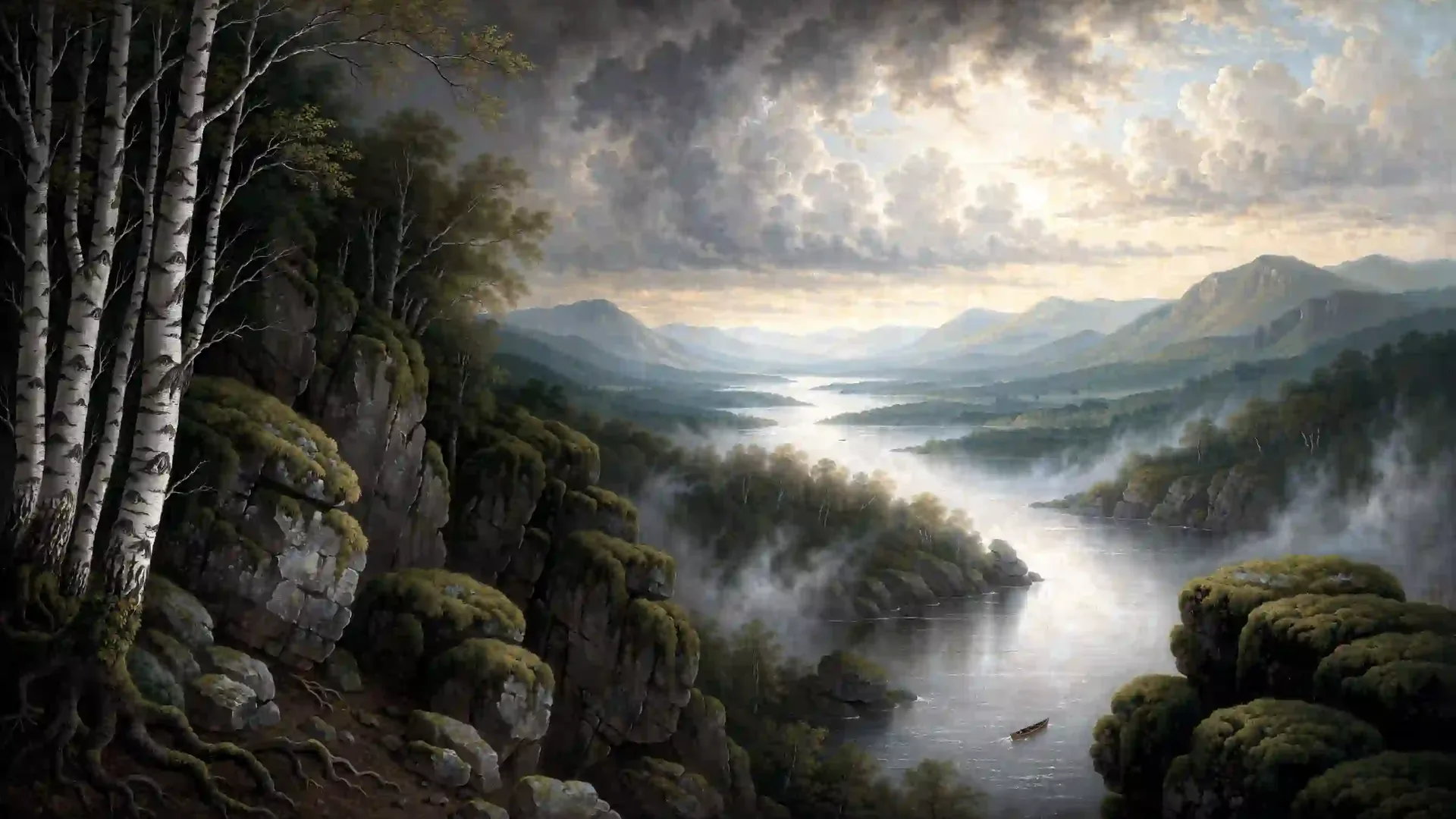
Layers from near to far; atmospheric haze fading distant hills.
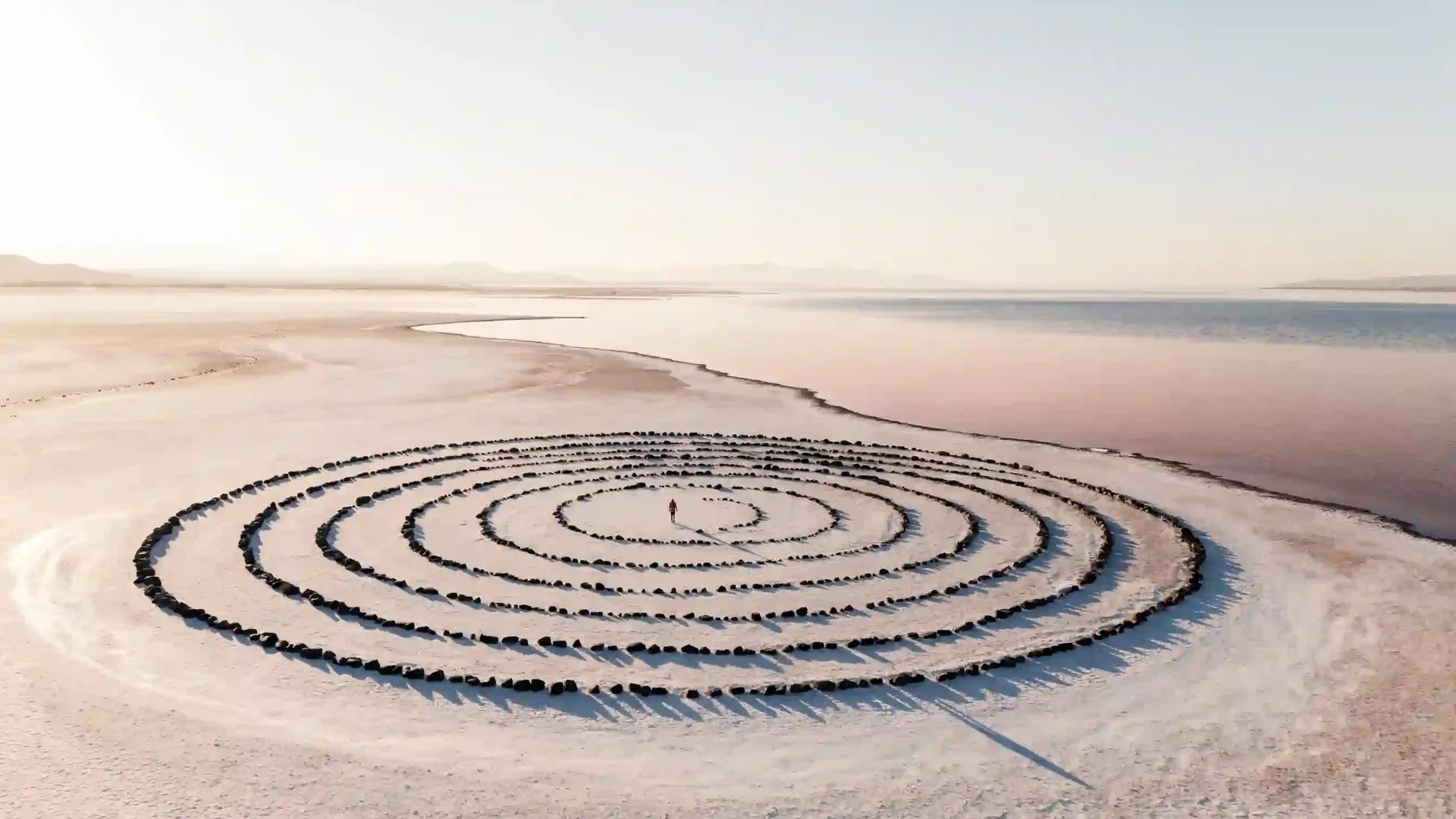
A person, tree or building that shows the size of the land.
Clouds, weather and colour that carry as much as the land.
Wide angle for sweep, telephoto to compress layers and isolate peaks.
Kinds and names
A wide view with strong foreground, middle ground and sky.
A small, close scene: a pattern of leaves, frost or rock.
Mammoth-plate photographs of Yosemite from 1861.
Ansel Adams, Edward Weston and others, 1932: sharp, straight photography.
Exhibition of human-altered landscapes, with Robert Adams and Lewis Baltz.
How to recognize landscape photography
- Land and sky are the subject; people, if any, are small.
- A deliberate hour of light.
- A clear foreground leading into depth.
- Weather and atmosphere shaping the mood.
Where people get it wrong
Describing only the place. 'Mountains and a lake' gives a postcard. The photograph is made by light and weather: low sun raking across the slope, mist lying in the valley, a storm breaking. Name the hour, the weather and the foreground, and say where the light falls.
Words to describe landscape photography
Precise words for the qualities above. Combine a few of them instead of naming the style or artist alone.
- landscape photography
- golden hour
- blue hour
- foreground interest
- leading lines
- layers of depth
- atmospheric haze
- sense of scale
- raking light
- storm light
- wide-angle vista
- telephoto compression
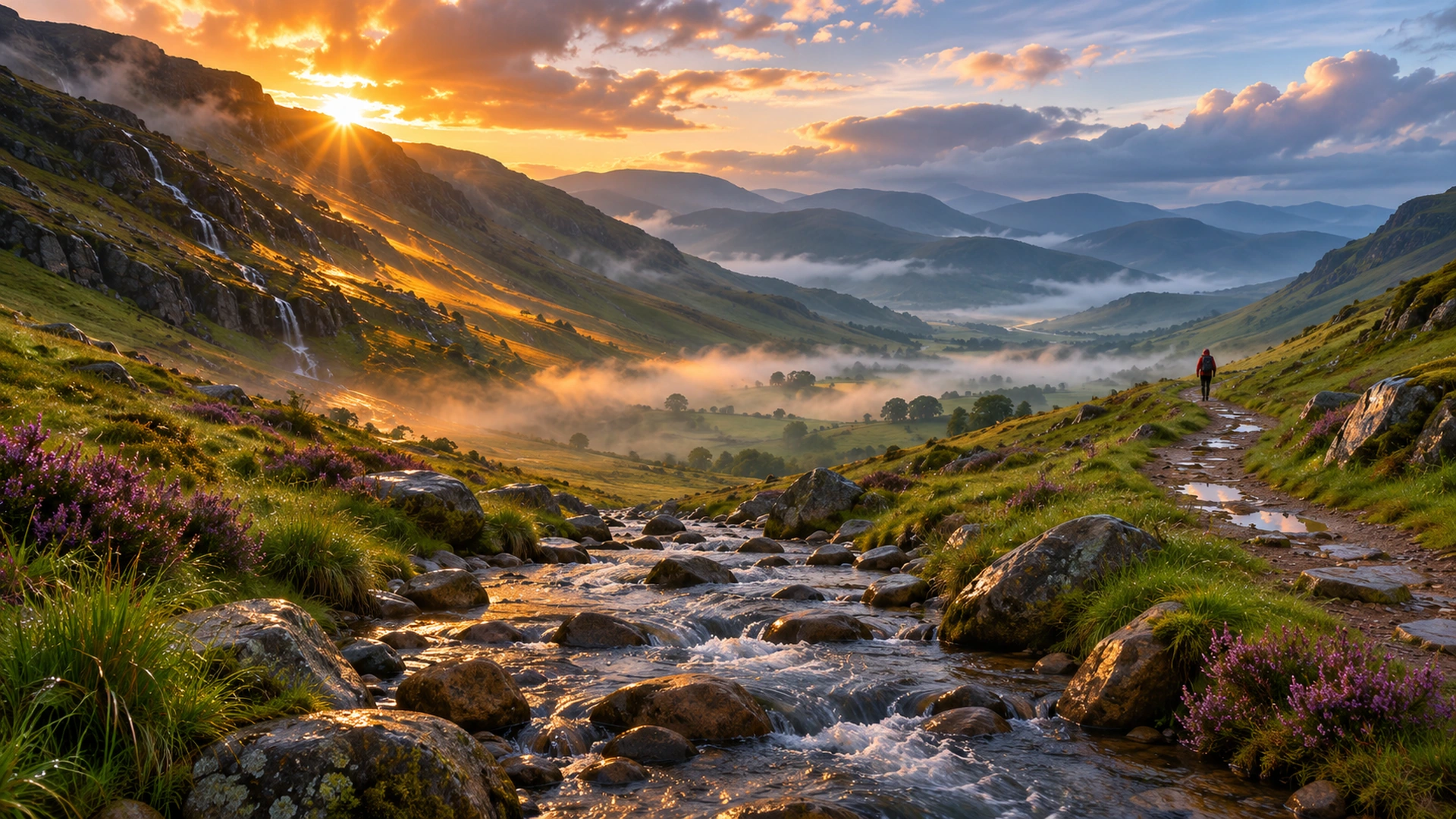
An original landscape photography study: a mountain valley at sunrise after rain, low golden light raking across wet slopes, mist lying in the valley floor, a stream with rounded stones leading in from the foreground, distant ridges fading into blue haze, one small figure on the path for scale, wide-angle view.
What to take from landscape photography today
- Name the hour and direction of light.
- Add weather or atmosphere: mist, rain clearing, wind on water.
- Choose the foreground element and how it leads in.
- Say the lens: wide sweep or compressed telephoto layers.
Questions about landscape photography
What is the best time for landscape photography?
Around sunrise and sunset (golden hour), when low light brings out texture and colour, and blue hour just after sunset; dramatic weather can make any hour work.
What makes a good landscape photograph?
Strong light, a foreground that leads the eye in, a clear sense of depth and scale, and weather or atmosphere that gives the scene a mood.
Describe one landscape twice: at noon on a clear day, and at sunrise after rain. Change only the light and weather, and notice how every other word changes with them.
Sources and further reading
- Ansel Adams, The Negative (1981).
- William Jenkins (ed.), New Topographics: Photographs of a Man-Altered Landscape (1975).
- Liz Wells, Land Matters: Landscape Photography, Culture and Identity (2011).