Small, cheap and free to say anything
A zine (from 'fanzine' or 'magazine') is a small, self-published, usually photocopied booklet. Science-fiction fans made fanzines from the 1930s; punk made them explosive in the 1970s, with titles such as Sniffin' Glue (1976) in London; and the riot grrrl movement of the early 1990s used zines to write about feminism, music and personal experience.
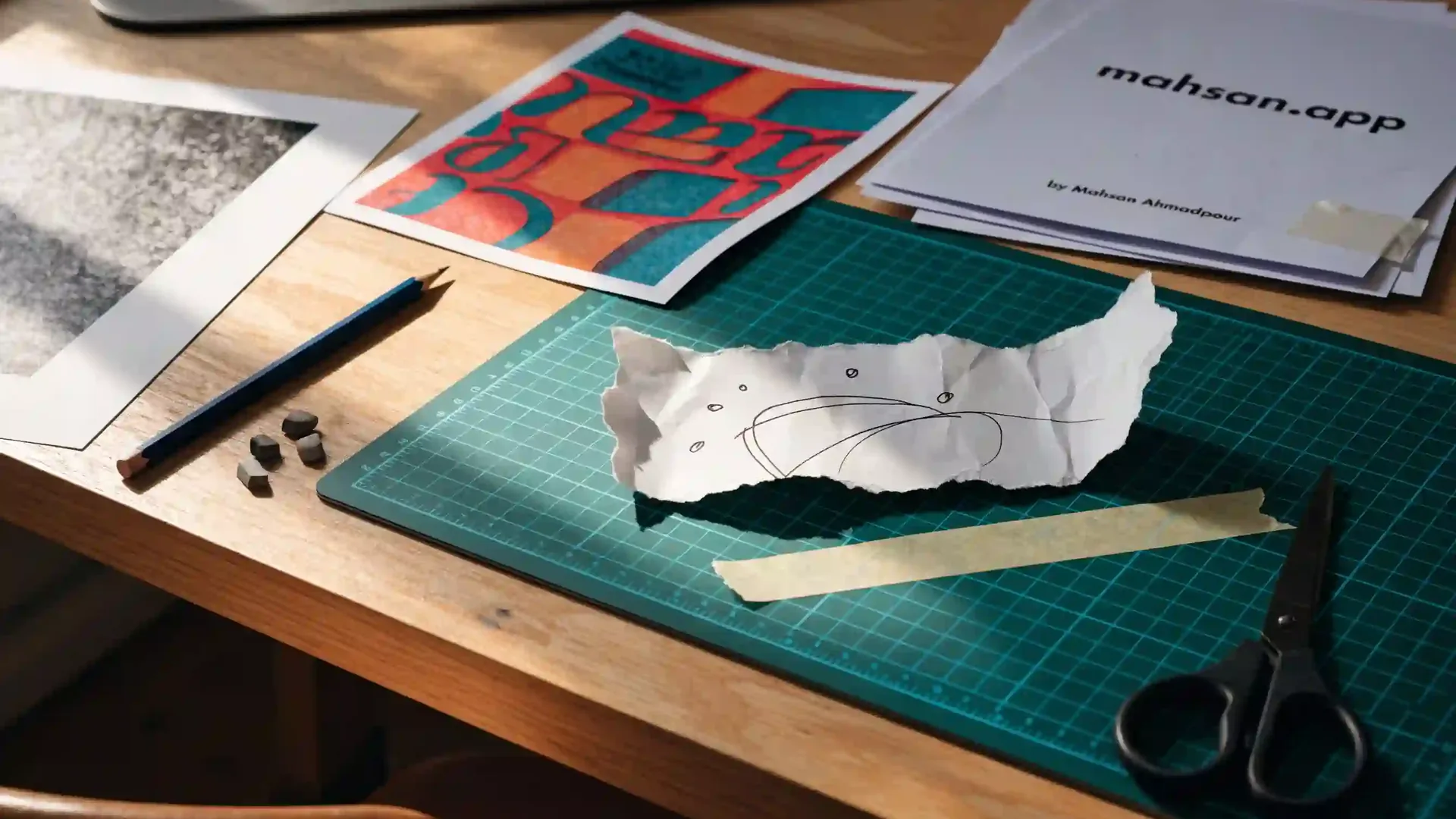
The visual language came from the tools: scissors, glue, typewriters, markers, letter stencils and the photocopier. In the 2020s the look returned as a broader 'scrapbook' and DIY trend. Canva's 2026 design report named 'Notes App Chic', messy scrapbook-style compositions, and a Mexico-specific trend called 'Zinegeist'.
Visual anatomy of Zine Aesthetic
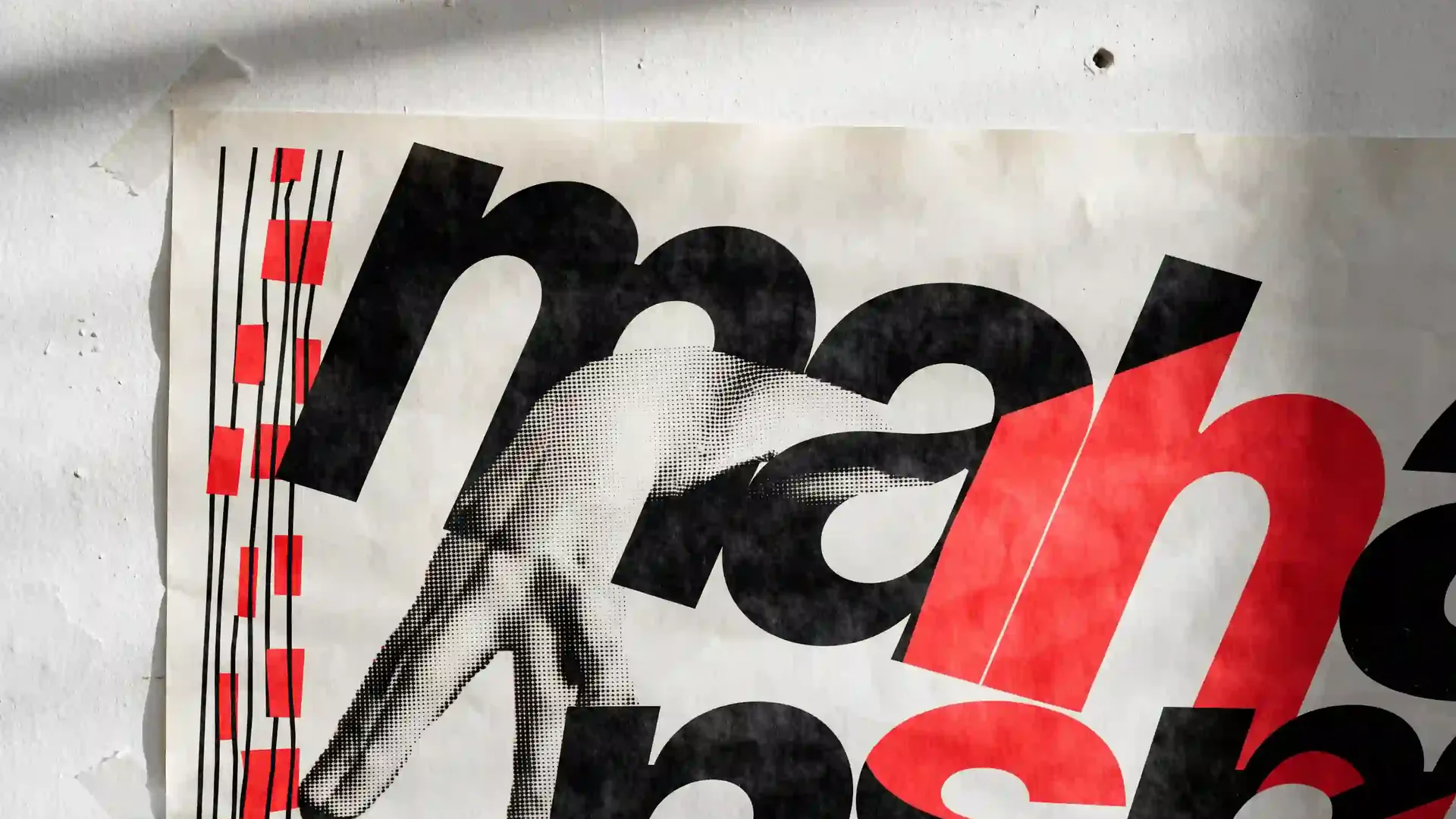
Ransom-note letters cut from magazines, typewriter text, handwriting, stencils.
Collaged, crowded, tilted, overlapping; no strict grid.
Tape, staples, torn paper, stickers, photocopies, receipts.
Black and white, or one or two colours, often on coloured paper.
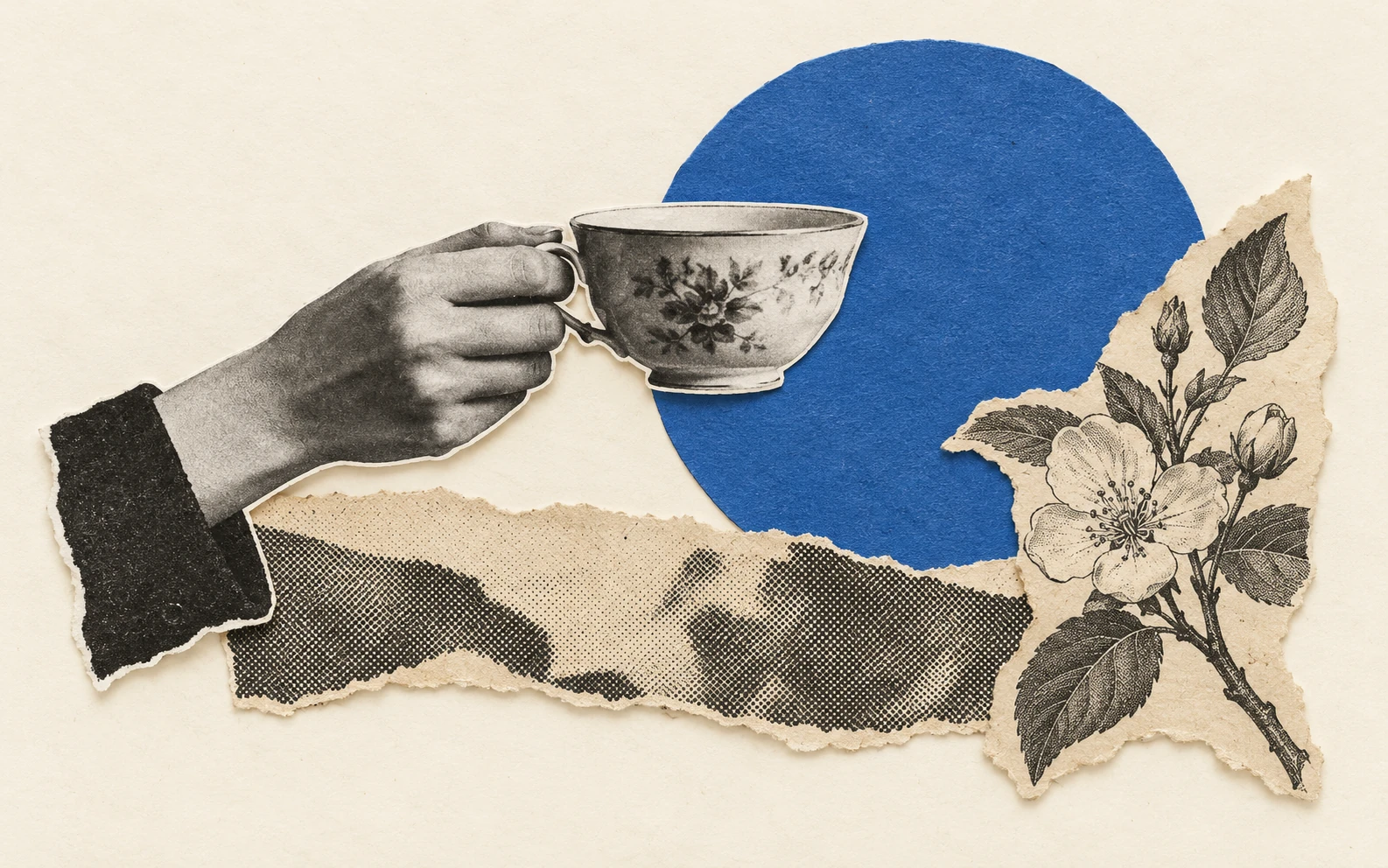
Cut-out photos, doodles, found illustrations.
Personal, urgent, funny, angry, intimate.
Words around zines
A fan-made magazine, the origin of the word zine.
Letters cut from different printed sources, each in a different style.
A personal zine about the maker's own life.
A small distributor that trades and sells zines.
How to recognize Zine Aesthetic
- Cut-and-paste collage.
- Mixed, handmade lettering.
- Tape, staples and torn edges.
- Black-and-white photocopy texture.
- A personal, direct voice.
Where people get it wrong
The zine look is often reduced to a font or a filter. Real zines are messy because of how they were made, not because messiness was added at the end. If you borrow the look for a brand, borrow the honesty too: real voices, real handwriting, real photographs, not a polished layout with fake tape.
Words to describe Zine Aesthetic
Precise words for the qualities above. Combine a few of them instead of naming the style or artist alone.
- zine
- fanzine
- perzine
- cut and paste
- ransom-note type
- photocopy
- staple binding
- DIY
- distro
- riot grrrl
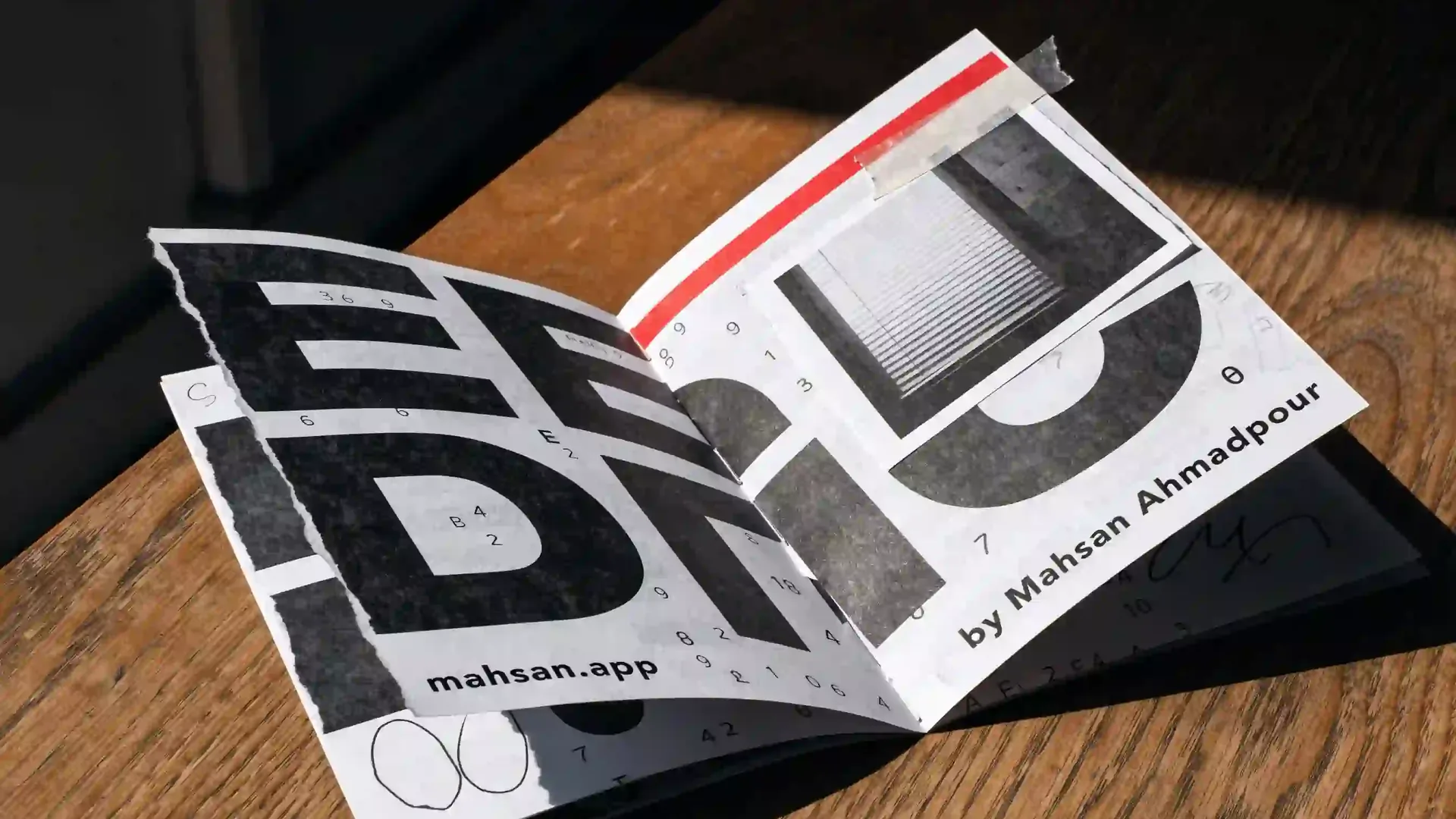
A zine page study: a black-and-white photocopied spread with a cut-out photograph of a window taped at an angle, ransom-note letters across the top shown as abstract shapes, handwritten notes in the margin, a staple in the fold, one red highlighter stripe. No readable text.
What to take from Zine Aesthetic today
- Name the cut-out letters and the handwriting.
- Describe tape, staples and torn edges.
- Keep colour to black, white and one accent.
- Let the layout tilt and overlap.
Writing without permission
A zine is the most direct form of self-authorship: no editor, no algorithm, no approval. In narrative therapy terms, it is a place where people write their own story instead of the one told about them. The aesthetic matters because it carries that freedom; without a real voice, it is only decoration.
Questions about Zine Aesthetic
What is a zine?
A small, self-published booklet, usually photocopied and made in small numbers, about anything from music and politics to personal life and art.
What is the zine aesthetic?
A cut-and-paste, DIY look with collaged images, ransom-note letters, handwriting, tape, staples and photocopy texture.
What is the difference between a zine and a magazine?
A magazine is professionally produced for profit and wide distribution. A zine is self-made, small-scale and usually independent of commercial interests.
Make a one-page zine from a single sheet of paper folded into eight. Use only scissors, glue, a pen and old magazines. Write one true sentence on every page.
Sources and further reading
- Teal Triggs, Fanzines, Chronicle Books, 2010.
- Barnard College Library: Barnard Zine Library.
- Stephen Duncombe, Notes from Underground: Zines and the Politics of Alternative Culture, Verso, 1997.
- Canva Newsroom: 'Imperfect by Design': the visual design trends set to define 2026, December 2025.