Lines bitten into metal
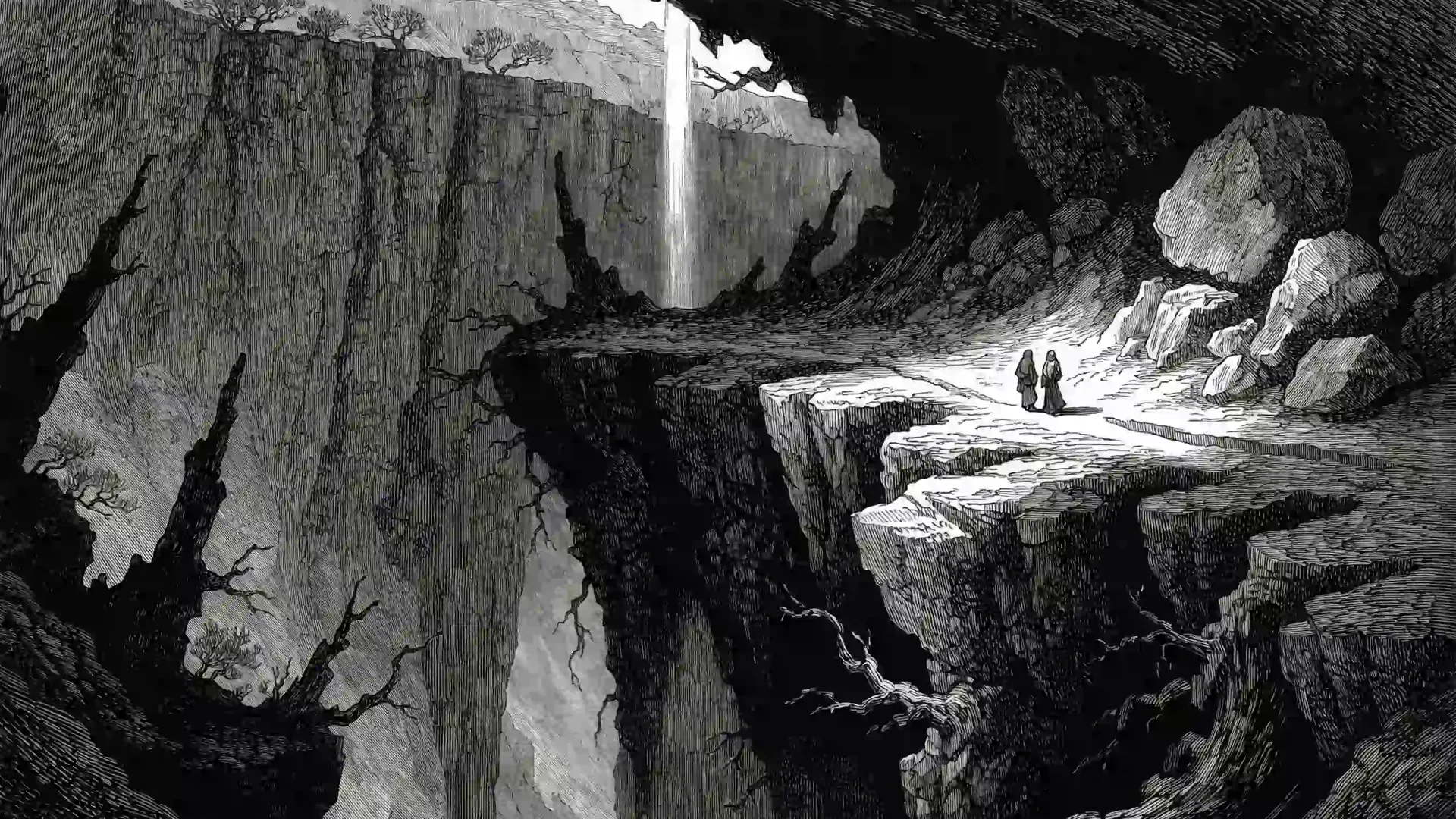
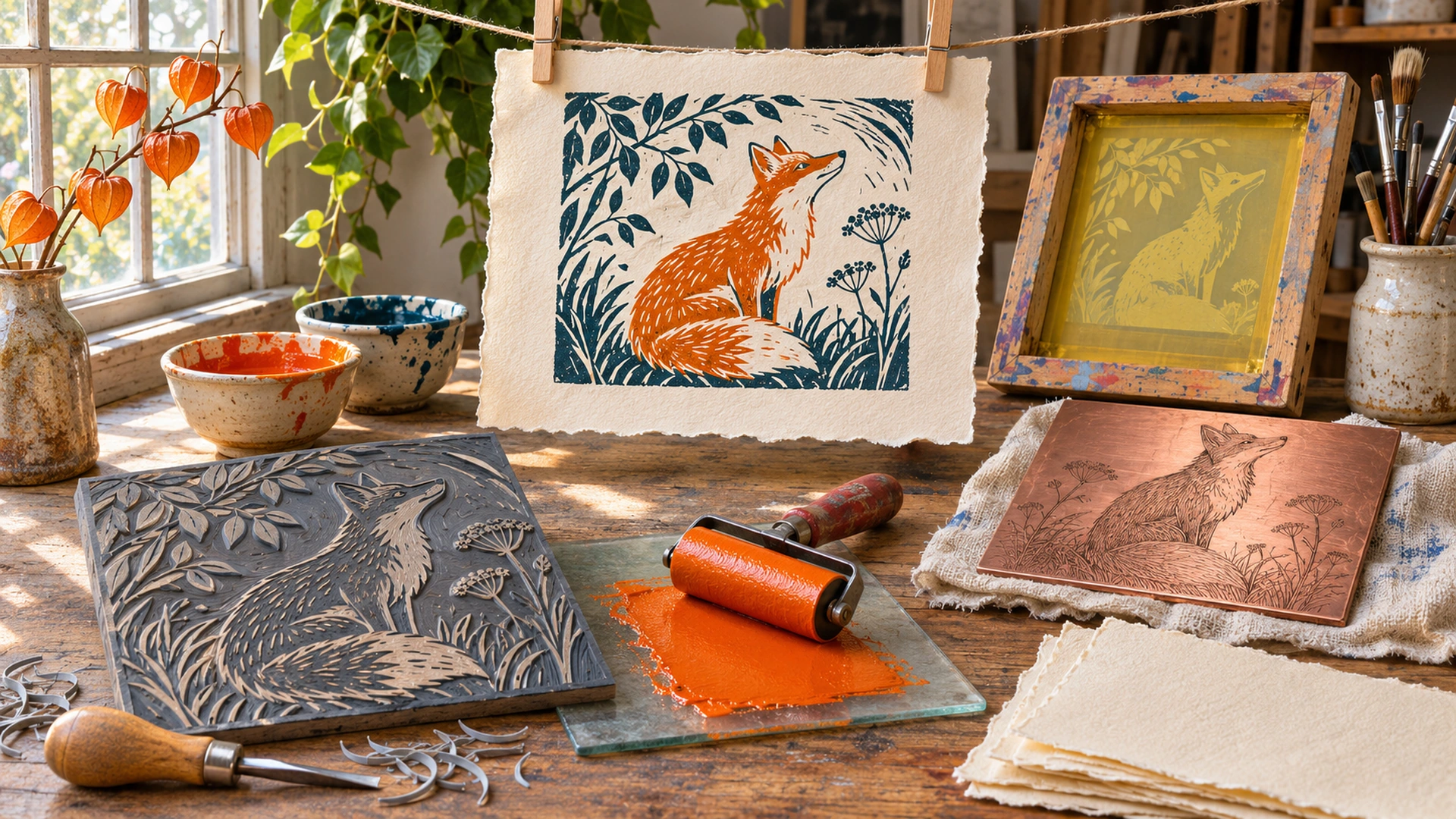
Etching developed in the early 1500s from metalworkers' decoration of armour. A copper or zinc plate is covered with an acid-resistant ground; the artist draws through it with a needle, exposing the metal. Acid bites the exposed lines; longer bites make deeper, darker lines. The plate is inked, wiped and pressed onto damp paper under high pressure, so ink is pulled from the grooves.
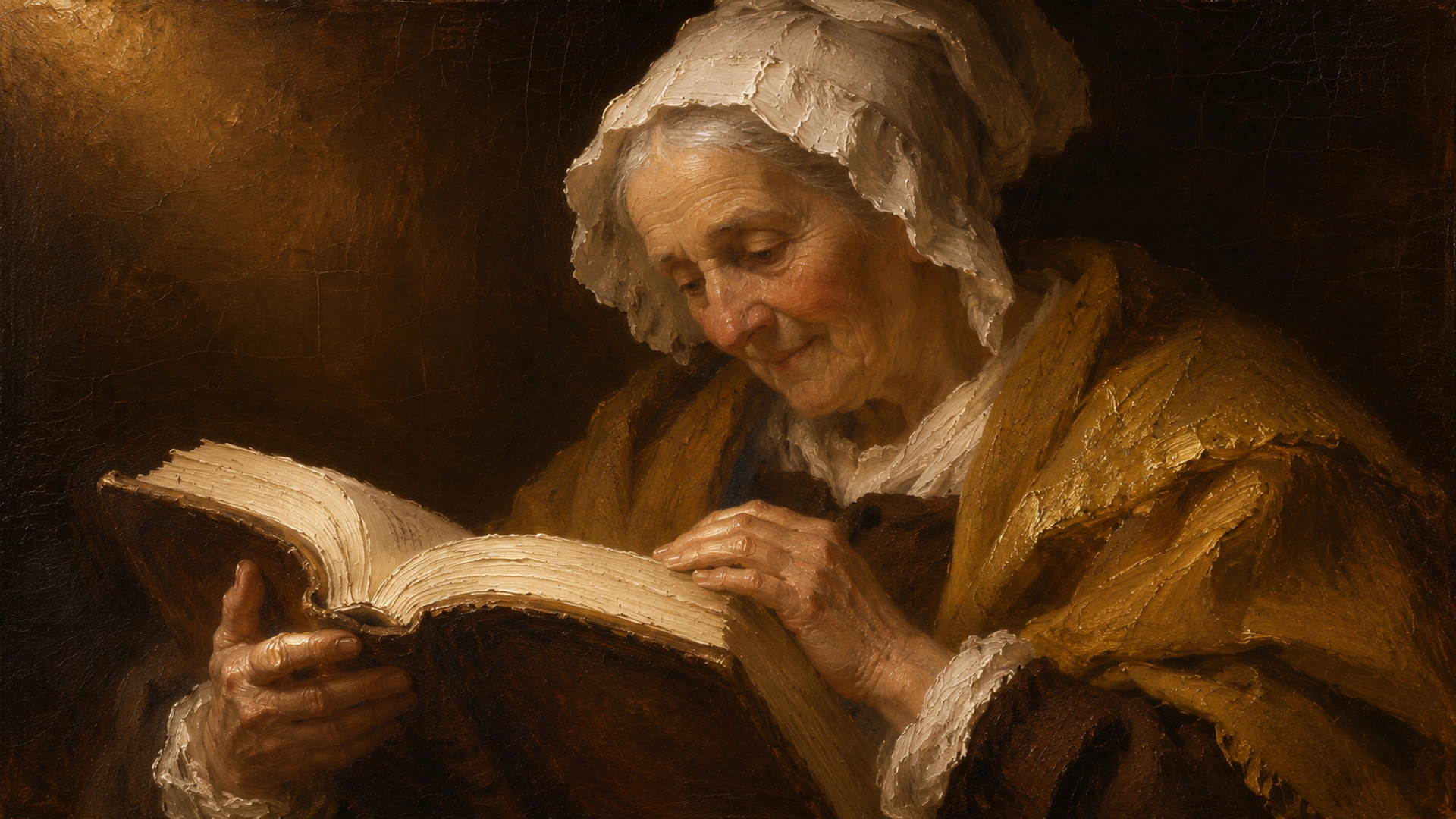
Because drawing through wax is easy, etching allowed a freedom engraving did not. Rembrandt made hundreds of etchings with rich darks and quick sketches; Goya combined etching with aquatint for the tonal nightmares of Los Caprichos (1799). Later artists from Whistler to Käthe Kollwitz used it, and it remains central in printmaking studios today.
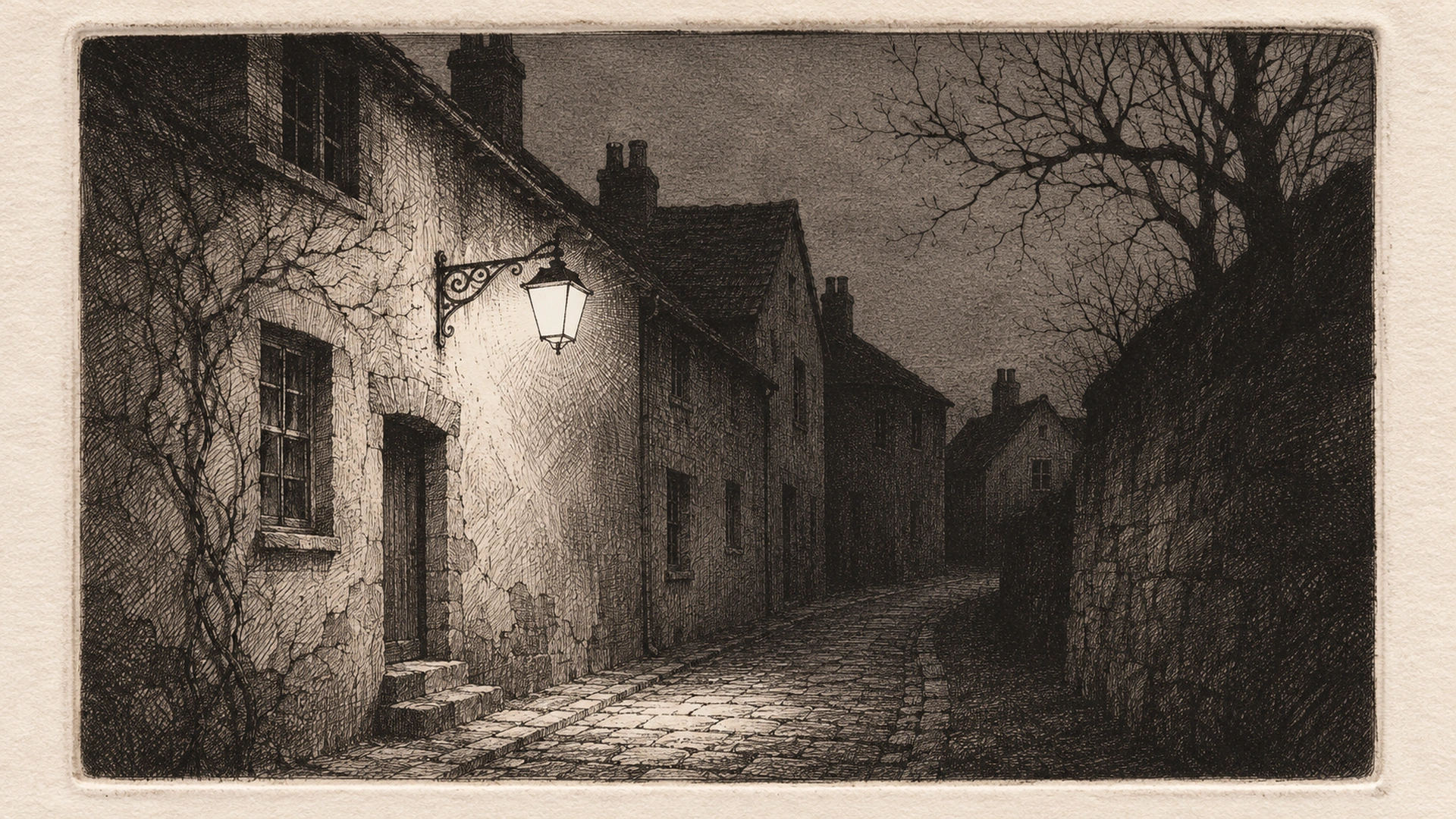
Visual anatomy of etching
Fine, free lines with slightly rounded ends, from hair-thin to bold.
Parallel and cross-hatched lines building tone and form.
Deep, velvety blacks where lines are dense or deeply bitten.
A thin film of ink left on the plate gives a soft grey background.
The embossed edge of the plate pressed into the paper.
Thick, soft, damp-printed paper, often warm white.
Key terms in etching
Printing from lines cut or bitten into a plate, below the surface.
Resin dust bitten to create areas of grainy tone.
Scratching directly into the plate, raising a burr that prints a soft, velvety line.
A recorded stage of a print as the artist reworks the plate.
How to recognize etching
- Fine, free cross-hatched lines.
- Velvety darks and soft plate tone.
- A plate mark pressed into thick paper.
Where people get it wrong
Etching is often confused with pen drawing. The lines in an etching have a printed quality: slightly raised ink, consistent ends, a plate mark and plate tone. Describing it as a 'pen sketch' loses the depth of its darks.
Words to describe etching
Precise words for the qualities above. Combine a few of them instead of naming the style or artist alone.
- etching print
- fine cross-hatched lines
- velvety intaglio blacks
- aquatint tone
- drypoint burr
- plate tone
- plate mark in thick paper
- warm white printmaking paper
- copperplate etching
- sepia or black ink
An original etching study: a narrow old street at night with a single lamp glowing as bare white paper, houses built from fine cross-hatched lines thickening into velvety blacks, a soft grey plate tone in the sky, a visible plate mark pressed into thick warm white paper, black ink. Not a copy of any existing print. No text.
What to take from etching today
- Describe the line: fine, hatched or cross-hatched.
- Say where the darks gather and whether there is aquatint tone.
- Mention paper, plate mark and ink colour.
Questions about etching
What is etching?
Drawing through wax on a metal plate and letting acid bite the lines: fine, free, cross-hatched lines and velvety darks, from Rembrandt to Goya.
How do you recognize etching?
Fine, free cross-hatched lines. Velvety darks and soft plate tone. A plate mark pressed into thick paper.
How do you describe etching in words or a prompt?
Describe the line: fine, hatched or cross-hatched. Say where the darks gather and whether there is aquatint tone. Mention paper, plate mark and ink colour.
Describe an etching of a street at night: where the lines gather into darks, how a single lamp is left as white paper, what plate tone covers the sky, and what the plate mark looks like.